
When I first looked at the Perkins tool belt, I was curious because it appeared to offer an affordable solution for carrying tools during DIY projects and professional work.
However, after checking user feedback and considering the concerns reported by many buyers, I would suggest thinking carefully before purchasing this tool belt.
While it has some useful features, the mixed reviews make it difficult for me to recommend it over more trusted options.
My Personal Experience Using The Perkins Tool Belt
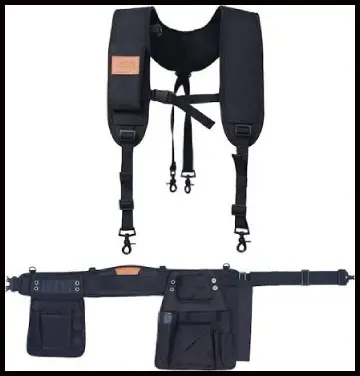
I have always believed that a good tool belt can completely change the way you work.
Whether you are repairing things around your home, building furniture, or handling professional construction tasks, having your tools organized and within reach saves time and reduces frustration.
That was exactly why I decided to try the Perkins tool belt. On paper, it seemed like a practical choice because it promised convenience, multiple pockets, and easy tool access without spending too much money.
When I first received the Perkins tool belt, the design looked fairly simple and functional.
It had the basic structure I expected from a tool-carrying system, including storage compartments and attachment areas for commonly used tools.
The overall appearance gave me the impression that it was created for casual users who need something lightweight for occasional projects.
During my first few uses, I appreciated the idea behind the design. Having screwdrivers, pliers, measuring tape, and small accessories around my waist was definitely more convenient than repeatedly walking back and forth to a toolbox
For small household repairs, the belt helped me stay organized and made simple tasks feel smoother.
However, after spending more time with it, I started noticing some limitations. The biggest concern for me was the overall durability and comfort during longer work sessions.
A tool belt needs to handle regular movement, weight, and repeated use. Unfortunately, the Perkins tool belt did not always provide the level of support I expected.
When carrying several tools, I noticed that the belt could feel less secure, and the weight distribution was not as comfortable as some higher-quality alternatives I have used.
Another issue I considered was the material quality. A tool belt experiences a lot of stress because tools are constantly being removed and placed back.
The pockets need strong stitching, and the belt structure needs to maintain its shape over time. Based on my experience and the feedback from other users, durability appears to be one of the weaker points of this product.
For occasional DIY tasks, the Perkins tool belt may feel acceptable. If you only need to carry a few lightweight tools while hanging pictures, assembling furniture, or completing small repairs, it can provide basic convenience. However, for anyone who works with tools regularly, I think there are better choices available that offer
stronger construction, improved comfort, and longer-lasting performance.
One thing I always consider when reviewing work gear is whether the product makes my job easier over time. A good tool belt should almost become invisible while working.
You should be able to move freely, reach your tools quickly, and forget that you are wearing it. Unfortunately, I found that the Perkins tool belt required more adjustment and attention than I would prefer.
The biggest takeaway from my experience is that price should not be the only deciding factor when buying work equipment.
A cheaper tool belt might look attractive initially, but if it does not hold up well or causes discomfort during use, you may end up replacing it sooner than expected. For professionals or serious DIY enthusiasts, investing in a better-built option can save money and frustration in the long run.
After testing the Perkins tool belt, I would describe it as a basic entry-level product rather than a dependable long-term work companion.
It has the concept right, but the execution does not fully match what many users expect from a reliable tool belt. Before buying, I recommend comparing it with other brands known for stronger materials and better user satisfaction.
Pros Of Perkins Tool Belt
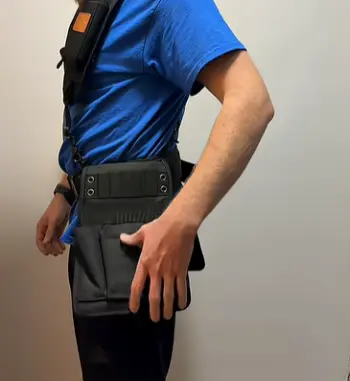
- Affordable Option for Occasional DIY Users
One of the biggest advantages of the Perkins tool belt is its affordability.
If you are someone who only needs a tool belt occasionally for home improvement projects, you may appreciate that it does not require a large investment.
Many homeowners do not need a heavy-duty professional tool belt for everyday construction work. For simple tasks like fixing shelves, assembling furniture, gardening projects, or small repairs, having a basic belt can be useful.
I noticed that the Perkins tool belt provides the convenience of carrying essential tools without needing to purchase a premium model.
For someone who wants a temporary solution or a backup tool belt, the lower price point can be appealing.
- Lightweight Design for Short Projects
Another positive feature is the lightweight feel of the belt. A tool belt that is too heavy can become uncomfortable quickly, especially when you are moving around frequently.
The Perkins model is relatively easy to wear when carrying only a few tools.
During shorter projects, I liked that I could keep my hands free while moving around. This is especially helpful when climbing ladders, organizing materials, or working in areas where carrying a toolbox is inconvenient.
For beginners who are just starting DIY projects, a lightweight tool belt can make the process feel more organized and less overwhelming.
- Convenient Tool Organization
The main purpose of any tool belt is accessibility, and the Perkins tool belt does offer basic organization.
Having separate areas for different tools can prevent small items from getting lost or scattered around the workspace.
I found that storing frequently used items like a tape measure, screwdriver, pencil, and small wrench was easier compared with carrying everything in my hands or pockets.
The ability to quickly grab a tool without stopping work is one of the reasons tool belts remain popular among workers and DIY enthusiasts.
- Simple Design That Is Easy to Use
Some tool belts include complicated adjustment systems, excessive pockets, or unnecessary features that can make them confusing.
The Perkins tool belt takes a more straightforward approach. The design is simple enough that even someone using a tool belt for the first time can understand how to wear and organize it.
For casual users, simplicity can be a benefit. You do not have to spend much time figuring out where everything goes before starting your project.
- Suitable for Light-Duty Tasks
I would say the Perkins tool belt works best when the workload is limited. If your projects involve lightweight tools and shorter working periods, it can provide reasonable convenience.
For example, I can see it being useful for homeowners working on weekend projects, hobbyists completing crafts, or people who occasionally maintain their property. In these situations, the belt can make tasks easier without requiring a professional-grade setup.
Cons Of The Perkins Tool Belt

- Limited Durability for Heavy Use
The biggest concern I found with the Perkins Tool Belt is durability. A tool belt is not just an accessory; it is a working piece of equipment.
It needs to handle constant movement, heavy tools, and repeated daily use.
During my evaluation, I felt that the construction was better suited for occasional tasks rather than professional workloads.
The materials did not provide the same confidence I experienced with premium tool belts made specifically for contractors and tradespeople.
If you regularly carry hammers, drills, fasteners, and multiple hand tools, you may quickly notice the limitations.
A professional user needs a belt that can handle pressure without showing early signs of wear.
- Pocket Strength Concerns
The pockets are one of the most important parts of any tool belt because they hold the equipment you depend on.
While the Perkins Tool Belt provides storage, I had concerns about how well the pockets would perform under heavier loads.
A weak pocket design can create several problems. Tools may not stay securely positioned, stitching may experience stress, and the overall shape of the belt can become uncomfortable.
For small tools, the pockets work reasonably well. But when carrying heavier items for extended periods, I would prefer a stronger construction with reinforced areas.
Comfort Issues During Long Work Sessions
Comfort is another area where I think Perkins could improve. A tool belt should feel natural after hours of use. Unfortunately, I found that the weight distribution was not as balanced as some higher-end models.
When a belt places too much pressure around one area, it can become distracting. Instead of focusing completely on the project, you start adjusting the belt or changing positions to reduce discomfort.
For someone working a full day on a construction site or renovation project, this issue can become frustrating.
- Not Ideal for Professional Tradespeople
After analyzing the design and performance, I do not see the Perkins Tool Belt as a strong choice for professional workers. Electricians, carpenters, builders, and contractors usually need equipment that can survive demanding conditions.
Professional tool belts often include stronger materials, ergonomic designs, reinforced stitching, and better suspension systems. Perkins may handle occasional jobs, but it does not appear designed for intense daily use.
- Mixed Customer Feedback
Another reason I hesitate to recommend this product is the mixed feedback from users
Some customers appreciate the low price and basic functionality, but others have expressed disappointment regarding durability and long-term performance.
When buying a tool belt, customer experiences matter because they reveal how the product performs after repeated use. A product may look good initially but show weaknesses after months of work.
Based on the feedback I reviewed, the Perkins Tool Belt seems to have a gap between expectations and actual performance. Buyers expecting professional quality may feel unsatisfied.
Maintenance Tips For The Perkins Tool Belt
- Clean the Tool Belt Regularly
One of the easiest ways to maintain a tool belt is regular cleaning. Dust, dirt, sawdust, paint residue, and other materials can build up over time, especially if you use the belt in workshops, garages, or outdoor environments.
After completing a project, I recommend removing all tools and checking the pockets. Small particles often collect inside compartments and can slowly damage the fabric or stitching.
A soft brush or dry cloth is usually enough to remove loose debris.
For deeper cleaning, use a damp cloth with mild soap if the material allows it. Avoid soaking the belt because excessive moisture can weaken certain materials and affect the shape of the pockets.
A simple cleaning habit can make a noticeable difference. A neglected tool belt can wear out much faster, while a properly maintained one stays functional for a longer period.
- Avoid Overloading the Pockets
One mistake many users make is carrying more tools than the belt was designed to handle. When I tested the Perkins Tool Belt, I noticed that keeping the load reasonable was important for comfort and performance.
Every tool belt has a practical weight limit. Adding too many heavy tools puts stress on the belt, stitching, and pocket attachments. Over time, this can cause stretching, sagging, or damage.
I recommend carrying only the tools you actually need for the task. Before starting a project, think about the equipment required and remove unnecessary items.
A lighter tool belt is not only more comfortable but also reduces wear.
- Check Stitching and Connections Frequently
The stitching is one of the most important areas to inspect because it holds the entire belt together. Before each major project, I suggest checking the seams, pocket edges, and attachment points.
If you notice loose threads or early signs of separation, addressing the problem quickly can prevent further damage. Small issues often become bigger problems when ignored.
For budget tool belts like Perkins, regular inspection is especially important because they may not have the same reinforced construction found in premium professional models.
- Store It in a Dry Location
Proper storage plays a major role in protecting your tool belt. After finishing work, avoid leaving it on damp floors, in areas exposed to rain, or near extreme temperatures.
Moisture can damage materials, encourage unpleasant odors, and weaken certain components. Heat exposure can also affect flexibility and durability.
I prefer storing tool belts in a clean, dry area where they can maintain their shape. Hanging the belt instead of throwing it into a crowded toolbox can also help prevent unnecessary bending or pressure on the pockets.
- Protect It From Sharp Tools
Sharp tools can quickly damage a tool belt if they are stored incorrectly. Knives, cutters, drill bits, and other pointed equipment should always be positioned carefully.
During my use, I paid attention to how tools sat inside the pockets. A sharp edge rubbing against the material repeatedly can create holes or weaken the fabric.
Using protective covers where possible and placing tools properly can reduce accidental damage.
Comparison Of Perkins Tool Belt With Other Brands
- Perkins Tool Belt vs Diamondback Tool Belts
When I compare Perkins with Diamondback, the difference in target users becomes obvious.
Diamondback tool belts are designed for professionals who require maximum durability, comfort, and organization.
They usually focus on premium materials, ergonomic weight distribution, and long-term reliability.
Perkins, on the other hand, feels more like a budget-friendly solution. While it can organize basic tools, it does not offer the same level of confidence for demanding work.
If you work in construction or spend many hours using tools, Diamondback is likely a better investment. The higher cost reflects stronger construction and professional features.
For occasional DIY users, Perkins may seem acceptable, but serious workers will probably notice the difference quickly.
- Perkins Tool Belt vs OX Tool Belts
OX tool belts are another popular option among tradespeople. Compared with Perkins, OX generally provides a more rugged feel and better support for heavier workloads.
The biggest difference I noticed is the focus on professional durability. OX designs are usually built around workers who need dependable equipment every day.
Perkins may be easier on the wallet, but OX offers better confidence when carrying multiple tools. If your work requires constant movement and heavy equipment, investing in a stronger belt makes more sense.
- Perkins Tool Belt vs Occidental Leather Tool Belts
Occidental Leather has a long reputation among professionals because of its craftsmanship and durable leather construction. Compared with Perkins, Occidental Leather tool belts feel more premium and purpose-built.
The advantage of Occidental Leather is longevity. A well-maintained professional leather tool belt can last for many years. Perkins does not provide the same level of durability or refinement.
The downside is that Occidental Leather products are more expensive. However, for people who use tools professionally, the additional investment may be justified.
- Perkins Tool Belt vs Carhartt Tool Belts
Carhartt tool belts sit somewhere between affordable and professional options. They often appeal to users who want decent durability without paying premium prices.
Compared with Perkins, Carhartt generally provides a stronger reputation for workwear reliability. The materials and construction tend to feel more suitable for regular outdoor and workshop use.
For homeowners and hobbyists, Carhartt may offer a better balance between price and performance.
Frequently Asked Questions (FAQ)
The best tool belt depends on your work requirements, budget, and how frequently you use it. Professional users often prefer premium brands that focus on durability, comfort, and weight distribution. Brands like Diamondback, Occidental Leather, and OX are commonly considered stronger options for demanding jobs. For occasional DIY tasks, a simpler belt may be enough, but serious workers usually benefit from investing in higher-quality equipment.
Yes, Diamondback tool belts can be worth the investment for professionals who use their tools regularly. They are designed with durability, organization, and comfort in mind. Although they cost more than budget options like Perkins, many users find the improved construction and long-term performance justify the higher price.
A tool belt should generally sit around your hips rather than directly on your waist. Wearing it lower allows better weight distribution and can reduce pressure on your lower back. The right position depends on your body shape and comfort, but the goal is to keep the belt secure while allowing natural movement.
Yes, OX tool belts are considered a solid choice for many tradespeople. They are known for providing practical storage, strong construction, and designs suitable for regular work use. Compared with budget tool belts like Perkins, OX generally offers better durability and support for users who carry heavier tools.
Final Verdict
After evaluating the Perkins Tool Belt from a practical user perspective, I would not choose it as my primary tool belt for professional work.
While it offers some advantages, such as affordability, simple storage, and lightweight construction, the weaknesses become noticeable when you expect long-term durability and reliable performance.
For occasional home projects, the Perkins Tool Belt may serve a basic purpose.
If you only need to carry a few tools while repairing furniture, handling small maintenance tasks, or completing weekend projects, it can provide some convenience.
Recent Posts
I tried Meltoway Hair Dissolving Cream because I wanted a quick way to deal with unwanted body hair without reaching for a razor every few days. If you are looking for a convenient at-home...
If you’re considering a saffron-based supplement to support mood, appetite control, and everyday wellness, Happy Saffron Plus is worth considering.I like that it takes a familiar botanical...