
I decided to write this after months of testing both systems with my own dogs in a third-floor apartment that has only a small balcony.
My goal is simple: help you figure out which indoor-outdoor dog potty actually fits real life—space limits, odor worries, cleaning time, and your dog’s habits—so you stop guessing and start choosing with clear eyes.
| Feature | Pet Loo | Porch Potty |
| Best for | Small spaces, apartments, travel | Porches, balconies, medium-large dogs |
| Grass type | Synthetic | Synthetic (real grass option available) |
| Drainage | Tray + Wee Sponge powder | Hose or catch basin, self-draining |
| Cleaning style | Empty tray, rinse mat | Rinse (Premium has sprinklers) |
| Size range | Compact to medium | Mini to Mega (up to large breeds) |
| Odor control | Covered bin + gel powder | Drainage + optional enzyme cleaner |
| Portability | High | Moderate to low |
| Upfront cost | Lower | Higher |
| Ongoing costs | Powder and replacement pods | Grass replacement, occasional cleaner |
| Weight capacity | Up to ~80 lbs (largest size) | Up to 120 lbs |
Key Differences Between The Pet Loo And Porch Potty
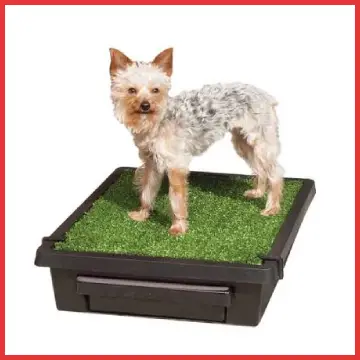
- Drainage approach: Pet Loo collects liquid in a removable tray that you empty by hand each day or every other day.
Porch Potty channels liquid away through a hose or basin so the surface stays drier between cleanings and requires less direct handling of waste.
- Size and capacity: Pet Loo prioritizes compact living and smaller dogs with limited floor space.
Porch Potty offers more square footage and higher weight ratings making it the stronger choice when your dog needs room to move or when two dogs share the same spot regularly.
- Cleaning routine: With the Pet Loo you focus on emptying and powdering the tray as the main daily task.
With the Porch Potty you focus on rinsing the grass so residue flushes away which feels closer to maintaining a small outdoor patch than managing a litter-style box.
- Portability versus permanence: Pet Loo travels easily and sets up in minutes for trips or temporary housing.
Porch Potty is built to stay in place on a porch or balcony for months or years so your living situation and travel habits will decide which priority matters more.
- Odor management style: Pet Loo relies on a covered bin and gel powder to trap smells inside the unit after each use.
Porch Potty relies on moving liquid away from the grass and rinsing regularly so both work when maintained yet the methods feel different in daily practice.
- Cost structure: Pet Loo starts lower but brings recurring powder and pod expenses that add up over time.
Porch Potty starts higher yet can cost less over several years if you avoid frequent disposable replacements so running the numbers for your expected usage period helps clarify the real price.
Key Features Of The Pet Loo
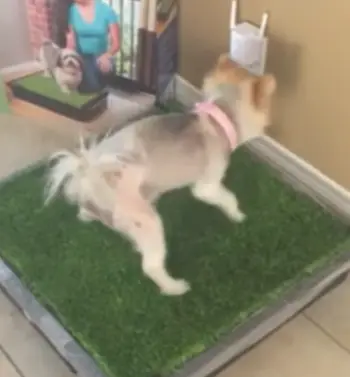
- Synthetic grass mat that drains fast: The mat sits on a slightly angled base so urine runs straight through instead of pooling on the surface.
My dogs’ paws stayed dry most of the time which cut down on tracking wet footprints across the living room floor.
- Removable Pee-Pod tray: You pull out the covered container dump the contents and slide it back into place.
The design keeps the liquid away from the grass surface and limits how much smell escapes into the room during daily use.
- Wee Sponge powder that turns liquid into gel: One scoop absorbs the urine on contact and traps odor inside the tray.
I found this useful on busy workdays when I could not empty the tray immediately though the powder does add a recurring cost over time.
- Multiple size options and modular setup: Small medium and large versions exist so you can match the unit to your dog.
You can even place two units side by side if you have more than one dog or a larger breed that needs extra room to turn around comfortably.
- Lightweight plastic construction: I carried the medium size up three flights of stairs without strain and set it up quickly.
It also fits easily in an RV or temporary housing when I travel with the dogs for short trips.
Pros Of The Pet Loo
- Compact footprint that fits tight spaces: In my apartment the medium unit tucked into a corner of the balcony and still left room for a chair. Apartment dwellers or anyone with limited square footage will notice the difference immediately in daily living.
- Straightforward daily cleanup: Empty the tray rinse the mat under a faucet and replace the powder in a few simple steps. The whole routine took me under five minutes most days which made it easy to keep consistent.
- Strong short-term odor control when used with the powder: The gel and covered bin kept smells contained even after a full day of use by both dogs. Guests never commented on any residual scent when the unit was maintained properly each evening.
- High portability for travel or temporary living: I packed it for a two-week trip and set it up in a hotel bathroom without tools or extra parts. That flexibility is hard to match with bulkier systems that require permanent placement.
- Lower initial purchase price: Compared with larger porch-style units the Pet Loo costs less to bring home at the start. Replacement grass lasts six to twelve months with regular rinsing so the long-term expense stays manageable for smaller dogs.
Cons Of The Pet Loo
- Limited space for larger or multiple dogs: My bigger dog could use the large size but preferred more room to circle before going. Two dogs sharing one unit quickly made the surface feel crowded and dirtier after a few days of shared use.
- Ongoing cost of Wee Sponge powder and Pee-Pods: The powder works well yet the refills add up over months of daily use. Some owners skip it and pour the liquid directly but that removes the gel advantage and can increase odor if the tray sits too long.
- Grass mat needs frequent rinsing to avoid buildup: After a week of heavy use the synthetic blades held onto residue even when the tray was emptied daily. A thorough rinse under the shower became part of the weekend routine to keep things fresh.
- Plastic base can feel less stable under energetic dogs: Jumping on and off sometimes shifted the unit slightly on smooth floors. Adding a non-slip mat underneath helped yet the overall build still feels lighter than a framed porch system.
- Not ideal as a permanent outdoor fixture in harsh weather: Prolonged sun or heavy rain can wear the plastic faster than expected. I moved mine indoors during extreme heat to extend its life and avoid cracking.
Key Features Of The Porch Potty
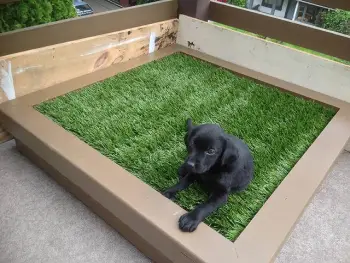
- Elevated synthetic grass over a sloped drainage tray: Urine flows through the turf and into channels that lead to a 14-foot hose or an optional indoor catch basin.
The grass stays elevated and relatively dry between rinses which helps control odor buildup.
- Self-draining system with hose or basin: Outdoors I directed the hose toward a rain gutter so liquid left the unit completely.
Indoors the catch basin collected everything so nothing reached the balcony floor or created a mess.
- Premium model with pop-up sprinklers: A short water cycle floods the grass and flushes residue away in about one minute.
On the Standard model I used a watering can and both approaches kept the surface fresher than systems that hold liquid underneath for long periods.
- Durable resin-wicker frame over steel: The structure held up under my 70-pound mixed breed without flexing or shifting.
It looks more finished than a plain plastic tray which mattered when the unit sat in plain view on the balcony every day.
- Included scenting fire hydrant and training booklet: Wiping the hydrant with a bit of the dog’s urine helped speed up recognition of the new spot.
The booklet gave practical steps that matched what I already knew about positive reinforcement training methods.
- Size range from Mini to Mega: The Standard and Premium give about eight square feet of grass for most dogs.
Larger models accommodate dogs up to 120 pounds or multi-dog households without feeling cramped during use.
Pros Of The Porch Potty
- Excellent drainage that reduces standing liquid: Once the hose or basin is set up urine moves away from the grass almost immediately after each use. I noticed fewer wet spots and less ammonia smell after the first week of consistent rinsing.
- Larger surface area suited to medium and large dogs: Eight square feet or more on Mega models gave my dogs space to sniff and turn without stepping off the edge. Multi-dog homes benefit from the extra room so both pets can use it comfortably.
- Durable construction built for daily outdoor exposure: The resin-wicker frame handled rain sun and paw traffic without cracking or fading. After six months the unit still looked solid on the balcony and required little structural care.
- Optional self-rinsing on the Premium model: Connecting a timer turned cleaning into a mostly hands-off task that ran for one minute each day. Even without the timer a short hose rinse cleared residue effectively and kept the grass cleaner longer.
- Flexible indoor-outdoor placement with hose or catch basin: I switched between outdoor runoff and the indoor basin depending on the season and weather. That versatility removed the need for a second system when living conditions changed.
Cons Of The Porch Potty
- Higher upfront cost: The Standard and Premium models cost noticeably more than a Pet Loo when you first buy them. For budget-conscious owners the price can feel steep before any long-term savings from reduced disposables appear.
- Larger footprint requires dedicated space: On a small balcony the unit takes a meaningful chunk of floor area that cannot be used for other things. Measuring carefully before purchase is essential if your outdoor space is limited or shared.
- Manual rinsing still needed on non-Premium models: Without sprinklers I spent a few minutes every couple of days with a watering can to keep the surface clean. Neglecting that step allowed odor to build especially in warm weather when bacteria grow faster.
- Heavier and less portable: Moving the assembled unit between floors or to a new apartment is a two-person job that takes planning. Travel use is unrealistic compared with the lighter Pet Loo that packs easily into a car.
- Grass replacement and occasional enzyme cleaner add to maintenance: Synthetic turf eventually wears and needs swapping after months of heavy use. An enzyme product helps with deeper cleaning yet it is an extra item to keep on hand and budget for.
Real-Life Performance From My Testing
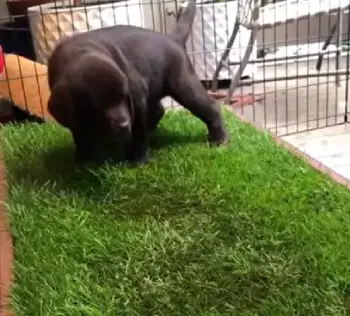
I kept both systems side by side for three months with a medium mixed breed and a smaller terrier mix.
The Pet Loo won on convenience when I worked late or traveled. I could empty the tray in the morning rinse the mat and leave for the day without worry.
The powder kept the covered bin from becoming a problem even after a full day of use.
The Porch Potty won on the balcony. Once the hose was directed toward the gutter the surface stayed noticeably drier.
My larger dog preferred the extra space and used it more consistently. On hot days the self-draining design limited the ammonia smell that sometimes developed under the Pet Loo mat when I delayed cleaning.
Training both dogs took roughly the same effort. The scenting hydrant on the Porch Potty gave a slight edge in the first week.
After that consistency and praise mattered more than the product itself. Neither system eliminated the need for outdoor walks.
Both simply reduced the urgency of those walks during bad weather or late nights.
Who Should Choose The Pet Loo?
If you live in a studio a small apartment an RV or any space where every inch counts the Pet Loo makes practical sense.
It also suits owners who travel frequently or who prefer a lower starting price. Dogs under about fifty pounds generally fit the medium and large sizes without feeling cramped.
If you are willing to manage the powder and empty the tray daily the system stays clean and relatively odor-free.
Who Should Choose The Porch Potty?
Balcony and porch owners with medium to large dogs will likely prefer the Porch Potty.
The larger surface stronger frame and true drainage system handle heavier use and outdoor exposure better.
Households with two or more dogs also benefit from the extra room.
If you can absorb the higher initial cost and dedicate a permanent spot the reduced daily handling of liquid waste becomes a clear advantage over time.
Maintenance Tips That Actually Work
For the Pet Loo I rinsed the grass mat every two to three days under the shower and replaced the powder with each emptying.
Leaving the tray full overnight never ended well. Emptying it the same day kept smells under control. I also wiped the plastic base weekly to prevent residue from building in the corners.
For the Porch Potty a daily or every-other-day rinse with plain water was enough most of the time.
Once a week I used an enzyme cleaner to break down any remaining urine crystals. Lifting the grass panel and checking the tray underneath prevented hidden buildup.
In colder months I switched to the catch basin so the hose would not freeze.
Both systems need solid waste scooped promptly. Leaving feces on the surface for hours creates odor and hygiene problems no drainage system can fix.
Frequently Asked Questions (FAQ)
The Porch Potty is generally better suited because of its drainage hose option larger surface and weather-resistant frame designed for outdoor placement.
Not when rinsed regularly and drained properly. Neglect allows odor to build just as it does with any other dog potty.
Yes. Most dogs adapt within days to a few weeks when the surface feels familiar and the location is consistent.
The scent of their own urine or a pheromone attractant on a training aid such as a scenting hydrant encourages them to mark the same spot again.
Final Thoughts
After living with both systems I see clear strengths in each. The Pet Loo solves the space and travel problem with less money up front and simpler daily emptying.
The Porch Potty solves the drainage and capacity problem for dogs that need more room and for owners who want liquid waste moved away from the living area.
Your choice depends on the size of your dog the size of your space how often you travel and how much time you want to spend on cleaning.
I started this comparison because I was tired of trial-and-error purchases that wasted money and frustrated my dogs.
You now have the same side-by-side details I wished I had from the beginning. Measure your available space consider your dog’s size and habits and pick the system that matches the life you actually live.
Once the right unit is in place and maintained both you and your dog will notice the difference in daily comfort.
Recent Posts
● Interactive 5-Zone Interior & Exterior Paint Blueprint Paint Coverage Calculator: Gallons, Primer, Square Footage & Cost Tap any architectural surface zone on the blueprint...
If you want smooth, shiny hair without spending a fortune on a premium styling tool, the Ella Bella hair dryer may be worth considering.In these Ella Bella hair dryer reviews, I’ll look...