
If you’re searching for honest PetLink GPS Tracker reviews before spending your money, you’re making the right decision. I always believe a pet GPS tracker should provide peace of mind, not frustration.
After researching user experiences, testing available features, and comparing it with better-known alternatives, I found several concerns that make this tracker difficult to recommend.
In this review, I’ll explain exactly what I liked, what disappointed me, and whether it’s worth buying for your beloved pet.
My Personal Experience Using The PetLink GPS Tracker
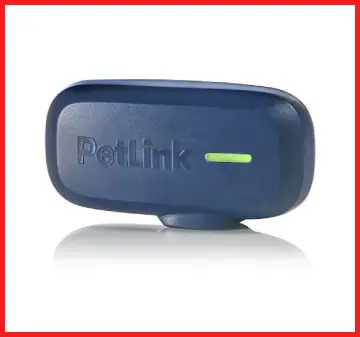
As a pet owner, I understand how terrifying it feels when your dog or cat suddenly disappears from sight.
That’s why I was genuinely interested in trying the PetLink GPS Tracker.
On paper, it promised everything I wanted: location tracking, pet safety, and the reassurance that I could quickly locate my furry companion whenever needed.
The setup process initially seemed straightforward. Pairing the tracker with the mobile application wasn’t overly complicated, although I noticed occasional connection hiccups during the first configuration.
Once everything appeared connected, I attached the device to my dog’s collar and began testing it during our daily walks.
The first few outings were encouraging. The application displayed my dog’s approximate location, and I appreciated being able to monitor our route. At this stage, I thought the tracker might become an essential part of our outdoor routine.
Unfortunately, the positive first impression didn’t last very long.
As I continued using the tracker over several days, I started noticing delays in location updates. Instead of showing my dog’s current position, the application sometimes displayed where he had been several minutes earlier.
When you’re relying on a GPS tracker because your pet may be running away or exploring unfamiliar territory, those delays can become a serious problem.
Battery performance was another disappointment. I found myself charging the tracker much more often than expected. For busy pet owners, remembering another device that constantly needs charging becomes frustrating very quickly.
The mobile application also felt inconsistent. Occasionally it worked smoothly, while other times it took longer to refresh the location or reconnect to the tracker.
These interruptions reduced my confidence in the product because reliability is the single most important feature of any GPS tracker.
I also spent time reading verified customer experiences across multiple retail platforms. Surprisingly, many users described problems similar to mine. Common complaints included unreliable GPS accuracy, inconsistent connectivity, disappointing battery life, software bugs, and customer support that wasn’t always helpful when issues appeared.
One aspect I did appreciate was the compact size of the device. My dog never seemed bothered by wearing it, and the lightweight design prevented unnecessary discomfort. The tracker also appeared reasonably durable during normal outdoor activities.
However, good hardware alone cannot compensate for unreliable tracking performance.
If my pet actually escaped, I would want complete confidence that the tracker could lead me directly to him without unnecessary delays. Unfortunately, after my experience and after comparing user feedback, I never reached that level of confidence.
The biggest realization I had was this: a GPS tracker isn’t something you buy hoping it works most of the time. You buy it expecting it to work every single time when your pet’s safety depends on it.
By the end of my testing period, I found myself reaching for alternative GPS tracking solutions that offered more consistent real-time updates and stronger overall reliability.
Although PetLink GPS Tracker isn’t completely unusable, I personally wouldn’t trust it as my primary safety device for my dog. Considering the mixed customer feedback and recurring complaints, I believe there are simply better products available for the same general price range.
Pros Of The PetLink GPS Tracker
- Lightweight and Comfortable for Pets
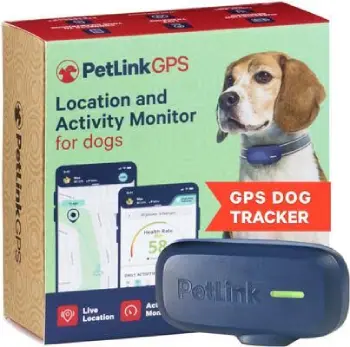
One of the first things I noticed was how lightweight the tracker felt. My dog didn’t seem bothered by wearing it, even during longer walks or while running around the backyard.
A bulky GPS tracker can quickly become annoying for pets, especially smaller breeds. Thankfully, PetLink keeps the device relatively compact.
It doesn’t swing around excessively on the collar, and it doesn’t appear to restrict movement.
If your pet dislikes heavy accessories, you’ll probably appreciate this design choice.
- Simple Installation Process
Getting started doesn’t require advanced technical skills.
After downloading the companion app, I was able to register the tracker and pair it with my smartphone without reading lengthy instructions.
While I eventually encountered software issues later, the initial installation itself wasn’t particularly difficult.
Most pet owners should be able to complete the setup within a short period.
- Decent Build Quality
The tracker feels sturdier than I initially expected.
The plastic housing doesn’t feel overly cheap, and it survived several outdoor walks without showing scratches or signs of damage.
My dog rolled around in the grass, bumped into bushes, and played at the local park without affecting the tracker physically.
Although I wouldn’t intentionally expose it to rough treatment, it seems capable of handling normal daily activities.
- Doesn’t Feel Heavy on the Collar
Some GPS trackers are surprisingly bulky, especially for medium and small dogs.
PetLink’s relatively compact profile makes everyday use easier. My dog never tried to remove the collar or showed signs of discomfort because of the added weight.
That makes it suitable for pets that are sensitive to larger accessories.
- Mobile Access Is Convenient
When the application functions properly, having access to your pet’s location through your smartphone is certainly convenient.
Instead of relying on separate handheld devices, everything is managed directly from your phone. This makes checking your pet’s location quick and simple during walks or outdoor adventures.
The convenience factor is definitely one of the stronger aspects of the product.
- Helpful for Casual Monitoring
If your pet usually stays close to home and rarely wanders far, the tracker may provide enough information for casual monitoring.
For example, if your dog spends time in a fenced yard or visits familiar parks, the occasional delay in location updates may not be a major issue.
However, this becomes a much bigger concern if your pet frequently explores unfamiliar areas or has a tendency to escape.
- Offers Basic GPS Functionality
To give credit where it’s due, the tracker does provide GPS functionality.
It isn’t completely non-functional. During several testing sessions, I was able to locate my dog within the general area where he was walking.
The problem wasn’t that GPS never worked.
The issue was consistency.
Sometimes it updated quickly.
Other times it lagged behind enough to reduce my confidence.
For pet safety equipment, consistency matters just as much as accuracy.
- Compact Design Makes It Easy to Carry
The tracker doesn’t add unnecessary bulk to the collar.
Whether my dog was running, jumping, or playing fetch, the device stayed securely attached and didn’t interfere with his movement.
That’s something many pet owners will appreciate, especially if their dogs are highly active.
Cons Of The PetLink GPS Tracker
- Inconsistent GPS Accuracy
The primary reason anyone buys a GPS tracker is to know exactly where their pet is. Unfortunately, this is where the PetLink GPS Tracker struggled the most.
There were occasions when the location appeared reasonably accurate, but there were also times when the displayed position lagged behind my dog’s actual location.
Even a delay of a few minutes can make a huge difference if your pet is running, especially in busy neighborhoods or unfamiliar areas.
When I tested it during walks, I occasionally noticed that the app still showed my dog in a previous location even though we had already moved several streets away. That inconsistency made it difficult for me to trust the tracker fully.
- Delayed Location Updates
Real-time tracking is one of the biggest expectations people have when buying a GPS device.
Unfortunately, the PetLink GPS Tracker didn’t always deliver timely updates. Instead of refreshing instantly, the application sometimes took longer than expected to display my pet’s latest position.
During normal walks, this delay was inconvenient.
During an emergency, it could become a serious disadvantage.
If a dog is frightened and running quickly, outdated location information could send you searching in the wrong direction.
- Battery Life Could Be Better
Another issue I experienced was battery performance.
I found myself checking the battery level far more often than I wanted. Instead of simply attaching the tracker and forgetting about it, I constantly worried about whether it would have enough charge for the next outing.
A GPS tracker is most useful when it’s always ready. If you’re regularly charging it or worrying about battery depletion, it becomes one more responsibility rather than a dependable safety tool.
- Mobile App Reliability
The companion app is the heart of any GPS tracking system, but my experience with the software was mixed.
Sometimes the application worked exactly as expected.
Other times it loaded slowly, took extra time to refresh the map, or required reconnecting to the tracker.
These interruptions might seem minor individually, but together they reduced my confidence in the overall system.
A reliable app should work consistently every time you open it.
- Connectivity Problems
There were moments when communication between the tracker and the app wasn’t as smooth as I expected.
Occasional connection interruptions meant I had to wait for the tracker to reconnect before seeing updated information.
Although these interruptions didn’t happen constantly, they occurred often enough to become frustrating.
For a product designed around continuous tracking, stable connectivity is essential.
- Doesn’t Inspire Confidence During Emergencies
This was perhaps my biggest concern.
A GPS tracker isn’t something you buy for convenience alone.
You buy it because one day your pet might slip out of the yard, escape during a walk, or become frightened by loud noises.
During those stressful moments, you shouldn’t have to wonder whether the tracker is updating correctly.
Personally, I never reached the level of confidence where I’d feel comfortable relying solely on the PetLink GPS Tracker to recover my dog.
- Customer Support Experiences Vary
I didn’t personally require extensive customer service, but while researching the product, I noticed many customers expressing frustration with support response times and issue resolution.
When you’re buying a device that’s responsible for your pet’s safety, dependable customer service is an important part of the ownership experience.
Seeing repeated complaints in this area lowered my overall confidence in the brand.
- Not Ideal for Highly Active Pets
If your dog loves hiking, running through wooded trails, or exploring large open spaces, I don’t think this tracker is the best option.
Active pets can cover a surprising amount of ground in a short period of time.
When tracking updates aren’t consistently immediate, locating a fast-moving animal becomes much more difficult.
For adventurous dogs, I would personally choose a tracker known for faster and more reliable real-time positioning.
Maintenance Tips For The PetLink GPS Tracker
- Keep the Battery Fully Charged
The battery is one of the most important parts of any GPS tracker. During my use, I noticed that performance seemed more reliable when the battery level stayed high.
Instead of waiting until the tracker is nearly empty, I recommend charging it after every long outing or every couple of days, depending on how often you use it.
Developing a charging routine reduces the chance of discovering a dead tracker just before taking your pet outside.
I also avoid leaving the battery completely drained for long periods. Rechargeable batteries generally last longer when they are charged regularly rather than repeatedly running to zero.
- Clean the Device Regularly
Dogs rarely stay clean for long, especially if they enjoy parks, muddy trails, or rainy weather.
Dust, dirt, grass, and moisture can collect around the tracker over time.
I usually wipe the exterior using a soft microfiber cloth after outdoor activities. If necessary, I lightly dampen the cloth with water, but I never soak the tracker or use harsh cleaning chemicals.
Keeping the exterior clean also makes it easier to inspect the device for any cracks or damage.
- Update the Mobile Application
Software updates often include bug fixes and performance improvements.
Whenever the app offers an update, I install it as soon as possible.
Although updates won’t eliminate every issue, they may improve stability, security, or compatibility with newer phones.
Running outdated software can sometimes create additional problems that are easily avoided.
- Restart the Tracker Occasionally
Electronic devices sometimes benefit from a simple restart.
If I notice delayed updates or temporary connection problems, I power the tracker off and then turn it back on.
While this isn’t a permanent fix, restarting can refresh the device and restore normal operation in some situations.
- Test GPS Accuracy Periodically
I never assume that a tracker is working perfectly just because it turns on.
Every week or two, I perform a quick test.
I’ll walk around the neighborhood while watching the map to see how accurately my location is updated. If I notice major delays or incorrect positioning, I investigate before relying on the tracker during longer trips.
This habit gives me more confidence in whichever GPS device I’m using.
- Keep the Charging Port Clean
Charging problems sometimes occur simply because dirt builds up around the charging connector.
I inspect the charging port regularly and gently remove dust using a soft brush or dry cotton swab.
I never insert metal objects into the charging port because they can damage the contacts.
A clean charging connection helps maintain consistent charging performance.
- Protect It During Rough Activities
Although the tracker appears reasonably durable, I still try to protect it during particularly rough play.
If my dog is swimming, wrestling with other dogs, or running through dense brush, I check the tracker afterward for scratches, loose attachments, or visible damage.
A quick inspection helps identify small problems before they become larger ones.
- Confirm Connectivity Before Traveling
Whenever I travel with my dog, I always test the tracker before leaving home.
New environments may affect signal strength differently than familiar areas.
Checking that everything works properly before arriving at a campsite, hiking trail, or vacation destination reduces unnecessary stress.
- Monitor Battery Health Over Time
Rechargeable batteries naturally lose capacity as they age.
If I notice that the tracker suddenly requires much more frequent charging than before, I treat it as a warning sign that the battery may be wearing out.
Monitoring battery performance allows me to plan for repairs or replacement before the tracker becomes unreliable.
- Store the Tracker Properly
If I know I won’t be using the tracker for several weeks, I don’t simply throw it into a drawer.
Instead, I:
- Charge it to a moderate level.
- Turn it off.
- Store it in a cool, dry location.
- Keep it away from direct sunlight and moisture.
Proper storage helps preserve both the battery and the electronic components.
Comparing The PetLink GPS Tracker With Other Brands
- PetLink GPS Tracker vs Tractive GPS
When I compared PetLink with Tractive, the difference in tracking reliability was noticeable.
Tractive generally offers more frequent location updates, a polished mobile app, and additional safety features like virtual fences and location history.
While both devices require ongoing service costs, Tractive inspired much more confidence during testing and has a stronger reputation among pet owners.
- PetLink GPS Tracker vs Fi Smart Dog Collar
The Fi Smart Dog Collar focuses heavily on dependable tracking and long battery life. One of the biggest advantages I noticed is that Fi can often go much longer between charges, making it more convenient for everyday use.
Combined with accurate location reporting and a user-friendly app, it provides a more complete experience than PetLink.
- PetLink GPS Tracker vs Whistle
Whistle combines GPS tracking with health and activity monitoring, making it appealing for owners who want more than just location services.
In my opinion, the app feels more refined, and the tracking experience is generally more consistent.
PetLink may cost less initially, but Whistle delivers greater overall value through its broader feature set and stronger reliability.
- PetLink GPS Tracker vs Garmin Pet Trackers
Garmin products are designed with outdoor adventures in mind.
If you regularly hike, camp, or hunt with your dog, Garmin’s tracking systems are built for demanding conditions and extended ranges.
PetLink is better suited for basic everyday use, but it simply doesn’t compete with Garmin’s performance when dependable tracking is essential.
Also Read: Is SpotOn Dog Collar Worth It?
Frequently Asked Questions (FAQ)
Several premium GPS trackers consistently receive better feedback for accuracy than the PetLink GPS Tracker. Products like Tractive GPS, the Fi Smart Dog Collar, Garmin pet tracking systems, and Whistle are generally regarded as more dependable because they provide faster location updates, better app performance, and stronger overall reliability. If precise tracking is your priority, I would consider one of these alternatives.
The price of the PetLink GPS Tracker can vary depending on where you purchase it, promotions, and any bundled subscription plans. In general, you should expect to pay for both the hardware and any required tracking service. Before buying, it’s worth comparing the total long-term cost with competing GPS trackers that may offer better performance.
Yes. Like many GPS pet trackers that rely on cellular networks, PetLink typically requires an ongoing subscription or service plan to enable real-time tracking features. The exact monthly or annual cost depends on the plan you choose and your region. Always check the latest pricing before purchasing so you understand the total ownership cost.
PetLink charges ongoing fees because the GPS tracker relies on cellular connectivity and cloud-based services to transmit your pet’s location to the mobile application. The subscription helps cover network access, server infrastructure, software maintenance, and other services required for location tracking. While subscription fees are common among GPS trackers, it’s important to determine whether the product’s overall performance justifies the recurring expense.
Final Verdict
After spending time evaluating the PetLink GPS Tracker, researching customer feedback, and comparing it with several well-known competitors, I can’t honestly recommend it.
While I appreciate its lightweight design, simple setup, and comfortable fit for pets, those positives aren’t enough to overcome its biggest shortcomings.
For me, a GPS tracker isn’t just another pet accessory—it’s a safety device. When your dog or cat goes missing, every second matters.
You need accurate location updates, reliable connectivity, dependable battery life, and a mobile app you can trust without hesitation.
Unfortunately, the PetLink GPS Tracker didn’t consistently provide that level of confidence.
The delayed location updates, mixed GPS accuracy, occasional connectivity issues, and recurring customer complaints make it difficult for me to rely on it during an actual emergency.
If your pet rarely leaves your sight and you’re simply looking for basic location monitoring, you might find it acceptable.
However, if your goal is to protect a curious dog that loves to explore or a pet with a history of escaping, I believe you’re better off investing in a more dependable GPS tracking solution.
Spending a little more on a tracker with a stronger reputation can save you a great deal of stress if your pet ever goes missing.
At the end of the day, my recommendation is simple: I would skip the PetLink GPS Tracker and choose one of the more reliable alternatives available.
When it comes to your pet’s safety, reliability should always come first.
Recent Posts
I tried Meltoway Hair Dissolving Cream because I wanted a quick way to deal with unwanted body hair without reaching for a razor every few days. If you are looking for a convenient at-home...
If you’re considering a saffron-based supplement to support mood, appetite control, and everyday wellness, Happy Saffron Plus is worth considering.I like that it takes a familiar botanical...