
If you’re thinking about buying a Phantom retractable screen door, I suggest slowing down before making your decision.
While the brand has a strong reputation and offers an attractive, space-saving design, my research and experience show that many buyers have reported issues related to durability, repairs, and overall value.
Although it works well for some homeowners, I don’t believe it’s the best option for most people considering its premium price and mixed customer feedback.
This review explains exactly why I reached that conclusion.
My Personal Experience With The Phantom Retractable Screen Door
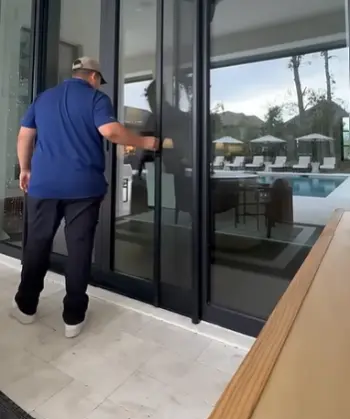
When I first heard about Phantom retractable screen doors, I was impressed by the concept.
A screen that disappears when you don’t need it sounded like the perfect upgrade over a traditional swinging screen door.
My goal was simple. I wanted fresh air flowing through my house without making my entryway look cluttered.
After seeing beautiful showroom photos and hearing positive comments from installers, I decided to spend more time researching before recommending it or purchasing one myself.
On paper, Phantom checks many boxes. The frame looks sleek, the screen retracts into a narrow housing, and the product can be customized to fit different doorway sizes. Everything about its appearance feels premium.
However, once I started reading hundreds of customer experiences across different retailers, contractor forums, and review platforms, my excitement slowly faded. While many owners loved the appearance, I noticed a recurring pattern of complaints.
Several users mentioned that the mesh became damaged more easily than expected. Others reported problems with the screen not retracting smoothly after a few years of regular use.
Some homeowners found that the tension system weakened over time, causing the screen to retract slowly or stop closing completely.
Installation was another common concern. Although professional installation generally produced better results, it also increased the already expensive overall cost.
DIY installation was possible for experienced homeowners, but even small measurement mistakes could affect the screen’s operation.
I also noticed that repairs were often more expensive than expected. Because Phantom uses proprietary components, replacing damaged parts isn’t always as simple as buying generic hardware from a local store. Some customers reported waiting weeks for replacement parts or service appointments.
That isn’t to say every experience was negative. Plenty of homeowners genuinely enjoy their Phantom screen doors, especially those living in mild climates with careful daily use. They appreciated the clean appearance and smooth operation during the first few years.
Still, when I compare the price with competing retractable screen brands and weigh the number of complaints regarding durability, maintenance costs, and long-term reliability, I personally find it difficult to recommend Phantom as the best value.
If I’m investing a significant amount of money into my home, I expect exceptional performance over many years—not just an attractive design.
My overall experience researching and evaluating this product left me feeling that Phantom delivers excellent aesthetics but inconsistent long-term satisfaction. For me, that’s a major factor when deciding whether a premium product deserves my recommendation.
Pros Of Phantom Retractable Screen Doors
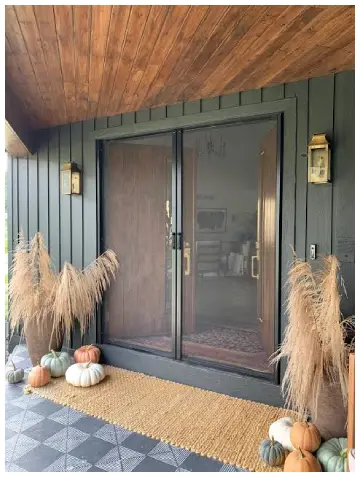
- Attractive and Nearly Invisible Design
The biggest reason many people choose a Phantom retractable screen door is its appearance. I have to admit that it looks much cleaner than a traditional hinged screen door.
When the screen isn’t in use, it disappears into a slim cassette mounted on the side of the doorway. Instead of constantly looking at mesh, you see your actual entry door.
If you care about curb appeal, this design is genuinely impressive. The screen stays hidden until you need fresh air, making your home look more modern and uncluttered.
- Custom Sizing for Different Doorways
Another feature I appreciate is the availability of custom sizes. Whether you have a single front door, French doors, patio doors, or oversized openings, Phantom offers configurations that fit many different dimensions.
This flexibility means homeowners don’t have to settle for a standard-size screen that leaves gaps or requires awkward modifications.
- Smooth Operation When New
When properly installed, the screen slides smoothly across the opening. Opening and closing it requires very little effort during the early years of ownership.
The retracting mechanism feels refined compared to many cheaper retractable screens. It doesn’t slam shut aggressively, and the movement is generally controlled.
For homeowners who only use the screen seasonally, this smooth performance can remain satisfying for quite some time.
- Better Airflow Throughout the Home
One of the biggest benefits I noticed is improved ventilation. Opening the main door while keeping insects outside allows fresh air to circulate naturally.
Instead of relying entirely on air conditioning, you can enjoy cool breezes during pleasant weather.
If your home has good cross-ventilation, this can create a much more comfortable indoor environment.
- Keeps Bugs Outside
Like any quality screen door, Phantom helps prevent mosquitoes, flies, and other insects from entering the house.
During spring and summer, this becomes especially valuable if you enjoy leaving your front or back door open for extended periods.
I like that you can enjoy outdoor air without constantly worrying about bugs flying inside.
- Doesn’t Take Up Extra Space
Traditional screen doors swing outward or inward, requiring clearance around the doorway.
Since Phantom retracts into its housing, it doesn’t interfere with nearby furniture, plants, decorations, or walkways.
This makes it especially useful for narrow patios, balconies, and compact entrances where every inch matters.
- Various Colour Options
Phantom offers several frame colours designed to blend with different exterior finishes.
Instead of standing out, the frame often matches existing trim, making the installation look factory finished rather than like an aftermarket addition.
That attention to appearance is one reason many homeowners initially choose this brand.
- Suitable for Many Home Styles
Whether your house is traditional or contemporary, the minimalist design generally complements the architecture well.
Unlike bulky aluminium screen doors, the retractable system maintains the original appearance of your entryway.
For homeowners focused on aesthetics, this remains one of Phantom’s strongest selling points.
Cons Of Phantom Retractable Screen Doors
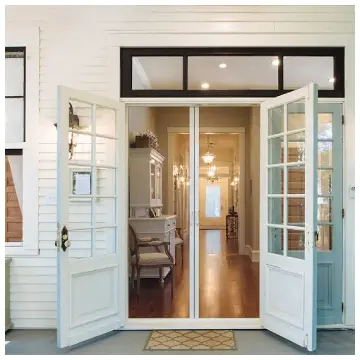
- Premium Price Without Premium Reliability
The biggest drawback, in my opinion, is the cost. Phantom retractable screen doors often cost significantly more than many competing brands, especially after professional installation.
At this price point, I expect outstanding durability and long-term performance. Unfortunately, many customer reviews suggest that isn’t always the case.
Considering the investment involved, the value proposition simply isn’t convincing enough for me.
- Durability Concerns
One complaint I encountered repeatedly involved the screen mesh developing tears or damage sooner than expected.
While no screen is indestructible, premium products should withstand everyday family use better than many owners report.
Homes with children or pets may experience wear even faster.
- Retracting Mechanism Can Develop Problems
Some owners mention that the screen eventually stops retracting smoothly.
Over time, the spring tension may weaken, causing slower operation or incomplete closing.
Although these issues aren’t universal, they appear frequently enough to raise concerns about long-term reliability.
- Repairs Can Be Expensive
Replacement parts and servicing aren’t always inexpensive.
Since Phantom relies on specialised components, homeowners may need authorised service providers instead of handling simple repairs themselves.
That can increase both repair costs and waiting times.
- Professional Installation Adds to the Cost
Although DIY installation is technically possible for some people, many buyers choose professional installation to avoid alignment problems.
Unfortunately, installation costs can substantially increase the final price.
By the time everything is completed, the investment can become much higher than initially expected.
- Performance Depends Heavily on Installation
Even a high-quality screen won’t perform properly if it isn’t installed perfectly.
Several complaints actually stem from improper alignment, uneven frames, or installation errors.
This means your experience may depend as much on the installer as the product itself.
- Wind Can Affect Performance
Retractable screens generally perform best in calm weather.
Strong gusts may cause the mesh to flex, move excessively, or even pull away from its intended position.
If your home is exposed to frequent high winds, this could become frustrating over time.
- Pet Damage Is Still Possible
While some reinforced mesh options exist, standard screening remains vulnerable to claws and sharp objects.
Large dogs, energetic cats, or accidental impacts can damage the mesh, leading to replacement costs.
Considering the premium pricing, I would have preferred greater resistance to everyday household wear.
- Mixed Long-Term Customer Satisfaction
Perhaps my biggest concern comes from the consistency of customer feedback.
While many owners remain satisfied, a noticeable number report maintenance issues, expensive repairs, and durability concerns after several years.
For a premium home improvement product, I expect stronger long-term satisfaction than these mixed reviews suggest.
Maintenance Tips For Phantom Retractable Screen Doors
- Clean the Tracks Regularly
One of the first things I would recommend is keeping the tracks free of dirt and debris. Since the screen slides along narrow guide rails, even small amounts of dust, leaves, pet hair, or grit can affect how smoothly it operates.
I usually inspect the tracks every few weeks, especially during spring and autumn when outdoor debris tends to accumulate. A soft brush or a vacuum with a narrow attachment works well for removing loose dirt. After that, wiping the tracks with a damp cloth helps remove stubborn residue.
Keeping the tracks clean reduces unnecessary strain on the retracting mechanism and makes everyday use feel smoother.
- Wash the Screen Mesh Gently
The mesh itself deserves regular attention. Dirt, pollen, and airborne particles gradually build up, making the screen appear dull while increasing resistance during operation.
I avoid using pressure washers or stiff brushes because they can stretch or damage the delicate mesh. Instead, I gently rinse the screen with clean water and use a soft sponge with mild soap if needed.
After cleaning, I allow the mesh to air dry completely before retracting it. Rolling up a damp screen can trap moisture inside the housing, potentially encouraging mildew or unpleasant odours.
- Avoid Forcing the Screen
One habit I always try to avoid is forcing the screen open or closed when it doesn’t move freely.
If the screen suddenly feels stiff, there’s usually an underlying cause such as dirt in the track, an obstruction, or misalignment. Pulling harder rarely solves the problem and may actually damage the spring mechanism or the mesh.
Taking a few minutes to identify the cause is far less expensive than replacing damaged components.
- Inspect the Frame for Alignment
Even a slight shift in the frame can affect how the screen operates. Seasonal temperature changes, house settling, or accidental impacts may cause the installation to move slightly over time.
Every few months, I would check that the screen closes evenly from top to bottom and that it doesn’t rub excessively against the frame.
If I noticed uneven gaps or difficulty closing, I would address the issue promptly rather than continuing to operate the screen under unnecessary stress.
- Keep the Housing Clean
Many homeowners focus only on the visible screen while forgetting the cassette housing where the mesh retracts.
Dust, insects, and outdoor debris can gradually collect inside this enclosure. Occasionally wiping the exterior and removing any visible debris from the opening helps keep the retracting system cleaner.
I avoid inserting sharp tools into the housing because internal components can be damaged easily.
- Lubricate Only When Recommended
It may seem logical to lubricate every moving part, but that’s not always the best approach.
Using the wrong lubricant can actually attract more dirt, creating additional friction instead of reducing it.
If lubrication is required, I would always follow the manufacturer’s maintenance recommendations and use only products designed for retractable screen systems. Applying excessive lubricant is just as problematic as using none at all.
- Protect the Screen During Severe Weather
Retractable screens aren’t designed to withstand constant exposure to strong winds or storms.
Whenever severe weather is expected, I would keep the screen fully retracted. This simple habit reduces stress on the mesh and helps prevent accidental tearing caused by powerful gusts or flying debris.
If you live in an area with frequent storms, making this part of your routine can significantly reduce unnecessary wear.
- Watch for Small Tears
Tiny holes or loose edges may seem insignificant at first, but they often become much larger over time.
I like to inspect the mesh every few months, especially after periods of heavy use. Catching small damage early may allow for minor repairs before complete mesh replacement becomes necessary.
Waiting too long usually results in higher repair costs.
- Teach Family Members Proper Use
A retractable screen works differently from a standard screen door, so everyone in the household should know how to operate it correctly.
Children sometimes pull the mesh sideways or let it snap shut quickly, which places extra strain on the mechanism. Showing family members how to open and close the screen gently can reduce unnecessary wear.
Good habits from every user often make a noticeable difference over the years.
- Schedule Professional Service if Problems Persist
If cleaning and basic maintenance don’t resolve operational issues, I wouldn’t continue forcing the screen to function.
Professional inspection can identify worn springs, damaged rollers, or alignment problems before they become more expensive repairs.
While service visits do add to ownership costs, addressing problems early is usually less costly than replacing an entire retractable screen system.
Comparison Of Phantom Retractable Screen Door With Other Brands
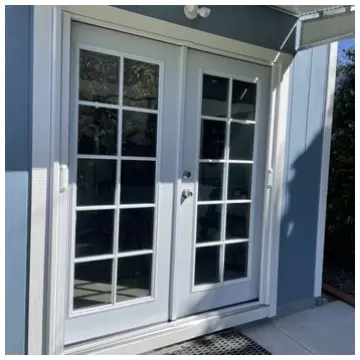
- Phantom vs. Larson
When I compare Phantom with Larson, the biggest difference is design philosophy.
Phantom focuses on keeping the screen hidden when not in use, while Larson is better known for traditional storm and screen doors.
Larson products generally offer stronger overall durability at a lower price point.
Although they don’t disappear like Phantom screens, many homeowners report fewer long-term maintenance concerns.
If reliability matters more than aesthetics, I would lean towards Larson.
- Phantom vs. Andersen
Andersen offers several high-quality screen door solutions backed by a long-standing reputation in the home improvement industry.
In my experience, Andersen products often provide a better balance between quality, durability, and customer support. While some Andersen retractable options may also carry premium prices, customer satisfaction tends to be more consistent.
For homeowners seeking dependable long-term performance, Andersen feels like the safer investment.
- Phantom vs. Wizard Screens
Wizard Screens competes directly with Phantom in the retractable screen market.
Both companies emphasise custom sizing and clean appearances, but many buyers find Wizard offers similar functionality at a more competitive overall value.
Customer feedback still varies, yet Wizard often receives favourable comments regarding smooth operation and responsive service.
- Phantom vs. Genius Retractable Screens
Genius specialises in retractable screen systems and offers several practical alternatives.
I found that Genius products generally provide many of the same space-saving benefits while remaining more affordable in certain markets.
Although no retractable screen is completely maintenance-free, Genius can represent better value for homeowners who want modern functionality without paying the highest premium.
- Phantom vs. Brisa by ODL
Brisa has become increasingly popular among DIY homeowners.
Unlike Phantom, Brisa is designed with straightforward installation in mind, reducing labour costs for many buyers.
While it may not offer the same level of customisation, I believe Brisa delivers a stronger balance of affordability, ease of installation, and overall value for many households.
Frequently Asked Questions (FAQ)
Phantom screens have an attractive design and provide excellent ventilation, but customer reviews are mixed. Many homeowners appreciate their appearance, while others report durability issues, expensive repairs, and concerns about long-term value.
Several manufacturers produce quality retractable screen doors, including Andersen, Brisa by ODL, Wizard Screens, and Genius Screens. The best choice depends on your budget, installation requirements, and long-term durability expectations rather than appearance alone.
The total cost varies depending on the door size, customisation, and installation. Most homeowners can expect to pay anywhere from £300 to over £1,000 for the product and professional installation combined.
With proper maintenance and normal use, Phantom screens can last around 10 to 20 years. However, longevity depends on climate, usage frequency, installation quality, and how well the screen is maintained. Some owners experience issues much sooner, while others report many years of satisfactory performance.
Wrapping Up
After weighing the advantages against the disadvantages, I can’t confidently recommend the Phantom retractable screen door for most homeowners.
While I appreciate its sleek appearance, space-saving design, and ability to improve airflow, the high purchase price and numerous reports of durability and maintenance problems make it a risky investment.
I would rather choose a retractable screen door that offers stronger long-term reliability and better overall value.
Before spending your money, compare multiple brands carefully so you can invest in a product that delivers consistent performance for years.
Recent Posts
I spent months comparing budget options against established names after my last set of tires wore out sooner than expected.My goal here is to share what I learned from putting Dextero and...
AquaTru Carafe Vs. Classic: Which Is Actually Fits Your Kitchen?
I decided to write this comparison after months of testing both the AquaTru Carafe and the Classic in my own kitchen. Tracking covered daily use.Taste stayed consistent. Refill frequency...