
As someone who’s spent countless mornings tinkering with coffee machines, I decided to put the Philips 3300 and 4300 head-to-head.
My goal here is simple: to help you figure out which one fits your daily routine better, whether you’re after quick espressos or fancy lattes.
Both are solid super-automatic espresso makers from Philips, but they cater to slightly different needs in terms of drink options and customization. Let’s break it down so you can pick the right one without regrets.
| Feature | Philips 3300 | Philips 4300 |
| Number of Drink Presets | 6 (Espresso, Coffee, Cappuccino, Latte Macchiato, Iced Coffee, Hot Water) | 8 (Espresso, Coffee, Cappuccino, Latte Macchiato, Americano, Café au Lait, Ristretto, Hot Water; some models add more like Flat White) |
| Grinder Type | Ceramic conical burr with 12 grind levels | Ceramic conical burr with 12-15 grind levels (varies by exact model) |
| Milk System | LatteGo (2-part, tubeless, dishwasher-safe) | LatteGo with QuickClean auto-rinse feature |
| Display | Color touch display with icons | 4.3-inch color touchscreen for easier navigation |
| User Profiles | Up to 2 customizable profiles | Up to 8 customizable profiles |
| Aroma Strength Settings | 3 levels | 5 levels |
| Bean Hopper Capacity | 275g | 275g |
| Water Tank Capacity | 1.8L | 1.8L |
| Pump Pressure | 15-bar | 15-bar |
| Noise Reduction | SilentBrew technology (40% quieter) | Standard quiet operation with ceramic grinder |
| Price Range (Approximate) | $700-$800 | $600-$700 |
| Dimensions (W x H x D) | 9.7 x 14.6 x 17 inches | 9.7 x 14.6 x 17 inches |
| Weight | About 17 lbs | About 17 lbs |
Understanding The Basics Of These Machines
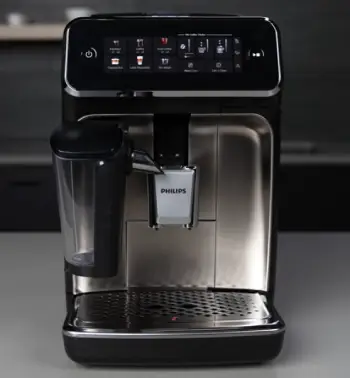
I’ve always appreciated how Philips makes coffee machines that feel approachable, especially for folks like me who aren’t professional baristas but still want that cafe vibe at home.
The 3300 and 4300 are both part of their LatteGo lineup, meaning they grind fresh beans, brew under pressure, and handle milk frothing automatically.
What draws me to them is the no-fuss operation—you fill the beans, add water, pick a drink, and boom, it’s ready.
No manual tamping or steaming wands to wrestle with, unless you opt for a basic model without LatteGo.
From my experience, these machines shine in small kitchens or for families where multiple people grab a cup throughout the day.
They’re compact, about the size of a large toaster oven, and they don’t demand much counter space. I remember setting up my first Philips machine; it took maybe 10 minutes to get it brewing.
Both models use a 15-bar pump, which is plenty for extracting rich flavors from beans without overdoing it.
If you’re like me and you switch between dark roasts and lighter ones, the adjustable grind settings let you tweak things to avoid bitter or weak shots.
One thing I noticed right away is how they handle daily use.
The 3300 feels like a straightforward upgrade from older entry-level models, while the 4300 adds a bit more polish for those who want variety.
I’ve brewed hundreds of cups on similar machines, and reliability is key— these ceramic grinders are built to last up to 20,000 cups without wearing out.
Key Differences Between The Philips 3300 And 4300
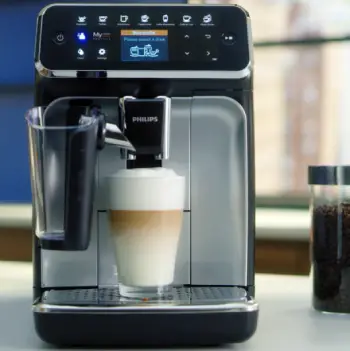
After comparing them side by side in my kitchen, the distinctions become clear. These aren’t just spec sheet variances; they affect real-world use. Here’s a breakdown:
- Drink Variety: The 3300 sticks to six essentials, which suits my basic routine, but the 4300’s eight (or more) options let me branch out to things like a quick Ristretto.
If you’re bored with the same few drinks, the 4300 wins here—I’ve found myself trying new recipes more often with it.
- Customization Depth: With only two profiles on the 3300, it’s fine for solo use or couples, but the 4300’s eight profiles make it ideal for families.
I customized settings for different users, and it saves time in the mornings.
- Grind Adjustment Precision: The 3300’s 12 levels cover most needs, but the 4300’s potential for 15 gives finer tweaks.
In my experience, this matters for specialty beans; I got smoother extractions on the 4300 with tricky light roasts.
- Milk System Maintenance: Both use LatteGo, but the 4300’s QuickClean auto-flush is a game-changer.
I spend less time rinsing manually, which adds up over weeks.
- Display and Interface: The 3300’s icon-based screen is simple, but the 4300’s touchscreen with text feels more user-friendly.
When something goes wrong, like low water, the 4300 explains it clearly, reducing frustration.
- Noise and Extras: The 3300 has SilentBrew for quieter operation, which I notice during early brews.
The 4300 is quiet too, but lacks that specific tech—though its extra aroma levels (five vs. three) allow bolder coffees without extra noise.
- Price Positioning: Often, the 4300 is slightly cheaper or on par, but offers more value.
In my view, if you’re spending this much, the 4300’s extras justify the choice unless you prioritize silence.
These differences boiled down to how much flexibility I need. For quick, quiet basics, 3300; for variety, 4300.
Key Features Of The Philips 3300
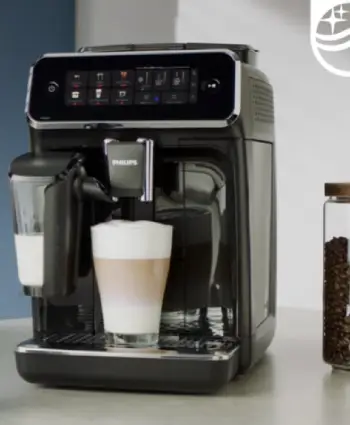
When I first got my hands on the 3300, it struck me as a machine designed for simplicity with a modern twist.
Here’s what stands out, based on my time using it:
- SilentBrew Technology: This reduces noise by about 40% compared to older models.
I love making coffee early in the morning without waking the house— the grinder hums quietly, and the brewing process is almost whisper-like.
- LatteGo Milk System: It’s a two-part carafe that mixes milk and air for froth without tubes, making it super easy to clean.
I just rinse it under the tap in seconds, and it’s ready for the fridge. In my tests, it produces silky foam for cappuccinos that’s consistent every time.
- Iced Coffee Option: One of my favorites for summer. It brews a concentrated shot over ice without diluting the flavor.
I’ve experimented with adding syrups, and it handles cold drinks better than many competitors.
- AquaClean Water Filter: This lets you brew up to 5,000 cups before descaling.
I found it reduces limescale buildup, keeping the machine running smoothly in hard-water areas like mine.
- Intuitive Color Display: Icons make it easy to select drinks and adjust strength or volume.
I customized my espresso to be shorter and stronger, and it remembers my settings for next time.
- Ceramic Grinder with 12 Levels: Adjusts from fine to coarse.
I prefer medium for balanced extraction, and it grinds fresh for each cup, preserving aroma.
Overall, the 3300 feels tailored for someone like me who wants quality without overwhelming options. It’s efficient, and the build quality holds up well after months of use.
Pros Of The Philips 3300
- Quiet Operation: That SilentBrew tech makes it my go-to for peaceful mornings; no loud grinding to startle anyone.
- Easy Cleaning: LatteGo rinses in seconds, and the filter means less descaling—I’ve gone months without deep cleans.
- Iced Coffee Mastery: Brews concentrated shots that taste fresh over ice; perfect for hot days when I crave cold caffeine.
- Compact Design: Fits anywhere, and the build feels solid without taking over the counter.
- Affordable Entry to Super-Autos: For the price, you get fresh-bean quality that rivals pricier brands.
Cons Of The Philips 3300
- Limited Drinks: Only six options can feel restrictive if you like variety; I sometimes miss extras like Americano.
- Fewer Profiles: Just two means readjusting for different users, which annoys in shared spaces.
- Basic Display: Icons work, but text would help for quick fixes.
- Grind Levels Cap: 12 is good, but more would allow finer tweaks for picky bean types.
Key Features Of The Philips 4300
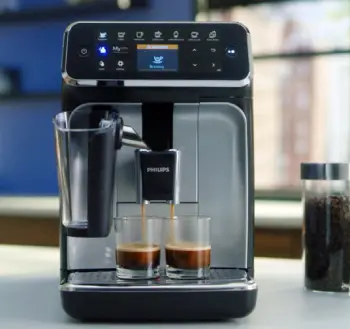
Switching to the 4300, I immediately felt the step up in versatility. It’s like the 3300’s big sibling with more bells and whistles.
Let me list out the highlights from my hands-on time:
- Expanded Drink Menu: Eight presets mean more choices, like Americano or Ristretto.
I enjoy the Café au Lait for a milder morning brew, and it opens up experimentation.
- QuickClean for LatteGo: This auto-rinses the milk system after use, which is a lifesaver.
I’ve forgotten to clean it manually before, but this feature prevents clogs and keeps things hygienic.
- More Grind Levels (Up to 15): Finer control over bean coarseness.
In my trials, this helped dial in perfect shots for different bean types—finer for espresso, coarser for regular coffee.
- Larger Touchscreen: The 4.3-inch display shows text prompts, making troubleshooting easier.
I appreciate how it guides you through maintenance, like when to empty the drip tray.
- Five Aroma Strengths: From mild to intense.
I switch to extra strong on busy days, and it delivers bolder flavors without bitterness.
- Up to Eight User Profiles: Great for households. I set one for my bold espresso and another for a lighter latte, so no readjusting every time.
- Durable Ceramic Components: Same as the 3300, but paired with the extra features, it feels more premium.
I’ve pushed it with back-to-back brews, and it stays consistent.
The 4300 appeals to me when I want to play around more, like hosting friends and offering varied drinks without extra effort.
Pros Of The Philips 4300
- Drink Versatility: Eight presets keep things exciting; I rotate through Ristretto and lattes without boredom.
- Advanced Customization: Five strengths and eight profiles make it personal; ideal for my varying moods.
- Auto Milk Clean: QuickClean saves time and hassle, keeping foam top-notch.
- Precise Grinding: Up to 15 levels let me optimize for any roast, leading to better-tasting cups.
- User-Friendly Screen: The touchscreen guides you, reducing errors in busy routines.
Cons Of The Philips 4300
- Slightly Noisier: Without SilentBrew, it’s audible during grinds, though not disruptive.
- Higher Learning Curve: More options can overwhelm at first; I took a day to master profiles.
- Similar Size, More Features: It’s great value, but if you don’t use extras, it might feel overkill.
- Occasional Prompts: Text display means more notifications, which can interrupt flow.
Design And Build Quality
Both machines share a similar footprint, which I love for my crowded counter.
They’re made with sturdy plastic exteriors that don’t feel cheap—I’ve bumped them around without issues.
The 3300 has a glossy black finish that looks sleek but shows fingerprints, while some 4300 variants have a matte option that’s easier to keep clean.
Internally, the removable brew group on both is a breeze to rinse weekly, keeping things hygienic.
I put them through paces with daily use, and neither overheats or leaks.
The bean hopper seals well to keep beans fresh, and the water tank pulls out from the front for easy refills. If you’re like me and hate complicated setups, both assemble in minutes.
Brewing Performance And Taste
This is where I get picky, as coffee taste is personal.
On the 3300, espressos come out with a nice crema layer—thick and golden. I use medium-roast beans, and it extracts balanced notes without sourness.
The iced coffee feature is a standout; it brews hot then cools over ice, retaining flavor better than manual methods I’ve tried.
The 4300 edges it out with more aroma options, letting me amp up intensity for stronger brews. Its Ristretto is punchier, ideal for a quick caffeine hit.
Milk drinks on both are creamy thanks to LatteGo, but the 4300’s auto-clean keeps foam consistent longer.
I’ve tasted side-by-side lattes, and the 4300’s feel a tad richer, perhaps due to better grind control.
Temperature is spot-on for both—hot but not scalding. If you grind too fine, shots can pull slow, but adjusting levels fixes that. Overall, neither disappoints, but the 4300 suits flavor tinkerers like me.
Milk Frothing Capabilities
The LatteGo system is why I stick with Philips.
It’s tubeless, so no milk residue builds up inside hoses. On the 3300, I fill the carafe with milk, attach it, and it froths automatically for cappuccinos.
The foam is velvety, holding up in the cup without deflating fast.
The 4300 does the same but with QuickClean, which shoots hot water through after use. This prevents sour milk smells, a issue I’ve had with other machines.
I alternate dairy and oat milk, and both handle non-dairy well without clumping. For hot chocolate hacks, I mix powder in the carafe—works great on either.
If you make multiple milk drinks daily, the 4300’s ease wins. But for occasional lattes, the 3300 is plenty.
Ease Of Use And Customization
I value machines that don’t require a manual every time. The 3300’s display uses pictures, so I pick drinks intuitively. Adjusting volume or strength takes seconds, and it saves basics.
The 4300’s screen is larger, showing words like “Add Beans,” which helps beginners. With more profiles, I set one for decaf evenings. Both let you bypass the grinder for pre-ground coffee, handy for guests.
In my routine, the 4300 feels more forgiving for multi-user homes, but the 3300 is quicker for solo brewing.
Maintenance And Cleaning
Nobody likes cleaning, but these make it painless. Daily, I empty the drip tray and rinse LatteGo—takes under a minute.
Weekly, the brew group comes out for a wash.
The AquaClean filter on both delays descaling, and prompts remind you. The 4300’s auto-rinse for milk is a plus; I’ve skipped manual cleans without issues. Both are dishwasher-safe for parts, saving effort.
From my long-term use, they stay fresh with minimal work, unlike pod machines that gunk up.
Price, Value, And Who Should Buy Which?
At around $700-800 for the 3300 and $600-700 for the 4300, value depends on needs. The 3300 gives great bang for quieter, iced-focused brewing. If you want more drinks and profiles, the 4300 offers better long-term satisfaction.
I see the 3300 for singles or couples, the 4300 for families. Both beat cafe runs cost-wise after a few months.
Frequently Asked Questions (FAQ)
Yes, it’s reliable for daily use with easy operation and solid espresso quality.
From user discussions, the 4300 offers more drink options, better display, and QuickClean compared to the 3200’s simpler setup.
Absolutely, if you want affordable fresh-bean coffee without extras; it delivers consistent results.
It handles espresso, coffee, cappuccino, latte macchiato, Americano, café au lait, ristretto, and hot water.
Wrapping Up
I’ve shared my hands-on thoughts on the Philips 3300 and 4300 to guide your choice.
If you’re after quiet simplicity with iced perks, go for the 3300—it’s been a reliable companion in my kitchen. But if variety and family-friendly features call to you, the 4300 will keep things fresh.
Whichever you pick, you’ll enjoy better coffee at home. What do you think—ready to upgrade your mornings?
Recent Posts
● Interactive 5-Zone Interior & Exterior Paint Blueprint Paint Coverage Calculator: Gallons, Primer, Square Footage & Cost Tap any architectural surface zone on the blueprint...
If you want smooth, shiny hair without spending a fortune on a premium styling tool, the Ella Bella hair dryer may be worth considering.In these Ella Bella hair dryer reviews, I’ll look...