
If your gums bleed too easily, your teeth never feel truly clean after brushing, or you’re simply fed up with manual brushing that leaves plaque behind and your dentist sighing at every checkup, you should upgrade to the Philips Sonicare 5300 right now. This mid-range sonic toothbrush combines powerful yet gentle cleaning, smart pressure sensing, multiple brushing modes, long battery life, and real improvements in gum health and whiteness—once you feel that deep, effortless clean and see healthier gums and brighter teeth in just a few weeks, you’ll never want to go back to ordinary brushing.
My Experience With Philips Sonicare 5300
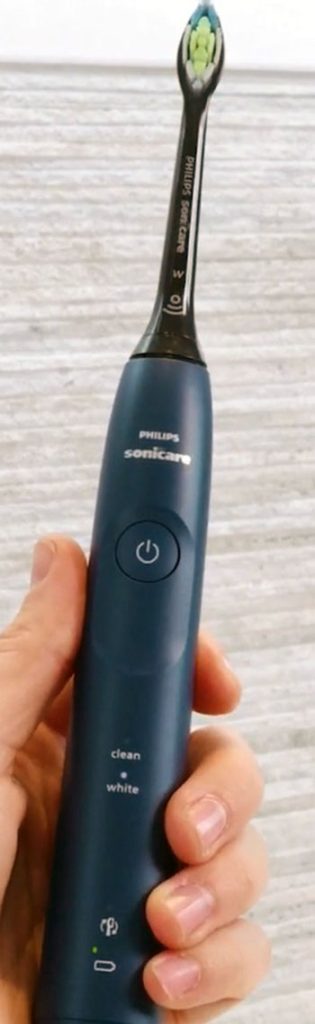
I switched to the Philips Sonicare 5300 about 18 months ago after a dental appointment turned into a wake-up call. My dentist pointed out early gum inflammation, persistent plaque buildup despite daily brushing, and some minor recession starting around my lower front teeth.
I’d been using a manual brush my whole life and a cheap electric one for the past year that felt weak and died after eight months. The dentist recommended sonic technology—specifically Philips Sonicare—for better plaque removal and gentler gum care.
I researched models and chose the 5300 because it had a pressure sensor (to stop me from scrubbing too hard), multiple modes, good battery life, and a price that didn’t feel like a luxury splurge.
The box arrived with the handle, charging stand, one C2 Optimal Plaque Control brush head, a compact travel case, and clear instructions.
Assembly took seconds: snap the head on, plug in the stand, and charge for 24 hours (the first full charge is longest). The handle feels premium—matte finish, ergonomic grip, surprisingly light despite the power inside.
The first brush was eye-opening: 62,000 brush strokes per minute created a fluid-like sensation around teeth and gums—no harsh scrubbing needed. The pressure sensor light ring turned green when I used the right pressure, orange when I pressed too hard (which I did constantly at first), and red when I was way overdoing it. It retrained me in real time to lighten up.
I began with Clean mode and quickly added Sensitive for mornings when gums felt tender. White+ mode noticeably reduced surface stains from coffee and tea after three weeks—my teeth looked brighter without any whitening strips or treatments.
Gum Health mode gently massages gums; bleeding stopped completely after about six weeks of consistent use. My dentist confirmed healthier gums and less plaque at my next visit—the cleaning took half the usual time because there was so much less to scrape off.
Battery life has been outstanding. A full charge lasts 14–21 days with twice-daily brushing and always-on display—I often go three weeks without charging. The brush head replacement reminder blinks every three months; I’ve followed it religiously and noticed cleaning stays effective.
The travel case is slim and USB-chargeable—perfect for trips. I also use the app occasionally to track brushing time and coverage; it’s not essential but motivating to see 100% quadrant scores after good sessions.
Over 18 months and daily use, the 5300 has been rock-solid. No motor issues, no charging failures, no bristle splay beyond normal wear. My gums are pinker, firmer, and no longer bleed during brushing or flossing. Teeth feel smoother, look whiter, and my dentist appointments are noticeably shorter and easier.
The only small annoyances: replacement heads cost $8–12 each (adds up over time), and the handle feels slightly thick if you have very small hands. But those are minor compared to the oral-health upgrade—brushing now feels effective and enjoyable instead of tedious and pointless.
Also Read: My thoughts on Clinique Black Honey Lipstick
Pros Of Philips Sonicare 5300
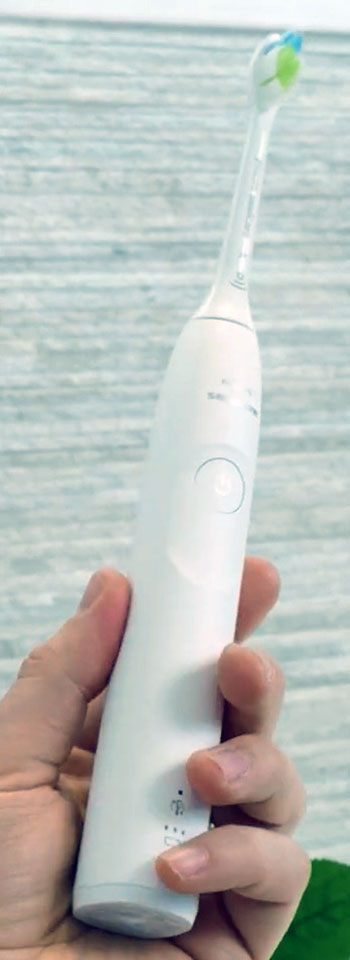
- Powerful Yet Gentle Sonic Cleaning Technology: The 62,000 brush strokes per minute create fluid dynamics that clean between teeth and along the gumline far more effectively than manual brushing.
Plaque removal is noticeably superior—teeth feel smoother and cleaner after every session, and my dentist has consistently commented on reduced buildup and healthier gums at every checkup.
The sonic action reaches areas manual brushes miss, especially around braces, crowns, or tight spaces. - Smart Pressure Sensor Protects Gums From Over-Brushing: The sensor lights up green for correct pressure, orange for too much, and red for excessive force, while reducing power if you push too hard.
This feature alone trained me to brush lighter and more evenly, significantly improving gum health, preventing recession, and reducing bleeding over time—especially valuable for people who naturally brush aggressively. - Multiple Modes For Personalized Brushing Needs: Clean (standard deep clean), White+ (polishing for stain reduction), Gum Health (gentle massage to stimulate and strengthen gums), and Sensitive options let you tailor the experience.
White+ mode visibly reduced coffee/tea stains after three weeks; Gum Health mode improved my gum condition within weeks—real, noticeable results. - Excellent Battery Life And Fast Charging: A full charge lasts 14–21 days with twice-daily use and always-on display—rarely need to charge more than once a month.Charges from empty to full in about 24 hours—convenient and reliable for travel or forgetful charging habits.
- Comfortable, Ergonomic Handle Design: Lightweight, well-balanced, and rubberized grip feels secure even with wet hands—no slipping, no fatigue during full 2-minute sessions. The angled neck reaches back teeth easily, making thorough cleaning simple.
- Brush Head Replacement Reminder Keeps Performance Optimal: Built-in timer blinks every three months—keeps you on track for replacing heads (old heads lose effectiveness fast). Reminder is subtle but effective—ensures consistent cleaning power over years.
- Travel-Friendly With Compact, USB-Chargeable Case: The included case is slim, protective, and charges via USB—perfect for trips; brush stays clean and powered on the go. Fits easily in carry-on luggage.
- Proven Long-Term Reliability: After 18+ months of daily use, motor is still strong, no glitches, no charging issues—solid build quality from Philips. Many users report 3–5+ years of heavy use with minimal problems.
Cons Of Philips Sonicare 5300
- Replacement Brush Heads Are Expensive: Official C2 Optimal Plaque, W2 Whitening, and other heads cost $8–12 each—adds up if you follow the 3-month replacement schedule. Generic heads are cheaper but can fit less securely or wear faster.
- No Built-In Display Or Advanced App Connectivity: Unlike higher-end Sonicare models (DiamondClean, Prestige), there’s no screen showing brushing time/quadrants in real time or detailed app tracking—relies on 2-minute timer vibration and quadrant pacer pulses.
- Handle Feels Slightly Thick For Small Hands: The handle is comfortable for most but thicker than slimmer brushes (Oral-B iO series, some Philips higher-end models)—not a problem for average hands but noticeable if you have very small hands.
- No UV Sanitizer Or Advanced Charging Case: Basic travel case charges via USB but doesn’t sanitize brush heads—higher models include UV cases for extra hygiene.
- Slight Learning Curve For Technique: The sonic motion requires less pressure and a lighter touch than manual brushing—takes a week or two to adjust if you’re used to scrubbing hard. Pressure sensor helps, but the transition can feel strange at first.
Maintenance Tips For Philips Sonicare 5300
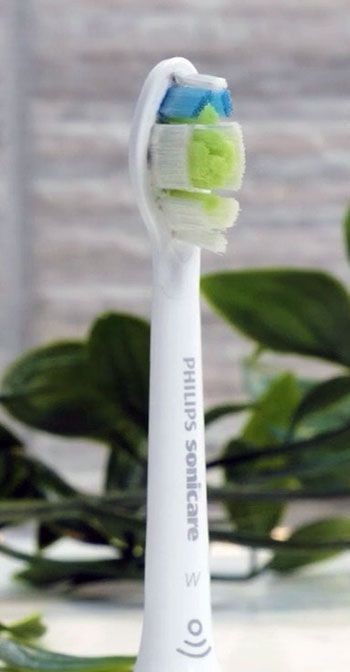
- Replace Brush Head Every 3 Months: The built-in reminder blinks when it’s time—swap to a fresh head (C2 Optimal Plaque, W2 Whitening, etc.) to maintain cleaning effectiveness. Old heads lose bristle firmness and can harbor bacteria—regular replacement keeps performance optimal.
- Rinse Head And Handle After Every Use: Run the brush head under water while it’s running to flush out toothpaste residue—wipe the handle with a damp cloth to remove splatter. Prevents buildup and keeps the unit hygienic.
- Clean Charger Base Weekly: Wipe the charging stand with a dry or slightly damp cloth—remove any toothpaste splatter or dust that can interfere with charging contact.
- Deep-Clean Brush Head Monthly: Soak the head in a 1:1 white vinegar/water mix for 15–20 minutes, then rinse thoroughly—removes mineral buildup and keeps bristles fresh.
- Store Upright And Ventilated: Keep the handle upright on the charger or in a dry holder—allows water to drain from the head and prevents moisture buildup inside the handle.
- Avoid Submerging The Handle: Never fully submerge the handle in water—it’s water-resistant but not waterproof. Rinse only the head area.
- Check Battery Life Every 6 Months: If runtime drops noticeably (from 14+ days to under a week), the battery may need replacement (Philips offers service)—most units last 3–5 years.
- Use Only Genuine Or Compatible Heads: Third-party heads can fit but may not perform as well or could damage the drive mechanism—stick to Philips C-series for best results.
Comparison With Other Brands
Versus Oral-B iO Series: Oral-B iO models use oscillating-rotating technology with magnetic drive for deep cleaning and app connectivity with real-time feedback. Philips Sonicare 5300 uses sonic vibration for gentler, more fluid cleaning with better gum care and longer battery life—Oral-B iO wins for plaque removal intensity; Sonicare 5300 for comfort, quiet operation, and gum health.
Versus Philips Sonicare ProtectiveClean 4100/5100: ProtectiveClean series is more affordable with fewer modes and no pressure sensor on base models. Sonicare 5300 adds pressure sensing, extra modes (Gum Health, White+), and better overall features—worth the step-up for better gum protection and whitening results.
Versus Quip Electric Toothbrush: Quip is minimalist, stylish, and subscription-based with basic vibration. Sonicare 5300 delivers far superior cleaning power, multiple modes, pressure feedback, and longer battery—Quip is better for travel or ultra-simple use; Sonicare 5300 for serious oral health improvement.
Versus Burst Sonic Toothbrush: Burst offers affordable sonic brushing with charcoal-infused bristles. Sonicare 5300 has better build quality, pressure sensor, more modes, and proven clinical results—Burst wins on price; Sonicare 5300 on performance and durability.
Versus Colgate Hum: Colgate Hum is budget-friendly with app integration and basic sonic action. Sonicare 5300 provides stronger motor, better pressure sensing, and superior gum care—Colgate Hum is good for beginners on a budget; Sonicare 5300 for noticeable oral health upgrades.
Read More: My Experience with Ordinary Squalane Cleanser
Frequently Asked Questions (FAQ)
The 5300 adds a pressure sensor, Gum Health mode, and White+ mode compared to the 5100. Both have similar cleaning power and battery life; the 5300 is worth the extra cost for better gum care and whitening features.
The Sonicare 5300 is one of the best mid-range options—great balance of features (pressure sensor, multiple modes, long battery) and price. The 6100 adds more brushing modes and app features; DiamondClean or Prestige are premium but overkill for most users.
Yes—it is fully waterproof (IPX7 rated). You can rinse the entire handle under running water and even use it in the shower safely.
The 6100 is better if you want more brushing modes, app connectivity, and a travel case with USB charging. The 5300 is almost as good for less money—choose 5300 unless you need the extra features.
Conclusion
After more than a year of daily use, the Philips Sonicare 5300 is still my go-to toothbrush. If you want noticeably cleaner teeth, healthier gums, and a brushing experience that feels effective instead of tedious, get one—you’ll see and feel the difference in weeks. Your smile and your dentist will thank you for finally making the switch to real sonic cleaning power.
Recent Posts
● Interactive 5-Zone Interior & Exterior Paint Blueprint Paint Coverage Calculator: Gallons, Primer, Square Footage & Cost Tap any architectural surface zone on the blueprint...
If you want smooth, shiny hair without spending a fortune on a premium styling tool, the Ella Bella hair dryer may be worth considering.In these Ella Bella hair dryer reviews, I’ll look...