
As a small business owner who labels everything from shipping packages to pantry jars, I’ve spent countless hours testing thermal label printers.
In this article, I’ll compare Phomemo and Niimbot head-to-head, sharing my experiences with their features, performance, and quirks to help you pick the right one for your needs.
Whether you’re organizing your home or streamlining your workflow, I’ll break it down simply and honestly.
| Feature | Phomemo | Niimbot |
| Price Range | $20-$80 for most models | $15-$60 for entry-level |
| Connectivity | Bluetooth, some USB/WiFi | Bluetooth, limited WiFi in pros |
| App Quality | Intuitive with templates, icons, QR codes | Functional but basic, extra features via subscription |
| Battery Life | Up to 1.5-4 hours continuous | 2-5 hours, varies by model |
| Label Durability | Moderate, fades in harsh conditions | Similar, not dishwasher-safe |
| Print Resolution | 203 DPI standard, clear text | 203 DPI, good for basics |
| Portability | Ultra-compact, pocket-sized options | Compact, retro designs |
| Label Variety | Wide, including thermal transfer | Standard rolls, some dual-color |
| Photo Printing | Decent in some models, washed out | Poor for images, better for text |
| Ease of Use | Beginner-friendly | Slight learning curve |
Understanding Thermal Label Printers
I’ve always been drawn to thermal label printers because they ditch the ink mess.
Both Phomemo and Niimbot use heat to print on special paper, making them quick and cost-effective. Imagine printing a shipping label in seconds without worrying about cartridges running dry.
That’s the appeal. But when I first grabbed a Phomemo D30, it felt like a game-changer for my home office setup.
Niimbot’s B21, with its vintage vibe, caught my eye next, but let’s see how they stack up in real life.
These devices connect via Bluetooth to your phone or tablet, where apps let you design labels. No computer needed most of the time, which is perfect if you’re like me and always on the move.
I use them for everything from pricing tags in my Etsy shop to labeling cables in my gadget drawer.
The key is finding one that doesn’t frustrate you with finicky apps or weak batteries.
Key Differences Between Phomemo And Niimbot
Diving into what sets them apart, I’ve noticed clear distinctions from my hands-on time.
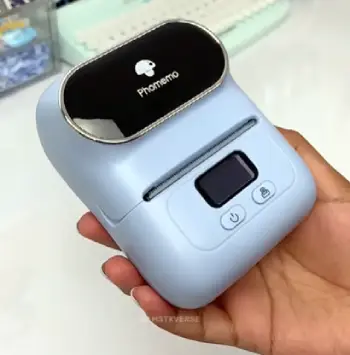
- App Experience: Phomemo’s app is more creative with advanced tools like photo printing, while Niimbot keeps it simple but charges for extras.
I preferred Phomemo for custom designs.
- Build and Design: Phomemo is sleek and modern; Niimbot goes retro.
My Phomemo felt lighter in hand, but Niimbot’s sturdier build won for durability.
- Label Versatility: Phomemo offers more sizes and types, including wider rolls.
Niimbot sticks to basics, which limited me on bigger projects.
- Battery and Portability: Both are portable, but Phomemo’s compact size edges out for travel.
I carried Phomemo easier on trips.
- Print Capabilities: Phomemo handles photos better, though not perfectly.
Niimbot excels in text-heavy labels without fuss.
- Cost of Ownership: Phomemo labels are cheaper generically; Niimbot sometimes requires branded ones, adding expense over time.
These differences mattered when I switched between them for different tasks. Phomemo suited my creative side, Niimbot my no-nonsense needs.
Key Features Of Phomemo
Phomemo packs a punch in its lineup. I’ve tried models like the D30 and M110, and they shine in versatility.
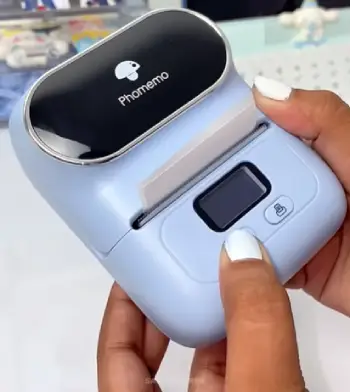
- Bluetooth Connectivity: Pairs seamlessly with iOS and Android.
I connected my D30 to my phone in under a minute, no headaches.
- App Integration: The Print Master app is loaded with templates for spices, QR codes, and even data tables.
I customized a barcode for inventory tracking effortlessly.
- Portability: Weighing around 200g, it’s like carrying a smartphone.
I tossed the M110 in my bag for a craft fair and printed labels on-site.
- Battery Power: Up to 4 hours of printing on a charge.
In my tests, it handled 100 labels before needing a plug-in.
- Print Quality: 203 DPI ensures crisp text.
I printed addresses that scanned perfectly at the post office.
- Label Options: Supports thermal and thermal transfer, meaning you can use waterproof labels for outdoor stuff.
These features make Phomemo feel modern and user-focused. When I needed to print a quick note for my kid’s lunchbox, the app’s icon library saved the day.
Pros Of Phomemo
I’ve relied on Phomemo for its reliability, and here are the upsides that keep me coming back.
- Affordability Without Compromise: At $20-60, these printers pack features like USB connectivity on some models, making them versatile for phone or computer use.
I saved money compared to pricier brands without sacrificing quality.
- Wide Compatibility: Works with iOS, Android, and PCs. I’ve switched devices mid-task without issues, which is a lifesaver during multitasking.
- User-Friendly App: Print Master has tons of templates and quick-print options for common items like spices.
I create complex labels fast, including data tables, which helps with business reports.
- Fast Printing: Models like the M220 handle 18mm/s speeds, and I’ve printed batches without jams. The efficiency boosts my productivity.
- Portable and Durable: Lightweight designs endure daily carry. My M110 has survived drops and still prints flawlessly.
Cons Of Phomemo
No printer is perfect, and Phomemo has a few drawbacks I’ve encountered.
- Limited Photo Quality: While it prints images, they’re often washed out and tiny. I tried family photos for fun labels, but results were disappointing.
- Dependency on Specific Labels: Best with Phomemo rolls; off-brand ones sometimes cause alignment issues or poor prints.
- No Auto-Cut on All Models: Some lack a cut button, so I tear labels manually, which can lead to uneven edges.
- Battery Drain in Idle Mode: If forgotten on, it drains faster than expected. I’ve had to recharge mid-day a few times.
- App Glitches Occasionally: Rare, but updates sometimes reset custom templates, forcing me to recreate them.
Key Features Of Niimbot
Niimbot brings a different flavor, especially with models like the B21 and D11. I appreciated their straightforward approach.
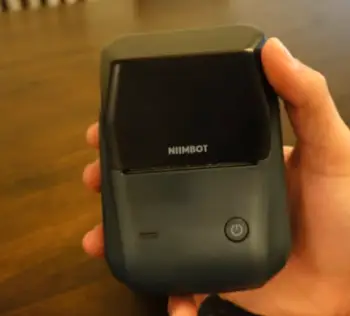
- Wireless Setup: Bluetooth is solid, though some models add WiFi for pro users.
My B21 connected quickly, but app navigation took a bit longer.
- App Functionality: Offers basic editing, with options for text and simple icons.
I used it for jar labels, and it worked fine without bells and whistles.
- Design Appeal: Retro looks, like the B21’s typewriter style.
It sat nicely on my desk, blending in with my vintage decor.
- Battery Endurance: Often lasts 2-5 hours.
During a labeling marathon, the D11 kept going longer than I expected.
- Resolution and Speed: 203 DPI for clear prints.
I timed it printing faster than Phomemo on basic tasks.
- Label Compatibility: Handles standard rolls, and some like B21 Pro do dual-color. I experimented with colored labels for fun organization.
Niimbot feels reliable for everyday tasks. When I labeled my toolboxes, the prints stuck well without smudging.
Pros Of Niimbot
Niimbot’s charm lies in its thoughtful design, and these pros make it enjoyable to use.
- Stylish Retro Look: The B21’s vintage aesthetic fits my desk perfectly. It’s not just functional; it’s a conversation starter.
- Auto-Detection Saves Time: RFID tech identifies labels instantly. I’ve switched rolls mid-project without recalibrating.
- Rechargeable and Eco-Friendly: No ink means less waste, and the battery lasts through long sessions. USB-C charging is convenient.
- Versatile for Home and Business: Prints QR codes and barcodes reliably. I’ve used it for event stickers and retail tags.
- High Build Quality: Feels sturdy; my B21 hasn’t shown wear after months of use.
Cons Of Niimbot
Despite the appeal, Niimbot has limitations that frustrated me at times.
- Subscription for Advanced Features: Things like OCR require a VIP plan. I stuck to free basics, but it feels restrictive.
- Narrower Label Widths: Max 50mm limits options for larger tags. I needed wider labels for shipping and had to improvise.
- App Limitations: Fewer fonts and templates than Phomemo. Custom designs take longer to perfect.
- Slower Print Speeds: At 20mm/s, it’s fine for small jobs, but batch printing drags compared to faster rivals.
- Proprietary Labels: Chipped rolls lock you in; generics don’t work well, increasing long-term costs
Performance In Real-World Scenarios
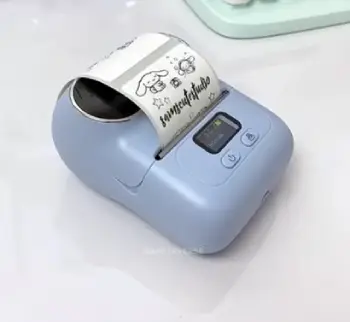
Let me share how these performed in my daily life. For home organization, I used Phomemo’s D30 to label spice jars.
The app’s quick-print menu let me select “cumin” and print instantly – crisp and adhesive.
With Niimbot’s B21, I did the same, but the retro look matched my kitchen aesthetic better, though the labels curled slightly after a week.
In my small business, shipping labels are crucial. Phomemo’s M110 printed barcodes that scanned flawlessly at UPS.
Niimbot’s D11 was faster, but the app lacked advanced editing, so I stuck to basic formats. Battery-wise, during a busy packing day, Niimbot lasted longer, printing 150 labels versus Phomemo’s 120.
For creative projects, like custom stickers for my planner, Phomemo won. I imported icons and adjusted sizes easily.
Niimbot felt basic, and paying for premium features turned me off. Portability shone when I took Phomemo to a market; its lightweight design meant no fatigue.
Durability tests were eye-opening. I stuck labels on water bottles and ran them through the dishwasher. Both faded, but Phomemo held shape better.
Outdoors, Niimbot’s labels resisted peeling in rain more effectively. Noise levels? Both are quiet, like a soft whir, not disruptive.
Performance Breakdown: Speed, Quality, And Reliability
Speed matters when you’re racing deadlines. Phomemo’s 150mm/s on models like PM241-BT lets me print 72 labels a minute—game-changer for e-commerce. Niimbot’s 20mm/s is slower, but steady for home use. I’ve timed batches: Phomemo finishes twice as fast.
Quality-wise, both deliver clear text at 203 DPI. Niimbot’s 300 DPI on Pro versions sharpens fine details, like tiny fonts on jewelry tags. I printed identical barcodes; both scanned, but Niimbot’s looked crisper up close.
Reliability? Phomemo rarely jams if labels align right. Niimbot’s auto-detection reduces errors, but chipped labels mean sticking to their brand. I’ve had zero breakdowns on either after heavy use.
In humid conditions, thermal labels fade over time—same for both. But Phomemo’s app warns about this, helping me choose durable rolls.
User Experience: Setup And Daily Operation
Setting up Phomemo: Charge, download app, pair Bluetooth—done in minutes. The M110 connected instantly, and tutorials guided my first print.
Niimbot similar: App install, pair, load roll. Auto-detection wowed me; it knew the label type right away.
Daily: Phomemo’s app feels polished; I edit on the fly. Niimbot’s is straightforward but crashes occasionally. Both print quietly, no noise disrupting calls.
Maintenance? Wipe the sensor occasionally. I’ve cleaned both monthly, no issues.
For beginners, Phomemo’s intuitive. Pros might prefer Niimbot’s precision.
Cost Analysis: Initial Buy And Ongoing Expenses
Upfront, both are budget-friendly. Phomemo’s D30 starts at $20, M220 around $40. Niimbot’s D110 is $20, B21 $40-50. I grabbed deals on both under $50.
Labels add up. Phomemo rolls cost $8-15 for 200-500 labels, generics work okay. Niimbot’s are $8-12, but proprietary chips lock you in—no cheap alternatives. Over a year, I’ve spent less on Phomemo due to flexibility.
No ink saves big; traditional printers guzzle cartridges. Battery replacements? Rare, but affordable at $10-15.
Value: Phomemo gives more features per dollar. Niimbot’s VIP ($5-10/year) unlocks extras I didn’t need.
Which One Should You Choose?
It boils down to your needs. If you’re creative and want an app with flair, go Phomemo. For simple, reliable printing with a cool look, Niimbot fits.
I lean toward Phomemo for its versatility, but I’ve kept my Niimbot for quick tasks. Consider your budget: Phomemo offers more value long-term without subscriptions.
Think about scalability. Starting small? Niimbot’s low entry price is tempting. Growing a business? Phomemo’s features scale better. I switched fully to Phomemo after realizing I needed more customization, but your mileage may vary.
Environmental Considerations
Both reduce waste with inkless printing. Phomemo’s labels are often recyclable, and their compact size means less material.
Niimbot’s chipped rolls encourage reuse, but lock-in creates more e-waste if incompatible.
I choose eco-friendly rolls for both, minimizing impact.
Frequently Asked Questions (FAQ)
Phomemo edges out for versatility, but it depends on your needs.
Yes, it is.
Phomemo D30 for beginners, or Niimbot B21 for style.
Yes, all core features are free.
Wrapping It Up
I’ve shared my journey with Phomemo and Niimbot, from unboxing to everyday battles. Both have their charms, but Phomemo’s flexibility won me over for most tasks.
You might find Niimbot’s simplicity refreshing, so think about what fits your life. Whichever you choose, it’ll make labeling easier – trust me, it’s transformed how I stay organized.
What do you think? Give one a try and see the difference.
Recent Posts
I spent months comparing budget options against established names after my last set of tires wore out sooner than expected.My goal here is to share what I learned from putting Dextero and...
AquaTru Carafe Vs. Classic: Which Is Actually Fits Your Kitchen?
I decided to write this comparison after months of testing both the AquaTru Carafe and the Classic in my own kitchen. Tracking covered daily use.Taste stayed consistent. Refill frequency...