
I set out to compare Phonak and Jabra hearing aids from a real-user perspective so you can decide which fits your hearing loss, lifestyle, and budget.
My goal is to break down their technology, daily performance, support models, and trade-offs in plain language so you walk away knowing exactly where each brand shines and where it falls short.
| Factor | Phonak | Jabra Enhance |
| Hearing Loss Range | Mild to profound | Mild to moderate (Pro models up to moderate-severe) |
| Purchase Model | Prescription, professional fitting | Mostly OTC/self-fit or Costco Pro |
| Sound Processing | AutoSense OS + dedicated AI chip (Sphere) | SoundScape / directional mics + adaptive AI |
| Battery Life | Up to 56 hours claimed (real-world ~24-30+) | 24-30 hours typical |
| Connectivity | Universal Bluetooth, multi-device, Roger | Bluetooth LE, Auracast on higher models |
| Styles | RIC, BTE, custom ITE/CIC/IIC, Lyric | Mostly RIC / mini-RIC |
| Support | In-clinic + remote via provider | Remote audiology (3 years on many packages) |
| Price Range (pair) | Higher premium ($2,000–$6,000+) | More accessible ($1,200–$2,000 OTC) |
| Water Resistance | IP68 + waterproof options | IP68 |
Understanding The Two Brands From My Perspective
When I first started looking at hearing aids, the names Phonak and Jabra kept coming up for different reasons.
Phonak has been in the medical hearing space for decades under the Sonova group. It builds devices meant for clinical fitting and a wide range of loss levels.
Jabra, part of the GN Group that also owns ReSound, entered the hearing market with a more consumer-friendly approach.
Their Enhance line feels closer to modern earbuds in design and buying experience while still delivering medical-grade amplification for milder losses.
I approached both as someone who needs clear speech in restaurants, reliable streaming for calls and podcasts, something comfortable enough to wear all day without constant fiddling. That real-world filter shaped every comparison I made.
Key Differences Between Phonak And Jabra
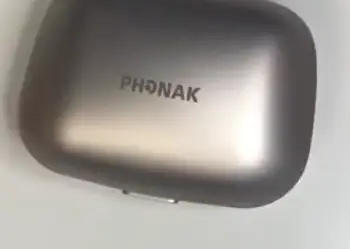
- Hearing loss coverage: Phonak handles mild through profound levels with enough power. Jabra focuses mainly on mild to moderate loss.
Greater degrees of loss push users toward the clinical brand.
- Fitting approach: Phonak begins with in-person evaluation by a provider. Jabra favors self-setup with optional remote care.
Clinic visits remain optional for the consumer path.
- Noise performance: Phonak Sphere AI maintains clearer speech in complex rooms. Jabra works well in daily noise yet reaches limits sooner.
Extreme multi-talker settings favor the dual-chip system.
- Cost structure: Jabra offers lower entry prices through OTC paths. Phonak requires higher investment for clinical features.
Budget flexibility differs strongly between the two routes.
- Form-factor range: Phonak includes custom molds and power options for varied needs. Jabra stays with RIC styles for milder needs.
Discretion levels change based on the chosen form.
- Connectivity depth: Phonak provides multi-device pairing plus Roger support. Jabra delivers solid LE Audio with a simple charging case.
Accessory ecosystems expand further on the clinical side.
- Warranty flexibility: Jabra packages often list fixed multi-year terms upfront. Phonak coverage varies by the chosen provider.
Confirmation of exact terms becomes necessary before buying.
- Setup speed: Jabra allows home activation within days of delivery. Phonak requires scheduled clinical appointments first.
Time to first use differs by several weeks in many cases.
Key Features Of Phonak Hearing Aids
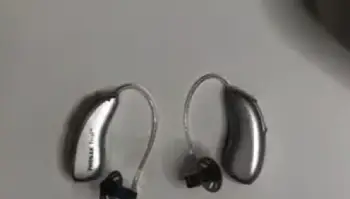
- Advanced automatic environment detection: AutoSense OS samples the soundscape every few seconds.
It blends programs for smooth shifts from quiet talk to busy streets. Manual changes become rare during normal days.
- Dedicated AI speech processing: Flagship Sphere models use a second chip focused on voices.
It separates speech from noise in loud rooms with better clarity. Listening effort stays lower during long social events.
- Universal Bluetooth pairing: Devices connect to phone and tablet at the same time. Hands-free calling works on both iOS and Android systems.
Switching between sources happens without dropped connections.
- Broad style options: Choices include receiver-in-canal models for daily wear. Power behind-the-ear units handle greater loss.
Custom completely-in-canal shells offer maximum discretion when needed.
- Accessory ecosystem: Roger microphones extend reach in large meetings. TV connectors deliver clear audio from across the room.
Extra tools integrate directly into the same system.
- Professional programming: A licensed provider tunes devices to the exact audiogram. Remote adjustments remain possible later through the clinic.
Settings match personal thresholds with high precision.
- Tinnitus management tools: Built-in sound programs offer relief during quiet periods. Levels adjust for personal comfort.
Users control the mix without leaving the main app.
- Quick-charge capability: Short charging sessions restore usable power fast. Heavy users regain several hours of runtime in under thirty minutes.
Overnight full charges support extended schedules.
Pros Of Phonak Hearing Aids
- Superior noise clarity: Dual-chip processing isolates speech effectively in busy places. Listening effort drops during long evenings out. Voices remain understandable even when background sound rises.
- Full-range coverage: Devices scale from mild to profound loss without brand switches. The same family supports progressive changes over years. Long-term planning becomes simpler for users.
- Strong connectivity: Universal Bluetooth handles multiple devices at once. Accessory options reduce workarounds in group settings. Phone and media streaming stay reliable across platforms.
- Clinical precision: Professional tuning matches exact thresholds from the audiogram. Tinnitus or single-sided needs receive proper attention. Settings reflect measured hearing rather than general presets.
- Durable build: IP68 ratings protect against moisture during daily wear. Active-lifestyle models resist sweat and light rain. Longevity supports regular outdoor movement.
- Longer potential runtime: Claimed battery figures support extended use without midday charges. Heavy streamers gain extra hours on a full charge. Travel days require fewer power stops.
- Custom shell comfort: Molded options seal tightly for severe loss cases. Feedback control improves with precise fit. All-day wear becomes more stable for higher power needs.
Cons Of Phonak Hearing Aids
- Higher cost: Premium technology raises the total price significantly. Insurance help varies by plan. Medicare rarely covers the devices themselves for most users.
- Provider dependence: Fittings require scheduled visits at clinics. Follow-ups move slower than pure online options. Appointment availability can delay adjustments.
- Larger flagship size: Extra processing hardware adds bulk to some models. Sphere units appear more visible behind the ear. Discretion decreases compared with smaller competitors.
- Feature complexity: The app offers many controls and programs. New users need time to settle into routines. Initial learning curve feels steeper for first-time owners.
- Variable warranty terms: Coverage length depends on the clinic or package. Users must confirm details before purchase. Standard protection is less uniform than consumer brands.
- Accessory extra cost: Roger microphones improve performance in hard rooms. They add separate expense beyond the base devices. Total system price rises with each added tool.
Key Features Of Jabra Hearing Aids
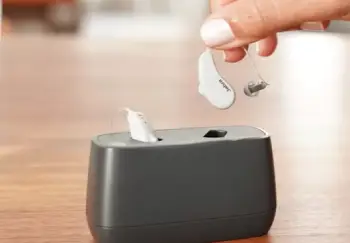
- Consumer-style design: Enhance Select models sit lightly behind the ear.
They resemble premium earbuds more than traditional medical devices.
Daily wear feels natural after short adaptation.
- Self-fitting support: An online hearing test guides the first setup.
Higher packages add three years of remote audiologist access.
Adjustments happen from home without clinic trips.
- Everyday noise handling: SoundScape with directional microphones keeps speech forward.
Focus modes help in moderate restaurant noise.
Clarity improves over unaided hearing in common settings.
- Reliable battery performance: Units deliver twenty-four to thirty hours per charge. The portable case holds extra power for multi-day trips.
Runtime covers full workdays with streaming included.
- Modern wireless features: Bluetooth streaming works on major phone platforms. Newer models support Auracast for future public audio.
Connections stay stable during calls and media use.
- Clear trial terms: Online prices stay transparent from the start. Many packages include a one-hundred-day return window.
Three-year warranty coverage adds purchase confidence.
- IP68 water resistance: Devices resist dust and light water exposure. Daily wear stays protected from sweat or unexpected rain.
Outdoor activities continue with fewer worries.
- App-based volume controls: Simple sliders adjust loudness instantly. Users change programs without clinic visits.
The interface remains straightforward for quick daily changes.
Pros Of Jabra Hearing Aids
- Lower entry barrier: Transparent pricing reduces financial risk at purchase. Long trials allow real testing at home. Return options lower the fear of mismatch.
- Discreet modern look: Lightweight build stays unnoticed during daily wear. Friends rarely spot the devices in conversation. Appearance feels closer to consumer audio products.
- Convenient remote care: Audiologist access runs through the app for three years. Most tweaks happen on personal schedules. Clinic visits become optional for many adjustments.
- Solid daily results: Directional processing covers work and social time effectively. Battery life supports full days without stress. Clarity improves over unaided hearing in common settings.
- Future wireless readiness: Bluetooth LE enables current streaming on major phones. Auracast prepares for public systems in coming years. Connectivity stays current with new standards.
- Fast home activation: Online ordering skips clinic waits entirely. Devices arrive ready for self-setup within days. First use happens faster than clinical routes.
- Included charging case: Portable power banks travel easily in bags. Multi-day trips need fewer wall outlets. Extra charges keep devices running away from home.
Cons Of Jabra Hearing Aids
- Limited gain ceiling: Amplification stops at moderate loss levels. Steeper losses require a brand switch later. Progressive hearing changes outgrow the devices.
- Noise limits: Directional tools help in daily settings. Extreme multi-talker rooms expose the performance ceiling. Speech clarity drops faster than dual-chip systems.
- App reliance: Full control needs a compatible smartphone. Users without phone comfort face restrictions. Core adjustments stay locked behind the app interface.
- Style limits: Core lineup skips custom molds for in-ear fit. Power behind-the-ear choices remain unavailable. Options stay narrow for severe or highly discreet needs.
- Streaming variation: Media quality stays acceptable for calls and podcasts. Independent tests place it below top prescription levels. Music detail can feel thinner in dense tracks.
- No telecoil option: Public loop systems stay unsupported on most models. Some venues become harder to access. Loop-equipped theaters or churches require alternatives.
- Dome adjustment challenges: Small parts demand fine motor skill for changes. Users with arthritis may struggle during maintenance. Replacement tips need careful handling.
Real-World Daily Use: What I Noticed?
- Quiet room performance: Both brands deliver clear natural amplification at home. Soft voices stay easy to follow across the table.
Background hum remains low during calm conversations. Volume changes become rare in peaceful settings.
- Noisy environment handling: Differences stand out in cafés or family gatherings. Phonak Sphere processing keeps speech intelligible longer.
Voices stay forward even when tables fill with chatter. Jabra still improves hearing over unaided levels.
Occasional repeats become necessary in the noisiest corners of a busy room.
- Battery endurance on typical days: Runtime feels similar for regular use. Phonak longer claimed figures matter during heavy streaming sessions.
I finish a full workday plus evening media without anxiety. Jabra holds steady through twenty-four hours.
The portable case becomes useful on short trips away from chargers.
- All-day comfort levels: Fit ranks high once the right dome or mold is chosen. Jabra lighter build wins for sensitive ears.
Pressure stays minimal after eight hours of continuous wear.
Phonak custom options excel for severe loss. Tight seals reduce feedback during active movement or exercise.
- Phone call streaming quality: Both handle calls smoothly in daily use. Phonak multi-device pairing saves steps between sources.
I switch between laptop and phone without drops or delays. Jabra delivers clear voice transmission on both major platforms.
The charging case travels more easily in a bag or pocket.
- Music and media experience: Streaming quality remains acceptable on both systems. Phonak offers slightly richer detail in complex tracks.
Bass stays controlled without distortion. Jabra keeps voices clear in podcasts and videos.
Occasional thinness appears in dense music arrangements with many layers.
- Outdoor wind and weather response: Light rain poses little issue for either brand. IP68 ratings protect both during unexpected weather.
Wind noise reduces better on Phonak with advanced blocking features. Jabra still performs well on breezy walks.
Occasional manual adjustment helps in strong gusts near open areas.
Who Should Choose Phonak?
I recommend Phonak for moderate-to-severe loss or greater. Complex acoustic environments favor its strengths.
Professional programming and accessory systems provide security.
Extra investment returns value when speech clarity ranks highest.
Who Should Choose Jabra?
Jabra suits mild-to-moderate loss. Straightforward online purchase appeals here. Budget and trial flexibility matter more than peak noise performance.
Modern design with remote support removes traditional barriers.
Also Read: Comparison Of Crusher ANC 2 And Crusher Evo
Frequently Asked Questions (FAQ)
No single brand ranks better overall. Jabra wins on price and ease for mild-to-moderate loss. Phonak leads on noise performance and clinical range.
Phonak, Oticon, ReSound consistently rank among the most recommended prescription brands for technology and outcomes.
Phonak ranks among top performers for speech-in-noise and severe loss. The best brand still depends on individual needs.
Jabra stands out in the OTC segment for mild-to-moderate loss. It is not positioned as top choice across every degree of loss.
Final Thoughts
After weighing the technology, daily experience, practical realities, I see Phonak and Jabra as complementary.
Phonak delivers the higher performance ceiling. Broader medical coverage suits significant loss or challenging environments.
Jabra offers a faster affordable on-ramp. Modern design with remote support works well for milder needs.
You should start with a current hearing test. Look honestly at daily listening situations. Mild-to-moderate loss with a preference for convenience points toward Jabra.
Use the trial period to confirm benefit. Need for maximum clarity in noise or room to grow with progressive loss points toward a Phonak provider.
Either path can restore clearer conversation. Listening effort drops once the match fits your ears and life.
Recent Posts
● Interactive 5-Zone Interior & Exterior Paint Blueprint Paint Coverage Calculator: Gallons, Primer, Square Footage & Cost Tap any architectural surface zone on the blueprint...
If you want smooth, shiny hair without spending a fortune on a premium styling tool, the Ella Bella hair dryer may be worth considering.In these Ella Bella hair dryer reviews, I’ll look...