
If you’re looking for a premium tea that combines traditional oolong flavor with potential wellness benefits, PiPi Oolong Tea may be worth considering.
Its whole-leaf ingredients, organic positioning, and antioxidant content make it an interesting option for everyday tea drinkers.
I would recommend considering it if you enjoy natural tea and want an alternative to sugary drinks, but I wouldn’t purchase it expecting guaranteed weight loss or cholesterol improvements.
My First Experience With PiPi Oolong Tea
When I evaluate a wellness tea, I look beyond attractive packaging and promises about better health.
I want to understand what goes into the product, how it fits into an everyday routine, what makes it different from ordinary tea, and whether its advertised benefits are realistic.
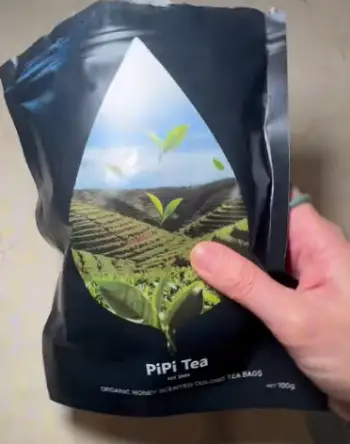
PiPi Oolong Tea caught my attention because it is marketed as a whole-leaf organic oolong tea sourced from the Pu’er region of Yunnan, China. Unlike ordinary powdered tea products, the company emphasizes its use of whole leaves rather than inexpensive tea dust.
This is an interesting selling point because the quality and processing of tea leaves can influence the aroma, flavor, and overall drinking experience.
The ingredient profile is relatively straightforward. PiPi describes its Ruby Oolong as containing 100% organic oolong tea leaves without unnecessary fillers, preservatives, or artificial additives.
I appreciate this simple approach because I generally prefer beverages with recognizable ingredients rather than complicated proprietary blends.
Another aspect worth considering is its flavor. Oolong tea typically offers a middle ground between green and black tea.
Depending on its oxidation and roasting, it can have floral, earthy, fruity, toasted, or naturally sweet characteristics. PiPi promotes its oolong as smooth and mildly honey-like, which could appeal to people who find stronger black teas too bitter.
I would also consider its caffeine content before making it part of my daily routine. Oolong tea naturally contains caffeine, meaning it can provide a gentle alternative to coffee.
However, the exact caffeine amount can vary depending on the leaves, water temperature, steeping time, and serving size.
What makes PiPi particularly interesting is its focus on antioxidant compounds, including catechins and other tea polyphenols.
These substances have attracted scientific attention because of their potential roles in protecting cells against oxidative stress.
However, I would separate the established properties of oolong tea from the stronger health promises associated with this particular brand.
Drinking antioxidant-rich tea can complement a balanced lifestyle, but it doesn’t automatically mean that a specific product will reverse high cholesterol, eliminate belly fat, or regulate hormones.
Overall, I see PiPi Oolong Tea as a potentially enjoyable addition to a daily beverage routine rather than a replacement for medical treatment or healthy lifestyle habits.
Also Read: Is Synergy Kombucha Tea Worth It?
Pros Of PiPi Oolong Tea
- Simple Ingredient Profile
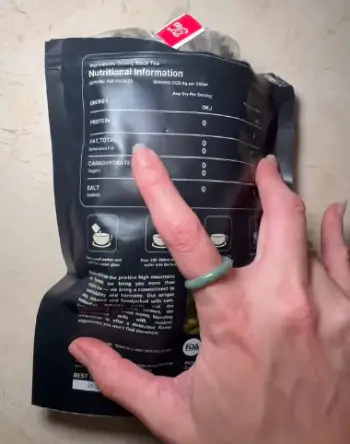
One of the strongest advantages is its straightforward formulation.
PiPi describes its Ruby Oolong as containing 100% organic oolong leaves. There are no complicated ingredient combinations that require extensive interpretation.
For consumers who prefer recognizable ingredients, this is appealing.
- Whole-Leaf Tea Format
Whole-leaf tea is another selling point.
Compared with finely crushed tea dust, whole leaves can offer a different brewing experience and may retain more of their original structure.
I particularly like the idea of being able to appreciate the aroma and flavor of the actual tea rather than relying on heavily flavored additives.
However, whole-leaf presentation alone doesn’t guarantee superior antioxidant levels or better health outcomes.
- Naturally Occurring Antioxidants
Oolong tea naturally contains polyphenols and other plant compounds.
These substances make it an interesting beverage for people who want to incorporate more plant-based foods and drinks into their routine.
The advantage here is that you’re getting these compounds from an ordinary beverage rather than relying entirely on concentrated supplements.
- Convenient Daily Preparation
Convenience matters when choosing something you plan to consume regularly.
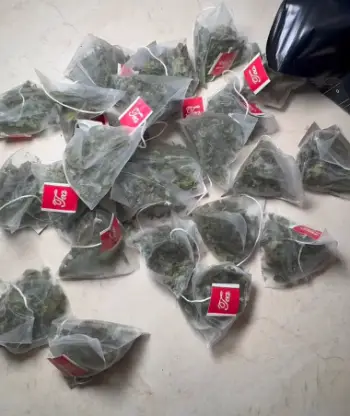
PiPi’s tea-bag format makes preparation relatively straightforward. You don’t need specialized equipment or complicated preparation techniques.
You can prepare a cup at home, at work, or while traveling.
- Potential Coffee Alternative
Not everyone enjoys drinking coffee throughout the day.
Some people experience unwanted jitters, digestive discomfort, or difficulty sleeping when they consume too much caffeine.
Oolong tea provides another option. It still contains caffeine, but the amount and drinking experience may differ from coffee.
- Versatile Drinking Options
Another advantage is versatility.
You can enjoy oolong tea hot or cold, depending on your preferences.
During colder months, a warm cup can become a comforting daily ritual. During warmer weather, chilled oolong can be a refreshing alternative to sweetened beverages.
- Organic Positioning
PiPi highlights organic sourcing and describes its tea as USDA Organic certified.
It also promotes testing for contaminants and other quality-related standards.
For people who prioritize organic products, these claims may make the tea more appealing. I would still recommend checking the certification and available testing information for the specific product and batch.
- No Complicated Supplement Routine
I appreciate products that fit naturally into existing habits.
Instead of introducing multiple capsules or powders, PiPi can simply become part of your regular beverage routine.
That simplicity may make it easier to maintain consistent consumption.
Cons Of PiPi Oolong Tea
- Premium Pricing
Price is one consideration I wouldn’t ignore.
Specialty organic tea products can cost more than ordinary supermarket tea bags.
If you’re planning to drink oolong every day, calculate the cost per serving rather than focusing only on promotional bundle prices.
- Contains Caffeine
PiPi Oolong Tea is not caffeine-free.
People who are sensitive to caffeine may experience restlessness, increased heart rate, headaches, or sleeping difficulties.
This is particularly important if you already consume coffee, energy drinks, or other caffeinated beverages.
- Health Claims Require Caution
The company promotes several potential wellness benefits, including cardiovascular support, metabolism, and stress-related benefits.
However, evidence involving tea generally is not the same as clinical evidence involving PiPi specifically.
I would be cautious about any suggestion that the product can independently normalize cholesterol, control hormones, or produce substantial weight loss.
- Not Suitable for Everyone
People with caffeine sensitivity, certain medical conditions, or specific dietary restrictions may need to limit their intake.
Pregnant or breastfeeding individuals should discuss caffeine consumption with a healthcare professional.
- Results May Vary
You shouldn’t expect identical results to other customers.
Taste preferences, caffeine tolerance, dietary habits, and overall health can influence individual experiences.
Some people may enjoy the beverage without noticing any particular wellness change.
- Limited Independent Product-Specific Evidence
This is an important consideration.
Although oolong tea has been investigated in scientific research, that doesn’t establish that PiPi produces every outcome mentioned in its marketing.
I would like to see more independently accessible, product-specific clinical research before treating its stronger health claims as established facts.
Also Read: Is Lulutox Detox Tea Worth It?
Maintenance Tips For PiPi Oolong Tea
- Store the Tea Properly
Keep your PiPi Oolong Tea in a cool, dry location.
Tea leaves can absorb moisture and odors from their surroundings. Exposure to humidity can affect freshness and potentially encourage spoilage.
I recommend keeping the original packaging properly sealed between uses.
Avoid storing tea beside spices, strong-smelling foods, or cleaning products.
- Protect It From Direct Sunlight
Sunlight and excessive heat can gradually affect tea quality.
A kitchen cupboard away from windows and cooking appliances is generally a better location than an exposed countertop.
If the original packaging doesn’t provide sufficient protection, consider using an airtight container.
- Use Fresh Drinking Water
Water quality influences the final flavor.
I recommend using fresh, clean drinking water rather than repeatedly boiling water that has been sitting in a kettle.
If your tap water has a strong mineral or chlorine taste, filtered water may help produce a cleaner cup.
- Pay Attention to Water Temperature
Avoid automatically pouring aggressively boiling water over every type of tea.
Oolong varieties can respond differently to brewing temperatures.
A moderate temperature is a sensible starting point, followed by adjustments according to your taste preferences and the manufacturer’s instructions.
- Avoid Over-Steeping
Steeping time has a significant influence on flavor.
Leaving tea in hot water for too long can produce a stronger, more astringent taste.
Start with the recommended preparation instructions and adjust gradually.
If you prefer a lighter cup, reduce the steeping time rather than immediately adding sweeteners.
- Experiment With Multiple Infusions
Some whole-leaf oolong teas can be infused more than once.
You may notice changes in aroma and flavor with subsequent infusions.
However, the number of worthwhile infusions depends on leaf quality, preparation, and personal taste.
If the tea becomes unpleasant or loses its flavor, there is no reason to continue steeping it.
- Avoid Excessive Sweeteners
One reason I like traditional tea is that it can be enjoyed without adding sugar.
If your goal is to replace sugary drinks, adding several teaspoons of sweetener defeats part of that purpose.
Try drinking PiPi naturally first. If you prefer a sweeter beverage, experiment with a small amount of honey.
- Choose the Right Time to Drink It
Because oolong contains caffeine, timing matters.
Morning or early afternoon may be more suitable for people who experience sleep disturbances after consuming caffeine.
Avoid drinking it close to bedtime if you’re sensitive.
- Monitor Your Overall Caffeine Intake
Remember that PiPi is not your only possible caffeine source.
Coffee, green tea, black tea, chocolate, and energy drinks can all contribute to daily caffeine consumption.
Pay attention to how your body responds, especially when introducing a new beverage.
- Check the Packaging Before Consumption
Before preparing your first cup, inspect the packaging and tea bags.
Make sure the product is properly sealed, within its recommended shelf life, and free from unusual moisture or odors.
If anything appears damaged or suspicious, contact the seller rather than consuming it.
- Maintain Realistic Expectations
Perhaps my most important recommendation is to avoid treating tea as a shortcut to better health.
You can enjoy PiPi as part of a balanced lifestyle, but you should not abandon prescribed medication or dietary recommendations because of its marketing claims.
Consistency is useful for maintaining a beverage habit, not a guarantee of medical results.
Comparison Of PiPi Oolong Tea With Other Brands
- PiPi Oolong Tea vs. Traditional Chinese Oolong
Traditional Chinese oolong teas are available in numerous varieties, including Tieguanyin, Da Hong Pao, and other regional styles.
These teas can offer distinctive floral, roasted, mineral, and fruity flavors.
PiPi focuses on convenience and a simplified whole-leaf tea experience.
If you’re interested in a straightforward daily beverage, PiPi may appeal to you. However, people who enjoy exploring traditional tea varieties may find specialty Chinese oolong more interesting.
- PiPi Oolong Tea vs. Twinings Oolong Tea
Twinings is a familiar tea brand with a broad selection of traditional beverages.
Its oolong offerings may appeal to people who want a recognizable brand and convenient access to everyday tea.
PiPi differentiates itself through its emphasis on organic whole-leaf sourcing and wellness-oriented marketing.
I would compare their ingredient labels, serving sizes, and prices before deciding which offers better value.
If affordability and brand familiarity matter most, Twinings may deserve consideration. If organic sourcing and PiPi’s specific presentation appeal to you, PiPi could be worth trying.
- PiPi Oolong Tea vs. Bigelow Tea
Bigelow offers a range of accessible tea products designed for everyday consumption.
Its products are convenient and generally suitable for consumers who want simple tea preparation without investing in premium specialty products.
PiPi’s selling point is its whole-leaf positioning and emphasis on its Pu’er sourcing.
The main consideration is whether those features justify the difference in price.
I wouldn’t automatically assume a more expensive tea offers superior health benefits.
- PiPi Oolong Tea vs. Prince of Peace Oolong Tea
Prince of Peace is another option for people interested in traditional oolong tea.
It offers a more conventional tea-shopping experience and may appeal to buyers who prioritize affordability and availability.
PiPi places more emphasis on premium positioning, organic sourcing, and wellness-related messaging.
For everyday consumption, both categories can provide the natural characteristics of oolong tea.
Your decision should depend on taste, ingredient quality, and cost per cup rather than promotional promises.
- PiPi Oolong Tea vs. Loose-Leaf Artisan Oolong
Loose-leaf artisan oolong is particularly attractive to tea enthusiasts.
You can explore different cultivars, oxidation levels, roasting styles, and brewing techniques.
PiPi is more convenient for someone who wants a relatively simple tea-bag experience.
However, if you enjoy adjusting water temperature, experimenting with steeping times, and discovering different flavor profiles, artisan loose-leaf options may provide greater variety.
Is PiPi Oolong Tea Worth Buying?
After considering its ingredients, positioning, potential benefits, and limitations, I would say PiPi Oolong Tea is worth considering for the right type of consumer.
Its biggest attraction is its straightforward ingredient profile and convenient whole-leaf presentation.
I also like that oolong tea naturally provides antioxidants and caffeine without requiring a complicated supplement routine.
However, I wouldn’t buy it solely because of claims about cholesterol reduction, cortisol regulation, or weight loss.
The strongest reason to consider PiPi is that you enjoy oolong tea and want a convenient beverage with organic sourcing claims.
Before ordering, check the total price, shipping costs, serving count, return conditions, and whether any recurring subscription or automatic delivery option is selected.
That last point is particularly important when purchasing online. Make sure you understand the checkout terms rather than assuming a promotional bundle is a one-time purchase.
Ultimately, the product should justify its price through its actual tea quality and your enjoyment of drinking it.
Frequently Asked Questions (FAQ)
It provides naturally occurring antioxidants and caffeine and may complement cardiovascular and metabolic wellness as part of a balanced lifestyle.
People sensitive to caffeine and individuals with certain medical conditions should consult a healthcare professional. Pregnant or breastfeeding individuals should also discuss caffeine intake.
Oolong tea has been studied for possible cholesterol-related benefits, but substantial cholesterol reduction from PiPi specifically has not been established through product-specific clinical trials.
There is no universal winner. PiPi, traditional Chinese loose-leaf varieties, Twinings, and other established brands offer different combinations of flavor, quality, convenience, and price.
Wrapping Up
I consider PiPi Oolong Tea a potentially appealing choice for people who enjoy traditional tea and want a convenient, organic-positioned whole-leaf beverage.
Its simple ingredient profile and natural antioxidants are attractive features. I would recommend buying it if you appreciate oolong tea and understand its limitations, but not as a substitute for cholesterol medication or a weight-loss treatment.
Check the pricing and purchasing terms before ordering.
Recent Posts
Feel Good Berberine Phytosome Reviews: What You Should Know Before Buying?
Feel Good Berberine Phytosome is a supplement designed for people interested in supporting metabolic health, healthy blood sugar levels, and overall wellness.What makes it interesting is its...
Prime Biome Gummies Reviews: Do They Really Support Gut And Skin Health?
Prime Biome Gummies have attracted attention for their combination of probiotic and botanical ingredients designed to support digestive health, gut balance, and healthier-looking skin.I find the...