
If you want a convenient fermented tea with bold flavors and a refreshing alternative to soda, I think Synergy Kombucha is worth trying.
I especially recommend buying it if you enjoy tangy, slightly fizzy drinks and want something different from ordinary bottled beverages.
Synergy Kombucha is made by GT’s Living Foods and comes in several varieties, so you can choose according to your taste.
After looking at its ingredients, flavor profile, sugar content, convenience, and overall drinking experience, I found that it has plenty going for it—but it isn’t automatically the perfect drink for everyone.
My First Experience With Synergy Kombucha
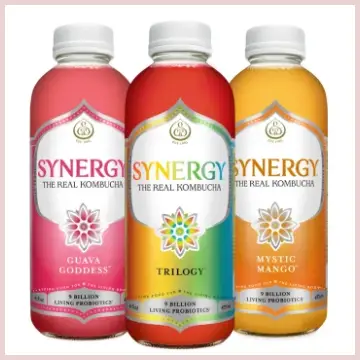
When I first tried Synergy Kombucha, the flavor was the thing that immediately caught my attention.
I expected something similar to sweetened iced tea, but the taste was noticeably more complex.
There was sweetness, acidity, a mild fermented character, and that distinctive kombucha tang that makes the drink feel completely different from soda or fruit juice.
I also noticed the carbonation. It wasn’t quite like opening a regular soft drink, but there was enough natural fizz to make each sip feel refreshing.
I personally liked drinking it cold because refrigeration softened some of the sharper fermented notes while making the fruit flavors more enjoyable.
One thing I quickly learned is that Synergy Kombucha isn’t a drink I would choose purely because I want something sweet.
The flavor has personality. Depending on the variety, I could taste fruit, tea, tartness, and fermentation working together. If you’re new to kombucha, that slightly sour character can take some getting used to.
I found the variety of flavors particularly useful. Instead of committing myself to one flavor, I could try different bottles and figure out which combinations suited me.
Some varieties tasted fruitier and easier to drink, while others had a stronger tea or fermented character.
What I appreciated most was the convenience. I didn’t have to brew tea, maintain a fermentation setup, measure ingredients, or wait for a homemade batch to be ready. I could simply refrigerate the bottle and drink it when I wanted.
At the same time, I wouldn’t describe Synergy Kombucha as a miracle wellness drink. That’s an important distinction.
Kombucha is fermented tea, and while fermentation can provide beneficial compounds and some products contain live cultures, the overall nutritional value depends on the particular variety and serving size.
I prefer judging it as a beverage that can fit into a balanced lifestyle rather than treating it as a cure-all.
After trying it, I understood why kombucha has developed such a loyal following. It offers a satisfying middle ground between plain tea and a flavored soft drink.
For me, the biggest question wasn’t whether it was interesting—it definitely was—but whether the flavor, price, sugar level, and acidity made sense for regular consumption.
Pros Of Synergy Kombucha
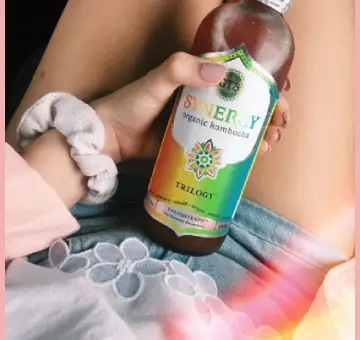
- Refreshing Alternative to Soda
One of the biggest advantages I noticed was how easily Synergy can replace a conventional soft drink.
When I want something fizzy and flavorful but don’t want another sugary soda, kombucha gives me a completely different option.
The carbonation makes it feel more exciting than plain water, while the tartness prevents it from tasting like a simple fruit drink.
If you’re trying to reduce your dependence on traditional soft drinks, I think this is one of Synergy’s strongest advantages.
- Wide Range of Flavors
I like having options. With Synergy, you’re not restricted to one flavor profile. You can choose fruit-focused combinations, stronger fermented flavors, and different botanical or tea-inspired profiles.
That makes the brand accessible to both experienced kombucha drinkers and people who are still figuring out what they like.
My advice is simple: don’t judge the entire brand based on one flavor. Kombucha flavors can vary dramatically.
- Convenient Ready-to-Drink Format
I appreciate convenience, and Synergy delivers it.
Homemade kombucha can require brewing, fermentation, monitoring, sanitation, and storage. With a bottled product, most of that work has already been handled.
I can keep a bottle refrigerated and have it ready whenever I want a cold beverage.
For a busy routine, that’s a meaningful advantage.
- Fermented Tea Experience
Another reason I like Synergy is that it offers the traditional kombucha experience without requiring me to make it myself.
You get the acidity, fermentation character, tea base, and carbonation associated with kombucha.
If you’re interested in fermented beverages but don’t want to experiment with home fermentation, a ready-made option makes the process much easier.
- Distinctive Flavor
Synergy doesn’t taste generic. The combination of tea, fruit, acidity, and carbonation creates a flavor that stands apart from ordinary flavored water.
For me, that makes it more interesting as an occasional beverage.
- Can Fit Into a Balanced Diet
I don’t see kombucha as a nutritional shortcut, but it can certainly fit into a balanced diet.
If you’re eating nutritious meals, staying hydrated, and keeping added sugar within reasonable limits, an occasional bottle can be an enjoyable beverage choice.
The key is not turning one drink into an exaggerated health strategy.
Cons Of Synergy Kombucha
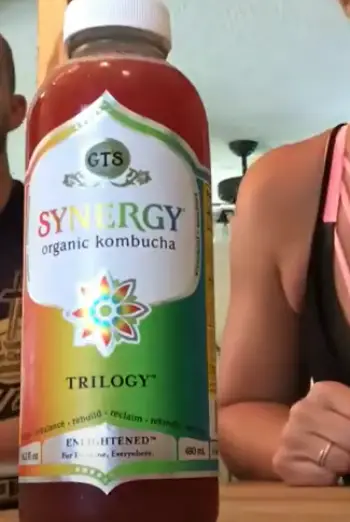
- The Tangy Flavor Isn’t for Everyone
The same acidity that makes kombucha interesting can make it unpleasant for some people.
If you strongly prefer sweet, smooth drinks, the fermented flavor may take some adjustment.
I would recommend trying a fruit-forward variety first if you’re new to kombucha.
- Sugar Can Still Matter
The fact that kombucha is fermented doesn’t automatically make it low in sugar.
Depending on the variety, there can still be sugars present in the finished beverage.
If you’re monitoring sugar intake, I recommend reading the nutrition label before making it part of your daily routine.
- It Can Be Relatively Expensive
Compared with tap water, homemade tea, or many conventional beverages, bottled kombucha can be expensive.
I consider Synergy more of a premium beverage than an everyday budget drink.
Buying individual bottles also adds up quickly if you’re drinking them frequently.
- Acidity May Not Suit Everyone
Kombucha is acidic, and that can be a consideration for people who don’t tolerate acidic drinks well.
I personally prefer drinking it with or around meals rather than constantly sipping it throughout the day.
- Not a Replacement for Water
This is an important point.
Even though Synergy contains liquid and can contribute to hydration, I wouldn’t use kombucha as my primary hydration source.
Water should remain the foundation of everyday hydration.
Maintenance Tips For Synergy Kombucha
- Keep It Refrigerated
Proper refrigeration is one of the most important habits I follow with bottled kombucha.
I keep Synergy Kombucha chilled according to the storage instructions on the bottle. Refrigeration helps maintain the intended taste and drinking experience.
I wouldn’t leave an opened bottle sitting around at room temperature for extended periods.
- Check the Bottle Before Opening
Because kombucha is naturally carbonated, I handle the bottle carefully.
I avoid unnecessary shaking, especially immediately before opening.
If I accidentally agitate the bottle, I let it settle before opening so I don’t end up with a fizzy mess.
- Refrigerate After Opening
Once I open a bottle, I put it back into the refrigerator if I don’t finish it.
I also keep the opening clean and covered appropriately according to the packaging.
For the best taste, I prefer consuming an opened bottle sooner rather than leaving it around for several days.
- Pay Attention to the Expiration or Best-By Information
I always check the date printed on the packaging.
While fermented beverages have characteristics that differ from ordinary drinks, the manufacturer still provides storage and freshness guidance for a reason.
If the bottle looks damaged, smells unusually unpleasant, or seems significantly different from what I normally expect, I don’t take chances.
- Store Bottles Upright
I prefer keeping bottles upright in my refrigerator.
This makes them easier to organize and reduces the chance of liquid contacting the cap or creating a messy situation.
It’s a small habit, but it makes storage easier.
- Don’t Treat Kombucha Like a Supplement
One of my biggest “maintenance” tips is actually about expectations.
Don’t start drinking several bottles a day because you believe more kombucha automatically means more benefits.
I think of it as a fermented beverage. I enjoy it as part of my routine, but I don’t use it as a substitute for vegetables, fruit, fiber, protein, water, sleep, or exercise.
- Choose Flavors Based on Your Drinking Habits
If you find a flavor too sweet, too sour, or too intense, try another variety rather than forcing yourself to finish it.
I’ve found that choosing a flavor I genuinely enjoy makes moderation easier.
A drink doesn’t need to become a daily habit simply because it’s marketed as a wellness beverage.
Comparison Of Synergy Kombucha With Other Brands
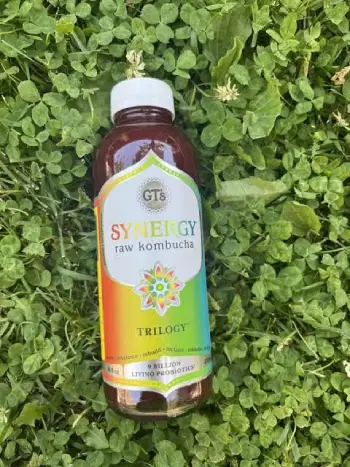
- Synergy vs. Health-Ade
When I compare Synergy with Health-Ade, the biggest difference for me is the overall flavor experience and product selection.
Both brands have established themselves in the kombucha category, and both focus heavily on fermented tea with distinctive flavor combinations.
I find Synergy appealing when I want a brand with a broad range of recognizable flavor styles. Health-Ade can appeal more to someone who wants a straightforward kombucha experience with its own collection of fruit and botanical combinations.
Rather than declaring one universally better, I would choose based on flavor, sugar content, availability, and price.
- Synergy vs. Brew Dr. Kombucha
Brew Dr. is another interesting option if you prefer a tea-forward drinking experience.
When I drink kombucha, I sometimes want fruit to dominate, while other times I want to actually notice the tea character.
That’s where the distinction becomes useful.
Synergy offers many bold flavor experiences, while Brew Dr. can be attractive to people who appreciate a more tea-centered profile.
If you’re a beginner, I’d sample both styles before deciding which one belongs in your refrigerator.
- Synergy vs. Humm Kombucha
Humm is another brand worth considering when you’re comparing bottled kombucha.
For me, this comparison comes down largely to flavor preference and nutrition labels.
Some people want a stronger traditional kombucha character, while others want something that feels closer to a flavored beverage.
I wouldn’t choose between brands solely because one has a better reputation. I’d look at the exact flavor, sugar content, calories, serving size, and price.
- Synergy vs. Homemade Kombucha
This is probably the most interesting comparison.
Homemade kombucha gives you control over ingredients, sweetness, fermentation time, and flavor experimentation.
But that control comes with responsibility.
You have to maintain cleanliness, monitor fermentation, manage the culture, and understand safe preparation practices.
Synergy wins for me when convenience matters. I can open a refrigerated bottle without preparing anything.
Homemade kombucha wins when someone genuinely enjoys the brewing process and wants complete control over the finished drink.
Also Read: Is Lulutox Detox Tea Worth It?
Frequently Asked Questions (FAQ)
It can fit into a balanced diet, especially as an alternative to sugary beverages, but its health value depends on the specific product, ingredients, and your overall diet.
For many people, a moderate amount can fit into a daily routine, but check the sugar, acidity, caffeine, and serving size of your chosen variety.
Yes. Its acidity, sugar content, caffeine, cost, and fermented flavor may be drawbacks for some people.
There isn’t one universally healthiest flavor; I would choose based on the specific nutrition label, especially sugar and calorie content.
Wrapping Up
I think Synergy Kombucha is worth buying if you want a refreshing, fizzy fermented tea with distinctive flavors and an easy ready-to-drink format.
I like it most as an occasional alternative to soda rather than something I rely on for health benefits.
If you’re curious about kombucha, start with one bottle, drink it chilled, and see how your palate responds.
For me, its biggest strengths are flavor variety and convenience, while sugar, acidity, and price are the main factors I’d consider before making it a regular purchase.
Recent Posts
I tried Meltoway Hair Dissolving Cream because I wanted a quick way to deal with unwanted body hair without reaching for a razor every few days. If you are looking for a convenient at-home...
If you’re considering a saffron-based supplement to support mood, appetite control, and everyday wellness, Happy Saffron Plus is worth considering.I like that it takes a familiar botanical...