
I have spent years choosing window coverings for my own home and helping friends decide between options that actually work day to day.
My goal here is to give you a clear, practical breakdown of plantation shutters versus faux wood blinds so you can weigh looks, function, cost, and upkeep without the usual sales fluff.
| Feature | Plantation Shutters | Faux Wood Blinds |
| Material | Solid wood, composite, or polymer | PVC or polymer with wood-grain finish |
| Light Control | Excellent via adjustable louvers | Good via tilt and raise/lower |
| Privacy | Near total when closed | Strong when fully lowered and closed |
| Insulation | High, seals window well | Moderate |
| Moisture Resistance | Varies; composite better | Excellent |
| Cost Range | Higher upfront | Lower to mid-range |
| Maintenance | Occasional dusting of louvers | Wipe clean, fewer parts |
| Installation | Usually professional, permanent | Often DIY-friendly |
| Lifespan | 20+ years common | 10–15 years typical |
| Style Flexibility | Fixed elegant look | More casual, color variety |
Key Differences Between The Plantation Shutters And Faux Wood Blinds
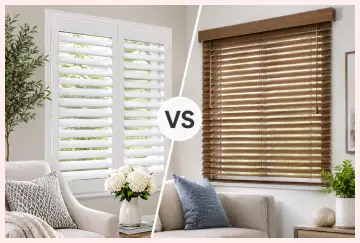
- Construction and feel create the first clear split. Plantation shutters sit as a rigid frame with wide louvers that open and close like tiny doors, and this gives rooms a solid architectural presence.
Faux wood blinds hang as horizontal slats on cords or ladders, so they feel lighter and more temporary when I walk into a space.
- Light and view control work in different ways. I tilt shutter louvers for soft filtered light or close them fully for privacy, yet the frames always stay in place.
Blinds let me raise the entire stack out of the way when I want a clear view, and that flexibility changes how I use a room throughout the day.
- Weight and hardware demands differ sharply. Shutters add real weight to the window frame and often need solid mounting points so they operate smoothly.
Faux wood blinds stay light enough for standard drywall anchors, which makes them easier on older walls or rental properties.
- Cleaning habits shift with each choice. I spend more time dusting individual shutter louvers because every surface faces a different direction and collects fine particles.
Blinds wipe down faster with a damp cloth since the slats hang in one plane and require less rotation.
- Long-term commitment levels are not the same. Shutters feel permanent once they are installed, and removing them usually leaves holes that need repair.
Blinds can come down and move with me if I change homes, so the decision carries less finality.
Also Read: Is Caner Impact Windows Worth It?
Key Features Of Plantation Shutters
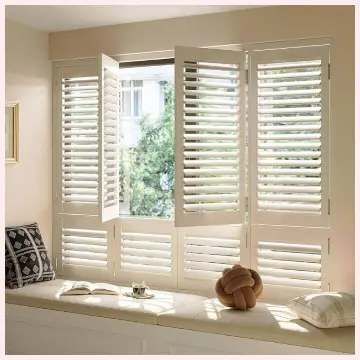
- Wide louvers tilt independently for precise control. Most modern sets use 2.5- to 4.5-inch louvers, and I can open the top half for light while keeping the bottom closed for privacy.
This setup works well in living rooms that face the street and need balanced brightness.
- A solid frame covers the entire window opening. The frame sits flush or slightly proud of the drywall, which creates a clean line and reduces light leaks around the edges better than most hanging treatments.
I notice the difference on bright mornings when other coverings still let streaks through.
- Material choices affect both feel and performance. Real wood looks premium but can swell in humidity, while composite and polymer versions handle bathrooms and kitchens without warping.
I prefer the polymer options in moisture-heavy spaces because they stay stable year after year.
- Custom sizing and configuration options expand the fit. Shutters come as single panels, bi-fold units, or bypass tracks for wide openings, and I once ordered a special mid-rail height so the louvers lined up with the window muntins.
That small detail made the whole installation look intentional.
- Built-in insulation value helps with temperature. The solid panels trap air between the louvers and the glass, so in winter I feel less cold draft near the window compared with thinner treatments.
The difference is noticeable on the coldest days.
Pros Of Plantation Shutters
- Strong privacy and security feel come standard. When the louvers close they look solid and discourage casual looking in, and I sleep better knowing the street view is blocked without needing extra curtains. The closed panels also reduce noise from outside traffic.
- Excellent light modulation keeps rooms comfortable. I can dial in the exact amount of brightness without raising anything, so morning sun hits the floor instead of my eyes while the room stays bright. This control reduces the need for additional shades in most spaces.
- Long service life rewards the investment. A good set lasts decades with basic care, and I have friends whose original shutters from the early 2000s still function smoothly. The hinges and louvers rarely fail when the quality is solid from the start.
- Perceived home value often rises with shutters. Buyers notice permanent window treatments, and in my experience they photograph well and make rooms feel finished. The built-in look helps listings stand out without much extra staging.
- Quiet operation supports peaceful rooms. No cords rattle or snap during use, and the louvers move with a soft click that never bothers me at night. This silence is especially welcome in bedrooms and home offices.
Cons Of Plantation Shutters
- Higher initial cost requires careful budgeting. Expect to pay significantly more than for blinds of similar coverage, and budget surprises often come from custom measuring and professional install. The price gap is the first hurdle most people face.
- Permanent or semi-permanent installation limits flexibility. Removing the panels leaves holes and may require wall repair, so I hesitate to put them in rentals for that reason. The commitment feels heavier once the work is done.
- Dust collection on louvers needs regular attention. Every louver surface gathers fine dust, and I end up using a soft brush attachment more often than I expected. The process takes longer than wiping a single plane of material.
- Limited ability to open the full view stays noticeable. Even when louvers are open the frames and rails remain in place, and I miss the completely unobstructed glass that blinds provide on nice days. The fixed structure is both strength and drawback.
- Weight can stress older window frames. In one older house I needed extra reinforcement before the installer would proceed, and that added both time and cost. Not every window is ready for the load without preparation.
Also Read: Is Climate Guard Windows Worth It?
Key Features Of Faux Wood Blinds
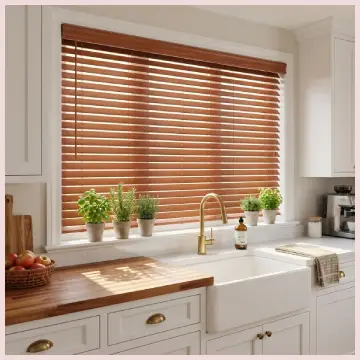
- Horizontal PVC or polymer slats form the core. The material mimics wood grain but stays consistent in color and resists warping, and I like the realistic finish options that no longer look plastic from a few feet away.
Modern textures have improved a great deal.
- Cord or wand tilt plus raise-and-lower function adds range. I can tilt for light control and lift the whole stack when I want maximum view or easy window cleaning, and some cordless versions use a push-up system that feels safer around kids.
The dual action covers most daily needs.
- Moisture and humidity tolerance suit practical rooms. These blinds handle steamy bathrooms and kitchen splash zones without swelling or peeling, and I installed a set near a dishwasher years ago that still looks fine.
The material simply shrugs off the damp air.
- Wide color and width range supports many styles. From classic white to stained wood tones the choices cover most interior looks, and wider slats give a more substantial appearance while still staying affordable.
Matching existing trim becomes straightforward.
- Relatively light weight simplifies mounting. The entire unit hangs from a simple headrail, and I have mounted them myself on standard drywall anchors without special tools.
The process stays approachable for most homeowners.
Pros Of Faux Wood Blinds
- Budget-friendly entry point opens more options. I can cover several windows for the price of one shutter set, and that flexibility lets me update more rooms at once. Spreading the cost across a whole house feels manageable.
- Easy cleaning and low maintenance save time. A quick wipe removes dust and fingerprints, and there are no individual louvers to rotate and dust from every angle. The routine fits busy schedules without much effort.
- Full view when raised changes the room. On sunny days I lift them completely and enjoy the glass, and that option feels more flexible for living spaces that change use throughout the day. The open glass brings the outdoors in when wanted.
- DIY installation works for many sizes. Inside-mount kits come with clear instructions, and I have completed several windows in an afternoon without calling a pro. The tools required stay basic and common.
- Moisture resistance protects practical spaces. Bathrooms, laundry areas, and kitchens stay looking good longer than real wood alternatives would, and the material holds up under repeated humidity cycles. Longevity in these rooms is a clear advantage.
Cons Of Faux Wood Blinds
- Less insulating performance shows in extremes. Air moves more freely around the slats, and I notice cooler spots near the glass in winter compared with shuttered rooms. The gap is modest but measurable on the coldest days.
- Visible cords or mechanisms appear on some models. Even cordless versions still have the stacked look when raised, and the hardware can feel less refined than a shutter frame. The visual weight sits differently in the room.
- Potential for warping or fading exists over time. Cheap sets can sag or lose color if they sit in strong sun for years, and quality varies more than with shutters. Choosing mid-range or better reduces the risk.
- Privacy gaps remain possible when tilted. When the slats open for light, thin sight lines stay between them, and I sometimes add a sheer curtain behind them for extra coverage. Full privacy requires the blinds fully closed.
- Shorter expected lifespan affects planning. After ten to fifteen years the ladders or lift mechanisms can wear, yet replacement feels less painful because the original cost was lower. The cycle of updating arrives sooner.
Cost Considerations Over Time
When I first priced both options for a three-bedroom house the shutters came in roughly two to three times higher per window.
That gap shrinks if I factor in longevity and reduced need for secondary treatments. Blinds win on pure upfront numbers and let me phase the project room by room.
Shutters force a larger single investment but then require almost no further spending for decades. I usually calculate the cost-per-year rather than the sticker price alone.
Energy savings from better sealing also favor shutters in extreme climates, though the difference is modest in mild areas.
Labor costs for shutters add another layer because professional measuring and fitting are common, while many blind projects stay in the DIY range. Over a ten-year horizon the numbers often come closer than the first quote suggests.
Installation And Fit Realities
Shutters demand precise measurements and solid mounting surfaces. An installer typically handles the work because the panels must sit square and operate freely.
Mistakes show immediately as gaps or binding louvers. Faux wood blinds forgive small measuring errors more easily.
Many homeowners complete the job with a drill, level, and the included brackets. I still recommend checking window depth for inside mounts so the blinds clear any handles or locks. Outside mounts hide imperfect frames but reduce the glass area slightly.
In older homes the wall structure itself can decide the winner. Thin plaster or uneven openings favor the lighter blinds. Newer construction with solid framing supports either choice without extra prep.
The time difference is real as well. A full set of shutters for one room can take a professional half a day, while blinds for the same space might finish in a couple of hours if the sizes are standard.
Light Control And Daily Living
In my living room I prefer shutters because I can set the louvers once in the morning and forget them. The light stays soft and consistent.
In the kitchen I reach for blinds so I can raise them fully while cooking and watching the backyard. Bedrooms often get shutters for the blackout potential and quiet operation.
The choice depends less on the product category and more on how each room is used. Both can achieve privacy.
The difference is the path to get there and the look when the treatment is open. Morning glare is easier to manage with shutters because the louvers stay fixed at any angle.
Afternoon sun that shifts across a room is simpler with blinds that I can raise completely. I have learned to match the product to the daily rhythm of each space rather than forcing one solution everywhere.
Style And Interior Impact
Shutters bring a clean architectural presence that works with traditional, transitional, and even some modern spaces. The frame becomes part of the wall architecture.
Faux wood blinds lean more casual and can match painted trim or furniture tones without dominating the room. I have used white blinds in coastal interiors and darker faux wood tones in dens to add warmth without the weight of real shutters.
Neither option is limited to one design language, but shutters tend to feel more formal once installed.
The vertical lines of shutter stiles and rails create a paneled effect that many people associate with finished, higher-end rooms. Blinds keep the focus on the view or the wall color because they can disappear.
Color matching is simpler with blinds because the range of stock finishes is wide. Custom paint or stain on shutters expands the options further but also raises the cost.
Scale matters too. Wide louvers suit large windows, while narrower blind slats can look better on smaller openings.
Also Read: Is Andersen Acclaim Windows Worth It?
Frequently Asked Questions (FAQ)
No. Clean lines and wide louvers still fit current interiors, and many new homes continue to specify them.
The higher cost and permanent installation are the main drawbacks for most people.
It depends on budget, room use, and how permanent you want the treatment to feel.
Nothing fully replaces them, though high-quality cellular shades and motorized blinds serve similar needs in some homes.
Wrapping Up
I have lived with both plantation shutters and faux wood blinds long enough to know that neither is automatically superior.
You gain solid construction, strong insulation, and a finished architectural look with shutters. You gain lower cost, easier cleaning, full view when raised, and simpler installation with faux wood blinds.
Your rooms, your budget, and how you actually use the light will decide the better match. Measure carefully, choose materials that suit the humidity of each space, and install them so they operate smoothly from day one.
The right choice will still look and work well years from now.
Recent Posts
Deckorators Voyage Decking Reviews: Is This Premium Composite Decking Worth Buying?
If you want a beautiful outdoor deck that can handle moisture, heavy foot traffic, and changing weather without constant maintenance, Deckorators Voyage decking deserves serious consideration.I...
Whirlpool Vs. Samsung Washing Machines: Which One Actually Fits Your Laundry Life?
I spent weeks comparing Whirlpool and Samsung washing machines when my old unit finally gave out. My goal here is straightforward: give you a clear, side-by-side look at how these two...