
I spent weeks comparing Whirlpool and Samsung washing machines when my old unit finally gave out.
My goal here is straightforward: give you a clear, side-by-side look at how these two brands perform in real homes so you can pick the one that matches your laundry habits, budget, and priorities without the usual marketing haze.
| Feature | Whirlpool | Samsung |
| Brand Origin | American | South Korean |
| Core Strength | Reliability, value, practical performance | Smart features, AI automation, quiet operation |
| Motor Tech | Inverter options; solid mechanical focus | Digital Inverter (long warranties common) |
| Standout Tech | 6th Sense sensors, Load & Go dispenser | AI Wash, EcoBubble, SmartThings app |
| Noise Level | Low to moderate | Very low (VRT+ vibration control) |
| Energy Efficiency | Very good | Excellent |
| Smart Connectivity | Available on select models | Widespread and deeper integration |
| Design Approach | Clean, classic, functional | Sleek, modern, premium finishes |
| Typical Price Positioning | Strong value / mid-range focus | Mid to premium with feature-rich options |
| Best Suited For | Families wanting durability and simplicity | Tech-oriented users seeking automation |
Key Differences Between Whirlpool And Samsung
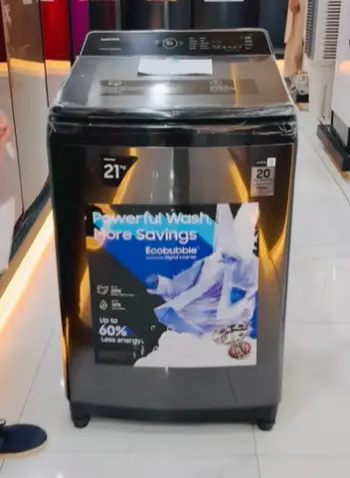
- Build philosophy and target user: Whirlpool focuses on long-term ownership and simple operation that repair technicians understand well.
Samsung treats laundry as a connected task that relies on sensors and software to cut down on decisions.
- Technology depth versus practicality: Samsung includes more advanced automation that detects load details and adjusts settings on its own.
Whirlpool uses effective sensing too, yet it stays closer to mechanical adjustments that feel direct and predictable for everyday use.
- Noise and vibration control: Samsung machines generally stay quieter during high-speed spins because of strong vibration reduction systems.
Whirlpool keeps noise at a reasonable level, but it does not always match the near-silent feel of higher Samsung models in open living spaces.
- Service and parts accessibility: Whirlpool offers wide parts availability and a large network of familiar technicians, so repairs often cost less and finish faster.
Samsung service works well in most areas, though some electronic parts can take longer to source or cost more over time.
- Price-to-feature ratio: Whirlpool usually delivers solid cleaning power at a lower starting price that improves total ownership cost.
Samsung asks more for its AI-equipped models, yet it returns extra automation and polished design that many owners use daily.
Also Read: Is Kenmore Washing Machine Worth It?
Key Features Of Whirlpool Washing Machines
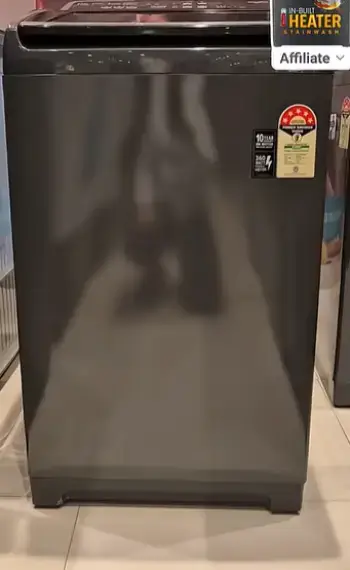
- 6th Sense technology: Sensors check load size and fabric type, then set water levels and wash intensity automatically.
This reduces guesswork on mixed family loads and keeps water use under control without constant manual changes.
- Load & Go dispenser systems: Many models hold detergent for twenty to forty loads so you fill the reservoir once and let the machine dose the right amount.
This cuts daily measuring and helps prevent residue or skin irritation from overuse.
- Removable agitator options on top-load models: Some top-loaders let you remove the agitator for bulky items like comforters or large towels.
That flexibility suits households that wash both regular clothes and occasional oversized loads.
- FreshFlow and odor-control features: Front-load models often include ventilation and antimicrobial seals that limit musty smells between washes.
These systems lower the need for frequent deep cleans even when the door stays closed most of the time.
- Adaptive wash actions and soil sensing: The machine can increase agitation or extend time for heavily soiled items while treating delicates more gently.
Cleaning stays consistent across varied loads that kids or outdoor work create.
- Straightforward controls and cycle selection: Dial-and-button interfaces remain common and easy to understand.
Even smart models keep the physical panel usable so older users or guests can run a cycle without an app.
Pros Of Whirlpool Washing Machines
- Strong value proposition: You typically pay less upfront for solid capacity and cleaning power. Lower purchase price plus easier repairs improve the total cost of ownership over many years.
- Proven reliability and repairability: Many owners report ten to fourteen years of service with basic care. Parts stay widely stocked and technicians know the machines well so fixes stay simpler and cheaper.
- Excellent everyday cleaning performance: Adaptive sensing and solid mechanical design handle mixed family laundry effectively. Stain removal on common soils stays consistent without premium cycles for every load.
- Practical features that solve real problems: Removable agitators, large dispensers, and hard-water adaptations address common household frustrations directly. These tools prove useful in daily routines rather than sitting unused.
- Intuitive operation for all ages: Controls feel familiar from the first use. Guests or older family members can run a cycle without reading a manual or opening an app.
- Good energy and water efficiency on modern models: Current machines keep utility costs reasonable and meet typical efficiency expectations. Sensing systems avoid waste on smaller or lighter loads.
Cons Of Whirlpool Washing Machines
- Fewer advanced smart and AI features: Connectivity exists on select models but feels secondary to basic performance. Users who want the machine to learn habits or join a full smart-home system may find the options limited.
- Design can feel more traditional: Finishes and control layouts prioritize function over visual flair. Some buyers prefer a more premium or modern look in an updated laundry space.
- Noise levels vary by model: Entry and mid-range units can sound louder during spin than top Samsung counterparts. Vibration control is present yet not always class-leading in open floor plans.
- Warranty length on certain components: Comprehensive coverage is often shorter than the long motor warranties Samsung advertises. Extra protection may require an additional plan purchase.
- Front-load door seals still need attention: Moisture management matters like most front-loaders. FreshFlow helps, yet regular wiping and occasional deep cleans remain necessary for best results.
Also Read: Comparison Of Affresh And Active Washing Machine Cleaner
Key Features Of Samsung Washing Machines
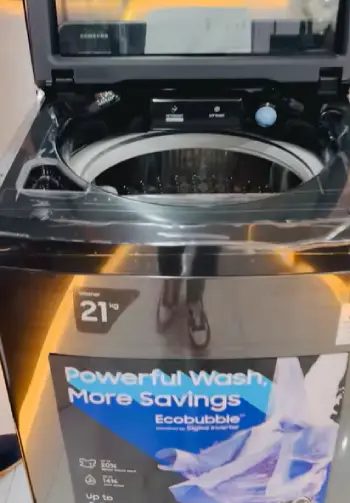
- AI Wash and sensor-driven automation: The system checks weight, fabric, and soil level, then selects or adjusts the cycle and detergent amount.
Fewer rewashes occur once the machine learns typical household patterns.
- EcoBubble technology: Detergent mixes with air and water to form bubbles that enter fabric quickly even at lower temperatures.
Everyday clothes clean well while energy use stays lower than traditional hot washes.
- Digital Inverter Motor: The brushless design runs quieter, uses less electricity, and often carries warranties of ten to twenty years.
Longevity of the drive system becomes a clear long-term advantage.
- SmartThings app integration and connectivity: You can start cycles remotely, receive finish notifications, and check energy use from your phone.
Households already using Samsung devices gain the most from this connected setup.
- Super Speed and QuickDrive cycles: Certain models finish small or lightly soiled loads in under an hour and sometimes much faster.
Busy schedules benefit when clean clothes are needed the same morning or evening.
- Hygiene Steam and specialized cycles: Steam options help reduce bacteria and allergens on bedding or baby clothes.
A wide range of fabric-specific programs covers sportswear, delicates, and heavy loads without extra steps.
- Vibration Reduction Technology: The system keeps the machine stable and quieter during high-speed spins.
Apartment dwellers notice the difference right away when the laundry area sits near living spaces.
Pros Of Samsung Washing Machines
- Leading smart features and automation: AI Wash, auto-dosing, and app control reduce daily effort once the system is set up. Many loads require little more than loading the drum and pressing start.
- Quiet, refined operation: Vibration reduction and the inverter motor combine for noticeably lower noise. You can run a cycle at night or near living areas with less disruption to the household.
- Strong energy efficiency and fabric care: EcoBubble and AI optimizations support effective cleaning at lower temperatures with less water and detergent. Clothes often come out cleaner with reduced wear over time.
- Modern design and finish options: Bespoke lines and clean front panels look contemporary in updated laundry rooms. Color and material choices help the machine blend with surrounding décor.
- Long motor warranties and solid build on the drive system: The Digital Inverter Motor’s extended coverage provides peace of mind on one of the most expensive components. Quiet performance continues for many years with proper care.
- Versatile cycle selection and specialized programs: From super-speed options to hygiene steam and fabric-specific modes, the range covers nearly every laundry scenario. Users rarely need workarounds for unusual loads.
Cons Of Samsung Washing Machines
- Higher price on feature-rich models: You pay a premium for AI, large touchscreens, and advanced connectivity. Budget-focused buyers may find mid-range Whirlpool options deliver enough performance for less money.
- Greater reliance on electronics: Control boards and sensors add complexity to the machine. Issues can become more expensive or time-consuming to diagnose than purely mechanical problems.
- Learning curve for full feature use: Not every household will explore every AI mode or app function. Unused technology still contributes to the higher purchase cost.
- Service and parts can feel less local in some areas: Coverage exists, yet the specialized nature of certain components sometimes leads to longer wait times. This contrasts with more ubiquitous brands that stock common parts widely.
- Potential for app or connectivity frustrations: Wi-Fi setup, software updates, or account requirements can annoy users who simply want a reliable washer. Digital overhead feels unnecessary for those who prefer basic operation.
Real-World Performance And Ownership Experience
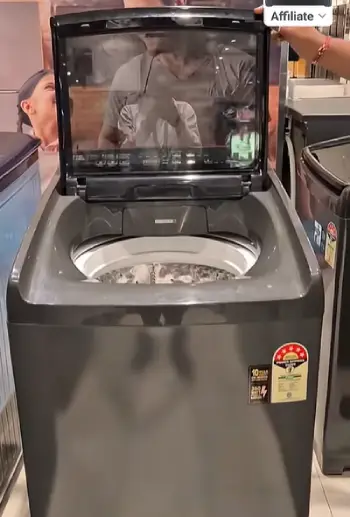
When I ran similar loads through representative models from both brands, cleaning results stayed close on everyday dirt, grass stains, and food marks.
Samsung pulled slightly ahead on lower-temperature washes thanks to EcoBubble and AI adjustments. Whirlpool matched it on heavier soils when using adaptive or heavy-duty cycles.
Water and energy use favored Samsung on the most efficient settings, yet Whirlpool kept consumption competitive and avoided waste through sensing.
Spin performance varied by specific model more than by brand; higher RPM units from either side left clothes drier.
Long-term ownership tips remain similar: clean the detergent drawer and door seal regularly, avoid overloading, use the right detergent type, and run an occasional maintenance cycle. Whirlpool’s simpler architecture makes basic troubleshooting feel more approachable.
Samsung rewards users who stay on top of app notifications and drum-clean reminders.
Capacity options overlap heavily. Both offer top-load and front-load machines in sizes suitable for singles, couples, and large families.
Front-loaders generally use less water and can stack with dryers; top-loaders load more easily and often cost less.
Also Read: Comparison Of Affresh And Tide Washing Machine Cleaner
Who Should Choose Which Brand?
Choose Whirlpool if you want a dependable workhorse that prioritizes cleaning performance, ease of repair, and lower long-term ownership costs.
It suits households that value straightforward controls, solid build quality, and practical features over the latest automation. Families in hard-water areas or those who prefer traditional top-load designs often land here.
Choose Samsung if smart features, quiet operation, modern design, and energy-saving automation matter more to you.
It fits tech-comfortable users, apartments where noise is a concern, and anyone already invested in a connected home ecosystem. The extra upfront cost buys convenience and refinement that many owners use daily.
Neither brand is universally superior. Your laundry volume, preference for technology, sensitivity to noise, and budget decide the winner more than any single specification.
Frequently Asked Questions (FAQ)
Neither is better overall. Whirlpool wins on value, repair ease, and simplicity. Samsung wins on smart features, quietness, and modern automation. Match the brand to your priorities.
No single brand holds that title. Performance, reliability, and features vary by specific model and how well it fits your household. Both Whirlpool and Samsung rank among the strong mainstream options.
Rankings shift by year, region, and testing criteria. Consumer satisfaction and reliability studies often place several brands near the top, including both of these. Focus on recent model reviews rather than overall brand crowns.
Yes. Whirlpool remains a solid choice for dependable cleaning, widespread service support, and competitive pricing. Many owners report years of reliable use when the machine receives basic care.
Wrapping Up
In the end I realized the decision comes down to the kind of laundry days you actually live. If you want a machine that simply works well for years with minimal fuss, Whirlpool will likely feel right.
If you want the washer to handle more of the thinking and integrate with the rest of your connected home, Samsung becomes the clearer pick. Measure your space, list your non-negotiables, and test the controls in person if possible.
Whichever you choose, both brands can deliver clean clothes and years of service when you match the model to your real needs.
You will know you made a smart call once the first few loads come out looking and smelling the way you expected.
Recent Posts
Deckorators Voyage Decking Reviews: Is This Premium Composite Decking Worth Buying?
If you want a beautiful outdoor deck that can handle moisture, heavy foot traffic, and changing weather without constant maintenance, Deckorators Voyage decking deserves serious consideration.I...
Plantation Shutters Vs. Faux Wood Blinds: Which Window Treatment Wins For Your Home?
I have spent years choosing window coverings for my own home and helping friends decide between options that actually work day to day. My goal here is to give you a clear, practical...