
I’ve spent months testing filaments side by side on my Bambu printers and others, and the Polymaker versus Bambu Lab matchup keeps coming up because both deliver strong results yet serve slightly different priorities.
My goal here is to break down real print quality, convenience, cost, material range, and everyday usability so you can decide which spool belongs on your shelf for the jobs you actually run.
| Aspect | Polymaker | Bambu Lab |
| Best known for | Broad material lineup & surface finish | RFID auto-setup & AMS convenience |
| Typical price range | Mid to premium | Premium |
| Diameter tolerance | Tight (±0.03 mm common) | Very tight (often ±0.02–0.05 mm) |
| AMS / multi-color ease | Manual profile selection | Automatic RFID detection |
| Material variety | Extensive (PLA variants, PETG, ABS, ASA, PC, TPU, composites) | Solid core range focused on printer ecosystem |
| Surface quality | Excellent matte and gloss options | Clean, consistent, good matte finishes |
| High-speed capability | Strong (especially PolySonic lines) | Excellent, tuned for Bambu speeds |
| Spool style | Cardboard or plastic, some reusable options | Reusable spools with refills common |
| Printer compatibility | Universal, with Bambu Studio profiles available | Optimized for Bambu hardware |
| Value for non-Bambu users | High | Lower (ecosystem features unused) |
Key Differences Between Polymaker And Bambu Filament
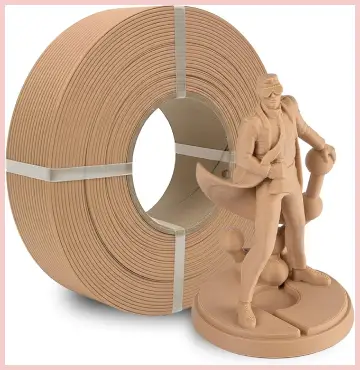
- Material range and specialization: Polymaker offers a wider catalog that includes impact-resistant PolyMax lines, high-flow PolySonic options, matte PolyTerra, and engineering grades like PC and carbon-filled composites while Bambu focuses on a tighter set of everyday and high-speed materials that pair tightly with their hardware profiles.
- Convenience features: Bambu embeds RFID chips so the AMS reads type, color, and remaining length automatically whereas Polymaker requires you to select or load a profile manually even though official Bambu Studio presets exist and work well.
- Price and packaging: Polymaker often sits in the mid-to-upper range depending on the exact line while Bambu carries a premium partly justified by reusable spools and the RFID system with refill options that can bring the per-kilogram cost closer over time.
- Finish and mechanical feel: Polymaker frequently wins on pure surface aesthetics especially with matte and specialty colors whereas Bambu prints cleanly at high speed with reliable layer bonding on their machines.
- Ecosystem lock-in versus flexibility: Bambu shines inside its own printers and AMS system while Polymaker remains printer-agnostic and still performs strongly on Bambu hardware once you dial the profile.
These differences show up most clearly when you run multi-color jobs versus single-material functional parts or when you switch between different printer brands.
Key Features Of Polymaker Filament
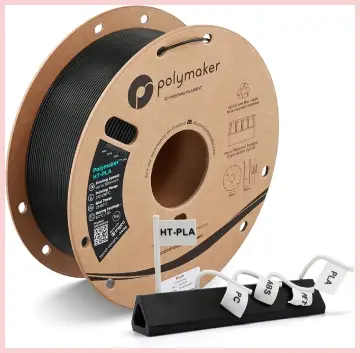
- Wide family of PLA options: PolyLite covers standard use, PolyMax delivers higher impact strength, PolyTerra produces matte low-shine surfaces that hide layer lines, and PolySonic handles high volumetric flow so each targets a different use case without forcing you into one compromise.
- Engineering and specialty materials: Solid PETG, ABS, ASA, polycarbonate blends, flexible TPU grades, and fiber-reinforced options give you room to move from display models into functional or outdoor parts with confidence.
- Consistency and diameter control: Tight tolerances reduce under-extrusion or clogs during long prints and color batches stay predictable which matters when you reprint matching parts months later.
- Official slicer support: Ready profiles for Bambu Studio make first-layer adhesion and cooling settings reliable out of the gate on X1, P1, and A1 series machines so setup stays simple.
- Sustainability touches: Cardboard spools on many lines and claims around carbon offsetting appeal if you care about packaging waste and want a cleaner option on the shelf.
In daily use I reach for Polymaker when I want a specific finish or mechanical property that standard PLA cannot deliver.
The filament feeds cleanly and rarely surprises me with stringing once temperatures are set.
Pros Of Polymaker Filament
- Superior surface options and finish variety: Matte PolyTerra and other specialty lines produce parts that look finished without post-processing and layer lines disappear more effectively than many glossy competitors on the market.
- Broader material choice for functional needs: Impact-resistant and high-temperature grades let you print tougher parts without switching brands so one supplier can cover prototypes through end-use components.
- Strong performance across printer brands: It works well on Bambu, Prusa, Creality, and others which means you are not tied to a single ecosystem when your shop grows.
- Reliable diameter and low defect rate: Fewer clogs and more predictable extrusion appear during overnight jobs while batch-to-batch consistency holds up in real testing over time.
- Available official profiles reduce trial-and-error: Bambu Studio users can load tested settings and start printing with minimal tuning which saves time on every new spool.
These strengths make Polymaker feel like a versatile workhorse. When I need a specific mechanical property or a particular aesthetic, I rarely look elsewhere first.
Cons Of Polymaker Filament
- Higher price on many specialty lines: You pay for the quality and range so budget bulk PLA from other makers undercuts it on pure cost per kilogram when volume matters most.
- No automatic RFID recognition: On Bambu AMS systems you must select the filament type and color manually each time and that friction adds up during frequent color changes across long sessions.
- Some lines need careful drying: Like most quality filaments the hygroscopic grades perform best when stored properly because moisture shows up as stringing or weak layers if ignored for too long.
- Cardboard spools can feel less durable: Flanges occasionally deform under rough handling compared with heavier plastic hubs which can become an annoyance in a busy workspace.
None of these are deal-breakers for me, but they matter if your priority is pure plug-and-play multi-color printing or absolute lowest cost.
Key Features Of Bambu Lab Filament
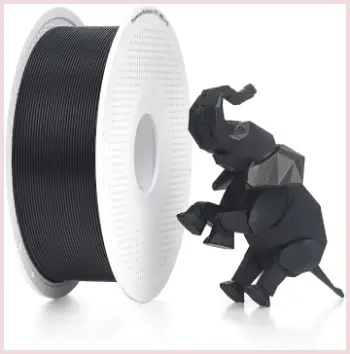
- RFID-enabled spools: Drop the spool into the AMS and the printer recognizes material type, color, and approximate remaining length so print settings load automatically and one more manual step disappears during multi-color jobs.
- High-speed tuning: Formulations and factory profiles are built around the flow rates and cooling of Bambu printers which means clean results at 200–300 mm/s become routine on basic PLA.
- Reusable spool system: Many spools accept refill coils which cuts plastic waste and lowers long-term cost once you own the empty hubs and start cycling them regularly.
- Consistent surface and color accuracy: Prints come out with sharp detail and predictable color matching while matte versions hide layer lines effectively for display work that needs a finished look.
- Ecosystem integration: Profiles live inside Bambu Studio by default so remaining filament tracking and multi-material coordination feel seamless when everything stays inside the Bambu world.
I use Bambu filament most often for AMS multi-color runs or when I want zero setup friction after swapping spools. The convenience is real if your workflow stays inside that hardware.
Pros Of Bambu Lab Filament
- Effortless AMS workflow: RFID detection removes guesswork so multi-color prints start faster and with fewer mistakes in material selection every time you load a new spool.
- Excellent high-speed results on native hardware: Clean bridging, minimal stringing, and sharp detail appear at the speeds Bambu printers are known for without extra calibration work.
- Reusable spools lower long-term waste and cost: Once you own the hubs the refills become more economical and reduce plastic volume across months of regular printing.
- Predictable color and dimensional consistency: Parts match across spools more reliably than many third-party options and color accuracy stays high for matching sets.
- Factory profiles remove most tuning: Load the spool and the recommended temperatures, flow, and cooling arrive automatically which keeps the process simple for everyday jobs.
For pure convenience inside a Bambu setup, these advantages are hard to ignore. Multi-material projects feel smoother from start to finish.
Cons Of Bambu Lab Filament
- Premium pricing without always matching the absolute best mechanical scores: Independent tests sometimes show comparable or slightly better tensile and impact numbers from other brands at lower cost so the value depends on how much you use the ecosystem features.
- Limited benefit outside Bambu printers: RFID and native profiles do nothing on non-Bambu machines which means the value proposition shrinks when you run mixed hardware.
- Narrower specialty range compared with dedicated filament makers: You find solid everyday and a few advanced options yet fewer niche formulations for extreme impact or unique finishes that some projects demand.
- Ecosystem and software controversies affect some users’ trust: Concerns around open-source licensing, firmware restrictions on third-party tools, and cloud dependency have created ongoing discussion in the community even though the filament itself stays well regarded for quality.
- Occasional stock and availability fluctuations: Popular colors or refill options can sell out and force temporary switches which interrupts workflow when you need a specific shade right away.
These drawbacks become noticeable if you run mixed printer fleets or prioritize lowest cost over convenience.
Real-World Print Performance And User Experience
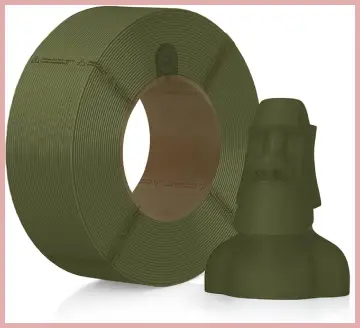
When I load Polymaker PolyTerra or PolyLite on a Bambu X1 or P1 series, the first layers stick reliably and surface quality stays high even at elevated speeds.
Bridging tests show minimal sag, and stringing stays low after a short temperature calibration.
Impact-resistant grades handle drop tests better than basic PLA from either brand.
The matte finishes hide layer lines so effectively that some display models need almost no sanding.
Bambu’s own PLA Basic and matte variants produce equally clean results on the same machines, often with slightly less manual intervention because the RFID path loads the exact profile.
High-speed runs feel effortless. Color matching across multi-spool AMS jobs is precise. For pure functional strength in everyday PLA, the difference between the two is small enough that convenience and price usually decide the winner.
PETG and higher-temperature materials from both brands print successfully on enclosed Bambu models.
Polymaker’s versions sometimes show better bed adhesion consistency in my tests, while Bambu’s stay more plug-and-play. Both benefit from drying before use.
I treat both as premium options. Cheap bulk filament still has its place for pure volume, yet neither Polymaker nor Bambu belongs in that category. Failures from diameter variation or poor winding are rare with either.
Who Should Choose Which Brand?
If your printer is a Bambu and you run frequent multi-color AMS jobs, Bambu filament removes friction every single time you change spools.
The reusable system also appeals if you print high volume and want to reduce packaging waste over months.
If you value surface aesthetics, specific mechanical properties, or you own mixed brands of printers, Polymaker gives you more choices and still works cleanly on Bambu hardware. The official profiles make the transition nearly as easy as native filament once you load them.
Many users, myself included, keep both on the shelf. Bambu for quick multi-color display work and Polymaker for functional parts that need extra toughness or a particular matte look.
Cost calculations change with local pricing and refill availability, so check current numbers before locking in a long-term preference.
Frequently Asked Questions (FAQ)
Yes. Standard 1.75 mm Polymaker filaments print well on Bambu printers. Official Bambu Studio profiles exist for many lines and deliver reliable results.
Yes. It earns strong marks for consistency, surface quality, and material range across independent tests and daily use.
It is excellent inside the Bambu ecosystem thanks to RFID and tuned profiles. Outside that hardware or for pure mechanical strength at the lowest cost, other quality brands often match or exceed it.
Community discussion centers on open-source licensing of its slicer software, firmware changes that affect third-party tools, cloud dependency, and earlier patent disputes. The filament itself is generally well regarded for quality and convenience.
Final Thoughts
After running both brands through the same printers, models, and stress tests, I see two capable options that simply prioritize different strengths.
Polymaker gives me the wider toolbox and often the prettier or tougher finished part. Bambu gives me the smoothest daily experience when everything stays inside its hardware and AMS system.
You should weigh how often you change colors, whether you print functional or display pieces, and how much you value automatic detection versus material variety.
Test a couple of spools from each in your own setup. The differences become clear once you hold the printed parts and count the minutes you spent loading settings. Either choice will produce reliable results; the better one is the one that matches the way you actually print.
Recent Posts
● Interactive 5-Zone Interior & Exterior Paint Blueprint Paint Coverage Calculator: Gallons, Primer, Square Footage & Cost Tap any architectural surface zone on the blueprint...
If you want smooth, shiny hair without spending a fortune on a premium styling tool, the Ella Bella hair dryer may be worth considering.In these Ella Bella hair dryer reviews, I’ll look...