
I spend a lot of time on my feet, so I know how quickly uncomfortable shoes can turn an ordinary day into a tiring one.
That is why I decided to try the Spenco Polysorb Cross Trainer insoles and pay attention to cushioning, arch support, stability, and everyday comfort.
If you want an insole designed for active use and need extra support inside your shoes, I think the Polysorb Cross Trainer is worth considering.
Its combination of cushioning and structured support makes it especially interesting for walking, gym sessions, running errands, and other daily activities.
My First Experience With The Polysorb Cross Trainer Insoles
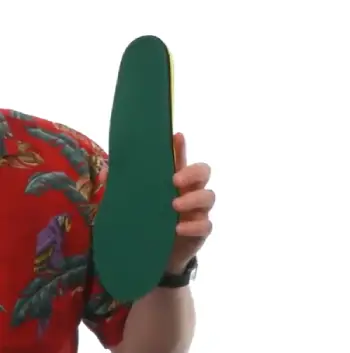
When I first put the Polysorb Cross Trainer insoles into my shoes, the first thing I noticed was the additional cushioning under my feet.
I could immediately feel that the original shoe footbed had been replaced with something more supportive and structured.
I usually pay attention to three things when testing an insole: how my feet feel after several hours, whether my heels stay stable, and whether the insole creates uncomfortable pressure anywhere.
The Polysorb Cross Trainer performed reasonably well in all three areas.
The cushioning felt particularly useful during walking. Instead of feeling every bit of impact through the soles of my shoes, I felt a softer transition with each step.
That does not mean the insole makes every shoe feel luxurious, but it does add a noticeable layer of comfort.
I also liked the way the arch area felt more structured than a basic flat shoe insert. If your shoes have very little built-in support, adding an insole like this can change the overall feel considerably. My feet felt more supported rather than simply padded.
Another thing I appreciated was the balance between cushioning and firmness. Some soft insoles feel comfortable when you first put them on but become less satisfying after several hours. The Polysorb Cross Trainer has a more supportive feel, which made it better suited to active footwear for me.
However, I would not automatically assume it will work perfectly for every foot. Everyone’s arch shape, shoe design, walking pattern, and comfort preferences are different. I also found that the available space inside the shoe matters. A supportive insole can feel great in a roomy sneaker but make a snug shoe feel cramped.
Overall, my experience was positive. I would describe the Polysorb Cross Trainer as a practical upgrade for someone who wants more cushioning and support than a standard removable footbed provides.
What Makes The Polysorb Cross Trainer Different?
The Polysorb Cross Trainer is designed around the needs of active users. Rather than simply adding a thick layer of foam, the insole combines cushioning with structural support.
That distinction matters to me.
When I buy an insole, I do not want something that only feels soft for the first ten minutes. I want something that continues to feel supportive when I am walking around, standing, exercising, or handling a busy day.
The Polysorb design incorporates cushioning materials intended to absorb impact while providing a supportive foundation for the foot. It also has an arch-support structure that can make a noticeable difference when your existing footwear feels too flat.
Another useful feature is its heel cushioning. Your heel takes considerable force while walking and exercising, so additional cushioning in this area can make shoes feel more comfortable.
I also like the fact that an insole can change the character of an existing shoe without requiring you to buy a completely new pair. If your sneakers are still in good shape but their original footbeds feel worn or inadequate, replacing the inserts can be a relatively simple improvement.
Pros Of Polysorb Cross Trainer Insoles
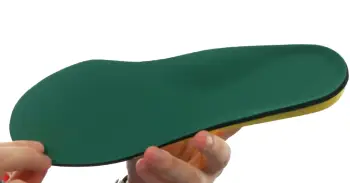
- Comfortable Cushioning for Daily Movement
The biggest advantage I noticed is cushioning. If you spend hours walking or standing, your feet can start feeling tired even when your shoes themselves are comfortable.
The Polysorb Cross Trainer adds another cushioning layer between your feet and the shoe. For me, that made longer periods of walking feel more manageable.
I especially appreciated this when wearing sneakers for several consecutive hours. The cushioning helped reduce the harsh feeling that can come from walking on firm surfaces.
If you are looking for an insole mainly because your current shoes feel too hard underneath, this is one of the strongest reasons to consider it.
- Supportive Arch Design
I also liked the added structure around the arch.
A completely flat insole may not provide the support everyone wants. With the Polysorb Cross Trainer, I could feel that the foot was not simply sitting on a flat piece of cushioning.
The arch support gives the footbed a more purposeful shape. For people who prefer some structure under the middle of their feet, this can make sneakers feel considerably more supportive.
However, I would not recommend assuming that more arch support is automatically better. Your foot shape matters. If you have a very different arch profile, you may need an insole designed specifically around your needs.
- Useful for Active Shoes
The name Cross Trainer is appropriate because the insole works naturally with athletic footwear.
I found the concept particularly appealing for walking, gym use, casual workouts, and general daily activity. If your sneakers are used for multiple purposes rather than one specialized sport, a versatile insole can be convenient.
Instead of switching between different inserts for every activity, you can use one supportive option in your everyday athletic shoes.
- Heel Cushioning
Heel comfort is another strong point.
When I walk, my heel repeatedly absorbs impact. If the original shoe insert offers very little cushioning, that repetitive impact can make the shoes feel harsh.
The Polysorb Cross Trainer provides additional cushioning around the heel area, which contributes to a more comfortable step.
I found this especially helpful when walking on hard indoor or outdoor surfaces.
- Can Refresh Older Sneakers
One of my favorite advantages of replacement insoles is that they can give older footwear a second life.
If your shoes are still structurally sound but the original footbeds have become flat or uncomfortable, replacing them may make the shoes feel much better.
That does not mean an insole can repair worn-out shoes. If the outsole is damaged or the shoe has lost its structural integrity, replacing the insole will not solve the underlying problem.
But when the problem is simply an uncomfortable or worn footbed, an insole can be a useful upgrade.
- Good Balance Between Softness and Structure
I prefer cushioning that does not feel excessively squishy. The Polysorb Cross Trainer has a supportive character that I found more practical than an ultra-soft insert.
When I walk, I want my foot to feel cushioned without feeling like it is sinking into the insole.
That balance is important because comfort is not only about softness. Stability and consistent support also contribute to how a shoe feels throughout the day.
Cons Of Polysorb Cross Trainer Insoles
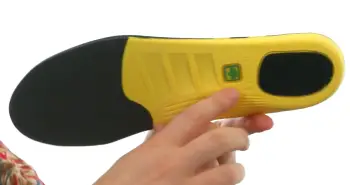
- May Feel Too Structured for Some Feet
The same structure that makes the Polysorb Cross Trainer appealing to me could be uncomfortable for someone who prefers a flatter footbed.
If you are accustomed to minimal inserts, the additional arch support may initially feel noticeable.
That is not necessarily a flaw, but it means you should consider how your feet normally respond to supportive footwear.
- Can Reduce Interior Shoe Space
An aftermarket insole takes up space.
This is something I always check before replacing a shoe’s original footbed. If your sneakers are already snug, adding a thicker or more structured insole can make your toes or the top of your foot feel crowded.
I recommend checking whether the original removable footbed can be taken out and comparing its thickness with the replacement.
- Not a Universal Solution
I would not treat the Polysorb Cross Trainer as a solution for every type of foot discomfort.
If you have persistent foot pain, significant biomechanical problems, or a diagnosed foot condition, a general-purpose athletic insole may not be enough. In that situation, professional advice can help determine what type of support is appropriate.
- Initial Adjustment May Be Noticeable
Even when an insole feels comfortable, changing the shape underneath your feet can take some getting used to.
I prefer gradually increasing wear time instead of immediately wearing a new insole for an entire day.
That gives me a better opportunity to notice whether the arch, heel, or overall thickness works with my shoes.
Maintenance Tips Polysorb Cross Trainer Insoles
- Keep the Insoles Dry
Moisture is one of the biggest enemies of footwear inserts.
If I have been exercising heavily or wearing the same shoes for a long period, I give the insoles enough time to air out. I avoid putting damp insoles into an enclosed shoe and leaving them there overnight.
Good ventilation helps keep the material fresher and reduces unpleasant odors.
- Clean Them Gently
I prefer gentle cleaning rather than aggressive scrubbing.
If the manufacturer’s care instructions permit washing, use a mild cleaning method and avoid harsh chemicals that could affect the materials. After cleaning, let the insoles dry naturally.
I would avoid using excessive heat to speed up the process because high temperatures can affect footwear materials.
- Rotate Your Footwear
If I know I will be wearing the same sneakers every day, I try to give them occasional rest.
Rotating shoes allows both the footwear and the insoles to dry and recover between uses. It can also reduce the amount of moisture and odor that builds up inside the shoe.
Even if you only have one favorite pair, taking the insoles out occasionally can help with ventilation.
- Check the Shape Regularly
I recommend looking at the insole every few weeks.
Pay attention to compressed areas, uneven wear, cracks, or changes in the arch structure. If one part has become noticeably flattened, the insole may no longer provide the same level of support.
I also check whether the heel area is still holding its shape.
- Keep the Shoes Clean
Insole maintenance is not only about the insert itself.
If the inside of your shoes is dirty or damp, putting a clean insole inside will not solve the whole problem. I keep my footwear reasonably clean and dry so the insoles have a better environment.
- Use the Correct Size
A properly sized insole should sit securely inside the shoe without excessive movement.
If it is too large, it may bunch around the toes or heel. If it is too small, it may shift while walking.
I always make sure the insole lies flat before using the shoes for extended periods.
- Replace When the Support Breaks Down
Even a good insole does not last forever.
The important thing for me is not a specific calendar date but the condition of the insert. If the cushioning becomes noticeably compressed or the structure starts changing shape, I consider replacement.
A worn insole can provide much less support than it did when new.
Comparison Of Polysorb Cross Trainer With Other Insole Options
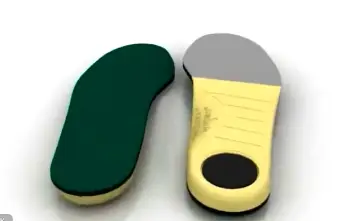
- Polysorb Cross Trainer vs Basic Foam Insoles
Basic foam inserts usually focus primarily on adding softness. They can be inexpensive and comfortable, but they may not provide the same structured feel.
I would choose a basic foam insert when I simply want extra padding. The Polysorb Cross Trainer makes more sense to me when I want cushioning combined with noticeable arch and heel support.
- Polysorb Cross Trainer vs Gel-Based Insoles
Gel inserts are often attractive to people who prioritize impact absorption and a softer step.
In my experience, gel-style cushioning can feel particularly comfortable under the heel. However, the overall feel depends heavily on the design.
The Polysorb Cross Trainer has a more athletic, structured character, making it appealing when I want support throughout the foot rather than focusing mainly on softness.
- Polysorb Cross Trainer vs Scholl Insoles
Scholl offers several types of insoles aimed at different comfort needs, including options focused on cushioning and everyday support.
The major difference is that individual models can vary significantly in construction and intended use. I would not compare an entire brand to one Polysorb model without considering the specific insole.
For athletic shoes, I would pay close attention to arch design, heel cushioning, thickness, and intended activity before choosing.
- Polysorb Cross Trainer vs Dr. Scholl’s Athletic Insoles
Athletic-focused Dr. Scholl’s inserts are another common alternative.
The right choice depends on what you personally want from an insole. If you prefer a softer, more immediately cushioned sensation, one design may appeal to you. If you want a structured athletic footbed, the Polysorb Cross Trainer may fit your preference better.
The shoe itself also matters. An insole that feels excellent in one sneaker can feel completely different in another.
Who Should Consider The Polysorb Cross Trainer?
I think this type of insole makes the most sense for people who spend a lot of time walking, standing, exercising, or using athletic shoes throughout the day.
It can also be useful if your current shoe inserts have become flat or uncomfortable but your shoes themselves are still in good condition.
If you prefer structured support, cushioning, and a more supportive athletic feel, this is worth considering.
On the other hand, if you strongly prefer minimalist footwear or very soft, flat inserts, the Polysorb design may not match your preferences.
The best approach is to think about what your current shoes are missing. Do they feel too hard? Do they lack arch support? Does your heel need additional cushioning? Once you answer those questions, deciding whether this style of insole makes sense becomes easier.
Also Read: Is Spenco RX Comfort Insoles Worth It?
Frequently Asked Questions (FAQ)
People commonly discuss their cushioning, arch support, comfort, and usefulness in athletic footwear, while individual experiences vary.
There is no single insole universally recommended for everyone. Podiatrists typically consider the individual’s foot shape, symptoms, activity, and footwear needs.
It depends on your goal. Scholl makes different insoles for cushioning, everyday comfort, and specific support needs.
There is no universal best brand. The most suitable option depends on your foot shape, footwear, activity, and the type of support you need.
Final Thoughts
After considering cushioning, support, comfort, and everyday usability, I see the Polysorb Cross Trainer as a practical choice for active footwear.
I especially like it if you want to upgrade a sneaker that feels too flat or lacks cushioning. If your shoes have enough room and you prefer a structured athletic insole, I think it is worth buying and trying.
Just remember that comfort is highly individual, so choose based on your own foot shape and footwear needs rather than assuming one insert works for everyone.
Recent Posts
I went into these KeepFit Keto Gummies reviews expecting a convenient way to support a keto routine, but the more I looked at the product and customer feedback, the less comfortable I felt...
Mason Natural Vitamins Reviews: My Honest Experience and Buying Guide
After using and comparing different everyday vitamin options, I found Mason Natural vitamins interesting because the brand offers a broad range of formulas without making the whole experience...