
I have spent weeks flying both the Potensic Atom 2 and the DJI Mini 3 side by side. I put them through real trips. I tested evening shoots.
I used everyday practice sessions. You can see exactly how they stack up. My goal here is to give you a clear practical breakdown of their cameras.
I cover flight times. I cover features. I cover daily feel. You can decide which one fits your budget. You can decide which one fits your flying style.
| Feature | DJI Mini 3 | Potensic Atom 2 |
| Weight | 248–249 g | Under 249 g |
| Camera Sensor | 1/1.3-inch CMOS | 1/2-inch Sony CMOS |
| Photo Resolution | 48 MP | 48 MP |
| Video | 4K/30 fps HDR | 4K/30 fps HDR |
| Aperture | f/1.7 | f/1.8 |
| Field of View | 82.1° | 79.4° |
| Flight Time (claimed) | 38 min (51 min with Plus battery) | 32 min |
| Transmission Range | Up to 10 km (FCC) | Up to 10 km |
| Gimbal | 3-axis mechanical | 3-axis mechanical |
| Obstacle Avoidance | Downward sensing only | None |
| Remote ID | Available with certain batteries | Built-in |
| Price (approx. standard) | $319–$349 | $299–$330 |
Key Differences Between The Potensic Atom 2 And DJI Mini 3
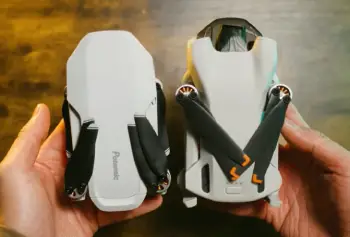
- Sensor size and image quality: The Mini 3 uses a larger 1/1.3-inch sensor. This sensor gathers more light.
It holds detail better in shadows. It holds detail better in highlights. The Atom 2 uses a 1/2-inch Sony sensor.
This sensor performs solid in good daylight. It shows more noise once the light drops.
I saw clearer results from the Mini 3 during late afternoon flights.
- Battery endurance: I routinely get close to 35 minutes on the Mini 3. Careful flying helps reach that time.
The Atom 2 real-world time sits closer to 22 minutes. Wind affects the Atom 2 more. Active stick movement shortens Atom 2 flights further.
Extra minutes on the Mini 3 give more creative options on one charge.
- Smart tracking and extras: The Atom 2 includes AI subject tracking called SurgeFly. It includes built-in Remote ID right out of the box.
The Mini 3 focuses on true vertical shooting. This feature suits social media posts.
The Mini 3 also offers a longer battery option. Each drone prioritizes different tools for daily use.
- Regulatory and freedom factors: Both drones stay under 250 g. Most recreational pilots skip registration with either model.
The Atom 2 includes Remote ID natively. It skips the heavy geofencing many DJI users encounter.
I appreciated the open flying zones with the Atom 2 on several test days.
- Price and value: The Atom 2 costs less than the Mini 3 by a clear margin. It still delivers 4K video.
It still delivers a mechanical gimbal. The Mini 3 rewards the extra spend. Better low-light performance appears.
Longer air time appears. Value depends on what matters most during your flights.
Key Features Of The DJI Mini 3
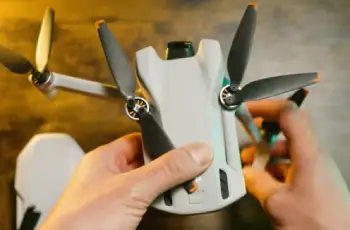
- 1/1.3-inch sensor with f/1.7 aperture: This combination produces cleaner 4K HDR footage.
It produces richer 48 MP stills. Most drones in this weight class fall short here. I notice the difference immediately near sunset.
Tree cover also reveals the advantage. Colors stay natural. Noise stays low.
- True vertical shooting: The gimbal rotates for native 9:16 video.
No cropping is needed. Anyone posting Reels benefits. Anyone posting Shorts benefits. This feature alone saves post-production work.
I used it often for quick social clips during trips.
- Extended battery option: The standard pack already lasts longer than most competitors.
The Plus battery pushes past 50 minutes. Weight then exceeds 249 g. I preferred the standard pack for registration-free flying.
Extra endurance remains available when needed.
- Solid transmission and return-to-home: The O2 system keeps a stable link. Several kilometers work in open areas.
Automatic return activates on low battery. Signal drops also trigger return. Reliability stayed high across my test sessions.
Compact fold and travel-friendly design: The drone slips into a small bag. It fits in a jacket pocket once folded. I carried it on multiple trips.
Bulk never became an issue. Portability matches the light weight perfectly.
Pros Of The DJI Mini 3
- Superior low-light and dynamic range:The larger sensor works with the wider aperture. Colors stay natural. Noise stays low as the sun sets. I trust this drone more for golden-hour landscapes. Shadow detail remains usable. Highlight recovery stays strong.
- Longer real-world flight time: Extra minutes in the air reduce battery swaps. Creative freedom increases on a single charge. I completed longer sequences without interruption. Wind resistance still allows solid times.
- Mature software and ecosystem: The DJI Fly app feels polished. Updates arrive regularly. Spare parts are easy to find. Care plans are easy to find. Support resources remain plentiful after years on the market.
- True vertical video: Social content looks better straight from the camera. Zero crop is required. Vertical posts gain full resolution. I prepared clips faster for sharing.
- Proven reliability: A large user base exists. Troubleshooting tips are common. Third-party accessories are common. Consistency appeared across repeated flights.
Cons Of The DJI Mini 3
- Higher price: Recent discounts still leave it costing more. The Atom 2 offers similar core specs for less. Budget buyers notice the difference quickly.
- Limited obstacle sensing: Only downward sensors exist. Trees require full attention. Buildings require full attention. Power lines require full attention. Manual awareness stays essential.
- Geofencing can feel restrictive: The app blocks certain zones. Local rules sometimes allow those zones. Warnings appear more often than desired. Flight planning takes extra time.
- Older model status: Newer DJI minis exist. Better cameras appear on newer models. Better sensing appears on newer models. The Mini 3 no longer sits at the top.
Key Features Of The Potensic Atom 2
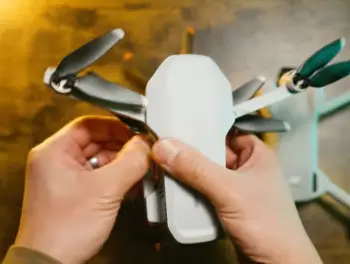
- Sony 1/2-inch 48 MP sensor with 3-axis gimbal: Photos look sharp in bright conditions. 4K video stays smooth.
Mechanical stabilization handles the work. AI Super Night mode helps after dark. The larger Mini 3 sensor still outperforms it.
Daylight results remain competitive for the price.
- Built-in Remote ID: Commercial pilots gain compliance easily. Anyone under stricter rules gains compliance.
No extra module is required. I simply enable it in the app.
The feature is ready for flight immediately.
- AI visual tracking (SurgeFly): It locks onto people. It locks onto vehicles. It follows the subject. Open spaces allow confident tracking.
Trees or poles cause subject loss more often. Higher-end systems handle obstacles better.
- No geofencing restrictions: You decide where to fly. Local laws still apply. Freedom feels refreshing.
Years of DJI warning zones made this noticeable. Test flights stayed unrestricted in allowed areas.
- Competitive range and quiet props: The 10 km transmission claim holds up. Clear conditions support the range.
Propellers stay quieter than many older models. Filming near people benefits. Filming near wildlife benefits.
Pros Of The Potensic Atom 2
- Strong value for money: 4K video arrives at a lower price. A mechanical gimbal arrives at a lower price. Remote ID arrives at a lower price. AI tracking arrives at a lower price. The package feels complete for the cost.
- Native Remote ID and no geofencing: Compliance is simpler for licensed pilots. Zone lockouts common with DJI disappear. Open flying zones become available. Setup stays straightforward.
- Decent tracking and night assist: SurgeFly helps beginners. AI Super Night helps beginners. Extra gear is unnecessary. Open-area tracking works well enough for practice.
- Lightweight and portable: Sub-250 g freedom matches the Mini 3. The foldable frame packs small. Travel becomes easier. Daily carry becomes easier.
- Competitive transmission: Ten-kilometer range matches many higher-priced drones. Open sky supports the claim. Link stability held during my longer tests.
Cons Of The Potensic Atom 2
- Shorter practical battery life: Claimed 32 minutes often lands in the mid-20s. Wind shortens the time. Active flying shortens the time. More battery swaps become necessary.
- Weaker low-light performance: The smaller sensor struggles more after dusk. Noise increases faster. Detail drops faster. The Mini 3 sensor handles these conditions better.
- No obstacle avoidance: Careful flying is required. One misjudged tree branch can end the flight. Awareness must stay high at all times.
- App and build feel less refined: The interface works. It lacks the polish of DJI software. Plastics feel thinner. Long-term durability may suffer more.
- Real-world tracking limits: AI subject lock can drop. Targets moving behind obstacles cause drops. Consistent tracking needs open space.
Camera And Image Quality In Everyday Use
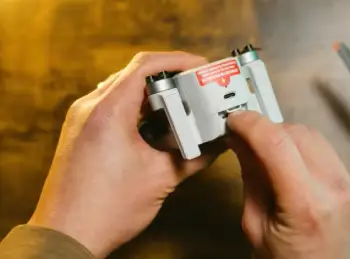
I tested both drones on the same coastal cliffs. I tested them on forest trails. Bright midday light shrinks the difference.
Both deliver crisp 4K footage. Both deliver usable 48 MP stills. Clouds change the result. Sunset changes the result.
The Mini 3 pulls ahead. Shadows retain more detail. Highlights resist clipping. Noise stays lower.
The Atom 2 AI Night mode tries to compensate. The larger sensor on the Mini 3 collects more light.
Color science also differs. DJI footage often needs less correction. Editing stays simpler. Potensic files look good.
White-balance tweaking is sometimes required. Pure social media vertical clips favor the Mini 3. Its rotating gimbal enables native framing.
The Atom 2 forces a crop. Sideways flying becomes the alternative.
Flight Performance And Handling
Both drones feel stable in moderate wind. Level 5 conditions work for either model. The Mini 3 longer endurance lets me explore farther.
Battery percentage needs less watching. Return-to-home works on both. Visual line of sight remains important.
The Atom 2 controller and app suit beginners. Stick response is quick in sport mode. Quieter props help near quiet locations.
The Mini 3 feels more refined in the air. Mode transitions stay smoother. Neither drone has side sensors.
Neither has forward sensors. Tree-lined paths demand full attention on either machine.
Who Should Choose Which Drone?
Image quality in mixed light matters most to some pilots. Longer flights matter most to some pilots. A polished app matters most to some pilots.
The DJI Mini 3 is the safer pick for those needs. I still reach for it when light will be imperfect. I reach for it when every extra minute of air time counts.
Budget is tight for other pilots. Built-in Remote ID matters. Fewer software restrictions matter.
Good daylight flying is the norm. The Potensic Atom 2 delivers impressive capability. It is a genuine alternative. It is not a cheap imitation.
Both stay under the 250 g threshold. Recreational pilots in many countries avoid registration hassles. Always check local rules before you fly.
Frequently Asked Questions (FAQ)
The Mini 3 edges ahead on image quality. It edges ahead on flight time. The Atom 2 wins on price. It wins on built-in Remote ID.
In the sub-250 g class the Atom 2 comes close on core features. DJI still leads in sensor performance. DJI still leads in software polish.
Yes. Current discounted prices help. The large sensor keeps it relevant. The long battery keeps it relevant for many pilots.
The Atom 2 improves on the older Mini 2. A better sensor appears. A mechanical gimbal appears. Modern extras appear. Competitive pricing remains.
Final Thoughts
I logged real flight hours with both drones. Clear strengths appear on each side. The DJI Mini 3 remains the more capable all-rounder.
Image quality matters. Endurance matters. The Potensic Atom 2 proves major compromises are no longer required.
Lower spending is possible. You now have two solid sub-250 g options. Both deliver 4K video. Both deliver mechanical stabilization.
Match the choice to your typical flying conditions. Match it to how much you value extra minutes in the air.
Match it to whether the lower price or the refined image quality speaks louder. Either way you walk away with a capable portable drone. It is ready for the next adventure.
Recent Posts
I tried Meltoway Hair Dissolving Cream because I wanted a quick way to deal with unwanted body hair without reaching for a razor every few days. If you are looking for a convenient at-home...
If you’re considering a saffron-based supplement to support mood, appetite control, and everyday wellness, Happy Saffron Plus is worth considering.I like that it takes a familiar botanical...