
When I first started exploring acupressure mats, two names kept appearing everywhere: Pranamat and Shakti Mat. Both promise pain relief, relaxation, and better circulation through thousands of pressure points, but choosing between them can feel confusing. In this article, I share my analytical view and personal observations to help you understand how these two mats differ. My goal is simple: help you decide which mat fits your needs, lifestyle, and budget so you can confidently choose the right one for yourself.
A Brief Comparison Table Pranamat Vs Shakti Mat
| Feature | Pranamat | Shakti Mat |
| Origin | Latvia | Australia |
| Material | Natural linen, coconut fiber, plastic spikes | Organic cotton, foam filling, plastic spikes |
| Spike Count | Higher spike density | Moderate spike density |
| Comfort Level | More intense pressure | Slightly gentler sensation |
| Price Range | Premium pricing | Mid-range pricing |
| Best For | Experienced users | Beginners and regular relaxation |
| Eco Focus | Handmade with natural fillers | Ethically produced organic cotton |
| Portability | Slightly heavier | Lightweight and travel friendly |
My Experience With Pranamat
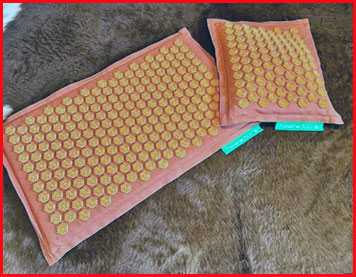
When I first tried the Pranamat, I immediately noticed how intense it felt compared with other acupressure mats I had used before. The spikes are densely packed, which creates a strong stimulation effect the moment you lie down.
At first, the sensation felt sharp and slightly uncomfortable. However, after about three minutes, my body started warming up and the pressure began to feel relaxing instead of painful. This transition is common with acupressure mats, and Pranamat seems designed to accelerate that response.
One thing I appreciated was the natural materials. The linen cover feels premium, and the coconut fiber filling gives the mat a firm structure. It doesn’t compress easily, which means the pressure points stay consistent during use.
In terms of benefits, I noticed improved relaxation after using the mat for about 15 minutes in the evening. My back muscles felt looser, and it helped reduce the stiffness I often get after long hours sitting at a desk.
However, the intensity might be too much for beginners. If you are new to acupressure therapy, the first few sessions may feel overwhelming.
Overall, I see Pranamat as a powerful wellness tool designed for people who want strong pressure stimulation and premium materials.
Read More: Comparison Of Linenspa Vs. Lucid Mattress
Pros Of Pranamat
- High Spike Density: The tightly packed spikes provide intense acupressure stimulation that targets many pressure points simultaneously, which can help improve blood circulation and release deep muscle tension.
- Premium Natural Materials: The mat uses natural linen and coconut fiber filling, creating a firm structure that feels durable, breathable, and environmentally friendly compared to foam-based mats.
- Strong Therapeutic Pressure: The spike arrangement delivers deeper pressure that may help reduce chronic muscle stiffness and improve relaxation after long workdays.
- Handcrafted Production: Each mat is handmade, which often results in better quality control and stronger stitching than many mass-produced acupressure mats.
- Durability And Longevity: Because of the coconut fiber filling, the mat holds its shape for a long time and does not flatten quickly with regular use.
- Improved Blood Circulation: The dense spikes stimulate microcirculation across the back and shoulders, helping many users experience warmth and relaxation during sessions.
- Effective For Back Pain Relief: Many users report noticeable reduction in back discomfort after regular sessions, especially when used for 15–20 minutes daily.
Cons Of Pranamat
- Higher Price Point: Pranamat is noticeably more expensive than many acupressure mats, which may make it less accessible for budget-conscious buyers.
- Too Intense For Beginners: The high spike density can feel extremely sharp for new users, sometimes requiring a gradual adjustment period.
- Heavier Construction: The coconut fiber filling makes the mat slightly heavier and less portable compared with foam-based alternatives.
- Limited Softness: Because the structure is firm, the mat may feel rigid on hard surfaces like wooden floors.
- Not Ideal For Sensitive Skin: People with sensitive skin may find the spikes uncomfortable during initial sessions.
- Requires Careful Storage: Natural fiber materials can degrade if exposed to moisture or improper storage conditions.
- Long Adjustment Period: Some users may need multiple sessions before feeling comfortable with the strong pressure stimulation.
Maintenance Tips For Pranamat
- Regular Airing: Keep the mat fresh by airing it occasionally, allowing the natural materials to breathe and prevent odor buildup.
- Gentle Surface Cleaning: Use a slightly damp cloth to wipe the spikes and fabric surface without soaking the natural filling.
- Avoid Direct Sunlight: Long exposure to strong sunlight may weaken the linen fabric and affect the mat’s durability.
- Proper Storage: Store the mat in a dry, cool place to prevent moisture damage to the coconut fiber interior.
- Avoid Machine Washing: The natural filling can lose structure if submerged in water, so avoid full washing.
- Use A Protective Cover: Placing a thin cloth over the mat can reduce wear and protect the spikes during frequent use.
- Check Spikes Occasionally: Ensure the plastic spikes remain securely attached to maintain consistent pressure performance.
Comparison With Other Brands
- Material Quality Advantage: Pranamat uses coconut fiber instead of foam, offering stronger support compared with many standard acupressure mats.
- Higher Spike Density: Compared to brands like Bed of Nails, Pranamat typically offers a more intense pressure experience.
- Premium Pricing Tier: The mat sits in the high-end category, while many competitors focus on affordability.
- Handmade Craftsmanship: Unlike factory-produced mats, Pranamat emphasizes handcrafted production.
- Stronger Pressure Stimulation: Many users report deeper pressure sensation than entry-level acupressure mats.
- Eco-Friendly Construction: Natural materials give it an advantage over synthetic foam-filled competitors.
- Less Beginner Friendly: Compared with softer mats from other brands, Pranamat may feel more intense initially.
My Experience With Shakti Mat
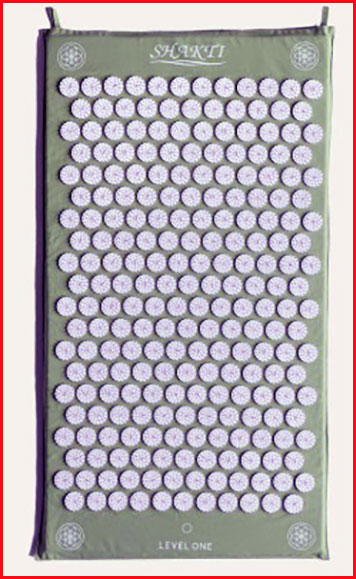
Using the Shakti Mat felt noticeably different from my first experience with Pranamat. The spike distribution is slightly gentler, which made the initial sessions easier to tolerate.
The moment I lay down on the mat, I still felt the characteristic acupressure sensation, but it was less aggressive. This makes Shakti Mat particularly suitable for beginners.
The organic cotton cover also felt soft against the skin, and the foam filling made the mat slightly more flexible. That flexibility allows it to adapt to different surfaces, including beds and couches.
In terms of relaxation, I found Shakti Mat excellent for evening routines. After about 15 minutes of use, my shoulders felt looser and my stress level noticeably decreased.
One major advantage is portability. It’s lightweight and easy to roll up, which makes it convenient for travel or office use.
Overall, Shakti Mat strikes a balance between comfort and therapeutic stimulation.
Pros Of Shakti Mat
- Beginner Friendly Design: The spike distribution offers balanced stimulation without overwhelming pressure, making it suitable for new users.
- Organic Cotton Fabric: The mat uses certified organic cotton, providing a soft and breathable surface against the skin.
- Comfortable Foam Filling: Foam padding allows the mat to adapt to body contours and reduces the harshness of spikes.
- Lightweight And Portable: The mat is easy to roll and carry, which makes it ideal for travel or daily transport.
- Relaxation Support: Many users experience stress reduction and muscle relaxation after short sessions.
- Ethical Production: The brand promotes fair-trade manufacturing practices and sustainable sourcing.
- Affordable Compared To Premium Mats: It offers a more accessible price point while still maintaining good quality.
Cons Of Shakti Mat
- Less Intense Pressure: Experienced acupressure users may find the stimulation weaker compared with premium mats.
- Foam Compression Over Time: The foam filling can gradually flatten with long-term use.
- Spike Density Lower Than Premium Mats: This reduces the overall stimulation intensity.
- Limited Deep Tissue Impact: People seeking strong therapeutic pressure may prefer denser spike mats.
- Not Fully Natural Filling: Unlike coconut fiber mats, foam padding is synthetic.
- May Require Longer Sessions: Because the pressure is gentler, some users need longer sessions to feel full benefits.
- Fabric Can Stain Easily: Organic cotton may require careful cleaning to maintain appearance.
Maintenance Tips For Shakti Mat
- Spot Cleaning Only: Use mild soap and a damp cloth to clean the cotton cover without soaking the foam interior.
- Avoid Machine Washing: Washing machines may damage spike attachments or distort the foam padding.
- Air Dry Regularly: Let the mat air dry after cleaning to maintain freshness.
- Store Rolled Up: Rolling the mat helps protect spikes and keeps the mat compact.
- Avoid Heavy Pressure: Excess weight on the rolled mat may deform the foam filling.
- Keep Away From Moisture: Foam interiors can absorb moisture and develop odors if stored improperly.
- Check Spike Attachments: Ensure spikes remain secure to maintain effective pressure stimulation.
Comparison With Other Brands
- Balanced Comfort Level: Compared with aggressive spike mats, Shakti offers a more comfortable experience.
- Competitive Pricing: It sits in a mid-range price category, making it accessible to many users.
- Ethical Manufacturing: The brand emphasizes fair labor practices compared with some generic alternatives.
- Beginner Accessibility: Many competing mats are either too soft or too intense, while Shakti balances both.
- Lightweight Advantage: Compared with coconut fiber mats, it is easier to transport.
- Wide User Base: It appeals to yoga enthusiasts, wellness beginners, and stress relief seekers.
- Less Durable Filling: Foam interiors may not last as long as natural fiber alternatives.
Also Read: My thoughts on Novaform Vs. Tempurpedic Mattress Topper
Frequently Asked Questions (FAQ)
The best mat depends on your comfort level. Pranamat offers stronger stimulation, while Shakti Mat is more beginner friendly.
Many users report improved circulation, muscle relaxation, and stress relief after regular use.
Yes, it is well regarded for comfort, affordability, and balanced acupressure stimulation.
People with skin injuries, severe circulation problems, or medical conditions should consult a doctor before using it.
Conclusion
After comparing Pranamat and Shakti Mat from both personal experience and product analysis, I believe each mat serves a different type of user. Pranamat is designed for those who want strong pressure, premium materials, and deeper stimulation.
Shakti Mat, on the other hand, focuses on comfort, accessibility, and beginner-friendly relaxation.
If you prefer intense acupressure therapy and long-lasting natural materials, Pranamat may suit you better. But if you want a gentler introduction to acupressure with a more affordable option, Shakti Mat can be the smarter choice.
Ultimately, the better mat is the one that matches your comfort level and wellness goals.
Recent Posts
● Interactive 5-Zone Interior & Exterior Paint Blueprint Paint Coverage Calculator: Gallons, Primer, Square Footage & Cost Tap any architectural surface zone on the blueprint...
If you want smooth, shiny hair without spending a fortune on a premium styling tool, the Ella Bella hair dryer may be worth considering.In these Ella Bella hair dryer reviews, I’ll look...