
I tested Prestige hair pins with a simple goal: I wanted a secure hairstyle without relying on bulky clips or uncomfortable accessories.
Unfortunately, my experience was mixed, and the negative customer feedback I found made me hesitant to recommend them.
If you are looking for dependable hair pins, I would personally consider other options before buying Prestige.
The design may appeal to you, but consistency, grip, comfort, and durability matter more when you are using a hair accessory regularly.
My First Experience With Prestige Hair Pins
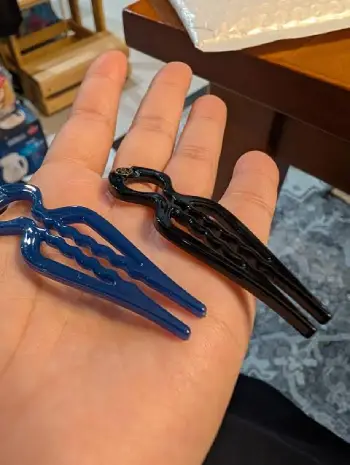
When I first used Prestige hair pins, I was mainly interested in whether they could hold my hair securely without creating the stiffness I sometimes get from traditional clips. Hair pins look deceptively simple.
You might think that a small piece of metal or another material cannot make much difference, but the shape, tension, finish, and overall construction can determine whether your hairstyle stays intact for hours or starts falling apart within minutes.
I started with a fairly ordinary hairstyle rather than anything complicated. I gathered my hair into a loose twist and used the Prestige pins to secure it.
At first, I liked the simplicity. I did not have to attach a large clip to the side of my head, and the pins were relatively discreet once positioned correctly. For someone who prefers a clean hairstyle without obvious accessories, that aspect can be appealing.
The initial hold, however, did not completely convince me.
I found that positioning mattered considerably. When I placed the pin correctly through the twist and then anchored it against the hair underneath, it held reasonably well. But when the placement was slightly off, the hairstyle felt much less secure. That made me spend more time adjusting the pins than I expected.
I also paid attention to how the pins felt after wearing them for an extended period. This is where I became more cautious. A hair pin should ideally disappear into your hairstyle once it is installed. You should not constantly notice pressure, slipping, pulling, or movement. With Prestige pins, my experience depended heavily on the hairstyle and amount of hair I was securing.
For thinner hair, I had to be careful not to overload the pin. For thicker hair, I needed to position it strategically to prevent the style from loosening. If you already know how to work with hair pins, you may have an easier time getting the result you want. If you simply want something you can insert quickly and forget about, the experience may be less satisfying.
Another thing I noticed was the difference between a quick indoor hairstyle and an active day outside. Sitting at home is one thing. Walking around, bending over, dealing with humidity, or moving your head repeatedly puts much more pressure on a hair accessory.
That distinction matters because I don’t judge a hair pin only by how it performs during the first five minutes.
I want to know whether it remains dependable later.
Customer feedback also made me more cautious. When an accessory receives repeated complaints about performance, durability, comfort, or value, I don’t think those comments should automatically be dismissed. Individual experiences can vary, but patterns in customer dissatisfaction are worth considering before spending money.
For me, Prestige hair pins ended up being an accessory I would approach carefully rather than one I would enthusiastically recommend. They can work in certain situations, particularly when you know how to position hair pins properly, but I did not find enough consistency to overlook the concerns surrounding them.
Pros Of Prestige Hair Pins
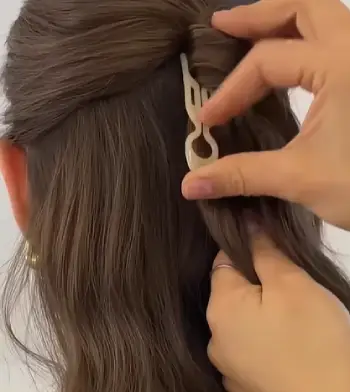
- Simple and Discreet Appearance
One thing I appreciate about hair pins in general is how subtle they can look. Prestige pins can disappear into your hairstyle when positioned properly. You don’t necessarily have a large accessory sitting visibly on top of your hair.
If you prefer minimalist hairstyles, this can be a genuine advantage.
I can create a twist or bun and use the pin underneath the visible portion of my hair. From the outside, the hairstyle can look much cleaner than it would with a large claw clip or decorative barrette.
- Useful for Different Updos
Hair pins are naturally versatile. You can experiment with buns, twists, pinned-back sections, and other simple styles.
I particularly like the concept of using several smaller pins rather than one oversized accessory. You can distribute the weight and tension across the hairstyle instead of forcing one clip to hold everything.
That flexibility is useful if you regularly change your hairstyle.
- Lightweight Design
Compared with some large plastic clips, hair pins are usually lightweight. That means you aren’t carrying a noticeable accessory around your head.
For people who dislike bulky hair accessories, this can make a meaningful difference.
- Less Visual Clutter
If you are creating a polished hairstyle for work, an event, or a formal occasion, a discreet pin can be preferable to something colorful or oversized.
The pin can perform its job without becoming the centerpiece of the hairstyle.
- Potentially Useful for Quick Styling
Once you understand how to position a hair pin, you can create a hairstyle relatively quickly.
I found that the process becomes easier when I first create the shape I want and then use the pin to anchor the structure. The mistake is expecting the accessory to create the hairstyle by itself.
The pin is a support tool, not a magic solution.
Cons Of Prestige Hair Pins
- Inconsistent Holding Performance
This is the biggest concern for me.
A hair pin needs to stay where I put it. If it gradually moves out of position, the hairstyle becomes unstable.
Prestige pins may perform adequately in certain styles, but I would not assume that they will provide the same level of security across every hair type.
- Positioning Can Be Fussy
I prefer accessories that are reasonably forgiving. Prestige pins require attention to placement, especially when dealing with thicker or heavier hair.
If you insert the pin at the wrong angle, it may not anchor enough hair. If you insert it too shallowly, it can slip out. If you push it too aggressively, you may create unnecessary tension.
- Concerns About Durability
Another issue I consider before recommending any hair accessory is how well it survives repeated use.
If a pin changes shape, loses tension, develops roughness, or becomes difficult to insert smoothly, its value decreases.
Customer complaints about durability make me cautious here.
- Not Ideal for Everyone
Hair accessories are highly personal.
What works for someone with fine, short hair may not work for someone with long, dense hair. Prestige pins are not something I would treat as universally suitable.
You need to consider your hair density, texture, hairstyle preferences, and how long you expect the style to remain secure.
- Value Can Be Questionable
Price isn’t just about the amount printed on the package.
I look at how often I can use an accessory, how reliably it performs, and how long it remains functional. If I have to replace pins frequently or keep adjusting them throughout the day, the practical value becomes less attractive.
Maintenance Tips For Prestige Hair Pins
- Clean the Pins Regularly
Hair pins come into contact with natural oils, styling products, sweat, and loose hair. Over time, residue can accumulate on the surface.
I recommend wiping your pins periodically with a soft, slightly damp cloth. If the manufacturer provides specific cleaning instructions, follow those rather than using an aggressive cleaning product.
The goal is simple: keep the surface clean without damaging the finish.
- Remove Hair Carefully
Don’t yank tangled strands away from the pin.
If hair becomes wrapped around it, loosen the strands gently with your fingers. Pulling aggressively can damage your hair and potentially bend the accessory.
I’ve found that taking an extra few seconds during removal is much better than rushing and accidentally pulling out several strands.
- Store Them Properly
Small hair pins have an annoying habit of disappearing.
I prefer keeping mine in a small container rather than throwing them loosely into a drawer or makeup bag. This prevents them from getting bent or scratched by other accessories.
Proper storage also makes it easier to check the condition of each pin before using it.
- Inspect the Edges
Before putting a pin into your hair, run your fingers carefully along its accessible surfaces.
If you notice an unusual rough spot, damaged coating, sharp edge, or deformation, I would stop using that particular pin.
A tiny defect can become a much bigger problem when it catches individual strands.
- Don’t Force a Pin Into Thick Hair
This is an important habit.
If the pin doesn’t slide naturally into the hairstyle, don’t force it.
Instead, divide the hairstyle into sections and secure it gradually. Trying to force one pin through a large amount of dense hair can bend the accessory and create unnecessary pulling.
- Use the Right Number of Pins
More isn’t always better.
Using several strategically positioned pins can provide better support than forcing one pin to carry the entire hairstyle. At the same time, using too many can make the style uncomfortable.
I usually think about where the hairstyle naturally wants to loosen and reinforce those areas.
- Keep Styling Products Under Control
Heavy amounts of hairspray, oil, mousse, or other products can create buildup on your pins.
If you use styling products frequently, clean the pins more often. This keeps the surface smoother and helps prevent residue from accumulating.
- Avoid Excessive Bending
Don’t repeatedly bend a hair pin simply to make it fit.
Once a pin loses its original shape, its holding characteristics can change. Repeated bending can also weaken the material.
If the accessory isn’t appropriate for your hairstyle, I’d rather choose another pin than force it into a shape it wasn’t designed to have.
Comparison Of Prestige Hair Pins With Other Hair Accessories
- Prestige Hair Pins vs Traditional Bobby Pins
Traditional bobby pins are familiar, inexpensive, and easy to find. They are particularly useful for securing smaller sections of hair and reinforcing hairstyles.
Prestige pins may appeal to someone looking for a different styling method, but I would still compare holding strength, comfort, and durability before switching from a bobby pin.
For everyday styling, the simpler option can sometimes be more practical.
- Prestige Hair Pins vs French Hair Pins
French hair pins are popular for creating buns and twists while keeping the accessory relatively hidden.
The biggest difference is the styling technique. French pins are designed to work with the structure of an updo, and once you learn how to anchor them correctly, they can provide a secure hold without a bulky clip.
If you specifically enjoy buns and twisted hairstyles, this category is worth considering alongside Prestige.
- Prestige Hair Pins vs Claw Clips
Claw clips are generally faster for casual styling.
I can gather my hair, twist it, and attach a clip in seconds. A hair pin usually requires more deliberate placement.
On the other hand, pins can create a more discreet appearance because they don’t necessarily remain visible.
So the choice comes down to what you value more: quick application or a less noticeable finish.
- Prestige Hair Pins vs Decorative Barrettes
Barrettes often combine functionality with decoration. They can become part of the visible hairstyle rather than simply acting as a hidden support.
Prestige pins have a more understated purpose.
If your priority is holding hair without drawing attention to the accessory, a pin makes more sense. If you want your hair accessory to contribute to your overall look, decorative options may be more appealing.
- Prestige Hair Pins vs Hair Sticks
Hair sticks can secure larger buns and create elegant updos with relatively little visible hardware.
However, they require a particular wrapping technique and aren’t necessarily ideal for every hairstyle.
I see Prestige pins as more approachable for people who want smaller, less noticeable pieces, while hair sticks can be better suited to people who enjoy structured updos.
Who Should Consider Prestige Hair Pins?
I would say Prestige hair pins are most suitable for someone who already enjoys working with hair pins and doesn’t mind spending time getting the placement right.
If you have experience creating buns, twists, and pinned hairstyles, you may be able to get more from them than someone completely unfamiliar with this type of accessory.
They may also appeal to you if you prefer understated styling tools and dislike oversized clips.
However, I would be cautious if your main requirement is maximum reliability throughout a long, active day. The customer feedback and my own concerns about consistency make me hesitant to recommend them as a first choice.
Who Should Avoid Them?
If you want a hair accessory that you can quickly insert and forget about, I’d look elsewhere.
I would also be cautious if you have particularly thick or heavy hair and expect one or two pins to hold a complicated hairstyle all day.
Likewise, if durability is your top priority, customer complaints surrounding the product should make you pause before purchasing.
There are plenty of hair accessories available, so you don’t need to settle for something that leaves you constantly wondering whether your hairstyle will stay intact.
Frequently Asked Questions (FAQ)
The best hair pin depends on your hair thickness, texture, hairstyle, and how long you need the style to hold. Look for smooth construction, secure grip, comfortable wear, and durable materials.
Yes, French hair pins can work very well when inserted correctly. They are particularly useful for buns, twists, and other updos, but technique and hair type affect the result.
There isn’t one universally best brand for everyone. I recommend comparing clip construction, grip strength, comfort, size, and suitability for your hair type rather than choosing solely by brand name.
Hair pins can be gentler than tight elastics or heavily clamping accessories when used correctly. The key is avoiding excessive tension, rough edges, repeated pulling, and overly tight hairstyles.
Final Verdict
After trying Prestige hair pins and considering the concerns raised by customers, I wouldn’t recommend making them your first choice.
Their discreet design and potential versatility are appealing, but consistency, durability, and holding performance are too important for me to overlook the negative feedback.
If you need reliable everyday hair accessories, I’d compare several alternatives and choose one that better matches your hair type and styling routine.
Recent Posts
● Interactive 5-Zone Interior & Exterior Paint Blueprint Paint Coverage Calculator: Gallons, Primer, Square Footage & Cost Tap any architectural surface zone on the blueprint...
If you want smooth, shiny hair without spending a fortune on a premium styling tool, the Ella Bella hair dryer may be worth considering.In these Ella Bella hair dryer reviews, I’ll look...