
I’ve been navigating the world of cat food for years with my own picky crew at home, always hunting for options that keep them healthy, happy, and excited at mealtime.
In this article, I compare Purina One and Purina Beyond to help you figure out which might suit your feline friend better—or why one could be the clearer winner depending on your priorities.
I’ll share real-user insights from my experiences and what I’ve observed in other cat households, covering nutrition, ingredients, value, and more so you can make an informed choice.
| Aspect | Purina One | Purina Beyond |
| Price Range | Budget-friendly, widely available | Premium positioning, often higher cost |
| Main Protein | Real chicken or turkey first | High-quality chicken, salmon, or novel proteins first |
| Grain Content | Often includes grains like corn, wheat | Many grain-free or limited-ingredient options |
| Key Focus | Everyday nutrition, proven formulas | Natural ingredients, fewer additives |
| Availability | Easy to find everywhere | Harder to source (discontinued in 2025/2026) |
| Protein Level | Solid, around 30-40% in many formulas | Higher in some, up to 35%+ in grain-free |
| Best For | Multi-cat homes, value seekers | Cats needing limited ingredients or sensitive stomachs |
Key Differences Between The Purina One And Purina Beyond Cat Food
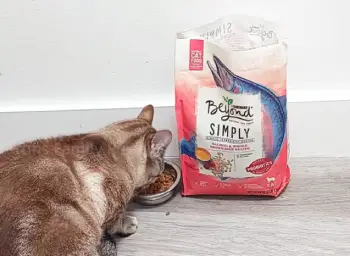
- Ingredient Philosophy: Purina One relies on a mix of real meat and more affordable grains and by-products for balanced nutrition, while Purina Beyond emphasized natural, limited ingredients with fewer fillers for a cleaner profile.
- Protein Sources and Quality: Both start with real animal proteins, but Beyond often featured higher meat content and novel options like duck or whitefish, appealing to cats with allergies.
One uses more chicken by-product meals in some recipes for cost efficiency.
- Grain Inclusion: One typically includes grains for energy and fiber, making it more carb-heavy.
Beyond offered many grain-free recipes using peas or potatoes instead.
- Additives and Transparency: One includes some artificial colors or flavors in certain lines, though many are free of them.
Beyond avoided artificial preservatives, colors, and flavors more strictly.
- Target Audience: One suits everyday feeding for active or indoor cats on a budget.
Beyond targeted owners seeking premium, “natural” options before its discontinuation.
- Formulas Variety: One has broad lines for kittens, seniors, indoor cats, and more.
Beyond had specialized limited-ingredient and organic lines that stood out for sensitive cats.
Key Features Of Purina One
- Real Meat as First Ingredient: Many formulas lead with chicken or turkey, providing essential amino acids cats need.
- Proven Nutrition: Backed by years of research, with added vitamins, minerals, and taurine for heart and eye health.
- Dental Benefits in Some Recipes: Includes kibble shapes or additives that help reduce tartar buildup.
- Affordable and Accessible: Easy to buy in bulk at most stores, great for multi-cat families.
- Variety for Life Stages: Options tailored for kittens with DHA for brain development, or weight management formulas.
- Palatability: My cats have always gone crazy for the flavors—picky eaters often clean their bowls.
I remember switching one of my cats to Purina One during a budget crunch, and she maintained great energy levels and a shiny coat without issues.
Pros Of Purina One
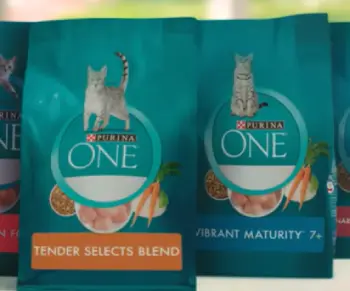
- Great Value for Money: This stands out as one of the biggest advantages. You pay a reasonable price for large bags that last weeks even in multi-cat homes.
Unlike some premium brands that drain your wallet quickly, Purina One lets you provide solid nutrition without constant budget stress.
In my experience, the cost per serving stays low while still covering essential vitamins and minerals, making it practical for long-term use.
- Widely Available: Finding it is never a hassle. Local stores, online retailers, and even big-box shops stock it regularly.
This reliability saved me multiple times during unexpected shortages or when traveling.
No special orders or waiting periods mean your cats stay on schedule without disruption.
- Strong Track Record: With decades behind it, Purina One has built trust through consistent results.
Many cat parents, including myself, report steady energy levels, healthy weights, and fewer trips to the vet.
The formulas undergo thorough testing, giving confidence that you’re not experimenting with unproven options.
- Tailored Formulas for Life Stages: Whether you have playful kittens needing DHA for brain development or senior cats requiring joint support, Purina One offers targeted options.
Indoor formulas help manage hairballs and weight, while others focus on urinary health.
This variety lets you customize without switching brands entirely.
- High Palatability: My cats dive into meals with enthusiasm. The flavors, from chicken to salmon blends, appeal even to picky eaters who turn their noses at other foods.
This reduces food waste and makes mealtimes less stressful for everyone involved.
- Balanced Nutrition That Works: It meets AAFCO standards reliably, with real meat as the first ingredient in most recipes plus added taurine for heart health.
I noticed improved coat shine and digestion stability after consistent feeding, especially when combined with wet food toppers for hydration.
These strengths make Purina One a go-to for many practical cat owners who want results without complications.
Cons Of Purina One
- Higher Carb Content from Grains: Many recipes include corn, wheat, and rice, which boost carbohydrate levels higher than some cat owners prefer.
Cats are obligate carnivores, so this can feel less aligned with natural diets. In one of my cats, it contributed to gradual weight gain over time, requiring portion adjustments or a switch to lighter formulas.
- Inclusion of By-Products and Fillers: Chicken by-product meals and soy appear in several options. While nutritious in some contexts, they can seem less premium to those scrutinizing every label.
I sometimes wonder about consistency across batches, though overall quality holds up.
- Occasional Digestive Adjustments: When transitioning, a few cats experience temporary loose stools or gas due to the grain content.
It usually settles after a week or two, but it requires patience and monitoring, especially for sensitive stomachs.
- Less Emphasis on “Natural” Marketing: Compared to lines focused purely on organic or limited ingredients, One feels more mainstream.
If you prioritize minimal processing or specific sourcing stories, it might not excite as much.
- Potential for Additives in Some Recipes: Certain varieties contain caramel color or other processing aids.
While not harmful in small amounts, it bothers owners seeking the cleanest possible profiles. I avoid those specific ones and stick to simpler formulas.
- Not Ideal for Every Allergy Profile: With more ingredients overall, it can trigger reactions in highly sensitive cats.
One of mine showed mild itching initially, which resolved after trying alternatives, highlighting that individual testing is key.
Key Features Of Purina Beyond
- Natural Ingredients Focus: Highlighted real proteins with accents of fruits and veggies like cranberries or sweet potatoes for antioxidants.
- Limited-Ingredient Options: Ideal for cats with food sensitivities, reducing potential allergens.
- Grain-Free Recipes: Many used alternative carbs, supporting better digestion for some sensitive stomachs.
- No Artificial Additives: Free from artificial colors, flavors, and preservatives in core recipes.
- High Protein in Select Lines: Some grain-free versions packed 35%+ protein for muscle maintenance.
- Organic and Specialty Lines: Certified organic choices and novel proteins like salmon or duck.
Before it was discontinued, I tried Beyond with a cat who had mild allergies, and the limited ingredients seemed to ease her occasional tummy troubles.
Pros Of Purina Beyond

- Cleaner Ingredient List Overall: The focus on natural components with minimal artificial additions provided reassurance.
Recipes often featured whole ingredients like real chicken, eggs, and vegetables without heavy reliance on fillers. This translated to better peace of mind when reading labels late at night.
- Excellent for Food Sensitivities: Limited-ingredient recipes shone here. Cats with allergies or digestive sensitivities often showed improvement in skin health and stool quality.
I saw reduced itching and firmer litter box results within a couple of weeks, which made the higher cost worthwhile at the time.
- Antioxidant Support from Fruits and Veggies: Accents of cranberries, sweet potatoes, and spinach added natural vitamins and fiber.
This helped support immune systems, especially during seasonal changes when my cats seemed more vulnerable.
- Strong Protein Delivery: Many grain-free options delivered high protein percentages from quality animal sources.
This supported muscle tone and energy in active adults, with my younger cats maintaining lean physiques more easily.
- Appealing Textures and Flavors: Both dry kibble and wet varieties had textures that encouraged eating.
The salmon and whitefish recipes were hits, reducing mealtime refusals and making it easier to incorporate into mixed feeding routines.
- Innovative Recipe Choices: Novel proteins like duck or trout offered variety when common chicken allergies appeared.
This flexibility helped rotate proteins and prevent boredom or sensitivities from building up.
Beyond felt thoughtful and cat-centric in its approach while it lasted.
Cons Of Purina Beyond
- Higher Price Point: It cost noticeably more per pound than standard options like Purina One.
For households with several cats, this added up fast, limiting how often I could commit fully without stretching finances.
- Availability Challenges: Even before the full stop in production, stockouts were common.
I remember driving to multiple stores or ordering online with delays, which disrupted consistent feeding routines.
- Discontinued Status: As of 2025/2026, Purina no longer makes Beyond, forcing many loyal users—including me—to scramble for replacements.
This sudden change created transition stress and uncertainty about long-term suitability.
- Reliance on Plant Proteins in Some Formulas: Grain-free versions sometimes used pea protein heavily, which, while boosting totals, might not provide the same bioavailability as pure animal sources for all cats.
- Narrower Life-Stage Selection: It lacked the extensive kitten, senior, or weight-specific options that Purina One provides.
This made it less versatile for households with cats of varying ages and needs.
- Potential Supply and Consistency Issues: Quality could feel variable depending on batches, and the premium positioning didn’t always translate to dramatically superior outcomes for every cat compared to well-formulated mainstream foods.
My Personal Experience Switching Between Them
When I first brought home my rescue cats, I started with Purina One because it was what the shelter recommended and fit my budget.
The kibble was crunchy, the flavors varied, and everyone stayed active with glossy coats. But one cat developed mild skin irritation, prompting me to try Beyond’s limited-ingredient salmon recipe.
Within weeks, her itching reduced, and digestion improved noticeably. That real-user shift showed me how individual cats respond differently—One for reliable basics, Beyond for targeted support when needed.
Now that Beyond is gone, I’m evaluating other natural options while sticking with One as the staple.
Nutrition Breakdown And What Matters Most?
From an analytical view, both brands meet basic nutritional standards, but differences shine in macros and sourcing.
Purina One often lands around 30-40% protein, 10-15% fat, with higher carbs from grains, supporting energy for playful cats. Beyond pushed higher protein in premium lines and lower carbs in grain-free versions, better mimicking a cat’s natural diet.
I always check for taurine levels since cats can’t produce enough—both deliver, but Beyond’s natural sources felt more premium.
For indoor cats, One’s weight management lines help control calories effectively. Ultimately, test small bags and monitor your cat’s stool, energy, and coat for the best fit.
Ingredients Deep Dive
Purina One commonly lists chicken, rice flour, corn gluten meal, and by-products. These provide complete nutrition but include more processed elements.
Beyond highlighted chicken or salmon first, with peas, eggs, and veggies, avoiding wheat, corn, and artificial stuff in many cases.
I appreciate One’s affordability from efficient sourcing, but Beyond’s transparency appealed when reading labels closely.
Watch for peas in grain-free foods, as they can sometimes affect digestion or taurine absorption in excess.
Which One Should You Choose?
If budget and convenience top your list, Purina One remains a solid everyday choice I’ve trusted for years.
For cats with sensitivities seeking cleaner profiles, Beyond was excellent while available—now, explore similar natural lines.
Consider your cat’s age, activity, and health issues. I recommend consulting a vet for personalized advice, especially during transitions.
In my household, a rotation or mix works best, but pure One handles most needs reliably.
Health Impacts I’ve Observed
Over time, cats on Purina One maintained steady weights and fewer vet visits in my experience. Beyond seemed to support shinier coats and less shedding for sensitive ones.
Both avoid major recalls in recent history for these lines, building trust. Focus on hydration with wet food toppers from either to complement dry kibble.
Transitioning Tips From A Real User
Switch gradually over 7-10 days to avoid tummy upset. Start with 75% old food mixed with 25% new, increasing the new portion slowly.
Watch for changes in appetite, energy, or litter box habits. My cats adjusted smoothly to One, but Beyond required patience with one picky eater.
Also Read: Comparison Of Fancy Feast And Purina One
Frequently Asked Questions (FAQ)
Purina One focuses on affordable, balanced everyday nutrition with grains, while Beyond emphasized natural, limited-ingredient, often grain-free recipes with higher premium positioning.
Purina discontinued the Beyond line around early 2025, citing strategic shifts after acquiring other natural brands, making products unavailable moving forward.
Yes, it was a good option for many, especially those with sensitivities, thanks to clean ingredients—though individual results vary and it’s no longer available.
Purina One offers strong all-around health support with proven formulas; for specific needs, look at their specialized lines, always matching to your cat’s vet-recommended profile.
Wrapping Up
When comparing Purina ONE vs. Purina Beyond cat food, I believe both are solid choices, but they serve slightly different priorities.
Purina ONE is the better option if you want science-backed nutrition, specialized formulas for different life stages and health needs, and excellent overall value.
It focuses on complete, balanced nutrition with targeted benefits such as healthy weight, urinary health, or hairball control.
Purina Beyond, on the other hand, appeals to pet owners who prefer recipes with simpler ingredient lists and a more natural ingredient philosophy, often avoiding artificial colors, flavors, and preservatives.
In the end, if I had to choose one for most cats, I’d recommend Purina ONE because of its wider variety of formulas, consistent nutritional support, and strong reputation for quality.
However, if your cat does well on simpler, natural-focused recipes and you can still find them in your market, Purina Beyond remains a worthwhile alternative.
The best choice ultimately depends on your cat’s age, health, dietary needs, and taste preferences.
Recent Posts
I tried Meltoway Hair Dissolving Cream because I wanted a quick way to deal with unwanted body hair without reaching for a razor every few days. If you are looking for a convenient at-home...
If you’re considering a saffron-based supplement to support mood, appetite control, and everyday wellness, Happy Saffron Plus is worth considering.I like that it takes a familiar botanical...