
I have spent years remodeling homes and advising friends on materials, and the choice between purple and green sheetrock keeps coming up in nearly every wet-area project I handle.
My intent with this piece is to give you a clear, practical comparison so you can decide which board fits your space, budget, and moisture risks without wasting time or money on the wrong product.
| Feature | Purple Sheetrock | Green Sheetrock |
| Primary Purpose | Mold and moisture resistance | Moisture resistance |
| Facing Color | Purple paper | Green paper |
| Core Treatment | Mold-inhibiting additives throughout | Water-resistant additives mainly in core |
| Best Locations | Bathrooms, basements, laundry rooms, high-humidity zones | Bathrooms, kitchens, utility rooms with moderate moisture |
| Mold Resistance | High | Moderate |
| Moisture Resistance | High | Good |
| Cost | Higher | Lower |
| Paint Readiness | Often needs less prep | Standard prep |
| Code Acceptance in Wet Areas | Widely accepted for higher protection | Accepted in many jurisdictions for bathrooms |
| Longevity in Damp Conditions | Superior | Adequate if kept dry after install |
Key Differences Between Purple And Green Sheetrock
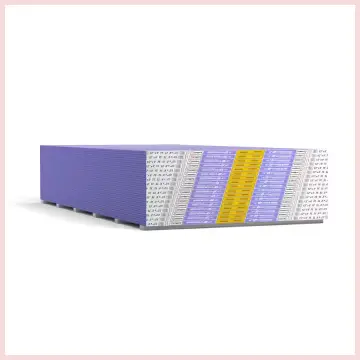
- Mold resistance level: Purple board actively discourages mold growth through additives in the core and facing.
Greenboard mainly resists moisture but offers less defense once mold spores land on a damp surface, and my side-by-side tests confirmed the gap.
- Moisture performance under sustained exposure: Purple handles repeated wetting and drying cycles better.
Green performs adequately for short-term humidity but softens faster if water sits against it, which I observed around tub surrounds after years of daily showers.
- Cost per sheet: Purple carries a premium. The extra protection usually justifies the price in high-risk rooms, but for a dry powder room the difference may not be worth it, and budget talks often decide the choice.
- Intended use zones: Purple targets the wettest residential areas and places with known mold history.
Green suits moderate moisture zones where ventilation is decent and leaks are unlikely, so matching the board to the actual risk avoids mistakes.
- Long-term durability in damp conditions: Purple maintains structural integrity longer when humidity stays elevated.
Green can develop soft spots or paper separation over time in the same environment, and my inspections of older installations favor the purple boards.
- Finish and paint behavior: Both accept paint well, but purple’s treated face sometimes requires slightly different primer choices for maximum adhesion.
Green finishes like standard drywall once sealed, and neither creates a major obstacle on site.
Key Features Of Purple Sheetrock
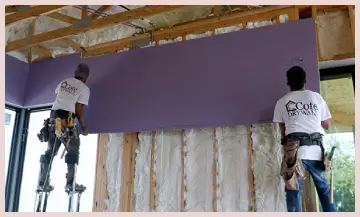
- Mold-inhibiting core additives: These stay active after the board is cut and installed. They reduce the chance of mold colonies forming inside the gypsum itself, and I have opened walls years later to find the purple board still clean.
- Treated purple facing paper: It resists moisture absorption and organic growth. The paper does not provide food for mold the way untreated paper can, and this matters most in bathrooms where steam hits the walls daily.
- Higher density in many formulations: The board feels stiffer when you handle it. Screw heads seat cleanly without crushing the face as easily, and the extra firmness helps during finishing.
- Compatibility with standard joint compounds: You do not need special mud. I tape and finish it the same way as regular drywall, though I often use a moisture-resistant compound in wet zones for extra insurance.
Code recognition in many areas: Inspectors in the regions I work accept purple board more readily for shower surrounds and basement walls than older moisture-resistant options.
Pros of Purple Sheetrock
- Superior mold protection: It reduces future repair risk. The additives and treated paper create an environment mold finds difficult to colonize, and in homes with previous mold issues this feature alone has convinced me to specify purple every time.
- Better performance in high-humidity areas: Steam from showers, condensation in basements, and occasional water contact are handled with less degradation. The board stays harder and cleaner longer than the alternatives I have tried.
- Increased peace of mind: Homeowners and inspectors both appreciate the elevated resistance. Knowing the wall system has this protection makes final walkthroughs smoother and reduces anxiety about hidden problems years later.
- Longer service life in challenging environments: The material does not break down as quickly. This protects the investment in tile, paint, and fixtures attached to it, and the difference shows clearly after a decade.
- Versatility across multiple wet rooms: One product type can cover bathrooms, laundry rooms, and basement walls without switching materials mid-project. That consistency simplifies ordering and installation planning.
Cons of Purple Sheetrock
- Higher purchase price: It affects the overall budget. The premium can stretch tight project numbers, and I have had to reallocate funds from other finishes to cover the upgrade on more than one job.
- Slightly heavier sheets: They can fatigue installers on large jobs. The denser core adds weight, and carrying full sheets up stairs or across unfinished floors takes more effort than standard boards.
- Potential overkill in low-moisture spaces: Using purple in a dry closet or hallway wastes money. That money could improve other parts of the home, so I reserve it for rooms that truly need the protection.
- Occasional need for specific primers: Some treated faces benefit from a bonding primer to achieve the best paint bond. This adds a small step and cost, though it is not required on every brand.
- Less universal stocking at smaller suppliers: Specialty stores or big-box locations usually carry it, but rural suppliers may need to order. That delay can affect the schedule if the job is already underway.
Key Features of Green Sheetrock
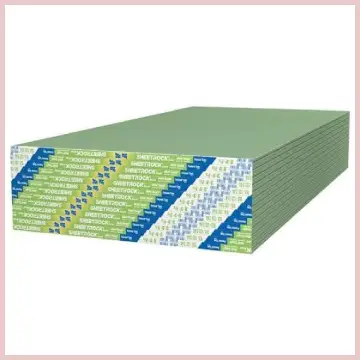
- Water-resistant paper facing: It sheds light moisture better than standard drywall.
In a kitchen backsplash area that occasionally gets splashed, it has performed reliably for me over several years.
- Core treated for reduced water uptake: The gypsum itself takes longer to soften when damp.
This buys time if a minor leak occurs and is fixed quickly, yet it is not a permanent solution.
- Lower material cost: It keeps project budgets manageable.
For larger areas where extreme protection is not required, the savings add up, and I have used it across entire laundry rooms without regret.
- Familiar installation process: Crews already know how to hang, tape, and finish it. No learning curve slows the job, and the process matches regular drywall exactly.
- Wide availability at most stores: You can usually find it the same day without special ordering. This helps when a project timeline is short and delays would create problems.
Pros of Green Sheetrock
- Lower cost: It keeps material expenses reasonable. For projects covering many square feet the savings are real, and I have completed entire utility rooms under budget by choosing green where conditions allowed.
- Proven track record in moderate moisture: Decades of use in bathrooms and kitchens demonstrate reliable performance. The board works well when the space is properly ventilated and leaks are addressed promptly.
- Easy identification on the job site: The green color prevents mix-ups with regular drywall. Crews grab the right boards without second-guessing, and this simple visual cue saves time.
- Straightforward finishing: It matches standard drywall techniques. No special compounds are required beyond good moisture-resistant practices in wet zones, and the process stays familiar.
- Broad code acceptance for bathrooms: Most jurisdictions allow greenboard in bathrooms when installed correctly. This simplifies permit approval and keeps the project moving without extra documentation.
Cons of Green Sheetrock
- Limited mold resistance once moisture is present: The board slows water absorption but does not actively fight mold the way purple does. In high-risk homes this becomes a liability that can lead to later repairs.
- Vulnerability to prolonged wetting: Sustained leaks or chronic high humidity can soften the core and paper. I have replaced sections that looked fine until a slow leak revealed the damage underneath.
- Shorter effective lifespan in demanding locations: Over ten or fifteen years in a steamy bathroom, greenboard often shows more wear than purple alternatives. The difference becomes clear during remodeling inspections.
- Potential for paper delamination: The facing can separate if water saturates it repeatedly. This creates uneven surfaces that telegraph through paint or tile and require extra correction work.
- Growing preference among professionals for higher-performance options: Many builders and remodelers now default to purple or specialized boards. Green can feel like a compromise on quality-focused projects where long-term results matter most.
When Purple Sheetrock Makes the Most Sense?
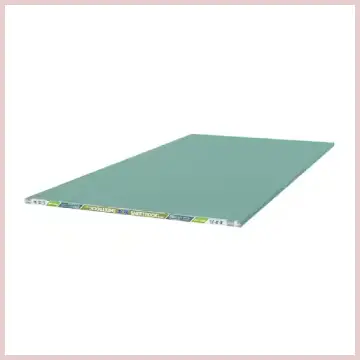
I reach for purple whenever the room has a history of moisture problems, limited ventilation, or direct water exposure.
Basement bathrooms, shower surrounds, laundry rooms with poor exhaust, and homes in humid climates all benefit.
The extra cost is insurance against mold remediation bills that dwarf the material premium. In one coastal renovation the purple board protected the walls through two major storms that left standing water on the floor for days.
The greenboard in an adjacent closet did not fare as well. You gain lasting protection when the conditions demand it.
When Green Sheetrock Is Still A Smart Choice?
Greenboard remains practical for powder rooms with good fans, kitchens away from sinks, and utility spaces where humidity is controlled.
If the budget is constrained and the moisture risk is low to moderate, green delivers acceptable performance without the purple markup.
I still specify it for secondary bathrooms in well-ventilated homes and for large areas where only occasional dampness is expected. The choice works when the environment stays predictable and dry enough.
Installation Considerations That Affect Both Products
Both boards hang with the same screws and framing spacing as regular drywall. I keep fasteners at least half an inch from edges and use moisture-resistant joint compound in wet zones. Greenboard should never sit in direct contact with concrete floors or be used as a tile backer in showers without additional waterproofing. Purple offers more forgiveness but still benefits from proper vapor barriers and ventilation.
Cutting either product produces the same gypsum dust, so respiratory protection remains essential.
Finishing proceeds identically once the boards are up: tape, mud, sand, prime, and paint. Careful attention at this stage prevents most future problems.
Cost And Value Analysis Over Time
The upfront difference between purple and green can range from modest to significant depending on sheet size and local pricing.
On a typical bathroom the premium might equal the cost of a better exhaust fan or higher-grade paint.
Over a decade the value equation shifts. Purple reduces the likelihood of mold-related repairs, which often involve gutting walls, treating framing, and refinishing.
Green can be the economical choice only if the environment stays dry. I calculate the total cost of ownership rather than the sticker price alone when advising clients.
That longer view usually clarifies the better decision.
Durability Observations From Real Projects
In homes I have revisited years after installation, purple boards consistently show less edge damage, fewer soft spots, and cleaner cores when cut open for inspections.
Greenboard holds up when conditions are favorable but reveals its limits faster under stress. Temperature swings, seasonal humidity, and occasional plumbing issues test both materials. Purple absorbs those tests with less visible change.
This durability difference becomes most apparent in rental properties or vacation homes where maintenance is less frequent. Real-world results guide my recommendations more than product claims.
Frequently Asked Questions (FAQ)
Use purple drywall in high-humidity areas, bathrooms with frequent steam, basements, laundry rooms, and any space with a history of moisture or mold concerns.
Use green sheetrock in moderate-moisture locations such as well-ventilated powder rooms, kitchens away from direct water, and utility spaces where humidity is controlled and prolonged wetting is unlikely.
Many building codes still accept green drywall in bathrooms when installed correctly, though local requirements vary and some jurisdictions prefer or require higher-performance mold-resistant boards for wet zones.
Purple drywall is used primarily for walls and ceilings in moisture-prone and mold-risk areas where enhanced resistance to both water and fungal growth is needed.
Wrapping Up
I have weighed purple and green sheetrock against each other across dozens of projects, and the decision always comes down to matching the board’s strengths to the actual conditions in your space.
You gain the most by choosing purple where moisture and mold risks run high and saving the lower cost of green for rooms that stay relatively dry. Take a hard look at ventilation, past moisture history, and how much disruption a future repair would cause.
Once you align the material with those factors, the installation and long-term results tend to take care of themselves.
The right board protects both your investment and your indoor air quality for years to come.
Recent Posts
If you're looking for impact windows that can protect your home from hurricanes, flying debris, heavy rain, and unwanted outside noise, Caner Impact Windows may be worth considering. I...
Swash laundry detergent is worth considering if you want a convenient, concentrated formula that cleans everyday clothes without requiring large amounts of detergent. I like its simple...