
I set out to settle the Quest versus Premier Protein debate for myself after months of swapping between their ready-to-drink shakes and powders.
My goal is simple: give you a clear, practical breakdown of how these two popular options stack up on nutrition, taste, ingredients, cost, and real-world use so you can pick the one that fits your goals without the usual marketing noise.
| Category | Premier Protein Shake (11.5 oz) | Quest Protein Shake (approx. 11 oz / 325 ml) |
| Protein | 30 g | 30 g |
| Calories | 160 | 160–170 |
| Total Carbs | 3–5 g | 3 g |
| Sugar | 1 g | 1 g |
| Fat | 3 g | 3 g |
| Protein Source | Milk protein concentrate, calcium caseinate, whey protein concentrate | Milk protein concentrate and/or isolate |
| Key Sweeteners | Sucralose, acesulfame potassium | Sucralose |
| Added Vitamins/Minerals | 24 vitamins and minerals | Limited (higher calcium in some versions) |
| Texture | Smooth, lighter | Thicker, more milkshake-like |
| Typical Price per Shake | Lower (often $1–$1.50 on sale) | Slightly higher |
| Best For | Everyday convenience, budget, extra micronutrients | Thicker texture preference, simpler label in some lines |
Key Differences Between Quest And Premier Protein
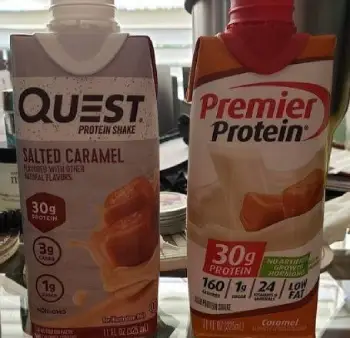
- Protein blend and absorption profile: Premier relies on a mix of milk protein concentrate, calcium caseinate, and whey protein concentrate that delivers a steady release useful between meals or after training.
Quest typically pairs milk protein concentrate with isolate in many versions, giving a slightly cleaner protein profile that still supports lasting fullness without feeling heavy.
- Calorie and carb density: Both products stay firmly in the low-calorie and low-carb range, making them practical for cutting phases or everyday control.
Premier often lands a few calories and carbs lower in the standard bottle, while Quest stays competitive and can match almost exactly depending on the specific flavor and size you choose.
- Micronutrient fortification: Premier stands out by packing 24 vitamins and minerals into every shake, turning a simple protein drink into something that helps cover daily gaps.
Quest focuses more tightly on the protein and macros themselves, though calcium levels are frequently strong and useful for bone support.
- Texture and mouthfeel: Premier pours smooth and relatively light, which many people appreciate when they want something easy to drink quickly.
Quest comes out noticeably thicker and closer to a real milkshake, giving a more substantial feel that can increase satisfaction for the same protein amount.
- Ingredient list length and additives: Premier includes carrageenan along with its longer vitamin and mineral blend, which some users prefer to minimize.
Quest versions frequently run shorter overall and feel a bit simpler, even though both still depend on artificial sweeteners to keep sugar low.
- Availability and price: Premier is extremely easy to find in almost every grocery store, warehouse club, and online retailer, and it usually costs less per bottle especially in multipacks.
Quest is also widely available but tends to sit at a slightly higher price point, though sales can close the gap.
- Flavor approach: Premier offers a long list of consistent dessert-style options that stay reliable across batches and help prevent boredom.
Quest leans into bolder, more distinctive profiles that many people describe as closer to actual treats without the sugar load.
Key Features Of Premier Protein
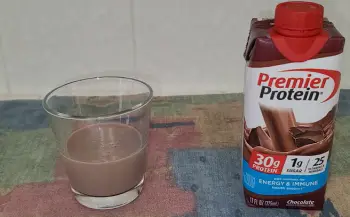
- Consistent 30 grams of protein in ready-to-drink form: No shaker or blender is required, so it works perfectly on busy mornings, at the office, or while traveling when convenience matters most.
- Very low sugar and carb numbers: With only about 1 gram of sugar and a handful of total carbs, it fits comfortably into most low-carb, keto-leaning, or calorie-conscious approaches without causing spikes.
- Broad vitamin and mineral blend: The added micronutrients quietly support immune function, energy, and overall nutrition when your regular meals fall short on variety.
- Smooth, drinkable texture: It goes down easily straight from the fridge and never feels thick or chalky, making it a reliable daily option for most people.
- Extensive flavor range: From classic chocolate and vanilla to caramel, café latte, and rotating seasonal choices, the variety keeps the habit sustainable over weeks and months.
- Wide retail presence and frequent deals: You can stock up easily at warehouse clubs or regular stores, and the price per serving often becomes one of the better values in the ready-to-drink category.
Pros Of Premier Protein
- Excellent value for the protein delivered: When bought in multipacks or during warehouse sales, the cost per gram of protein stays among the lowest for ready-to-drink options, making daily use realistic for most budgets.
- Extra vitamins and minerals in every bottle: This turns each shake into more than just protein, helping fill common nutritional gaps during busy or travel-heavy weeks.
- Light, smooth consistency: It works especially well after workouts or as a quick midday bridge because it never feels heavy or hard to finish.
- Broad and consistent flavor selection: The reliable taste across batches makes it easy to rotate flavors and stay consistent without flavor fatigue.
- Extremely easy to find: Availability in nearly every major store means you rarely have to special-order or go out of your way to restock.
- Solid appetite control: The combination of 30 grams of protein and modest calories helps many people stay full longer and reduce snacking between meals.
Cons Of Premier Protein
- Presence of carraeenan and artificial sweeteners: Some people prefer to avoid these ingredients entirely, and those with sensitive digestion may notice bloating or discomfort more than others.
- Texture can feel thin to some: Users who want a richer, creamier mouthfeel often find the lighter consistency less satisfying as a standalone snack.
- Longer ingredient list: The vitamin blend and stabilizers push the total ingredients higher, which clean-label focused buyers often see as a drawback.
- Taste can come across as slightly artificial: While most flavors are pleasant, a few can leave a noticeable sweetener aftertaste that not everyone enjoys.
- Plastic packaging volume when buying bulk: Regular multipack purchases create more packaging waste, which matters to environmentally conscious users.
Key Features Of Quest Protein
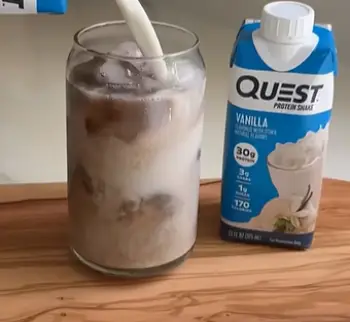
- 30 grams of protein from quality dairy sources: Some larger milkshake-style bottles push the protein even higher while still delivering a complete amino acid profile that supports muscle maintenance and recovery.
- Thick, creamy texture: The denser mouthfeel feels closer to an actual milkshake and often leaves people more satisfied than thinner shakes with the same macros.
- Low net carbs and only one gram of sugar: These numbers make it a clean fit for low-sugar or low-carb lifestyles without sacrificing taste or protein content.
- Relatively straightforward ingredient lists: Many ready-to-drink versions keep the list shorter than average, which appeals to people who prefer fewer additives while still getting convenient protein.
- Distinctive flavor profiles: Options like cookies and cream, salted caramel, and cinnamon-inspired versions deliver a more indulgent taste experience that helps curb dessert cravings.
- Strong calcium content in many versions: Alongside the protein, the calcium adds useful support for bone health without needing an extra supplement for many users.
Pros Of Quest Protein
- Thicker, more indulgent texture: The denser consistency feels closer to a real treat and often makes it easier to stick with higher protein intake day after day.
- Competitive macros with 30 grams of protein: Very low sugar and solid protein numbers keep it effective for muscle support and satiety without unnecessary calories.
- Bolder, more dessert-forward flavors: Profiles like cookies and cream or salted caramel stand out and can successfully replace higher-sugar desserts for many people.
- Solid protein sources that include isolate in some lines: The inclusion of isolate can feel cleaner and more refined to users who track protein quality closely.
- Good for substantial between-meal hunger control: The thicker texture adds to the protein effect, helping many people stay satisfied longer than with thinner shakes.
- Flexibility with standard and higher-protein formats: Larger bottles give the option to increase protein intake in a single serving when training demands are higher.
Cons Of Quest Protein
- Usually higher price per bottle: Even with occasional sales, the everyday cost sits above Premier, and the difference becomes noticeable with daily or near-daily use.
- Still relies on sucralose and other additives: Like most ready-to-drink protein products, it is not free of processed ingredients and artificial sweeteners.
- Fewer built-in vitamins and minerals: You miss the broad micronutrient support that Premier provides, so the shake is more purely a protein source.
- Texture can feel too thick or chalky to some: Not everyone prefers the denser mouthfeel, and it can require thorough shaking or slight warming to reach ideal consistency.
- Flavor intensity sometimes leaves a lingering sweetener note: The bold taste that many enjoy can come with a noticeable aftertaste for more sensitive palates.
My Real Life Use With Both
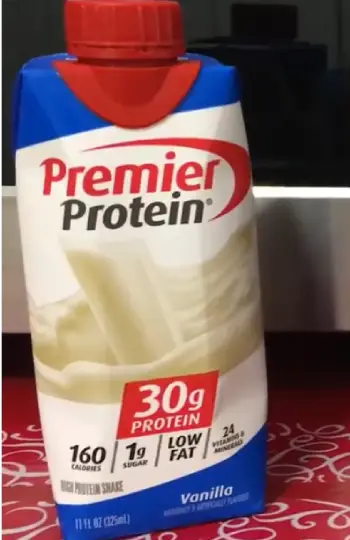
I have rotated both brands for months depending on what was on sale and what my week looked like.
Premier became my default for pure convenience and cost. I could grab a multipack at the warehouse club, keep a few in the fridge, and know I was getting 30 grams of protein plus a solid micronutrient hit without thinking.
The lighter texture worked when I wanted something easy after a workout or as a quick breakfast on rushed mornings.
Quest earned its spot when I wanted the drink itself to feel more like a reward. The thicker consistency and stronger flavors made afternoon hunger easier to manage, and I noticed I was less likely to reach for something else afterward.
From an analytical standpoint, both deliver complete dairy proteins that support muscle protein synthesis when total daily intake is adequate.
The difference in blend (more concentrate and caseinate in Premier versus more isolate influence in some Quest versions) is real but secondary for most recreational users.
What matters more day to day is how the product fits your tolerance, budget, and preference for texture. Neither is a magic solution.
Both work best as tools that make hitting protein targets simpler, not as replacements for whole foods.
Taste testing across multiple flavors showed Premier’s chocolate and vanilla stay reliable and mild.
Café latte versions add a useful caffeine-adjacent option for mornings. Quest’s cookies and cream and salted caramel felt more distinctive and closer to actual dessert without the sugar crash.
Mixability is a non-issue for the ready-to-drink versions, but if you switch to powders, Premier tends to blend more smoothly in a shaker while Quest can require more effort or a blender for the best texture.
Cost analysis over a month of daily use favors Premier clearly when you buy in bulk. Quest closes the gap during promotions but rarely undercuts.
For someone prioritizing micronutrients and budget, Premier wins. For someone prioritizing sensory satisfaction and a thicker experience, Quest often feels worth the premium.
Neither product is free of trade-offs. Both use artificial sweeteners that some people avoid for digestive or preference reasons.
Both are ultra-processed by design. If your priority is the cleanest possible ingredient list, you will eventually look past both.
For the majority of people who simply need convenient, high-protein, low-sugar options that taste good enough to use consistently, either brand performs well.
I also tested them as occasional meal replacements. At 160 calories they are light, so pairing with fruit, nuts, or a piece of toast makes them more substantial.
Pure post-workout use works for both. Between-meal hunger control leaned slightly toward Quest for me because of the thicker texture, though the protein amount is identical.
Also Read: Is Oikos Protein Shake Worth It?
Frequently Asked Questions (FAQ)
No single shake holds that title. Premier offers solid protein, low sugar, and extra vitamins, but the artificial sweeteners and additives keep it from being the absolute cleanest option available.
They provide high-quality protein with very low sugar and can support muscle maintenance and satiety. Like most ready-to-drink products, they contain processed ingredients, so they work best as a convenient tool rather than a daily foundation.
The healthiest choice depends on individual needs, ingredient tolerance, and overall diet. Brands with fewer additives, transparent sourcing, and third-party testing often rank higher for people focused on minimal processing.
Options with simpler ingredient lists, no artificial sweeteners, or plant-based formulas may suit some people better, but they often cost more or deliver less protein per calorie. Context and personal response matter more than a universal ranking.
Wrapping Up
After living with both products, I see clear strengths in each. Premier Protein wins on value, micronutrient support, and everyday practicality.
Quest Protein stands out when texture and flavor satisfaction matter more. You now have the detailed comparison, the real differences, the practical pros and cons, and the everyday experience behind the numbers.
Choose the one that matches how you actually eat and train, use it consistently, and adjust based on how your body responds.
That approach will serve you better than any single “winner” claim ever could.
Recent Posts
● Interactive 5-Zone Interior & Exterior Paint Blueprint Paint Coverage Calculator: Gallons, Primer, Square Footage & Cost Tap any architectural surface zone on the blueprint...
If you want smooth, shiny hair without spending a fortune on a premium styling tool, the Ella Bella hair dryer may be worth considering.In these Ella Bella hair dryer reviews, I’ll look...