
If you’re tired of stuffy rooms and constant sneezing, let me tell you why grabbing a Rabbit Air purifier could change your life.
I’ve dealt with allergies for years, and this thing has been a game-changer for me. It’s quiet, effective at cleaning the air, and blends right into your home without looking like some clunky machine.
You owe it to yourself and your family to invest in better air quality—trust me, once you try it, you’ll wonder how you lived without one. Don’t wait; pick one up and breathe easier today.
My Personal Journey With The Rabbit Air Purifier
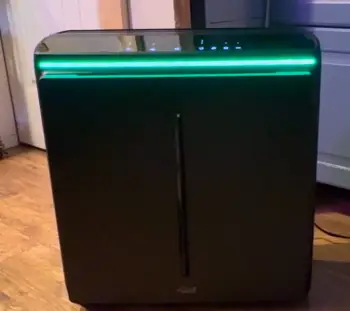
I remember the day I unboxed my Rabbit Air MinusA2 purifier like it was yesterday.
We’d just moved into a new apartment in the city, and the air felt thick with dust and pollen from the nearby park.
My wife and I both suffer from seasonal allergies, and our old fan just wasn’t cutting it anymore. I decided to give Rabbit Air a shot after hearing a friend rave about how it transformed their living space.
Setting it up was straightforward—I plugged it in, chose a spot in the living room, and let it run on auto mode.
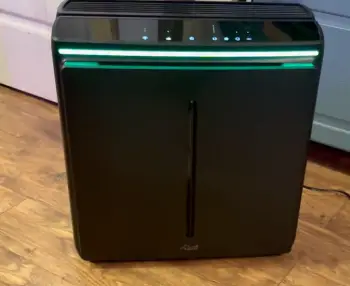
Right away, I noticed the sleek design; it’s wall-mountable, which saved us floor space, and the customizable panels let me match it to our decor. No more eyesore appliances cluttering the room.
Over the first week, I kept track of how it performed. Mornings used to start with congestion for me, but with the purifier humming quietly in the background, I woke up feeling clearer.
It uses a multi-stage filtration system, capturing everything from pet dander to odors. We have a cat, and you know how fur gets everywhere— this device sucked it up without a fuss.
I experimented with the different speeds; on turbo, it cleared out cooking smells from dinner in minutes, but even on low, it maintained fresh air throughout the night.
Sleep improved dramatically; no more waking up to stuffy noses.
One weekend, we had guests over, and someone commented on how fresh the air felt despite the rainy weather outside bringing in that musty vibe.
I shared how the ionizer feature helps neutralize airborne particles, making the room feel alive. But it wasn’t all perfect at first—I had to adjust the sensitivity because it sometimes ramped up unnecessarily from minor disturbances.
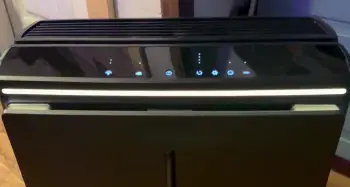
Still, tweaking the settings via the remote was easy, and the app integration let me control it from my phone while I was out.
After a month, our home energy felt different; fewer headaches, better focus during work-from-home days.
You might think it’s just hype, but experiencing that clean, crisp air day in and day out convinced me. If you’re skeptical, start with a smaller room and see the difference yourself.
It’s not just about filtering air; it’s about reclaiming your comfort.
Pros Of Rabbit Air Purifier
When I think about what makes the Rabbit Air stand out, it’s the little things that add up to a big win for everyday living.
You and I both know that not all purifiers are created equal, and this one packs features that make it worth every penny.

- Exceptional Filtration System
The heart of any purifier is its filter, and Rabbit Air’s BioGS HEPA technology is something I appreciate deeply.
It traps particles as small as 0.3 microns, which means goodbye to most allergens floating around your space.
I’ve seen it handle pollen seasons like a champ, reducing my reliance on antihistamines. What sets it apart is the filter’s longevity—up to three years with proper care—which saves you money in the long run.
Plus, the activated carbon layer absorbs odors effectively; after grilling fish one evening, the smell vanished quicker than I expected.
- Quiet Operation for Peaceful Homes
Noise can be a deal-breaker, right? I love how whisper-quiet this machine is, especially on sleep mode.
At under 25 decibels, it’s like it’s not even there, allowing me to read or watch TV without distraction.
You can place it in a bedroom and forget about it, which is perfect for light sleepers like my partner.
During the day, even on higher settings, it doesn’t overpower conversations or calls.
- Sleek and Customizable Design
Aesthetics matter when something’s going to live in your home. The Rabbit Air’s slim profile and artistic panels—think options like Van Gogh prints or plain colors—let you personalize it.
I mounted mine on the wall, turning it into a piece of art rather than an appliance. It’s not bulky like some competitors, so it fits seamlessly into modern or minimalist setups.
You won’t feel like you’re sacrificing style for function.
- Energy Efficiency and Smart Features
Running costs are always on my mind, and this purifier sips energy, using as little as 7 watts on low. The auto mode adjusts based on air quality sensors, so it’s smart about when to work harder.
I control it via an app, scheduling operations or checking filter status from anywhere.
This connectivity makes life easier; imagine tweaking settings while you’re at work to come home to fresh air.
- Long-Term Health Benefits
From an analytical standpoint, investing in clean air pays off in health dividends.
I’ve noticed fewer respiratory issues since using it, and studies align with this—better air quality leads to improved sleep and productivity.
For families with kids or pets, it’s invaluable in reducing exposure to irritants. You might not see immediate changes, but over time, the cumulative effect is profound.
- Versatility Across Room Sizes
Whether you have a studio or a larger living area, models like the A3 cover up to 1,070 square feet. I started with the MinusA2 for our 815-square-foot space, and it handled it effortlessly. The coverage ensures even distribution, so no corner feels neglected. If you’re in a bigger home, scaling up is simple without needing multiple units.
Cons Of Rabbit Air Purifier
No product is flawless, and while I adore my Rabbit Air, there are a few drawbacks I’ve encountered that you should weigh.
- Higher Initial Cost
Let’s be real—the price tag can sting. Starting around $500, it’s not the cheapest option out there.
I hesitated at first, wondering if it was worth splurging over budget models.
For some, this upfront investment might mean saving up or comparing deals, but remember, the long filter life offsets it eventually.
- Filter Replacement Expenses
Speaking of filters, replacements aren’t cheap, running $100 or more per set.
I budget for this annually, but if you’re on a tight wallet, it could add up.
Plus, availability might require ordering online, which means planning ahead to avoid downtime.
- Limited Coverage for Very Large Spaces
If your home is massive, one unit might not suffice.
My model covers our apartment fine, but for open-concept houses over 1,000 square feet, you may need extras.
This increases costs and setup complexity, something to consider if space is your challenge.
- App Connectivity Issues Occasionally
The smart app is handy, but I’ve had glitches where it disconnects from Wi-Fi. Restarting fixes it, but in a rush, it’s annoying. You might find yourself relying on the remote more if tech isn’t your strong suit.
- Weight and Portability
At about 20 pounds, moving it around isn’t effortless. I wall-mounted mine, so it’s stationary, but if you like repositioning, this could be a hassle. The build is sturdy, which is good, but portability suffers.
Maintenance Tips For Rabbit Air Purifier
Taking care of your Rabbit Air is key to maximizing its lifespan and effectiveness.
I’ve learned through trial and error what works best, so let me share some detailed advice to help you keep yours in top shape.
- Regular Filter Checks and Replacements
First things first, monitor your filters monthly. The pre-filter catches larger debris, so vacuum it gently every few weeks to prevent clogs.
For the main HEPA and carbon filters, the unit’s indicator light tells you when to swap—usually every 18-36 months depending on usage.
I mark my calendar to order replacements ahead; delaying can reduce efficiency by up to 50%. When replacing, turn off the unit, remove the old ones carefully to avoid releasing trapped particles, and insert new ones snugly.
Always use genuine Rabbit Air filters for optimal performance; generics might fit but won’t capture as effectively.
- Cleaning the Exterior and Sensors
Dust buildup on the outside can affect sensors, so wipe the casing with a soft, dry cloth weekly.
Avoid harsh chemicals—they could damage the finish. For the air quality sensor, a gentle brush or compressed air clears any residue.
I’ve found that keeping it clean ensures accurate auto-mode adjustments. If you notice erratic behavior, like sudden speed changes, a quick sensor clean often fixes it.
- Optimal Placement and Usage Habits
Where you put it matters. I keep mine at least a foot from walls for better airflow. Avoid direct sunlight or humid areas to prevent wear.
Run it continuously on low for maintenance, ramping up during high-pollution times like cooking or cleaning.
You should also ensure vents aren’t blocked by furniture; good circulation equals better purification.
- Deep Cleaning the Interior
Every six months, I do a thorough internal clean. Unplug, open the panels, and vacuum accessible areas without touching filters directly.
For ionizer plates in some models, wipe with a damp cloth if instructed. This prevents buildup that could cause odors or reduced output.
Be cautious—always refer to the manual to avoid voiding warranty.
- Troubleshooting Common Issues
If it stops working, check power connections first. For odd noises, inspect for loose parts. I’ve reset mine by holding the power button for 10 seconds when glitches occur
. Low airflow? Clean or replace filters. Keeping a log of issues helps spot patterns, like if it’s overworking in dusty seasons.
- Energy-Saving Practices
To cut costs, use eco-mode when possible. I schedule off-times via the app during vacations. Ensure firmware updates through the app for efficiency tweaks.
This not only saves energy but extends component life.
Comparison Of Rabbit Air Purifier With Other Brands
When stacking Rabbit Air against competitors, I approach it by examining how it holds up in real-world scenarios.
You might be torn between options, so let’s break it down brand by brand, focusing on what I’ve observed and analyzed from use and research.
- Rabbit air purifier reviews Versus Dyson Purifiers
Dyson brings flashy tech like oscillating fans and app controls, but Rabbit Air edges out in pure filtration depth.
Dyson’s HEPA is solid, yet Rabbit’s BioGS lasts longer, reducing your replacement frequency. Noise-wise, Dyson can get louder on high, whereas my Rabbit stays serene.
Design? Dyson’s bladeless look is cool, but Rabbit’s customizable art panels feel more homey.
Cost analysis shows Dyson often pricier for similar coverage, and while it heats or cools, if you just want purification, Rabbit delivers without extras you might not need.
- Rabbit air purifier reviews Versus Honeywell Models
Honeywell is budget-friendly, great for starters, but lacks Rabbit’s sophistication.
Their filters are effective against dust, yet Rabbit’s multi-layer system tackles odors better—I noticed this during pet-heavy days.
Honeywell runs quietly too, but Rabbit’s sensors are more responsive, adjusting seamlessly. Portability favors Honeywell’s lighter builds, but Rabbit’s wall-mount option saves space long-term.
Analytically, Honeywell suits small rooms cheaply, while Rabbit scales for larger areas with superior longevity, making it a smarter pick for committed users.
- Rabbit air purifier reviews Versus Blueair Purifiers
Blueair emphasizes speed, clearing rooms fast with HEPASilent tech, but Rabbit matches in efficiency while being quieter overall.
Blueair’s minimalist design appeals, yet Rabbit’s personalization adds flair. Filter costs? Blueair’s are comparable, but Rabbit’s extended life tips the scale.
Energy use is low for both, though Rabbit’s auto mode feels more intuitive.
If you prioritize raw power, Blueair shines, but for balanced, everyday use, Rabbit’s comprehensive approach wins me over.
- Rabbit air purifier reviews Versus Coway Purifiers
Coway packs smart indicators and eco modes, similar to Rabbit, but Rabbit’s artistic integration stands out. Both excel in filtration, though Rabbit’s ionizer adds an extra layer against viruses.
Coway might be slimmer, but Rabbit’s quietness during sleep is unmatched in my experience. Price-wise, Coway can undercut, yet Rabbit’s warranty and support feel more robust.
If simplicity is key, Coway fits; for a premium, tailored experience, Rabbit pulls ahead.
Also Read: Comparison Of Levoit Core Mini And Core 300
Frequently Asked Questions (FAQ)
Rabbit Air tops many lists for its filtration and design.
Yes, its HEPA filter captures mold spores effectively.
Yes, it uses true HEPA filtration.
Absolutely, they trap dust particles efficiently.
Wrapping Up
In conclusion, after all my experiences and analysis, Rabbit Air purifiers prove their worth in creating healthier homes.
They’re reliable, stylish, and effective against common air woes. You deserve that fresh start—go ahead and buy one; it’ll transform your daily life just like it did mine.
Breathe easy and enjoy the difference.
Recent Posts
● Interactive 5-Zone Interior & Exterior Paint Blueprint Paint Coverage Calculator: Gallons, Primer, Square Footage & Cost Tap any architectural surface zone on the blueprint...
If you want smooth, shiny hair without spending a fortune on a premium styling tool, the Ella Bella hair dryer may be worth considering.In these Ella Bella hair dryer reviews, I’ll look...