
If you’re tired of overwatering your lawn or forgetting to turn off the hose, the Rachio Smart Hose Timer is a game-changer you need right now.
I’ve used it for months, and it saves water, time, and hassle with its smart features.
Don’t wait—buy one and transform your yard care into something effortless and efficient.
My First Experience With The Rachio Smart Hose Timer
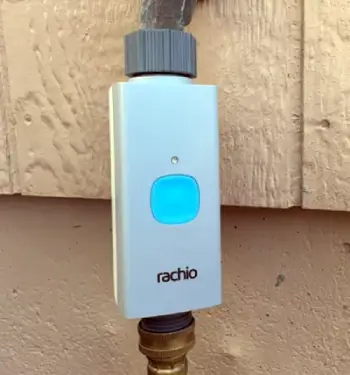
Let me tell you about the day I first unboxed the Rachio Smart Hose Timer.
It was a sunny afternoon last spring, and my yard was looking a bit parched after a dry spell.
I’d been relying on manual hoses for years, dragging them around and guessing how long to water my flower beds and veggie patch.
But when this little device arrived, everything changed.
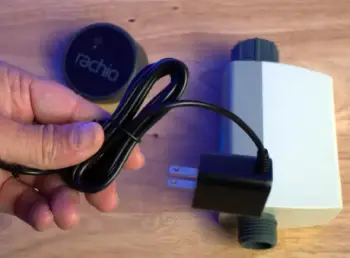
The starter kit comes with the timer valve and a WiFi hub, and setup was a breeze.
I screwed the valve onto my outdoor spigot, plugged the hub indoors near my router, and scanned the QR code in the app.
Within minutes, it was connected to my home network—no fumbling with complicated instructions or calling tech support.
Once set up, I dove right into scheduling. The Rachio app on my phone let me create custom watering plans for different zones in my yard.
For instance, my front lawn gets full sun, so I set it for early mornings to avoid evaporation, while my shaded backyard beds water in the evenings.
What really impressed me was the weather intelligence feature.
One weekend, a storm was rolling in, and the timer automatically skipped the scheduled watering. I checked the app, and sure enough, it had pulled local forecast data to make that call.
No more soggy grass or wasted water bills!
I’ve got two valves now—one for the lawn and one for my raised garden beds—and the hub handles them seamlessly.
The range is solid; even with the hub inside and valves 150 feet away, the connection holds up without drops. Battery life on the AA batteries in the valves has been great too—I’m on month six with no issues.
I integrated it with my Alexa, so now I can just say, “Alexa, start watering the garden,” and it kicks off. It’s made yard maintenance feel modern and hands-off.
There were a couple of hiccups early on. The first time, I placed the hub too far from my router, and the signal was weak, but moving it closer fixed that.
Also, learning to tweak the rain delay settings took a try or two, but the app’s intuitive design helped. Overall, this timer has cut my water usage by about 30%, based on my utility bills, and my plants are thriving more consistently. If you’re like me, juggling work and home, this device frees up your time for enjoying the yard instead of tending it manually.
It’s not perfect for every setup—if your WiFi is spotty outdoors, you might need a booster—but for most homes, it’s a solid upgrade. After using it through a full season, I can’t imagine going back to old-school timers.
Pros Of The Rachio Smart Hose Timer
You know, when I think about what makes the Rachio stand out, it’s the little things that add up to big wins in daily use.
- Seamless App Integration and Control
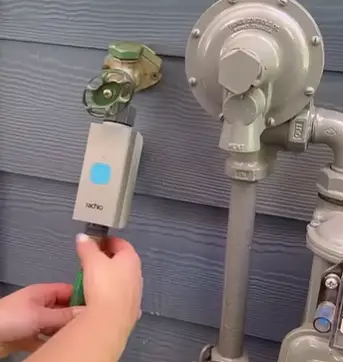
The app is where the magic happens for me.
I can adjust schedules from anywhere—whether I’m at work or on vacation.
It pulls in hyper-local weather data to skip unnecessary watering, which has saved me hundreds of gallons.
You set up zones based on soil type, plant needs, and sun exposure, and it calculates optimal times.
I love how it notifies me of flow issues or low batteries right on my phone.
- Expandable System for Multiple Zones
One hub supports up to eight valves, which is perfect if your yard has different areas like lawns, gardens, or pots.
I started with one and added another without hassle.
Each valve operates independently, so you can stagger watering to maintain water pressure.
It’s like having a custom irrigation system without digging up your yard.
- Smart Features That Save Water and Money
The weather skip and rain sensor integration are genius. It checks forecasts and soil moisture estimates to avoid overwatering.
In my case, it paused during a rainy week, preventing runoff and keeping my bills down.
Plus, it works with voice assistants, so you can control it hands-free.
- Durable Build for Outdoor Use
Built tough with weather-resistant materials, it handles rain, sun, and even light freezes.
The valve feels solid, not flimsy like some cheaper options I’ve tried before.
Batteries last a year, and the hub is compact for indoor placement.
- Easy Customization and Insights
I get reports on water usage, which helps me track savings.
You can set manual overrides or quick runs if needed.
The community features in the app let you share tips with other users, adding a social element to yard care.
Cons Of The Rachio Smart Hose Timer
No product is flawless, and the Rachio has a few drawbacks that might matter to you depending on your setup.
- Higher Price Point
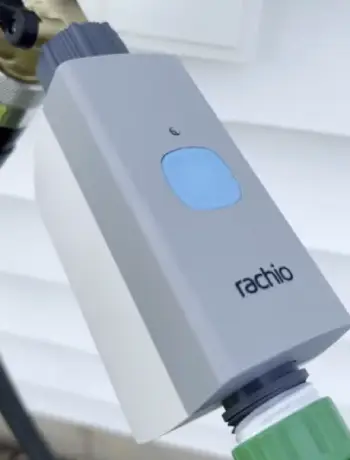
It’s more expensive upfront than basic timers.
The starter kit runs around $100, and extra valves add up.
If you’re on a tight budget, this might feel like a splurge, though the savings pay off over time.
- WiFi Dependency
It needs a strong 2.4 GHz WiFi signal.
If your router is old or your yard is far from the house, connections can drop. I had to add a extender for reliability.
- Battery Replacement Required
Valves run on AA batteries, so you’ll change them annually.
It’s not a big deal, but forgetful folks like me need app reminders.
- Limited to Hose Use
It’s designed for above-ground hoses, not in-ground systems
. If you have buried sprinklers, look at their full controller instead.
Maintenance Tips For Your Rachio Smart Hose Timer
Listen, I’ve had my Rachio Smart Hose Timer running for over a season now, and let me tell you – keeping it in great shape isn’t rocket science, but doing these things regularly has kept mine leak-free, connected, and reliable through hot summers and chilly falls.
You want this thing to last years without headaches, right? Here are the detailed steps I follow, based on what works best in real life.
- Battery Management and Replacement
The valves run on two AA batteries each, and honestly, this is the single biggest thing you’ll handle.
The official info says they should last a full watering season, but I’ve found it varies – heavy use with lots of manual starts or frequent Bluetooth pings can drain them faster.
I check the battery level in the app every month; it gives you a clear percentage and sends push notifications when they’re getting low, usually turning red around 20-30%.
When it’s time to replace them, always go for high-quality alkaline batteries – I stick with name brands like Energizer or Duracell because cheap ones leak or die prematurely.
Open the battery compartment carefully (it’s on the valve body), note the orientation (the diagram inside helps), pop in fresh ones, and close it tight.
One time I mixed old and new, and it caused weird connection issues – lesson learned, never mix!
- Cleaning the Valve and Preventing Buildup
Outdoor faucets get dirty – dirt, mineral deposits from hard water, grass clippings, you name it. Every 2-3 months, I take a few minutes to clean the valve.
First, turn off the water at the spigot, unscrew the valve (it’s threaded like any hose connection), and rinse the threads and inlet/outlet with a gentle hose spray.
If you have hard water like I do in my area, you’ll see white calcium buildup – use a soft toothbrush with a bit of vinegar solution (half water, half white vinegar) to scrub it off gently.
Don’t use harsh chemicals or abrasive pads; they can scratch the seals and cause leaks.
Dry everything thoroughly with a clean cloth before screwing it back on – moisture trapped can lead to rust or mold.
Also, inspect the rubber washer inside the connection (the one that seals against the spigot); if it’s worn or cracked, replace it with a standard garden hose washer from any hardware store.
I do this check during cleaning, and it’s caught a couple of potential drips early.
- Winter Preparation and Storage
This is crucial if you get real winter weather. The valve is rated for 32°F to 158°F operating, but freezing water inside can crack things.
When cold season hits, I shut off the outdoor spigot, drain any remaining water by opening the valve manually then disconnect the valve completely.
Store the valve indoors – garage shelf or basement works for me – in a dry spot. Wrap it in a cloth or bubble wrap to prevent scratches, and keep batteries separate.
The WiFi hub stays plugged in indoors year-round; it’s fine. Come spring, I reinstall, add fresh batteries, and let the app reconnect – it usually picks right up.
- Keeping the App, Firmware, and Connections Fresh
Maintenance isn’t just physical. The Rachio app gets updates regularly, and firmware on the hub and valves improves connectivity and features.
I check for app updates every couple of months and install them – they’ve fixed small bugs and added things like better battery reporting.
If your connection drops, restart the hub by unplugging it for 30 seconds. Also, occasionally power cycle your router if signals weaken.
For multiple valves, ensure they’re within 200 ft line-of-sight of the hub (less with walls/obstructions).
I placed mine strategically to avoid issues.
- Troubleshooting and Quick Fixes to Avoid Downtime
Flow alerts? Check for kinks in hoses or clogs in nozzles.
Low battery surprises? Set app notifications higher. If the valve won’t connect after battery swap, press the blue button for 10-60 seconds to reset (hold longer for factory reset if needed).
I’ve done this a couple times after winter storage, and it brings it back online fast.
Overall, spend 15-20 minutes a few times a year on these tasks, and your Rachio will reward you with consistent performance, lower water bills, and zero surprises.
It’s not high-maintenance – just smart maintenance. Trust me, after doing this routine, I barely think about it anymore, and my yard stays happy.
Comparing The Rachio To Other Brands
When I was shopping, I looked at several alternatives. Here’s how the Rachio stacks up against them in my view.
- Rachio Vs. Orbit B-hyve
The Orbit B-hyve is a solid budget option I considered.
It’s cheaper, often under $50 for a basic smart timer, and has Bluetooth for close-range control, which is handy if WiFi is iffy.
However, its app feels clunky compared to Rachio’s—schedules are less intuitive, and weather integration isn’t as precise.
I tried a friend’s Orbit, and it lacked the zone customization I love in Rachio.
Orbit supports multiple timers too, but the hub range is shorter, about 100 feet max.
If you’re saving money and don’t need fancy features, Orbit works, but for reliability and ease, I’d pick Rachio every time.
- Rachio Vs. Rain Bird Smart Timer
Rain Bird has been around forever, and their smart hose timer is reliable for basic needs.
It’s got good build quality and integrates with some home systems, but the app is outdated—navigation is confusing, and updates are rare.
Weather skipping exists, but it’s not as smart; it relies more on manual inputs.
Price-wise, it’s similar to Rachio, around $80-100, but lacks the expandable hub for multiple valves without extra costs.
In my testing with a neighbor’s setup, Rain Bird held up in heavy rain, but customizing for different plants was harder. Rachio wins on user-friendliness.
- Rachio Vs. Melnor AquaTimer
Melnor’s smart version is entry-level, great for simple yards. It’s affordable, under $40 sometimes, and has WiFi for app control, but features are bare-bones—no advanced weather AI or voice integration.
The build feels plastic-y, and battery life is shorter, maybe six months.
I used a Melnor manual timer before, and upgrading to smart with them might not feel worth it if you want data insights. Rachio’s app provides usage reports that Melnor skips.
For casual users, Melnor is fine, but if you want a system that grows with your yard, Rachio is superior.
Frequently Asked Questions (FAQ)
Up to 8 valves per WiFi hub.
Generally reliable if maintained, with occasional WiFi issues.
Yes, for water savings and convenience.
Screw valve to spigot, plug hub indoors, scan QR in app for setup.
Wrapping Up
In the end, the Rachio Smart Hose Timer has revolutionized how I care for my yard.
It’s reliable, smart, and worth every penny. You won’t regret buying it—grab one and enjoy a greener, easier life.
Recent Posts
● Interactive 5-Zone Interior & Exterior Paint Blueprint Paint Coverage Calculator: Gallons, Primer, Square Footage & Cost Tap any architectural surface zone on the blueprint...
If you want smooth, shiny hair without spending a fortune on a premium styling tool, the Ella Bella hair dryer may be worth considering.In these Ella Bella hair dryer reviews, I’ll look...