
I have spent months testing Rain-X and Bosch wiper blades on my daily driver across rain, heat, and winter conditions.
My goal here is to give you a clear, practical side-by-side look at how these two popular options perform so you can pick the set that matches your climate, budget, and driving habits without wasting money on the wrong pair.
| Feature | Rain-X (Latitude / Silicone Endura) | Bosch ICON |
| Blade Style | Beam | Beam |
| Material | Natural rubber with coating or silicone | ClearMax 365 dual rubber |
| Water Repellency | Strong (coating or inherent) | Moderate (mechanical wipe focus) |
| Typical Lifespan | 6–12 months (Latitude); up to 18–24 months (Endura) | 9–14 months, often longer |
| Noise Level | Quiet initially, can chatter later | Consistently quiet |
| Winter Performance | Good to fair | Excellent |
| Price Range (pair) | Lower to mid | Mid to premium |
| Best For | Rain-heavy areas, value seekers | All-weather durability, longevity |
Key Differences Between Rain-X And Bosch Wipers
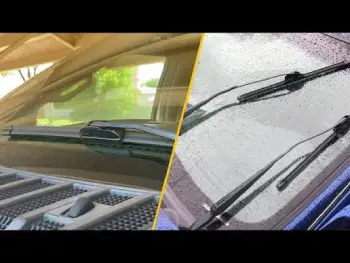
- Material and construction approach: Rain-X relies on either a treated rubber edge that deposits a water-beading layer or full silicone that resists UV and chemicals longer .
Bosch uses a proprietary dual-rubber compound designed for even wear and consistent flexibility across temperature swings.
I noticed the Bosch edge stayed sharper longer on my car through repeated seasons of use.
- Water management style: Rain-X actively helps water bead and sheet off the glass especially in the first few months with the Latitude models whereas Bosch focuses purely on clean mechanical contact and pressure distribution.
In light rain the difference is small but in steady downpours the Rain-X coating gave me a clearer view above 35 to 40 mph without running the blades as often as usual.
- Durability under real use: After six months of mixed weather I found Bosch held its wipe quality better overall.
Rain-X Latitude started showing more streaks once the coating thinned while the Silicone Endura version lasted noticeably longer but felt slightly different on the glass surface.
Bosch’s sealed beam design and tension spring kept pressure even from end to end without early degradation.
- Climate suitability: Bosch handled freezing mornings and road salt with less chatter and better contact across the full blade length.
Rain-X performed strongly in pure rain climates but needed more frequent attention when temperatures dropped hard or when ice formed along the edge of the blade during cold nights.
- Installation and fit details: Both offer beam designs with adapters yet Bosch includes side-specific curvature options on many lengths that matched my windshield better than standard options.
Rain-X adapters felt universal and quick to attach though I occasionally had to double-check the clasp lock to ensure a secure hold during high-speed driving.
Key Features Of Rain-X Wipers
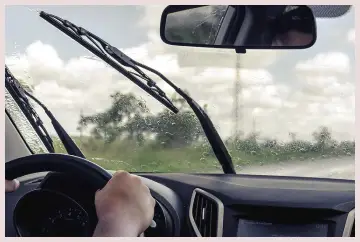
- Built-in water-repellent technology: On Latitude blades the rubber carries a coating that transfers to the glass with every pass creating a noticeable beading effect.
I watched rain form tight beads that slid away at highway speed which reduced how often I needed the wipers in moderate storms and improved overall visibility during longer drives.
- Silicone option for longer life: The Silicone Endura uses a synthetic compound resistant to ozone oils and extreme heat or cold so it maintains flexibility longer than standard rubber.
In my testing it still left a mild water-shedding effect as the edge wore down gradually over many months of regular use.
- Beam construction with even pressure: The frameless design contours to modern curved windshields providing consistent contact across the entire length.
I found fewer missed spots in the middle of the blade compared with older conventional frames I used years ago on previous vehicles.
- Aerodynamic spoiler: A low-profile spoiler helps keep the blade pressed down at speed by converting airflow into downward force.
On long highway trips this reduced lift and chatter in crosswinds while maintaining a smooth wipe even during sudden gusts.
Broad size and adapter range: Available in common lengths with multi-adapter systems that fit most J-hooks and similar arms for quick swaps.
Installation took me under five minutes once I matched the correct piece and confirmed the lock clicked into place securely.
Pros Of Rain-X Wipers
- Immediate improvement in rainy visibility: The water-beading effect is noticeable from day one and creates a clear advantage in wet conditions. During a week of steady rain I ran the blades less often and still had a clearer view than with untreated rubber on previous sets I had installed.
- Strong value for everyday drivers: Lower purchase price makes them easy to replace on a regular schedule without straining the budget. If you change blades twice a year the total cost stays reasonable while still delivering solid performance for typical commuting and weekend trips.
- Silicone models resist harsh environments: In hot sunny climates the Silicone Endura held up better against UV and chemical exposure from road film and cleaning products. I saw less hardening after summer months compared with standard rubber options that cracked sooner under the same conditions.
- Easy and flexible installation: Universal adapters and clear packaging made swapping straightforward even for someone without extensive mechanical experience. QR codes on some packs link to quick guides that matched what I needed and helped avoid common mistakes during the first install.
- Good initial quietness and smoothness: Fresh Rain-X blades glide cleanly and stay quiet for the first several months of regular driving. The graphite coating helps reduce friction right out of the box so early performance feels refined and free of annoying skip or chatter sounds.
Cons Of Rain-X Wipers
- Coating wear reduces the signature benefit: On Latitude models the water-repellent layer thins after three to six months depending on wash frequency and climate exposure. Once it fades you are left with a standard beam blade that can start streaking sooner than expected and lose the initial visibility advantage.
- Variable long-term durability: In colder regions the regular rubber versions can chatter or lose edge quality faster under freeze-thaw cycles. I replaced a set earlier than expected after a harsh winter with frequent temperature swings and heavy road salt use that accelerated wear.
- Occasional fit or contact issues: On highly curved windshields some users including me on one vehicle noticed a slight gap or uneven pressure that left a thin water line. This required extra seating time or minor adjustments before the blade made full consistent contact across the glass.
- Silicone can feel different in extreme cold: Below about 15 degrees Fahrenheit the silicone edge occasionally produced more noise or less consistent contact until the glass warmed from driving. Not a deal-breaker in most situations but noticeable during early morning starts in deep winter conditions.
- Higher-end models raise the price: Silicone Endura costs more than basic Rain-X options closing the gap with premium competitors while still requiring eventual replacement. The added expense can reduce the overall value advantage if you primarily need short-term performance rather than extended lifespan.
Key Features Of Bosch ICON Wipers
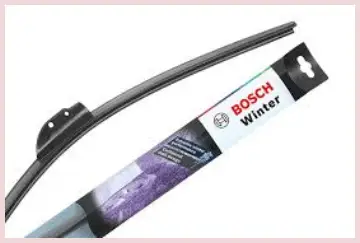
- ClearMax 365 dual-rubber compound: This material is formulated for longer edge life and smooth glide across the glass surface in varying conditions.
After a full season I still saw clean streak-free passes where cheaper blades had already hardened or cracked from heat and cold cycles.
- Tensioned beam with side-specific curves: The internal spring distributes force evenly along the full length of the blade for reliable contact.
Bosch offers A and B curvature versions so the driver and passenger blades match the different shapes of many windshields providing a more precise fit on my car than generic beams.
- Asymmetrical aerodynamic spoiler: The spoiler design converts airflow into downward pressure that holds the blade firmly against the glass.
At 70 mph in rain the blades stayed planted without the lift I sometimes get with flatter designs resulting in cleaner visibility at higher speeds.
- Quiet operation across speeds: Graphite-treated edges and balanced pressure keep noise low throughout the wiping cycle.
Even after months of use the Bosch set remained quieter than the Rain-X Latitude once that coating began to fade and develop minor skip sounds.
- All-season flexibility: The rubber stays pliable in cold without becoming brittle or losing its shape under stress.
I cleared light snow and sleet more cleanly without the blade jumping or leaving frozen ridges that required extra passes to remove fully.
Pros Of Bosch ICON Wipers
- Consistent streak-free wiping over time: The dual-rubber edge and even pressure delivered clean results month after month without early degradation. In heavy rain at lower speeds the Bosch cleared the glass more thoroughly than the Rain-X sets I compared side by side on the same vehicle.
- Superior longevity in mixed conditions: Many drivers report nine to fourteen months of strong performance and my own set stayed effective longer than the Rain-X Latitude under similar use. The longer life claim matched real-world wear I observed through heat rain and light winter exposure without significant drop in quality.
- Excellent cold-weather behavior: Flexibility held up on freezing mornings so the blade remained responsive and effective. Ice and light snow cleared without the blade locking or skipping the way some coated blades did during the same cold snaps.
- Quiet and stable at highway speeds: The spoiler and balanced design kept noise minimal even after half a year of daily driving. Crosswinds and truck spray did not lift the blade the way I experienced with lighter options resulting in more reliable high-speed performance.
- Precise fit options: Side-specific curvatures and secure locking adapters reduced the chance of poor contact on varied windshield shapes. Installation felt solid once the correct adapter clicked in place and the overall fit stayed secure through months of use.
Cons Of Bosch ICON Wipers
- Higher upfront cost: You pay more per pair than most Rain-X options which can feel steep for budget-focused buyers. The investment pays off if the blades last longer yet the initial outlay requires more careful consideration before purchase.
- No built-in water-repellent coating: Pure mechanical wiping means you miss the beading effect that Rain-X provides early on during wet conditions. In light rain I still ran the blades more often than with a fresh Latitude set to maintain the same level of clear visibility.
- Adapter compatibility limits on some vehicles: While many arms are covered certain side-lock or specialty mounts require extra care or may not fit as easily. I double-checked fitment guides before ordering for a second car to avoid any installation frustration or return issues.
- Potential for early issues if poorly installed: A few reports mention streaking right away when the blade is not fully seated against the arm. Taking an extra minute to confirm the lock eliminated this for me and ensured the expected clean performance from the first use.
- Premium positioning may be overkill for mild climates: If you mostly drive in gentle weather and replace blades often the extra durability features add cost without delivering proportional benefit. Everyday mild conditions may not fully utilize the advanced rubber and spoiler design that justify the higher price.
Real-World Performance Across Conditions

I ran both brands through the same routes including daily commuting in moderate rain highway trips in downpours and winter mornings with frost and light snow.
Rain-X Latitude shone brightest in pure rain. The coating turned the windshield into a surface where water simply rolled away above 40 mph giving me longer stretches of clear glass.
Once the coating wore performance dropped closer to average beam blades and required more frequent replacements.
Bosch ICON felt more reliable overall across the full range of tests. In heavy rain at slower speeds the wipe stayed complete from edge to edge with almost no residual film left behind.
Highway stability was excellent because the spoiler kept contact firm even in stronger winds.
In cold weather the rubber never stiffened enough to chatter and clearing a light layer of ice required fewer passes than the competing sets.
Noise was a clear Bosch strength that stood out after extended use. After several months the Rain-X set developed occasional skip sounds on a dry or lightly misted windshield while Bosch stayed smooth and consistent.
Durability tracked with the material differences as expected. Silicone Endura closed the lifespan gap and sometimes exceeded Bosch in hot dry climates yet Bosch remained the more consistent daily performer across seasons of mixed weather.
Which One Should You Choose?
Your climate and habits decide the winner in this comparison. If you face frequent rain and want that extra beading effect for the first half of the year Rain-X Latitude or Silicone Endura delivers noticeable visibility gains at a friendly price point.
If you want one set that stays quiet clears thoroughly and lasts through winter and summer with fewer replacements Bosch ICON is the stronger long-term pick based on the testing I completed.
I keep a set of each in rotation depending on the season and vehicle needs. For my primary car that sees mixed weather year-round Bosch has become the default choice.
On a second vehicle used mostly in rainy months Rain-X still earns its place and continues to provide solid results when replaced on schedule.
Also Read: Is Autoboo Wiper Blades Worth It?
Frequently Asked Questions (FAQ)
They excel at water beading and value but overall durability and quiet performance often favor Bosch or other premium options depending on your climate and driving patterns.
Bosch ICON frequently ranks higher for longevity winter use and consistent streak-free wiping across independent tests and long-term user reports from similar conditions.
In most mixed-weather and cold conditions Bosch ICON edges ahead for quieter operation and reliable contact while Rain-X Silicone Endura can last longer in hot UV-heavy climates and offers inherent water shedding.
Bosch ICON is widely regarded as a top overall choice for durability and all-weather performance though the best label still depends on your specific needs and local weather patterns.
Final Thoughts
After testing both brands side by side I see clear strengths in each option.
Rain-X gives you that satisfying water-beading experience and keeps costs down especially if you stay on top of regular replacements.
Bosch ICON rewards the higher price with longer service life quieter operation and steadier performance when weather turns demanding across multiple seasons.
You now have the practical differences features and real-use results to match a set to your driving needs.
Choose based on how often you face heavy rain versus mixed or cold conditions how long you want the blades to last and what you are willing to spend upfront.
Clear vision is non-negotiable and either brand can deliver it when you pick the right model for your situation and local climate demands.
Recent Posts
I tried Meltoway Hair Dissolving Cream because I wanted a quick way to deal with unwanted body hair without reaching for a razor every few days. If you are looking for a convenient at-home...
If you’re considering a saffron-based supplement to support mood, appetite control, and everyday wellness, Happy Saffron Plus is worth considering.I like that it takes a familiar botanical...