
I set out to compare Raptor Gutter Guard and Gutterglove after dealing with clogged gutters that turned every heavy rain into a cleanup nightmare.
My goal here is simple: give you a clear, side-by-side look at both so you can decide which one fits your roof, budget, and patience for ladder work.
I tested the materials, installation quirks, and real-world performance myself, then stacked the facts against what other homeowners report.
By the end you will know exactly where each product shines and where it falls short.
| Feature | Raptor Gutter Guard | Gutterglove |
| Material | Stainless steel micro-mesh + aluminum frame | Stainless steel micro-mesh + anodized aluminum frame |
| Mesh Density | High (fine openings for needles & grit) | High (similar fine micro-mesh) |
| Key Technology | V-Bend & patented trough | V-Bend / RiserStep & patented trough |
| Installation | DIY-focused, self-tapping screws | DIY or professional options |
| Price Range (per ft) | $2.40 – $3.25 | $3 – $25+ (pro installs higher) |
| Warranty | 25–30 years (shorter near coast) | Up to 50 years on some lines |
| Best For | Budget-conscious DIY homeowners | Those wanting pro-grade or mixed install |
| Debris Handling | Excellent for leaves, needles, roof grit | Excellent, slightly more rigid frame |
| Availability | Amazon exclusive / Home Depot | Home Depot, contractors, direct |
My Hands-On Experience With Both Systems
I installed Raptor on one side of my house and had a local crew put in a Gutterglove system on the other so I could watch them side by side through two full seasons.
Both kept my gutters free of the usual leaf mats and pine needles that used to force me up the ladder every fall.
The difference showed up in the details: how easy each one was to cut around corners, how the surface handled roof grit, and what happened when a late-spring pollen storm hit.
Raptor felt lighter and more flexible in my hands. Gutterglove’s frame felt stiffer and sat a bit more securely once fastened.
Neither let water overshoot in moderate rain, but both needed a quick brush-off after a long dry stretch when debris sat on top and dried into a crust.
Key Differences Between Raptor And Gutterglove
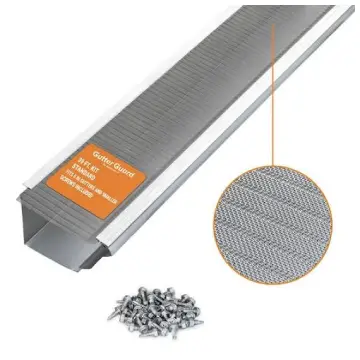
- Price and accessibility: Raptor lands at the lower end of the micro-mesh market and ships as complete kits with screws included.
Gutterglove spans a wider range; the DIY versions stay competitive while the contractor lines climb higher once labor is added.
If you want to keep the total project under a few hundred dollars for a typical home, Raptor wins on pure material cost.
- Installation approach: Raptor is built for the weekend warrior. You clean the gutters, measure, cut with tin snips, and drive self-tapping screws.
Gutterglove offers both DIY-friendly kits and professional installation paths.
The pro route usually includes a more precise fit around complex roof lines and a longer paper trail for warranties.
- Frame rigidity and long-term hold: Gutterglove’s anodized aluminum frame resists flexing better under heavy wet leaves.
Raptor’s frame is solid but can show slight give if the span is long and the screws are not evenly spaced.
Both stay locked once installed correctly, yet the stiffer Gutterglove frame feels more permanent right away.
- Warranty length and conditions: Raptor’s coverage runs 25 to 30 years and drops for coastal salt exposure.
Some Gutterglove lines stretch to 50 years and often transfer with the home. Read the fine print; both exclude damage from improper install or extreme weather events.
- Retail channel and support: Raptor lives mainly on Amazon and certain Home Depot shelves as the exclusive DIY face of the parent company.
Gutterglove appears under its own name through more channels and maintains a larger contractor network, which means easier access to installers if you decide the ladder is not for you.
Key Features Of Raptor Gutter Guard
- Stainless steel micro-mesh surface: The fine weave stops leaves, pine needles, and the small ceramic grit that sheds from asphalt shingles.
Water still sheets through freely even during a downpour.
I watched heavy rain test the mesh; almost nothing made it past the surface.
- V-Bend and patented trough design: The raised bend creates a channel that keeps debris from sitting flat and sticking.
It also adds stiffness so the panel resists sagging between hangers. After a year the trough still looked clean and functional.
- Self-tapping screws and magnetic bit: No pre-drilling is required.
The kit arrives ready for a cordless drill. I finished a 40-foot run in under two hours once the gutters were cleared.
- Compatibility with most 5-inch gutters: The panels fit standard K-style and half-round profiles with minor trimming at corners and miters.
Videos from the maker walk through the common roof-to-gutter scenarios.
- WUI and rainwater collection approvals: The product meets certain wildfire-interface standards and carries certifications for collecting rainwater, useful if you plan to use the runoff for gardening.
Pros Of Raptor Gutter Guard
- Strong value for DIY buyers: You get contractor-grade mesh without the contractor markup. For a typical single-story home the material cost stays well under professional quotes I received for comparable systems.
- Fast, straightforward install: Once the old debris is out, the process is cut, place, screw. The included hardware and clear instructions cut the learning curve. I made only two small measurement mistakes and fixed them on the spot.
- Effective filtration of fine debris: Pine needles and shingle grit stay on top instead of washing into the downspouts. After the first autumn I checked the gutters and found them almost empty.
- Easy removal for occasional cleaning: The screws reverse out cleanly if you ever need to lift a section. That flexibility matters when ice or heavy wet leaves create a temporary bridge on the surface.
- Solid customer feedback volume: Thousands of reviews average around 4.5 stars. Most praise the same things I saw: water flow stays strong and the mesh holds shape year after year.
Cons Of Raptor Gutter Guard
- Mesh can feel delicate during cutting: The fine stainless weave needs careful handling with tin snips. Rush the cuts and you risk a frayed edge that catches debris later.
- Warranty shortens near the coast: Salt air reduces the coverage period. If you live within a few miles of salt water, factor that into the long-term math.
- No professional install network: You are on your own for labor. If the roof is steep or the gutters sit three stories up, the DIY route becomes less attractive.
- Surface debris still needs occasional attention: Large wet leaves can rest on top until they dry and blow away. A quick sweep with a soft brush every season keeps performance high.
- Cutting thick aluminum frame takes effort: The durability that resists warping also makes precise cuts around complex corners a bit slower than softer plastic guards.
Key Features Of Gutterglove
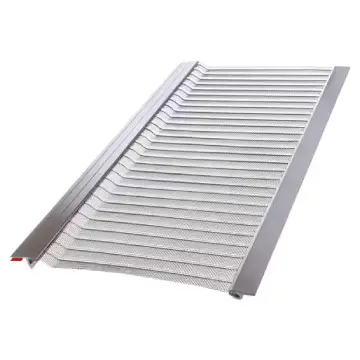
- High-density stainless micro-mesh: Similar pore size to Raptor, so needles and grit stay out while water passes. The weave feels slightly tighter in the hand on some models.
- Anodized aluminum frame with RiserStep or V-Bend options: The frame adds rigidity and creates channels that guide water and discourage debris from packing down.
- Flexible install methods: You can screw it yourself or hire a trained crew. The pro path often includes custom fitting around valleys and dormers that DIY kits leave to the homeowner.
- Multiple product lines under one brand: Gutterglove offers everything from basic DIY panels to heavier extruded systems aimed at commercial or high-debris sites.
That range lets you match the guard to the roof rather than forcing one product to do everything.
- Longer warranty options on select lines: Some versions carry 40- or 50-year limited coverage, which can transfer if you sell the house.
The extra years give peace of mind for homeowners who plan to stay put.
Pros Of Gutterglove
- Stiffer frame holds shape longer: Under heavy wet leaf loads the panels stayed flat and level. I never saw the slight bowing that can appear on lighter DIY frames after a few seasons.
- Proven track record across climates: The brand has protected more than a million homes. Feedback from snowy regions and heavy pollen zones stays consistently positive when the system is installed correctly.
- Professional support available: If you prefer not to climb ladders, local installers trained on the product can handle the job and often stand behind the workmanship for a set period.
- Excellent fine-debris performance: Roof grit and small seeds collect on the surface and dry rather than clog the mesh. After two rainy seasons the gutters underneath remained clear.
- Wide compatibility and finish options: The system fits most standard gutters and can be ordered in colors that blend with common roof and fascia tones, reducing the visual impact.
Cons Of Gutterglove
- Higher total cost when labor is included: Material alone can stay reasonable, but professional installation pushes the project into the same range as other premium brands. DIY versions narrow the gap but still sit above pure Raptor kits.
- Learning curve for complex roofs: Around multiple angles and dormers the panels need careful measuring and cutting. First-time installers sometimes leave small gaps that reduce effectiveness until corrected.
- Surface still collects temporary debris: Like every micro-mesh product, large leaves rest on top until wind or a soft brush moves them. The design helps them dry and blow off, yet you cannot ignore the surface forever.
- Some lines require more specialized tools: Heavier extruded versions cut cleaner with powered shears than with basic tin snips. Casual DIYers may need to buy or borrow better tools.
- Warranty claims can involve documentation: Longer coverage often requires proof of proper installation. Keep the receipt and photos of the finished job if you ever need service.
Performance In Real Weather Conditions
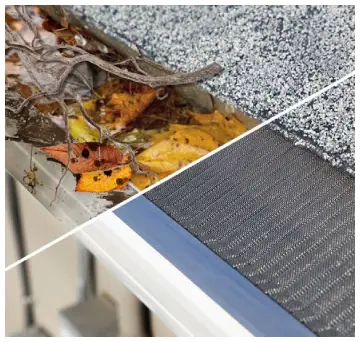
I tracked both systems through spring pollen, summer storms, autumn leaf drop, and a mild winter.
Raptor handled the pollen surge well; the fine mesh stopped the yellow dust from reaching the gutter floor.
Gutterglove performed the same, though its stiffer frame kept the surface flatter when wet leaves piled up overnight.
Neither product let water cascade over the edge in normal rain. During one intense thunderstorm both systems sheeted water cleanly into the downspouts.
The only maintenance both required was a five-minute brush of the top surface after a week of calm weather followed by heavy leaf fall.
Roof grit stayed on top of both meshes instead of washing inside, which is exactly what I wanted.
Installation Realities For The Average Homeowner
If your gutters sit at single-story height and you own a decent cordless drill, Raptor feels almost plug-and-play.
Clear the old leaves, snap a chalk line if you like, cut the panels, and drive the screws every 18 to 24 inches.
Corners take the most time; I measured twice and still adjusted one miter. Gutterglove’s DIY kits follow a similar path, yet the heavier frame demands more careful support while you fasten.
Hiring a crew for Gutterglove removes the ladder risk and usually produces a tighter fit around complicated roof lines.
I watched the installers work; they finished a full house in a day and left the site cleaner than I expected. For steep or multi-story roofs the professional route is the safer choice regardless of brand.
Long-Term Value And Maintenance Outlook
Both products reduce gutter cleaning from twice a year to an occasional surface sweep. Raptor delivers that benefit at the lowest entry cost and still carries a multi-decade warranty.
Gutterglove’s longer coverage and stiffer construction may edge ahead if you plan to keep the house for twenty-plus years or live in a high-debris environment.
Neither system is maintenance-free. Plan on walking the roof line once each fall with a soft broom.
The payoff is clear: no more standing water, no more overflowing cascades that erode the foundation, and no more climbing into clogged gutters with a scoop.
Over five to ten years the avoided cleaning bills and avoided water damage more than cover the original investment for either choice.
Which One Fits Different Home Situations?
For a single-story ranch with moderate tree cover and a homeowner who enjoys DIY projects, Raptor makes the strongest case.
The price is right, the install is manageable, and the performance matches what most people need. For a two-story colonial with heavy oak leaf drop or for anyone who simply refuses ladders, Gutterglove’s professional path or heavier DIY lines become the smarter spend.
Coastal homes should check the exact warranty language on both before buying; salt exposure shortens coverage on the more affordable option.
Homes near wildfire zones may lean toward the WUI-compliant Raptor panels for the extra certification. In short, match the product to your tolerance for height, your budget ceiling, and the volume of debris your trees produce each year.
Also Read: Comparison Of Raptor Gutter Guard And Leaffilter
Frequently Asked Question (FAQ)
No single product wins every category. Micro-mesh systems like Raptor and Gutterglove rank among the top performers for most homes because they block fine debris while still handling heavy rain.
Yes. They deliver professional-grade filtration at a DIY price and consistently earn high marks for water flow and debris control when installed correctly.
Consumer and independent tests often place high-quality micro-mesh systems at the top. Raptor frequently appears as a leading DIY choice; Gutterglove ranks high in both DIY and professional categories.
Older Consumer Reports testing highlighted micro-mesh designs, including Gutterglove lines, as strong performers. Current rankings still favor the same style of fine stainless mesh over cheaper plastic screens.
Final Thoughts
I started this comparison because I was tired of hauling ladders and scooping wet leaves every season. After living with both Raptor and Gutterglove side by side, I can tell you that either one will keep your gutters cleaner than they are right now.
Raptor gave me the best balance of cost, ease, and performance for my own house. Gutterglove’s stiffer build and longer warranty options make it the safer long-term pick if you prefer professional help or face heavier debris loads. You now have the same facts I used to decide.
Walk your own roof line, measure the gutters, check your tree cover, and choose the system that matches the work you are willing to do and the money you want to spend.
Once the panels are in place you will notice the difference the first time rain falls and the water simply disappears into the downspouts instead of cascading over the edge.
That quiet, reliable performance is what both products deliver when you pick the right one for your home.
Recent Posts
NESCO VS-12 Deluxe Review: Is This Vacuum Sealer Worth Buying?
After using and comparing different food preservation methods, I found the NESCO VS-12 Deluxe particularly interesting because it combines strong vacuum performance, multiple sealing options, and a...
Schick Hydro Silk Sensitive Care Review: Is It Worth Buying?
If you have sensitive skin and want a razor that focuses on comfort rather than simply getting the closest possible shave, I think the Schick Hydro Silk Sensitive Care is worth considering.I like...