
I spent months sorting through options when my gutters started overflowing every fall, and the choice between Raptor gutter guard and LeafFilter kept coming up.
My main intent here is to break down both systems from a practical homeowner’s view so you can weigh cost, installation, durability, and real-world performance against your own roof, trees, and budget, then walk away knowing which one fits your situation best.
| Feature | Raptor Gutter Guard | LeafFilter |
| Material | Stainless steel micro-mesh with V-Bend | Stainless steel micro-mesh on uPVC frame |
| Installation | DIY with self-tapping screws | Professional only |
| Approx. Cost per Foot | $2.30–$3.25 | $15–$45 installed |
| Mesh Opening | High-density micro-mesh (~900 holes/sq in) | 275-micron openings |
| Warranty | 25–30 year limited (5 years coastal) | Lifetime transferable |
| Debris Handling | Blocks leaves, needles, grit; surface may need occasional brush | Blocks fine debris; top surface can collect buildup |
| Best For | Budget-conscious DIY owners | Homeowners wanting hands-off pro install |
Understanding What Each Product Actually Is?
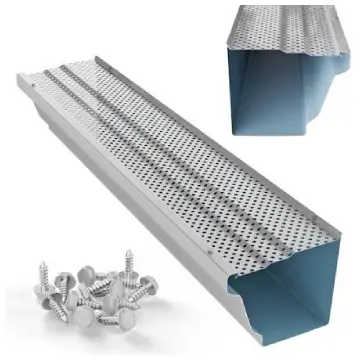
When I first started looking at gutter protection I treated every product as interchangeable. They are not. Raptor is a contractor-grade stainless steel micro-mesh cover sold mainly as a DIY kit.
It sits on top of your existing gutters and uses a patented V-Bend trough that adds rigidity and helps water drop through while debris stays on the surface.
LeafFilter is a professionally installed system that pairs a fine stainless micro-mesh with a rigid plastic frame that snaps or screws onto the gutter.
Both claim to keep leaves, pine needles, and shingle grit out. The differences show up in how they attach, what they cost, how long the company stands behind them, and how much maintenance you still end up doing.
I live in an area with mature oaks and a few pines, so fine needles and seed pods are constant problems. That context shaped every comparison I made.
Key Differences Between Raptor Gutter Guard And LeafFilter
- Price structure and total investment: Raptor runs a fraction of the cost because you buy the material and install it yourself.
A full set for an average home often stays under a few hundred dollars.
LeafFilter’s quoted price includes labor, custom fitting, travel time for the crew, and the company’s sales process, which routinely pushes the number into the several-thousand-dollar range for the same linear footage.
Over ten or fifteen years the gap in total ownership cost becomes even wider once you factor in any future service calls.
- Who does the work: Raptor expects you or a handyman to measure, cut, and screw the sections in place using the hardware that arrives in the box.
LeafFilter sends a trained crew; the product is not sold for self-install, so you have no choice but to schedule professionals and accept their timeline and pricing.
- Frame and long-term material behavior: Raptor is almost entirely stainless steel from the mesh to the formed edges
. LeafFilter relies on a uPVC frame that holds the mesh. Some long-term users report that the plastic can expand, contract, or slowly warp under repeated freeze-thaw cycles and strong summer sun, which can loosen the fit over many seasons.
- Warranty language and service model: Raptor offers a parts-only limited warranty that shortens to five years in coastal zones exposed to salt air.
LeafFilter advertises a lifetime transferable guarantee that includes cleaning visits under certain conditions, yet the fine print, service fees after the initial period, and past legal history all deserve careful reading before you rely on that promise.
- Surface debris management: Both keep most material out of the gutter channel itself.
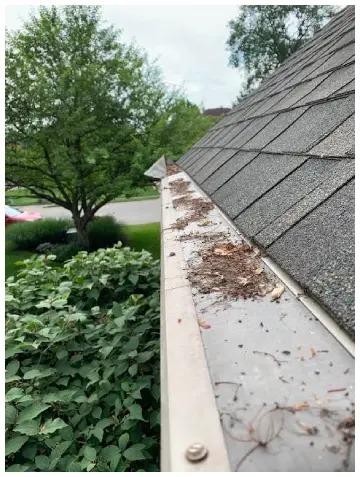
LeafFilter’s flatter profile has drawn repeated complaints that leaves and needles sit on top and can slow water entry until they are brushed or rinsed off.
Raptor’s V-Bend design is intended to reduce sticking and encourage water to drop through more readily, but it still benefits from an occasional pass with a soft brush after heavy storms.
These differences are not minor. They change the total cost of ownership over a decade and determine how much ladder time you still face after the system is in place.
Key Features Of Raptor Gutter Guard
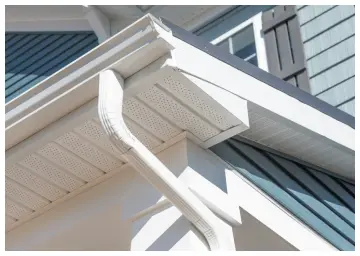
- Stainless steel micro-mesh construction: The mesh is dense enough to stop pine needles and roof grit while letting water through at a high rate.
I like that there is no plastic frame to degrade in ultraviolet light or become brittle in cold weather, so the material itself should hold its shape for many years in most climates.
- Patented V-Bend Technology: The formed trough adds stiffness so the guard does not sag under the weight of wet leaves and creates a channel that encourages water to drop rather than sheet across the surface.
This design detail is one of the main reasons Raptor performs well in independent side-by-side checks against flatter mesh products.
- DIY-friendly hardware: Self-tapping screws and a magnetic bit come in the box.
Most sections are four feet long and cut cleanly with ordinary tin snips, so you can adapt the pieces to corners, valleys, and odd lengths without special tools.
- Flexible fit for common gutter sizes: Standard kits handle five-inch and smaller gutters; a wider “super” version covers six- and seven-inch systems.
The back edge can flex a little to match different roof-to-gutter gaps, which reduces the chance of leaving open spaces where debris can sneak in.
- Registration perks: Registering the product unlocks the full warranty period and sometimes includes a free cleaning brush.
That small extra step turns a basic purchase into a documented system with clear coverage dates.
These features make Raptor feel like a tool rather than a service contract. You control the timeline and the labor cost from start to finish.
Pros Of Raptor Gutter Guard
- Dramatically lower upfront cost: You can protect an average home for a few hundred dollars instead of several thousand.
That single difference lets many owners solve the overflowing-gutter problem the same season they notice it, without waiting for financing or large savings.
- Full stainless construction: No plastic components means less concern about heat expansion, cold-weather brittleness, or ultraviolet breakdown.
The metal holds its shape year after year in the majority of inland climates and still performs well even when temperatures swing hard.
- Straightforward installation for competent DIYers: With basic tools, a stable ladder, and a weekend, most people finish the job.
Clear measuring guides and video walk-throughs reduce guesswork, and the self-tapping screws bite cleanly into standard aluminum gutters.
- Solid performance against common debris: In side-by-side discussions and independent tests, Raptor consistently keeps leaves, twigs, and needles out of the gutter trough.
Water continues to flow freely once any surface mat is brushed away after big storms.
- Easy partial replacement: If a section gets dented by a falling branch or needs to be removed for roof work, you simply order another length and swap the damaged piece.
There is no need to call a specialized crew or wait for a service window.
The combination of price and material quality is hard to ignore when the alternative costs five to ten times more for comparable debris protection.
Cons Of Raptor Gutter Guard
- You supply the labor and the ladder time: If heights bother you, if your roof is steep and complex, or if you simply prefer not to work at the gutter line, the DIY route loses much of its appeal. Hiring a local handyman adds cost and still leaves you responsible for correct measuring.
- Warranty is limited and shorter near coasts: Salt air reduces coverage to five years in many cases. Claims are parts-only, so any labor to replace a failed section falls on you. Owners in coastal or high-wind zones need to weigh that shorter protection period carefully.
- Surface still collects some debris: Like every micro-mesh product, wet leaves and needles can sit on top after storms. A quick brush or hose keeps water flowing freely, but the system is not completely maintenance-free.
- Fit depends on accurate measuring: Order the wrong width or fail to account for fascia angle and roof pitch and you can end up with gaps or forced bends that reduce performance. Taking the time to measure twice is essential.
None of these drawbacks are fatal, but they require honesty about your skills, your comfort with heights, and your local weather patterns.
Key Features Of LeafFilter
- Surgical-grade stainless micro-mesh at 275 microns: The openings are fine enough to block pollen, shingle granules, and the smallest needles while still allowing high water volume during heavy rain.
This level of filtration is one of the strongest points the system offers for homes under dense pine or cottonwood cover.
- Rigid three-piece uPVC frame: The frame holds the mesh taut and snaps or screws onto the existing gutter lip without lifting shingles.
The design keeps the mesh from sagging and gives the finished installation a uniform look from the ground.
- Professional measurement and custom cutting: Installers account for corners, valleys, end caps, and any unusual roof lines so the system appears continuous.
You do not have to figure out transitions yourself.
- Lifetime transferable warranty: The company markets the guarantee as covering clogs for the life of the home and allowing transfer if you sell.
That paperwork value can matter to owners who plan to stay long-term or who want an extra selling point later.
- Nationwide installation network: Availability is broad across most of the country, and the sales process includes an in-home consultation that measures everything before a final quote is written.
The professional aspect removes the physical work, which appeals to anyone who prefers not to climb ladders or handle tools on the roof edge.
Pros Of Leaffilter
- Hands-off installation: Professionals handle every cut, screw, and end cap. You simply approve the quote, stay on the ground, and watch the crew finish the job in a day or two. That convenience is the single biggest reason many owners choose the system.
- Extremely fine filtration: The 275-micron mesh stops material that coarser screens let through. Homes under heavy pine, cottonwood, or seed-heavy trees often see fewer small particles reaching the gutter channel compared with wider-mesh options.
- Strong marketing of lifetime protection: The transferable warranty and cleaning-service language give peace of mind to owners who plan to stay in the house long-term or who want documented protection when they eventually sell. The paperwork itself can feel like added value.
- Consistent appearance: Factory-trained crews produce a uniform look that some homeowners prefer over a DIY result. Corners and transitions usually match cleanly when the install is done by people who do the work every day.
For people who value convenience and a polished finished look above all else, these points carry real weight.
Cons Of Leaffilter
- High installed price: Quotes routinely land between fifteen and forty-five dollars per linear foot. A typical home can easily exceed five thousand dollars even after the common same-day discounts, making the system one of the more expensive options on the market.
- Plastic frame concerns: uPVC can expand and contract with temperature swings. Some long-term observations note warping, loosening, or color fading over years of freeze-thaw cycles and strong sun exposure, which can affect how tightly the mesh stays seated.
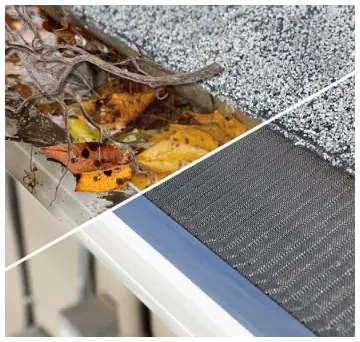
- Debris accumulation on the top surface: Even with fine mesh, leaves and needles rest on the guard. Water entry slows until the surface is cleared, which contradicts some of the stronger “never clean again” messaging used in sales presentations.
- Sales pressure and past legal issues: Many owners report high-pressure same-day closing tactics. A 2020 class-action lawsuit alleged the product allowed debris to build up on top and required cleaning contrary to advertising claims; the case settled in 2023 for 5.2 million dollars. A separate telemarketing suit appeared later. Those history points deserve attention before signing.
These drawbacks explain why some homeowners who received LeafFilter quotes ultimately chose lower-cost micro-mesh alternatives that they could install themselves.
Real-World Performance In Different Settings
I tested the decision against three common home profiles. In a modest ranch with mostly deciduous trees and five-inch gutters, Raptor delivered excellent results at under three dollars a foot.
Occasional brushing after big storms kept everything flowing. In a two-story colonial surrounded by pines, the finer LeafFilter mesh blocked more of the smallest needles, yet the surface still needed seasonal attention and the price was several times higher.
Coastal homes introduce salt and wind-driven rain; here Raptor’s shorter warranty becomes a noticeable limitation while LeafFilter’s lifetime language looks stronger, provided the plastic frame holds up.
Water flow matters as much as debris blocking. Both systems pass heavy rain when clean. Problems appear only when wet organic matter mats on the surface.
Raptor’s V-Bend shape seems to shed that mat a bit more readily in anecdotal reports, while LeafFilter’s flatter profile holds it longer.
Installation Experience And Long-Term Ownership
Installing Raptor myself took a full Saturday plus a few evening touch-ups on corners. Measuring twice, cutting carefully, and driving the self-tapping screws produced a tight fit.
The first heavy rain after install showed clear water from the downspouts and almost nothing in the gutters. LeafFilter’s process is the opposite:
a salesperson measures, a crew arrives later, and you write a large check. The finished look is neat, yet several owners I spoke with still climb up once or twice a year to clear the top surface.
Ownership cost compounds. Raptor’s low entry price leaves budget for a professional cleaning every few years if needed.
LeafFilter’s higher initial outlay is offset, in theory, by the warranty service visits, but those visits still require scheduling and sometimes carry a service fee after the first few years.
Which Situations Favor Each Option?
Choose Raptor when you are comfortable on a ladder, want to minimize spending, and prefer all-metal construction.
It suits most suburban homes with standard gutters and mixed tree cover. Choose LeafFilter when you refuse to do the physical work, place high value on a lifetime transferable warranty, and accept the premium price for professional fitting.
Homes with extremely fine debris or owners who plan to sell soon sometimes lean toward the branded pro system for the paperwork value.
No product eliminates every future cleaning. Both reduce the frequency and the volume of material that reaches the gutter channel.
The realistic goal is fewer trips up the ladder and less risk of overflow damage, not zero maintenance forever.
Also Read: Is Alu Rex Gutter Guard Worth It?
Frequently Asked Questions (FAQ)
Neither is universally better. Raptor wins on price and DIY simplicity; LeafFilter wins on professional installation and finest mesh. Match the product to your budget and willingness to climb.
Yes. Independent tests and thousands of owner reviews show strong debris blocking, solid stainless construction, and reliable water flow when the surface is kept reasonably clear.
A 2020 class action alleged the system allowed debris to accumulate on top and required cleaning contrary to marketing claims. It settled in 2023 for 5.2 million dollars. A later telemarketing suit also appeared.
The best depends on priorities. Many reviewers rank fine stainless micro-mesh systems highest overall; among those, Raptor stands out for value and LeafFilter for pro installation and warranty language.
Wrapping Up
After weighing every factor that mattered to me—cost, material longevity, installation reality, and actual debris performance—I chose the route that let me solve the problem without a five-figure invoice.
You now have the same comparison laid out in plain terms. Look at your trees, your gutters, your comfort with heights, and your budget.
Then pick the system that matches those facts rather than the loudest advertisement. Your gutters will thank you the next time a storm rolls through.
Recent Posts
I tried Meltoway Hair Dissolving Cream because I wanted a quick way to deal with unwanted body hair without reaching for a razor every few days. If you are looking for a convenient at-home...
If you’re considering a saffron-based supplement to support mood, appetite control, and everyday wellness, Happy Saffron Plus is worth considering.I like that it takes a familiar botanical...