
If you want a window tint that balances heat rejection, clarity, durability, and long-term value, I think Rayno window film deserves serious attention.
After testing different automotive and residential window films over the years, I found Rayno to be one of the few brands that combines premium nano carbon ceramic technology with a more reasonable price point.
Whether you want to protect your car interior, improve driving comfort, reduce glare, or simply upgrade your vehicle’s appearance, you’ll probably appreciate what Rayno brings to the table.
My First Experience With Rayno Window Film
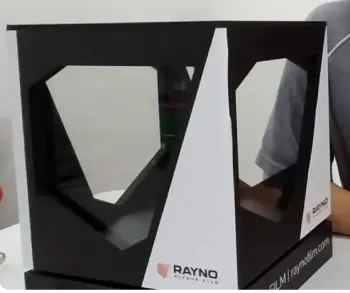
I first tried Rayno window film after getting frustrated with a cheaper dyed tint that started fading within two years.
The bubbling around the edges, the purple discoloration, and the weak heat rejection made daily driving uncomfortable, especially during summer afternoons.
I wanted something that looked clean without turning my car into a rolling blackout chamber.
After researching ceramic tint options, I kept seeing Rayno mentioned alongside bigger names like 3M and XPEL.
What caught my attention was the focus on nano carbon ceramic technology and the promise of strong infrared heat rejection without the overly reflective look some ceramic films have.
I installed Rayno Phantom Series film on my sedan. Right away, I noticed the difference during daytime driving.
The cabin stayed noticeably cooler, especially when the car sat parked under direct sunlight for hours. Before the installation, touching the steering wheel felt like grabbing a frying pan.
After the tint, interior heat buildup dropped enough that I could actually get into the car comfortably without blasting the AC immediately.
What impressed me most was the visibility. From inside the car, the windows stayed surprisingly clear. Night driving didn’t become difficult like it had with some darker films I previously used.
You still get privacy from the outside, but visibility from the inside remains natural and sharp.
I also appreciated the cleaner appearance. Rayno films tend to have a refined charcoal tone rather than the bluish or overly mirrored finish you sometimes see with lower-quality products.
My car instantly looked more premium without appearing flashy.
Over time, I started noticing secondary benefits too. The AC system didn’t need to work as aggressively, which slightly improved fuel efficiency during city driving.
Long drives became less exhausting because glare reduction helped reduce eye strain.
After about three years, the film still looked excellent. No bubbling, no peeling, and no visible fading.
That long-term durability honestly became the biggest reason I now recommend Rayno to friends who want a ceramic tint without paying the highest premium prices on the market.
What Makes Rayno Window Film Different?
Rayno built its reputation around advanced nano carbon ceramic technology. Instead of relying solely on dyed or metallic layers, the company combines carbon particles with ceramic compounds to create films that reject heat while maintaining signal friendliness and optical clarity.
That matters more than most people realize.
Some metallic window films interfere with GPS signals, mobile reception, satellite radio, or keyless entry systems. Ceramic-based films like Rayno avoid many of those problems while still delivering strong solar performance.
The company also focuses heavily on infrared heat rejection. That’s important because infrared rays are responsible for much of the heat you feel inside your vehicle.
A tint that blocks visible sunlight but fails to reject infrared heat often disappoints in real-world driving.
Rayno’s films are engineered to target both UV and infrared radiation, which improves comfort and protects interior materials from premature aging.
Pros Of Rayno Window Film
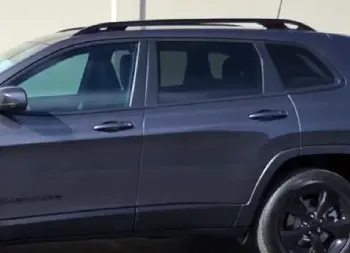
- Excellent Heat Rejection
This is probably the biggest selling point.
Rayno films noticeably reduce cabin heat and improve driving comfort in warm climates.
If you spend a lot of time commuting or parking outdoors, you’ll appreciate the cooler interior almost immediately.
The infrared rejection technology works especially well during peak afternoon temperatures.
Instead of feeling direct sunlight burning your skin through the side windows, the cabin feels calmer and more manageable.
You also rely less heavily on air conditioning, which improves comfort during stop-and-go traffic.
- Premium Appearance Without Looking Excessive
Some window films create a mirrored or artificial appearance that can look outdated. Rayno takes a cleaner approach.
The tint has a refined charcoal tone that enhances your car’s styling without screaming for attention. It gives vehicles a luxury feel while maintaining a classy, factory-like appearance.
I personally liked how the film complemented both daytime and nighttime aesthetics. It made my car look sharper without crossing into overly aggressive territory.
- Strong UV Protection
Rayno films help protect your interior from fading and cracking caused by sun exposure.
Leather seats, dashboards, door panels, and steering wheels all benefit from reduced UV damage. If you care about preserving resale value, this becomes an important long-term advantage.
I noticed that my interior surfaces maintained their color better after installation, especially compared to older cars I previously owned without ceramic protection.
- Excellent Visibility
Despite the darker appearance from outside the vehicle, visibility from inside remains surprisingly clear.
That’s important because some tints become frustrating during rainy nights or poorly lit roads. Rayno maintains good optical clarity, which improves confidence behind the wheel.
I never felt the need to roll down my windows while reversing or navigating dark parking lots.
- Durable Construction
Cheap tint often fades, bubbles, or turns purple after a few years.
Rayno performs much better over time. The film maintains its appearance well when professionally installed and properly maintained.
After years of use, my film still looked smooth and consistent without major signs of wear. That durability makes the investment easier to justify.
- Signal-Friendly Technology
Unlike some metallic films, Rayno ceramic technology generally avoids interference with electronics.
GPS navigation, mobile signals, keyless entry systems, and radio reception continue functioning normally.
That may sound minor until you experience signal problems caused by lower-quality metallic tint.
- Comfortable Driving Experience
This benefit is harder to quantify but easy to feel.
Reduced glare, lower heat, improved privacy, and better interior comfort combine to make driving more relaxing overall. Long road trips become less tiring, especially during bright summer conditions.
Once you experience high-quality ceramic film, going back to untreated glass feels uncomfortable.
Cons Of Rayno Window Film
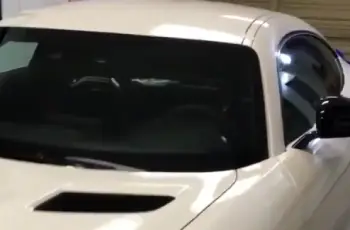
- Premium Pricing Compared to Basic Tint
Rayno costs more than traditional dyed film.
If you only care about darkening your windows for appearance, cheaper options may seem more attractive initially. Ceramic technology comes at a higher price, especially when professional installation is included.
For budget-focused drivers, the upfront investment may feel significant.
- Installation Quality Varies
Your experience depends heavily on the installer.
Even excellent film can develop problems if improperly installed. Dust contamination, uneven edges, or trapped moisture can ruin the final appearance.
Finding a reputable installer sometimes takes extra research.
- Not Always Easy to Find
Compared to giant brands like 3M, Rayno dealers may be less common in certain regions.
That limited availability can make installation or warranty support slightly less convenient depending on where you live.
- Performance Depends on Film Selection
Not every Rayno product delivers the same level of heat rejection.
Entry-level options perform differently than premium ceramic series. Some buyers mistakenly expect maximum ceramic performance from lower-tier products and end up disappointed.
Choosing the correct film series matters.
Maintenance Tips Rayno Window Film
- Allow Proper Curing Time
After installation, patience matters.
Freshly installed window film needs time to cure properly. Depending on weather conditions, this process may take several days or even weeks.
During this period, avoid rolling down the windows unnecessarily. You may also notice temporary haziness or small water pockets beneath the film. That’s normal during curing.
I waited about five days before regularly using my windows, and the film settled perfectly afterward.
- Use Gentle Cleaning Products
One of the biggest mistakes people make is using harsh ammonia-based cleaners.
Ammonia can damage window film over time and reduce its lifespan. Instead, use mild soap solutions or tint-safe glass cleaners with a soft microfiber cloth.
I personally avoid paper towels because they can create micro-scratches on the surface over time.
Keeping the film clean isn’t difficult, but gentle care goes a long way toward maintaining clarity and appearance.
- Avoid Sharp Objects Near the Edges
Window film edges are vulnerable during the first few weeks after installation.
Be careful with seat belts, bags, tools, or sharp accessories that could scrape the film. Damage often starts at the edges before spreading into peeling or lifting.
I learned this lesson after accidentally nicking an older tint job with a hard plastic storage container.
- Park Smart Whenever Possible
Even though Rayno films resist heat well, reducing constant extreme exposure helps preserve both the tint and your interior.
Parking in shaded areas or garages whenever possible minimizes thermal stress on your vehicle.
This also improves long-term interior preservation.
- Combine Tint With Windshield Protection
Many drivers tint side windows but ignore the windshield entirely.
A legal ceramic windshield film can dramatically improve overall cabin comfort because windshields allow large amounts of solar heat into the vehicle.
After adding a lighter ceramic windshield tint, I noticed an even bigger reduction in dashboard heat.
- Understand Local Tint Laws
Before installation, check your local tint regulations.
Some regions restrict visible light transmission percentages on front windows or windshields. A reputable installer should help guide you toward legal options.
Ignoring local laws can lead to fines or mandatory tint removal later.
- Wash Your Car Carefully
Automatic car washes with aggressive brushes can gradually wear down window film edges.
Hand washing or touchless car washes are safer long-term choices.
I switched to gentler washing methods after investing in ceramic tint because I wanted the finish to stay clean and sharp for years.
Comparison Of Rayno Window Film With Other Brand
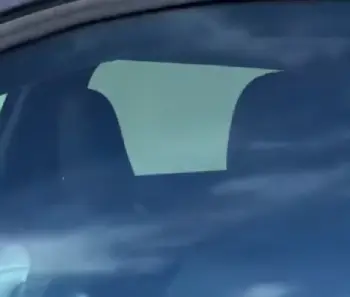
- Rayno vs 3M Window Film
3M remains one of the most recognized names in the tint industry, and for good reason.
Their premium ceramic lines deliver excellent heat rejection and strong long-term durability.
However, Rayno often feels like a better value option.In my experience, Rayno provides very competitive thermal performance at a more approachable price point.
Some drivers also prefer Rayno’s cleaner charcoal appearance compared to certain 3M films that can appear slightly bluish under specific lighting.
3M does benefit from broader installer availability and a longer-established reputation, but Rayno holds its own surprisingly well in real-world comfort and clarity.
- Rayno vs XPEL Window Film
XPEL has built a strong reputation for high-end automotive protection products, especially paint protection film and premium ceramic tint.
XPEL ceramic tint performs exceptionally well in heat rejection and optical clarity. The brand also has strong marketing presence among luxury and performance vehicle owners.
Rayno competes closely in comfort and appearance while often costing slightly less depending on the installer.
Personally, I found Rayno offered a more balanced value proposition for everyday drivers who want premium ceramic performance without stretching the budget too aggressively.
- Rayno vs Llumar Window Film
Llumar is another respected name in automotive tinting with decades of industry credibility.
Llumar films are known for reliability, consistency, and broad installer networks. Their ceramic lines deliver excellent durability and strong optical performance.
Rayno tends to stand out more in terms of infrared heat rejection value for the money. Some users also prefer the smoother visual finish of Rayno films.
That said, Llumar may have a slight advantage in overall installer availability and nationwide support.
- Rayno vs Cheap Dyed Tint
This comparison honestly isn’t close.
Basic dyed films may initially look attractive because of their lower price, but many fade, bubble, and discolor relatively quickly.
Heat rejection is usually far weaker, especially during peak summer temperatures.
After switching from dyed tint to Rayno ceramic film, the comfort difference became obvious almost immediately. The improved visibility, durability, and cabin cooling made cheap tint feel outdated.
If you plan to keep your vehicle long-term, investing in better film usually pays off.
Is Rayno Window Film Worth It?
For most drivers, I’d say yes.
Rayno delivers the combination many people want: strong heat rejection, attractive appearance, reliable durability, and good overall value.
It may not always dominate every specification category against ultra-premium competitors, but it performs consistently well across the board.
If you care about comfort, UV protection, glare reduction, and long-term quality, Rayno makes a compelling case.
The key is choosing the right installer and selecting the proper film series for your needs.
Who Should Buy Rayno Window Film?
If you live in a hot climate, commute frequently, or spend long hours driving, you’ll likely appreciate the comfort improvements immediately.
Rayno also makes sense if you want premium ceramic technology without paying the absolute highest market prices.
Drivers who value clean aesthetics, strong visibility, and durable performance will probably be satisfied with the investment.
On the other hand, if you simply want the darkest possible tint for appearance alone, cheaper options may feel sufficient. But for balanced real-world performance, Rayno stands out.
Also Read: Is Rabbitgoo Window Film Worth It?
Frequently Asked Questions (FAQ)
Brands like Rayno, 3M, XPEL, Llumar, and SunTek are widely considered top-tier depending on your priorities and budget.
Premium window film can be expensive, and poor installation may lead to bubbling, peeling, or visibility issues.
Both are excellent. XPEL often excels in modern ceramic performance, while 3M offers strong brand reputation and broad installer support.
Top contenders include Rayno, XPEL, 3M, Llumar, and SunTek. The “best” choice usually depends on pricing, installer quality, and your specific heat rejection needs.
Wrapping Up
After living with Rayno window film for years, I understand why it has earned a loyal following.
It delivers noticeable heat reduction, excellent clarity, strong UV protection, and a premium appearance without feeling overpriced.
While installation quality matters greatly, the film itself performs impressively well in everyday driving conditions.
If you want a ceramic window tint that balances comfort, durability, and value, Rayno is absolutely worth considering for your next vehicle upgrade.
Recent Posts
● Interactive 5-Zone Interior & Exterior Paint Blueprint Paint Coverage Calculator: Gallons, Primer, Square Footage & Cost Tap any architectural surface zone on the blueprint...
If you want smooth, shiny hair without spending a fortune on a premium styling tool, the Ella Bella hair dryer may be worth considering.In these Ella Bella hair dryer reviews, I’ll look...