
I set out to compare Ready Seal and Thompson’s Water Seal so you can decide which product better protects outdoor wood without wasting money or time on the wrong choice.
After testing both on decks and fences through multiple seasons, I found clear differences in how they penetrate, last, and apply that matter more than marketing claims.
| Feature | Ready Seal | Thompson’s Water Seal |
| Base | Oil-based penetrating | Mostly water-based (clear versions) |
| Finish | Semi-transparent stain + sealer | Clear or tinted waterproofer |
| Coverage per gallon | 100–175 sq ft | 200–400 sq ft |
| Typical lifespan | 1–3 years decks / 2–5 years fences | 1–2 years |
| Application ease | Extremely forgiving, no lap marks | Easy but can show unevenness |
| Rain resistance after apply | Minutes | Hours |
| UV protection | Good via pigments | Moderate to limited in clear formulas |
| Price range | Higher | Budget-friendly |
| Cleanup | Solvent needed | Soap and water (water-based) |
| Peeling risk | None (penetrates) | Possible over time |
Key Differences Between Ready Seal And Thompson’s Water Seal
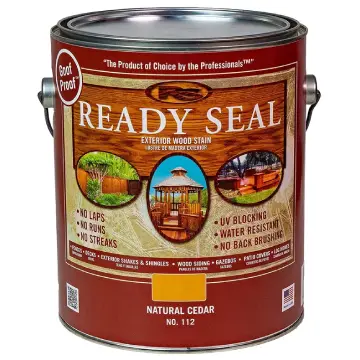
- Base formula and wood interaction: Ready Seal soaks deep into the fibers with its oil blend. Thompson’s Water Seal often stays nearer the surface.
This changes how long the finish holds up.
- Color and appearance options: Ready Seal adds semi-transparent tones that enrich the grain. Thompson’s clear versions leave the wood looking almost unchanged.
Tinted options exist for both but feel different in real light.
- Longevity under weather and traffic: Ready Seal usually needs recoating every two to three years on decks.
Thompson’s often requires attention every one to two years. Vertical surfaces stretch both products further.
- Application forgiveness: Ready Seal lets you overlap freely without streaks. Thompson’s needs more care with wet edges. Temperature windows matter more with the latter.
- Cost across multiple seasons: Thompson’s costs less per gallon and covers more area.
Ready Seal costs more upfront yet often needs fewer applications. Your time value shifts the true total.
- Maintenance demands: Ready Seal usually needs only cleaning before a new coat.
Thompson’s may require more surface prep on later applications. Peeling risk stays lower with the oil product.
Key Features Of Ready Seal
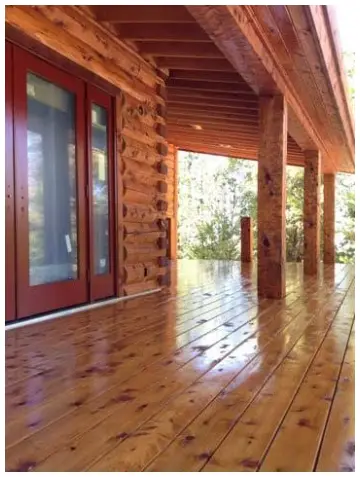
- Penetrating oil without linseed: The blend of oils and resins soaks into the wood. It reduces the chance of feeding mildew.
Shaded areas stayed cleaner in my tests.
- Goof-proof self-leveling application: You can spray, roll, or brush it freely.
Overlaps disappear as it absorbs. No back-brushing is required at all.
- Quick rain resistance: Light rain shortly after application rarely ruins the job.
Full cure still takes time. Early water resistance helps when weather shifts.
- Wide temperature flexibility: It works in cooler or hotter conditions than many sealers.
Wood moisture must stay low enough. The product behaves consistently once that is met.
- Simple future reapplication: Cleaning and brightening usually suffice.
No sanding or stripping is needed. The finish never builds into layers that peel.
- Pigmented UV protection: Trans-oxide pigments slow graying.
Darker colors generally last longer. The natural finish still shows the grain clearly.
- Flat durable surface: It dries to a natural look without shine.
Foot traffic does not leave obvious marks once cured. The wood feels protected rather than coated.
Pros Of Ready Seal
- No peeling or flaking: The oil penetrates instead of sitting on top. Years of weather never lifted the finish in my experience. Long-term reliability stays high.
- Very forgiving for beginners: Technique mistakes rarely show. Helpers can spray and still get even color. Stress stays low on large projects.
- Longer intervals between coats: Horizontal surfaces often last two to three years. Vertical boards can stretch further. Fewer weekends get spent resealing.
- Cleaner wood over time: The fungicide package and oil choice help. Shaded sections showed less black spotting. Maintenance stays simpler overall.
- Flexible working conditions: Cool mornings or sudden weather changes rarely stop the job. Application windows feel wider. Scheduling becomes easier.
- Natural flat appearance: The finish looks like treated wood rather than plastic. Grain remains visible. Color settles evenly after a couple of weeks.
Cons Of Ready Seal
- Higher material cost: Each gallon covers less area than many water-based sealers. Large decks need more product. The upfront spend rises quickly.
- Longer full cure time: Early rain resistance helps, yet complete hardening can take days. Furniture placement must wait. Impatience can leave marks.
- Limited pure clear choices: Semi-transparent tones always add some color. People wanting zero change may prefer other options. The look is natural but not invisible.
- Noticeable odor during use: Oil-based formulas carry a stronger scent. Outdoor work and ventilation help. The smell lingers longer than water-based products.
- Less common in some stores: Not every local shop stocks every color. Online ordering or planning ahead becomes more common. Same-day pickup is not always possible.
- Lower coverage numbers: You buy more cans for the same square footage. Project planning must account for that. Waste stays low if applied carefully.
Key Features Of Thompson’s Water Seal
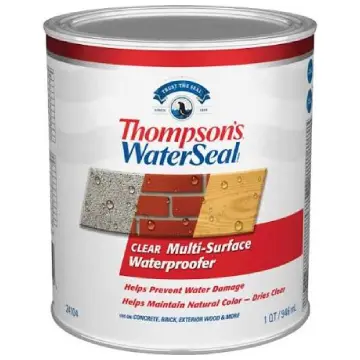
- Strong early water beading: Freshly treated surfaces make water form beads and roll off. The splash test looks good at first. Protection weakens sooner than with deeper oils.
- Low price and wide availability: Most hardware stores carry several versions. You can buy it same day almost anywhere. The cost per gallon stays budget-friendly.
- Higher published coverage: One gallon often stretches further on smooth wood. Large projects need fewer cans. Actual results still depend on surface porosity.
- Clear options for natural look: Many formulas leave the wood tone almost unchanged. This suits people who dislike any darkening. Tinted lines add mild color if wanted.
- Fast dry on many versions: Some products feel dry to the touch in a couple of hours. Cleanup with soap and water stays simple. The process feels less messy overall.
- Multi-surface claims: Certain formulas work on wood and some masonry. This adds flexibility for mixed outdoor jobs. Always check the specific label first.
- Single-coat potential: Several versions claim full protection with one thin coat. Work time shortens compared with two-coat systems. Even coverage still matters for results.
Pros Of Thompson’s Water Seal
- Attractive low price: The entry cost stays friendly for most budgets. First-time users often start here. Large areas feel more affordable at first.
- Easy to find everywhere: Big-box stores and local shops usually stock it. Last-minute projects become simpler. Multiple versions sit on the same shelf.
- Higher coverage rates: Each gallon stretches further on many surfaces. Fewer cans cover a typical deck. Material costs drop on bigger jobs.
- Simple soap-and-water cleanup: Water-based versions wash off tools easily. Spills create less mess. The process feels cleaner overall.
- Fast visual water resistance: Beading appears quickly after application. Short-term protection looks reassuring. Rental or temporary needs get met fast.
- Clear formulas preserve tone: The wood looks almost untreated. Homeowners who dislike darkening appreciate this. Mild tints remain optional.
Cons Of Thompson’s Water Seal
- Shorter real-world life: Water repellency fades faster under sun and traffic. Annual or bi-annual attention becomes common. Marketing claims often outpace results.
- Possible surface wear: Some formulas act more like a film. Foot traffic and weather can break the barrier. Later coats may need extra prep.
- Weaker long-term UV defense: Clear versions allow graying sooner in full sun. Tinted options improve this somewhat. Pigmented oils usually hold color better.
- More care needed during application: Wet edges matter. Stopping mid-job can leave visible differences. Methodical work produces better results.
- Performance varies by product line: Clear, transparent, and advanced formulas differ. Reading the specific label is essential. Results are not uniform across the brand.
- More frequent maintenance: The shorter cycle adds up in time and product. Long-term ownership cost can rise. Busy schedules feel the impact more.
How Application Experience Differs In Practice?
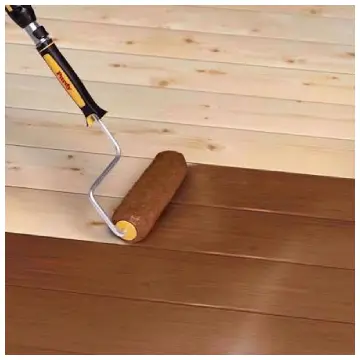
When I sealed a pressure-treated pine deck last spring, Ready Seal went on with a pump sprayer in the morning.
I overlapped freely, took a break, and finished the rails later without any lap lines. Light rain arrived that afternoon and the surface still looked even once dry.
The color deepened over the next two weeks and settled into a natural tone that showed the grain clearly.
On a similar fence with Thompson’s clear waterproofer, the process felt faster on paper because of higher coverage and quicker dry time.
Yet I had to keep a wet edge moving and watch temperature more carefully.
The wood stayed closer to its original shade, which some people prefer, but the beading effect weakened noticeably by the following spring in the sunniest sections.
Both products demand clean, dry wood with moisture content low enough for absorption. Skipping proper pressure washing or brightening shortens the life of either finish.
Ready Seal forgives minor moisture better in some reports, yet I still wait for the splash test to show absorption before starting.
Durability And Real-World Longevity
Horizontal surfaces take the most abuse from standing water, foot traffic, and UV.
Ready Seal’s deeper penetration and pigment package typically give me two to three solid years before the splash test fails.
Vertical fence boards often stretch to four years or more because they shed water faster and see less abrasion.
Thompson’s usually needs attention after one to two seasons on decks. The initial waterproofing works well, yet the barrier thins under repeated wetting and drying cycles.
In freeze-thaw climates the difference becomes more pronounced. Neither product is permanent; both require eventual maintenance. The question is how often you want to schedule that work.
Cost calculations shift when you factor labor or your own time. Paying less per gallon but resealing twice as often can erase the savings.
Ready Seal’s higher material cost often pays back through fewer applications if you keep the wood for many years.
Which Product Fits Different Situations?
For a homeowner who wants the easiest possible application and longer intervals between coats, Ready Seal stands out.
Its self-leveling behavior and lack of peeling risk reduce the chance of visible mistakes. Larger or more complex structures benefit especially.
If budget is the primary driver and you accept yearly or bi-yearly maintenance, Thompson’s Water Seal delivers functional short-term protection at a lower entry price.
Clear versions suit people who want minimal change to the wood’s look. Availability makes last-minute projects simpler.
Climate matters. High-sun regions favor the pigmented protection in Ready Seal. Wet or mild areas may get acceptable results from either, yet the deeper oil still tends to hold longer.
New pressure-treated lumber needs the usual waiting period for both so residual moisture and chemicals do not interfere.
Frequently Asked Questions (FAQ)
Yes. Several penetrating oil stains and higher-end sealers last longer and resist UV better, though they cost more up front.
Ratings vary by tester and climate, but penetrating oil products with strong pigment packages and easy application often top independent comparisons for overall balance.
Yes. Its goof-proof formula and consistent penetration earn positive feedback from both professionals and homeowners who value low-maintenance results.
Expect one to three years on decks and two to five years on fences under typical conditions, depending on weather, traffic, and color chosen.
Final Thoughts
I have used both products enough times to know neither is perfect for every situation. Ready Seal gives me fewer headaches on application day and longer stretches between recoats.
Thompson’s Water Seal keeps the project inexpensive and straightforward when you need basic water resistance now.
Look at your own priorities. If you want the wood protected with less frequent work and do not mind spending more on the can, Ready Seal is the stronger long-term partner.
If you prefer spending less today and handling maintenance more often, Thompson’s still gets the job done for many decks and fences.
Test a small area, check moisture levels, and choose the finish that matches how you actually use and care for your outdoor wood. Your future self will thank you when the next maintenance weekend arrives later rather than sooner.
Recent Posts
Davidoff Cool Water is a classic men’s fragrance known for its fresh aquatic scent, clean character, and everyday versatility.I can see why it remains a popular choice for men who want to smell...
LifeWave X49 Reviews: Does This Anti-Aging Patch Live Up To The Hype?
LifeWave X49 patches are marketed as a wearable wellness product designed to support the body's natural regenerative processes without injections or medication.However, bold claims deserve...