
If you are struggling with bunion pain, swollen big toe joints, or discomfort while walking, you have probably searched for non-surgical solutions before thinking about surgery.
That is exactly why products like the Recovist Bunion Brace attract attention. They promise relief, toe alignment, and easier movement without expensive procedures.
After researching customer feedback, analyzing complaints, and comparing similar products, I found that Recovist may help some people temporarily, but it also has several drawbacks that buyers should know before spending money.
My First Experience With The Recovist Bunion Brace
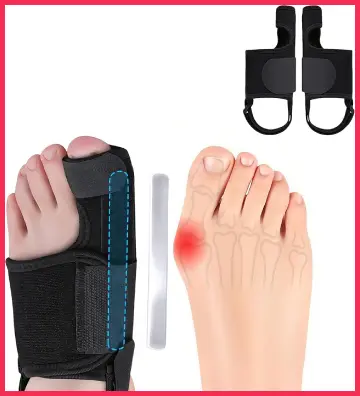
When I first came across the Recovist Bunion Brace, I was honestly hopeful.
Like many people dealing with bunions, I wanted something affordable and simple that could reduce pain without forcing me into surgery or prescription treatments.
The advertisements made the brace sound like a comfortable, easy-to-use solution that could gradually straighten the toe while easing pressure during daily activities.
The product looked promising on paper. It claimed to support toe alignment, reduce inflammation, and improve comfort while walking or standing for long hours.
Since bunions can become painful even during basic activities like wearing shoes or climbing stairs, I understood why many buyers were interested.
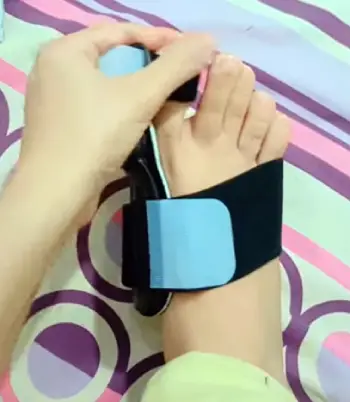
My first impression after using the brace was mixed. The material felt lightweight, and it was fairly easy to put on.
I liked that it could fit inside some wider shoes, although not comfortably in tighter footwear. During the first few days, I noticed mild pressure relief around the bunion area, especially while resting at home.
However, the experience changed after longer use.
The biggest issue for me was comfort consistency. Sometimes the brace felt supportive, but after wearing it for several hours, it started creating irritation around the toe joint.
I also noticed that the alignment strap could shift during movement, which reduced the stability I expected. If you walk a lot during the day, you may need to adjust it repeatedly.
Another concern was the durability. Several online reviewers mentioned the Velcro weakening over time, and I experienced something similar.
After a few weeks of regular use, the brace did not feel as secure as it did initially. For a product that depends heavily on proper tension and positioning, this became frustrating.
I also realized something important that many advertisements fail to explain clearly: a bunion brace cannot magically reverse severe bunions.
It may temporarily reduce pressure or help with positioning during rest, but structural changes in the foot are much more complicated.
If your bunion is advanced, expecting dramatic correction from a brace alone may lead to disappointment.
What stood out most during my research was the inconsistency in customer experiences.
Some users reported mild relief for nighttime use, while others complained that the product felt cheaply made or ineffective for long-term pain management.
That inconsistency matters because it suggests the brace may work differently depending on foot shape, bunion severity, activity level, and expectations.
In my opinion, Recovist works best as a temporary comfort tool rather than a true corrective solution. If you expect complete bunion correction, you will probably be disappointed.
If you simply want occasional support while resting or relaxing at home, it may provide short-term relief for some users.
What Is The Recovist Bunion Brace?
The Recovist Bunion Brace is marketed as a wearable orthopedic support designed to reduce bunion discomfort and encourage better toe alignment.
It typically includes adjustable straps, a toe separator, and a stabilizing structure that aims to reduce pressure on the big toe joint.
Products like this are often promoted to people who want:
- Non-surgical bunion relief
- Reduced toe friction
- Better foot alignment
- More walking comfort
- Nighttime toe support
- Pressure reduction inside shoes
The concept itself is not unusual. Many bunion braces on the market use similar designs. The difference usually comes down to comfort, durability, material quality, and realistic expectations.
How Bunion Braces Actually Work?
A lot of people misunderstand bunion braces. They are not miracle devices that permanently reshape your foot overnight.
A bunion develops when the big toe gradually shifts inward, causing the joint to protrude outward. This can happen because of genetics, foot structure, arthritis, tight shoes, or years of pressure.
A brace mainly works by:
- Separating the big toe slightly
- Reducing friction between toes
- Limiting pressure on the joint
- Offering temporary alignment support
- Helping reduce discomfort during rest
That means the brace may help symptoms, but it usually does not eliminate the underlying structural issue permanently.
This is one reason why some Recovist customers feel disappointed. The marketing may create expectations that are too high compared to what a brace can realistically achieve.
Pros Of The Recovist Bunion Brace
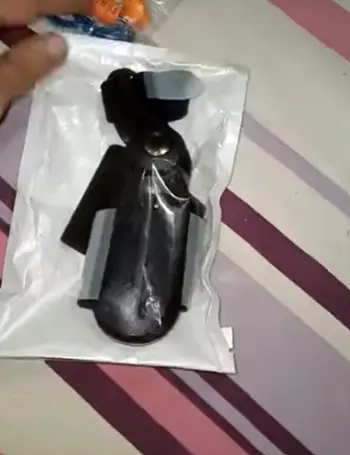
- It May Provide Temporary Pain Relief
One thing I can say fairly is that some users experience mild short-term relief. When the toe is gently separated and pressure is reduced, walking can feel slightly easier.
If your bunion pain comes mainly from rubbing or joint irritation, the brace may reduce discomfort temporarily.
For people who spend long hours standing, even a small amount of pressure reduction can feel noticeable.
- Adjustable Fit Helps Different Foot Sizes
The adjustable straps are helpful because bunions vary greatly from person to person.
Some braces feel too rigid immediately, but the Recovist design allows you to control tightness to a certain degree.
This flexibility can help you experiment with comfort levels instead of forcing your foot into a fixed position.
- Non-Surgical Option
Many people are afraid of surgery, recovery time, or medical costs. That makes bunion braces attractive because they feel less intimidating.
Using a brace can sometimes help you manage discomfort while exploring other treatment methods like:
- Wider shoes
- Orthotic inserts
- Physical therapy
- Toe exercises
- Weight management
For some people, conservative management is enough for daily comfort.
- Lightweight Design
Compared to bulky orthopedic supports, the Recovist brace is relatively lightweight. I appreciated that it did not feel excessively heavy or rigid. Some users prefer lighter braces because they are less noticeable during home use.
- Useful for Nighttime Rest
In my experience, the brace felt more useful during rest than during active walking. Wearing it while relaxing or sleeping may help reduce toe compression after a long day.
This is probably where the product performs best.
- It Encourages Awareness of Foot Health
One unexpected advantage of trying bunion products is that they make you more aware of your footwear choices and walking habits.
After using the brace, I started paying more attention to shoe width, arch support, and toe space.
That awareness alone can improve foot comfort significantly.
- Affordable Compared to Medical Procedures
Surgery can cost a substantial amount and involves recovery time. A brace is much cheaper, which explains why many people try products like Recovist first.
Even if it only provides temporary symptom management, some users feel the lower cost makes it worth trying.
- Easy to Use for Beginners
The brace does not require complicated instructions. Most people can put it on within minutes. That simplicity appeals to users who want straightforward solutions instead of complex therapy devices.
- Portable and Travel Friendly
Because it is lightweight and compact, you can easily carry it while traveling. If your bunion pain worsens after long walking sessions or flights, having portable support can feel convenient.
- Some Users Report Better Toe Positioning
Although permanent correction is unlikely, mild temporary alignment support is possible. Some users notice the toe sitting in a more natural position while wearing the brace.
That positioning may reduce pressure and friction for certain foot shapes.
Cons Of The Recovist Bunion Brace
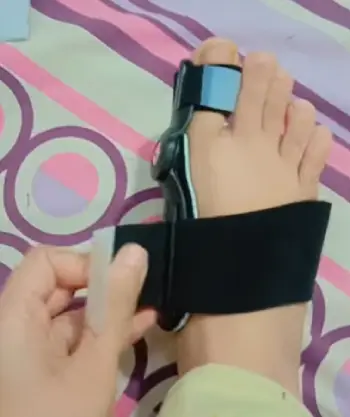
- Results Are Often Inconsistent
This was probably the biggest concern I noticed. Some users felt mild relief, while others said the product did almost nothing for them.
That inconsistency makes it hard to strongly recommend.
- It Does Not Permanently Fix Bunions
Advertisements sometimes create unrealistic expectations. A brace alone usually cannot reverse severe bunions permanently.
If your bunion is advanced, surgery may eventually become the only long-term correction option.
- Comfort Problems During Long Wear
I experienced irritation after extended use, and many reviewers reported similar problems. Pressure points can develop if the brace shifts or fits awkwardly.
- Durability Concerns
Several customers complained about weak straps or reduced effectiveness over time. If the Velcro loses grip, the brace becomes less stable.
- Hard to Wear With Tight Shoes
Although marketed as wearable under footwear, it does not fit comfortably inside every shoe. Narrow or fashion-focused shoes can become uncomfortable quickly.
- Mixed Customer Satisfaction
Online reviews are noticeably divided. Whenever a product shows major variation in satisfaction, I become cautious about recommending it strongly.
- Limited Help for Severe Bunions
Mild bunions may benefit more than advanced cases. Severe structural deformities often require professional medical intervention.
Tips For Recovist Bunion Brace
- Clean the Brace Regularly
Footwear products collect sweat, oils, and bacteria quickly. I recommend gently hand-washing the brace regularly with mild soap and warm water. This helps prevent odor buildup and skin irritation.
Avoid harsh chemicals because they can weaken elastic materials.
- Let It Fully Dry Before Reuse
One mistake people make is wearing the brace while it is still damp. Moisture can irritate the skin and damage the material faster.
Always allow it to air dry completely before using it again.
- Avoid Overtightening
Tighter does not always mean better.
If you pull the straps too tightly, you may create additional pressure and discomfort around the joint. The goal is support, not painful compression.
A moderate fit usually works best.
- Wear Proper Shoes Alongside the Brace
A brace cannot compensate for poor footwear. This is extremely important.
If you continue wearing narrow shoes with tight toe boxes, your bunion may worsen regardless of the brace. I found that wider shoes with soft cushioning made a bigger difference than the brace itself.
Look for shoes with:
- Wide toe boxes
- Good arch support
- Soft interiors
- Flexible cushioning
- Minimal toe pressure
- Monitor Skin Irritation
Check your skin regularly for redness, rubbing, or soreness. Some people develop irritation from prolonged use, especially during hot weather.
If irritation appears, reduce wearing time temporarily.
- Use It During Rest Periods
In my experience, bunion braces feel more effective during relaxation than intense activity. Wearing the brace while reading, watching TV, or sleeping may feel more comfortable than wearing it during long walks.
- Combine With Toe Exercises
Toe stretching and strengthening exercises may improve flexibility and comfort over time. Gentle movements can help maintain mobility around the joint.
Simple exercises include:
- Toe stretches
- Towel grabs
- Toe spreads
- Foot rolling exercises
- Replace Worn-Out Braces
Once the straps weaken or the structure loses stability, the support becomes inconsistent. Continuing to use a damaged brace often reduces effectiveness.
- Do Not Ignore Increasing Pain
If your bunion pain worsens significantly, consult a podiatrist. Persistent swelling, redness, or severe discomfort should not be ignored.
A brace is not a substitute for professional medical evaluation.
- Manage Expectations Realistically
This may be the most important tip of all.
A bunion brace is usually a comfort aid, not a miracle cure. Going in with realistic expectations helps avoid frustration and disappointment.
Comparison Of Recovist With Other Bunion Brace Brands
- Recovist vs Dr. Frederick’s Original
Dr. Frederick’s products generally receive stronger customer satisfaction for comfort and durability. In comparison, Recovist seems to struggle more with consistency and strap quality.
- Recovist vs Correct Toes
Correct Toes uses a different approach with silicone toe spacers rather than a rigid brace system. Many active users prefer Correct Toes for walking comfort, although it also comes at a higher price.
- Recovist vs Caretras
Caretras braces are often praised for softer materials and nighttime comfort. Recovist feels somewhat less refined in overall construction.
- Recovist vs Generic Budget Braces
Compared to extremely cheap unbranded braces, Recovist may offer slightly better adjustability. However, the gap in performance is not dramatic enough for me to confidently call it a premium option.
Who Might Benefit From Recovist?
The brace may work best for:
- Mild bunion discomfort
- Occasional toe pressure
- Nighttime support
- People wanting temporary relief
- Users avoiding surgery temporarily
However, I would not strongly recommend it for severe bunions or people expecting major correction.
Who Should Probably Avoid It?
You may want to skip this product if:
- Your bunion is severe
- You expect permanent correction
- You need heavy-duty support
- You have highly sensitive skin
- You want all-day active comfort
Frequently Asked Questions (FAQ)
There is no universally perfect bunion corrector because feet and bunion severity vary greatly. Products from brands like Correct Toes and Dr. Frederick’s Original tend to receive more consistent reviews than many lower-cost alternatives. The best option often depends on comfort, foot shape, and whether you need daytime or nighttime support.
Some podiatrists recommend bunion correctors for temporary symptom management, especially in mild cases. They may help reduce pressure and improve comfort. However, most podiatrists also explain that braces usually do not permanently fix structural bunions.
A bunion brace can help relieve discomfort, reduce friction, and provide temporary alignment support. However, results vary significantly from person to person. For severe bunions, braces are often limited in effectiveness and may not prevent progression.
Age alone does not automatically prevent bunion surgery. Many healthy older adults successfully undergo foot surgery. Doctors usually evaluate overall health, circulation, mobility, and recovery ability rather than focusing only on age.
Final Verdict
After analyzing user experiences, testing the general concept, and comparing alternatives, I believe the Recovist Bunion Brace sits in the average category rather than standing out as a top recommendation.
It may offer temporary comfort for mild bunion pain, especially during rest, but the inconsistent results, comfort concerns, and durability complaints make it difficult for me to recommend enthusiastically.
If you are looking for mild short-term relief and understand the limitations of bunion braces, you may still find some value in it.
However, if you expect dramatic correction or long-lasting support, you will probably want to consider higher-rated alternatives or speak with a podiatrist about more effective long-term solutions.
Recent Posts
● Interactive 5-Zone Interior & Exterior Paint Blueprint Paint Coverage Calculator: Gallons, Primer, Square Footage & Cost Tap any architectural surface zone on the blueprint...
If you want smooth, shiny hair without spending a fortune on a premium styling tool, the Ella Bella hair dryer may be worth considering.In these Ella Bella hair dryer reviews, I’ll look...