
If your car feels sluggish, hesitates during acceleration, idles roughly, or simply seems less responsive than it used to, a fuel-system cleaner can be worth considering.
I tested Red Line Fuel System Cleaner with those everyday concerns in mind, focusing on throttle response, smoothness, fuel-system cleanliness, and ease of use.
My overall impression is that it is a practical option for drivers who want a concentrated cleaner without making fuel-system maintenance complicated.
If you want a straightforward cleaner for periodic gasoline-engine maintenance, I think Red Line is worth buying and trying.
My First Experience With Red Line Fuel System Cleaner
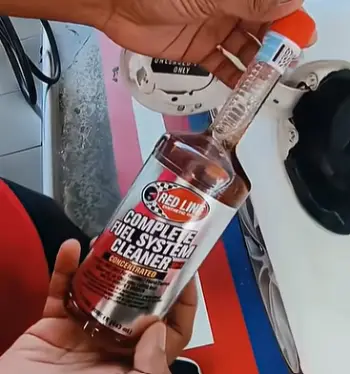
When I first used Red Line Fuel System Cleaner, I wasn’t expecting it to transform my car overnight.
I wanted something more realistic: better fuel-system cleanliness, smoother operation, and potentially improved throttle response after regular driving.
The first thing I noticed was how simple the process was. I didn’t need special equipment or mechanical knowledge.
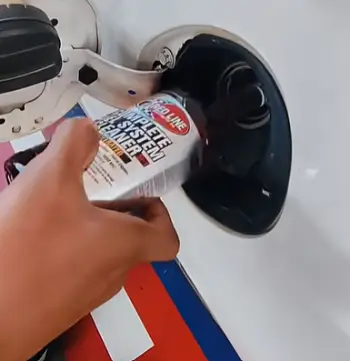
I added the recommended amount to the fuel tank and continued driving normally. That simplicity matters to me because I prefer maintenance products that don’t turn a basic task into a weekend project.
During the first few drives, I paid attention to the idle. My engine seemed a little smoother, particularly when sitting at a stop.
The difference wasn’t dramatic, but there was a subtle feeling of improved consistency. I also noticed that acceleration felt more responsive after I had driven enough for the cleaner to circulate through the fuel system.
What I liked most was that the product didn’t require me to change my normal driving routine. I could fill the tank, add the cleaner, and carry on with my day.
I also looked at fuel economy because that is one of the first things many drivers expect from a fuel additive. In my experience, I wouldn’t describe it as a guaranteed mileage booster. Fuel economy depends on driving style, traffic, tire pressure, weather, engine condition, and many other factors. If your engine is already running properly, you may not see a noticeable change at the fuel pump.
The more reasonable expectation is maintenance. Deposits can build up around fuel injectors and other parts of the fuel system over time. A cleaner can help address those deposits, especially when used periodically rather than excessively.
I came away viewing Red Line as a maintenance product rather than a miracle repair. That distinction is important. If you have a failing fuel pump, damaged injector, bad oxygen sensor, ignition problem, or serious mechanical issue, pouring cleaner into the tank isn’t going to fix the underlying problem.
For routine fuel-system care, however, I found the product convenient and easy to incorporate into a normal maintenance schedule.
Pros Of Red Line Fuel System Cleaner
- Strong Cleaning Focus
The biggest advantage I see is its focus on fuel-system deposits. If your vehicle has accumulated deposits over time, a concentrated cleaner can be useful for maintaining cleaner fuel-delivery components.
I like this because fuel injectors are easy to overlook. We regularly think about engine oil, filters, tires, and coolant, but the fuel system often receives attention only when something goes wrong.
Using a fuel-system cleaner periodically can become one small part of a preventive maintenance routine.
- Easy to Use
I don’t want automotive maintenance to require a toolbox every time. Red Line’s straightforward application is one of its strongest practical advantages.
You add the recommended quantity to the fuel tank and follow the label instructions. That’s it.
For someone who performs basic vehicle maintenance at home, that convenience is valuable. You don’t have to remove injectors or disassemble fuel-system components simply to perform routine cleaning.
- Useful for Preventive Maintenance
I see fuel-system cleaner as most useful when you’re thinking ahead.
You don’t necessarily need to wait until your engine starts running poorly. Periodic cleaning can help manage deposits before they become a larger concern.
This is particularly appealing if you drive in heavy traffic, make frequent short trips, or keep a vehicle for many years.
- May Improve Engine Smoothness
When deposits are affecting fuel delivery, cleaning them can contribute to smoother engine operation.
I noticed this more in overall drivability than in some dramatic horsepower increase. The engine can feel more consistent when fuel delivery is functioning properly.
Your results will depend heavily on the vehicle. A relatively clean, well-maintained engine may show little noticeable difference, while a vehicle with deposit buildup may respond more noticeably.
- Convenient for Older Vehicles
Older vehicles can accumulate more deposits simply because they have spent more time operating.
If you’re maintaining an aging car that still has plenty of useful life left, adding periodic fuel-system cleaning to your maintenance routine can make sense.
I wouldn’t treat it as a substitute for replacing worn components, but it can complement ordinary maintenance.
- Potentially Helpful for Injector Cleanliness
Fuel injectors need to deliver fuel consistently. Deposits can interfere with the quality of that delivery.
A dedicated cleaner is designed specifically around this problem, which makes it more targeted than products intended primarily for moisture control or general fuel stabilization.
- No Complicated Equipment
Another advantage is that you can use it without specialized equipment.
That makes it accessible to drivers who aren’t comfortable working directly on the fuel system. For me, the fewer steps involved, the more likely I am to actually maintain the vehicle consistently.
Cons Of Red Line Fuel System Cleaner
- Results Can Vary
The biggest limitation is that not every vehicle will respond the same way.
If your fuel system is already relatively clean, you might notice very little difference. On the other hand, a vehicle with significant deposits may show more noticeable improvement.
I wouldn’t buy it expecting the same result every time.
- It Isn’t a Mechanical Repair
This is probably the most important limitation.
A fuel-system cleaner cannot repair a failed injector, damaged fuel pump, broken sensor, vacuum leak, worn spark plug, or serious engine problem.
If your check-engine light is on or the engine is experiencing severe symptoms, diagnose the problem instead of assuming the fuel system simply needs cleaning.
- Not a Guaranteed Fuel-Economy Booster
Some drivers purchase fuel additives specifically because they expect better gas mileage.
I would be careful with that expectation. Cleaner fuel-system components can support proper engine operation, but fuel economy isn’t controlled by one factor.
Your driving habits and vehicle condition matter enormously.
- Requires Reasonable Expectations
I consider Red Line a maintenance aid, not a performance miracle.
If you expect a major power increase from a single treatment, you may be disappointed. If you view it as a way to help maintain a clean fuel system, the product makes more sense.
Maintenance For Using Red Line Fuel System Cleaner
- Follow the Recommended Dosage
The first rule I follow with any fuel additive is simple: don’t assume more is better.
Use the quantity recommended on the product label for your fuel-system application and tank size. Increasing the concentration on your own doesn’t automatically mean better cleaning.
A maintenance chemical should be used as intended.
- Use It at Appropriate Intervals
You don’t need to add fuel-system cleaner every time you fill up unless the specific product instructions say otherwise.
For routine maintenance, I prefer a planned interval based on the product directions and the needs of the vehicle.
If you’re unsure, check the current product label rather than relying on an old recommendation from another vehicle.
- Keep Your Fuel Tank and Fuel Quality in Mind
Fuel quality matters.
If you regularly purchase fuel from questionable sources, a cleaner isn’t going to compensate for consistently poor fuel practices. I prefer using fuel from reputable stations and treating the additive as an occasional maintenance step.
- Pay Attention to Symptoms
Don’t use a cleaner as a way to ignore warning signs.
If your vehicle suddenly develops rough running, hard starting, stalling, severe hesitation, or a check-engine light, investigate the cause.
A cleaner might help if deposits are responsible, but diagnosing the vehicle is more important.
- Maintain the Rest of the Vehicle
Fuel-system maintenance works best when it isn’t isolated from everything else.
I also pay attention to engine oil, air filtration, spark plugs, tire pressure, cooling-system maintenance, and other scheduled service.
A clean fuel system can’t compensate for neglected maintenance elsewhere.
- Don’t Mix Random Additives
I wouldn’t pour several unrelated fuel additives into the same tank simply because each one claims to solve a different problem.
If you’re using Red Line, follow its instructions and avoid creating your own chemical cocktail.
- Drive Normally After Treatment
Once the cleaner has been added according to the directions, you generally don’t need to invent an unusual driving routine.
Normal driving allows the treated fuel to move through the system.
I prefer this because it makes the maintenance easy to repeat.
- Monitor Changes Over Time
Instead of judging the product based on one drive, pay attention to how the vehicle behaves over several trips.
Listen for changes in idle quality, acceleration, starting behavior, and general smoothness.
That gives you a more realistic impression than trying to detect a difference immediately after adding the product.
- Red Line Fuel System Cleaner for Older Cars
I think older vehicles are an interesting use case because they have simply had more opportunities to accumulate deposits.
If you’ve owned your vehicle for many years and don’t know when the fuel system was last cleaned, periodic maintenance may be worth considering.
However, an older vehicle can also have worn components that resemble fuel-system problems.
For example, rough running might come from ignition components rather than dirty injectors. Poor acceleration could be caused by several mechanical or electronic issues.
That’s why I would use a cleaner as one maintenance step rather than treating it as the universal solution.
Comparison Of Red Line Fuel System Cleaner With Other Brands

- Red Line vs Techron Fuel System Cleaner
Techron is another well-known fuel-system cleaning option. Both products are designed around deposit control, so the basic purpose is similar.
The biggest difference for me is that I wouldn’t choose between them based only on marketing claims. I’d consider the formulation, recommended application, vehicle requirements, price, availability, and how frequently I intend to use the cleaner.
Both can fit into a preventive fuel-system maintenance routine when used according to their respective instructions.
- Red Line Si-1 vs BG 44K
Red Line Si-1 and BG 44K are both concentrated fuel-system cleaners that are often discussed by vehicle owners looking for stronger deposit-cleaning products.
The important point is that neither should be treated as an automatic cure for every drivability problem.
I would compare the recommended treatment amount, fuel compatibility, intended use, cost per treatment, and directions before deciding which fits my vehicle better.
- Red Line vs Sea Foam
Sea Foam has a broader reputation as a multi-purpose fuel-system and engine-related treatment, while Red Line fuel-system cleaner is more specifically positioned around deposit cleaning.
That distinction matters.
If my goal is specifically fuel-system deposit maintenance, I’d focus on the product’s stated cleaning purpose. If I’m looking for a broader treatment product, I’d evaluate the other option according to its intended applications.
Rather than assuming one product is universally better, I would match the product to the maintenance job I actually need to perform.
Is Red Line Fuel System Cleaner Worth It?
For me, the answer depends on what you’re expecting.
If you’re looking for a simple way to support fuel-system cleanliness, Red Line makes sense. It’s easy to use, doesn’t require specialized equipment, and fits naturally into periodic vehicle maintenance.
If you’re expecting a dramatic horsepower increase, instant mileage improvement, or a repair for a failing component, I’d set those expectations aside.
The value becomes clearer when you think about prevention.
I would rather spend a modest amount periodically maintaining the fuel system than assume every drivability issue can be solved later with a bottle of cleaner.
That said, your vehicle’s condition matters more than the additive itself. A well-maintained engine may not produce a dramatic before-and-after difference because there may not be much deposit buildup to remove.
Also Read: Is Techron Complete Fuel System Cleaner Worth It?
Frequently Asked Questions (FAQ)
Follow the product label for the recommended treatment interval and dosage. Avoid using it more frequently simply to chase stronger results.
Both are designed to help clean fuel-system deposits. Compare their directions, formulation, application, cost, and your vehicle’s needs.
Both are concentrated fuel-system cleaning products. The better fit depends on your vehicle, treatment requirements, and the manufacturer’s instructions.
They have different product purposes and formulations. Choose according to whether your priority is targeted fuel-system cleaning or a broader fuel treatment.
Final Verdict
After using Red Line Fuel System Cleaner, I see it as a convenient maintenance product rather than a miracle solution.
I like its straightforward application and its focus on keeping the fuel system cleaner. If your car is running normally, don’t expect dramatic changes, but periodic use can be a sensible part of a broader maintenance routine.
If you’re specifically looking for a dedicated fuel-system cleaner and understand its limitations, I think Red Line is worth buying and keeping in your vehicle-maintenance routine.
Recent Posts
I spent months comparing budget options against established names after my last set of tires wore out sooner than expected.My goal here is to share what I learned from putting Dextero and...
AquaTru Carafe Vs. Classic: Which Is Actually Fits Your Kitchen?
I decided to write this comparison after months of testing both the AquaTru Carafe and the Classic in my own kitchen. Tracking covered daily use.Taste stayed consistent. Refill frequency...