
If you are searching for a knee brace and wondering whether Relieflex knee brace is worth your money, I want to share my honest experience before you decide where to buy anything.
This product is heavily marketed online, but after using it and comparing it with other established knee support options, I personally found several concerns that make me hesitate to recommend it.
In this review, I’ll walk you through my real usage experience, what worked, what didn’t, and why you may want to consider better alternatives before making a purchase decision.
My First Experience With The Relieflex Knee Brace
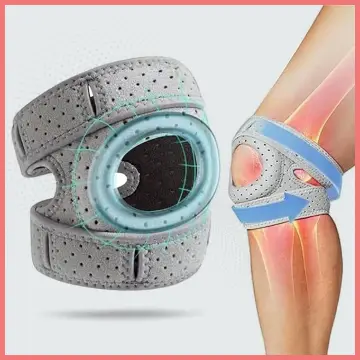
When I first ordered the Relieflex knee brace, I was hopeful. I was dealing with mild knee instability after long walks and occasional discomfort after exercise.
The marketing made it sound like a simple solution—easy compression, joint support, and fast relief. I genuinely wanted it to work because it looked convenient and affordable.
The first impression was okay. When I opened the package, the material felt lightweight and stretchy. I put it on immediately to test the fit.
It slid on easily, which initially felt like a positive thing. But after wearing it for a few hours, I started noticing issues that became more obvious over time.
The compression level was inconsistent. Around the knee cap, it felt slightly supportive, but the sides didn’t provide the structured stability I expected.
When I walked up and down stairs, I still felt that familiar instability I was trying to fix in the first place. That was disappointing because a knee brace should at least give you confidence in movement.
I also noticed that it tends to shift during activity. Even light walking caused it to roll slightly down my leg, which meant I had to keep adjusting it.
That alone made it impractical for daily use. I even tried wearing it during a short workout session, but halfway through, I found myself more focused on fixing the brace than exercising.
Another issue was heat buildup. After extended wear, my skin felt warm and slightly irritated, especially behind the knee. This is something I don’t usually experience with higher-quality compression braces.
It made longer use uncomfortable.
Emotionally, I felt frustrated because I expected at least moderate support for simple daily activities. Instead, it felt more like a temporary sleeve than a proper stabilizing brace.
While it may work for very light compression needs, it didn’t meet my expectations for knee support during real movement.
After comparing it with other braces I’ve used in the past, I quickly realized that Relieflex sits more in the “basic compression sleeve” category rather than a functional orthopedic support device.
That distinction matters if you actually rely on knee stability for walking, exercise, or recovery.
Pros Of Relieflex Knee Brace
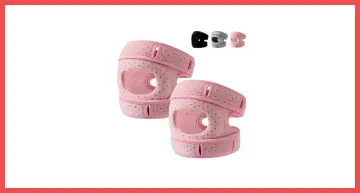
Even though my overall experience was not positive enough to recommend it, I still want to be fair and highlight where the Relieflex knee brace does offer some limited benefits.
- Lightweight and Easy to Wear
One of the first things I noticed is how lightweight the brace is. It doesn’t feel bulky at all, and slipping it on takes only a few seconds.
If you are someone who dislikes heavy orthopedic gear, this might initially feel appealing.
It can be worn under loose clothing without much visible bulk, which adds a level of convenience for casual use.
- Basic Compression Support
The brace does provide mild compression around the knee area.
This can help with temporary relief if you are experiencing very minor soreness after walking or standing for long hours.
It creates a snug feeling that may offer psychological comfort, especially if you are new to using knee supports.
- Affordable Price Point
Compared to medical-grade braces, Relieflex is usually positioned at a lower price.
From a budget perspective, it may seem like an accessible option for people who don’t want to invest heavily in orthopedic support.
This affordability is likely one of its strongest selling points.
- Simple Design
The design is straightforward without complicated straps or adjustments. You don’t need instructions to figure out how to wear it, which makes it beginner-friendly.
Some users may appreciate this simplicity, especially if they are only looking for occasional support.
- Breathable Fabric
The fabric is relatively breathable during short-term use.
For light daily wear, it does allow airflow, which prevents excessive sweating initially.
However, this benefit reduces during long sessions, as I personally experienced heat buildup over time.
- Suitable for Very Light Activity
If your lifestyle includes minimal physical strain, such as short walks or light household activity, the brace may provide just enough compression to feel slightly supported.
But this is where its usefulness largely ends in my experience.
Cons Of Relieflex Knee Brace
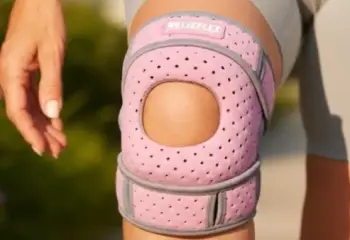
- Weak Structural Support for Real Knee Issues
The biggest drawback I experienced is the lack of true structural support. This brace behaves more like a basic compression sleeve, not a stabilizing medical-grade knee support.
When I compared it with stronger alternatives, I immediately felt the difference.
If you are dealing with instability, ligament strain, or patellofemoral pain, you will likely notice that Relieflex does not properly guide or stabilize the knee joint.
It simply compresses the area without controlling movement. That’s a major limitation because real knee support should reduce unnecessary lateral movement, not just squeeze the joint.
- Slipping and Poor Fit During Movement
One of the most frustrating issues is how easily it shifts during activity.
I noticed this especially when:
- Walking longer distances
- Going up and down stairs
- Doing light exercise or bending
Instead of staying locked in place, it slowly rolls or slides down. I found myself constantly pulling it back up, which defeats the purpose of wearing a brace in the first place.
For comparison, better-designed braces from established orthopedic brands are engineered with anti-slip silicone grips, anatomical shaping, and strap reinforcement. Relieflex lacks these stabilizing features, which makes it unreliable for active use.
- Slipping and Movement Issues
During walking or exercise, the brace tends to slide down. This makes it unreliable for active use. A knee brace should stay in place, but this one requires frequent adjustment.
- Inconsistent Compression
The pressure distribution is uneven. Some areas feel tight while others feel loose, which reduces overall effectiveness. This inconsistency impacts both comfort and support.
- Not Suitable for Active Lifestyles
If you are into sports, gym workouts, or long-distance walking, this brace does not hold up well. It cannot maintain stability during repetitive movement.
- Heat and Skin Irritation
Extended use can cause warmth and mild irritation. This becomes uncomfortable during long hours, especially in humid conditions.
- Short-Term Comfort Only
While it may feel okay initially, the comfort does not last. After extended wear, the limitations become more noticeable than the benefits.
Maintenance Tips For Knee Braces
Regardless of the brand you use, maintaining a knee brace properly is essential if you want it to last and remain comfortable.
Even though I did not find Relieflex to be a long-term solution, I still followed proper care routines, and I’ll share what I learned from that experience.
- Clean It Regularly, Not Occasionally
One of the biggest mistakes people make—including me at first—is waiting too long before washing the brace. Because it feels like a simple fabric sleeve, it’s easy to forget that it absorbs sweat, body oils, and dust every time you wear it.
What I learned quickly is that:
- Sweat buildup reduces elasticity
- Dirt affects fabric breathability
- Odor starts developing faster than expected
I found it best to clean it after every few uses instead of waiting a week or more. If you use it daily, a gentle wash every 2–3 wears keeps it fresh and functional.
The moment I started washing it more consistently, I noticed it stayed more comfortable and didn’t irritate my skin as much.
- Always Use Gentle Hand Washing
At one point, I tried putting it in a washing machine out of convenience—and that was a mistake.
Here’s what actually works better:
- Use lukewarm water
- Add a small amount of mild soap
- Gently rub with your hands (no twisting or scrubbing hard)
- Rinse thoroughly
Machine washing might seem easier, but it gradually weakens the elastic fibers. Over time, I noticed that aggressive washing made the brace feel looser and less supportive.
Hand washing keeps the compression structure intact much longer.
- Never Use High Heat for Drying
This is one of the most important maintenance rules I learned.
After washing, I initially tried speeding up drying by placing it near heat or under direct sunlight. That caused two problems:
- The elasticity weakened slightly
- The fabric became less snug over time
Now I always:
- Lay it flat on a clean surface
- Dry it in a shaded, ventilated area
- Avoid dryers completely
Air drying preserves both stretch and shape. If you want the brace to last, this step is non-negotiable.
- Regular Cleaning Is Essential
Knee braces absorb sweat, skin oils, and dust. If you don’t clean them regularly, the fabric loses elasticity and starts to smell.
I recommend washing it gently after a few uses rather than waiting too long. Hand washing is usually better than machine washing because it preserves the stretch fibers.
- Use Mild Detergents Only
Harsh detergents can break down elastic fibers. I always used a mild soap solution when cleaning the brace. This helps maintain its flexibility and prevents stiffness in the material over time.
- Air Dry Instead of Machine Drying
Heat is one of the fastest ways to damage compression fabric. I made the mistake once of drying it quickly under strong heat, and I noticed the elasticity reduced slightly afterward. Air drying in a shaded area is the safest option.
- Avoid Overstretching During Wear
One thing I learned is that constantly pulling or adjusting the brace weakens the fabric. If a brace keeps slipping, it is better to reconsider the fit rather than over-stretching it repeatedly.
- Store It Properly
Do not crumple or shove the brace into tight spaces after use. I kept mine flat in a drawer to maintain its shape. Proper storage helps maintain compression consistency.
- Rotate If Used Frequently
If you rely on knee support daily, having more than one brace can extend product life. Rotating between two braces reduces wear and tear significantly.
- Check for Early Signs of Wear
Loose threads, thinning fabric, or reduced compression are signs that the brace is losing effectiveness. I always check mine every few weeks to ensure it still provides adequate support.
- Avoid Wearing Over Lotions or Oils
Applying creams or oils under the brace can damage the material and reduce grip. It can also increase slipping issues, which I noticed firsthand.
Comparison Relieflex Knee Brace With Other Knee Brace Options
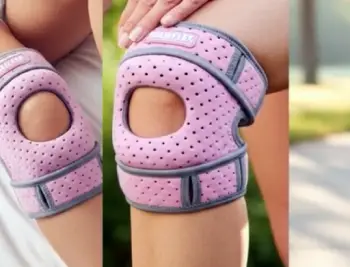
- Medical-Grade Braces and Stability Support
When I compared Relieflex with medical-grade braces like those from established orthopedic brands, the difference in support was clear.
Higher-end braces offer structured hinges, adjustable straps, and targeted compression zones.
These features provide real joint stabilization, especially for people recovering from injury or dealing with chronic knee issues.
- Sports Braces and Active Use Performance
Sports-oriented knee braces from reputable manufacturers are designed to stay in place during movement. They often include anti-slip technology and reinforced support systems.
Compared to these, Relieflex feels more like a basic sleeve rather than a performance support tool.
- Compression Sleeves vs Functional Braces
Relieflex sits closer to the compression sleeve category, which is fine for mild discomfort but not for structural support. In contrast, functional braces are built to assist with alignment, pressure distribution, and injury prevention during physical activity.
- Long-Term Durability Differences
Premium brands tend to use higher-grade elastic materials that maintain compression over time. In my experience, Relieflex loses some firmness faster than expected, especially with regular use and washing.
Also Read: Comparison Of Remington Balder Boss And Balder Pro
Frequently Asked Questions (FAQ)
It may provide mild compression, but in my experience, it does not deliver strong or consistent support for instability or active movement.
From what I have seen, medical-grade braces with adjustable straps and reinforced support systems tend to be more reliable for long-term knee stability and recovery.
A properly designed brace can help reduce pressure and improve alignment, but basic compression sleeves alone are usually not enough for meaningful relief.
You should avoid wearing them if they cause numbness, restrict circulation, or worsen discomfort. They should not be used as a substitute for medical treatment in serious injuries.
Wrapping Up
After using the Relieflex knee brace and comparing it with other support options, I personally would not rely on it for meaningful knee stability or long-term use.
While it offers light compression and convenience, its limitations in support, durability, and fit consistency make it less effective than other established alternatives.
If you are serious about knee health or recovery, I would strongly encourage you to explore more structured and clinically designed options before making a decision.
Recent Posts
● Interactive 5-Zone Interior & Exterior Paint Blueprint Paint Coverage Calculator: Gallons, Primer, Square Footage & Cost Tap any architectural surface zone on the blueprint...
If you want smooth, shiny hair without spending a fortune on a premium styling tool, the Ella Bella hair dryer may be worth considering.In these Ella Bella hair dryer reviews, I’ll look...