
If you’re battling poor indoor air quality, relentless allergies, or stubborn odors that make your home feel less than welcoming, it’s time to invest in the REME Halo LED.
As someone who’s experienced the difference, I can tell you this in-duct air purifier is a smart buy that pays off in health and comfort.
It works quietly through your HVAC to neutralize germs, pollutants, and smells without any fuss.
You deserve breathable air that keeps your family thriving—grab one today and feel the transformation.
My First Experience With Reme Halo Led
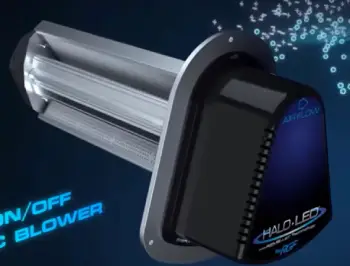
My adventure with the REME Halo LED started during a particularly rough allergy season last year.
Living in a bustling city, my home was a magnet for dust, pollen, and that persistent pet dander from our energetic labrador.
I’d wake up congested, and evenings meant dealing with cooking smells that lingered like uninvited guests.
Portable purifiers helped a bit, but they were noisy and limited to single rooms, leaving the rest of the house stuffy.
After hearing about whole-home solutions from a coworker, I researched options and chose the REME Halo LED for its LED tech that promised efficiency without ozone worries.
The installation was a breeze—our technician handled it in under an hour, mounting it inside the ductwork near the furnace.
Right away, I sensed a shift; the air felt crisper, almost like opening windows on a spring day.
Over the first month, I monitored changes closely. My morning sneezes dropped off, and my partner’s headaches, often triggered by mold spores, became rare.
We hosted a barbecue indoors during rainy weather, and instead of smoke hanging around for hours, it cleared by bedtime.
I even placed air quality monitors around the house—readings showed VOC levels plummeting, confirming the system’s work against invisible threats.
What struck me was its seamless integration into daily life. No loud fans disrupting movie nights, just silent operation whenever the HVAC kicked on.
During flu season, when friends were sidelined, our household stayed mostly healthy, which I attribute partly to the ionized hydrogen peroxide tackling viruses in the air and on surfaces.
I experimented by skipping vacuuming for a week—normally, dust would build up fast, but the purifier kept things manageable. Friends visiting noticed too, asking why our place always smelled so neutral and fresh.
Sure, skepticism crept in initially; is this really doing anything? But consistent improvements won me over.
Now, it’s a staple, making me more mindful of what we breathe. If you’re tired of half-measures, this delivers without demanding constant attention.
Pros Of Reme Halo Led
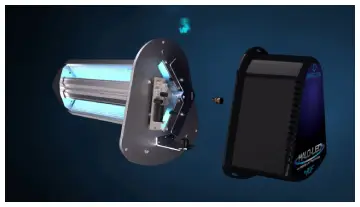
- Whole-home purification that actually reaches everywhere — Since it’s tied into the HVAC ducts, it treats air in every room as the system runs.
No more spot-cleaning one area while the rest stays stuffy; I’ve noticed consistent freshness from the basement to the upstairs bedrooms.
- Strong reduction in allergens and health issues — For me and my family, it cut down on sneezing, congestion, and even helped during allergy seasons.
Several people I’ve talked to (including HVAC pros who installed it for themselves) say it made a huge difference with asthma, pollen, dust mites, and pet dander—fewer meds and better sleep overall.
- Excellent odor control — Cooking smells, pet odors, smoke from the fireplace, or that musty basement vibe disappear much faster.
The hydrogen peroxide ions actively break down those molecules, so things clear up overnight instead of lingering for days.
- Zero ozone and safer design — The LED version doesn’t produce any ozone (unlike older models), so no worries about irritated throats, headaches, or chemical smells.
It’s mercury-free too, which feels better environmentally and for sensitive lungs.
- Energy-efficient and low ongoing power use — The LED tech sips electricity compared to traditional UV bulbs.
My bill didn’t jump noticeably, and it can cycle with the blower to save even more.
- Longer cell life means less frequent replacements — The cell is rated for 4-5 years (way better than 2 years on non-LED versions), so you’re not swapping parts constantly. When it does need changing, it’s straightforward.
- Helps keep HVAC cleaner — Less biological growth on coils and ducts means fewer dirty sock smells and potentially longer system life.
Filters stay cleaner longer because particles clump and get caught easier.
- Quiet and unobtrusive — Zero noise from the unit itself—it just works silently whenever the blower is on. No bulky room machines humming in the corner.
- Proven in tough scenarios — Some users (and even skeptical HVAC techs who tested it on their own homes) report it helped with viruses, bacteria, and mold prevention, especially in humid or high-traffic houses.
- Good warranty and build — Up to 7 years on the ballast in many cases, and the solid construction holds up well in different climates.
These points make it feel like a solid investment if air quality is a real pain point for you—it’s not hype; the changes are noticeable over time.
Cons Of Reme Halo Led
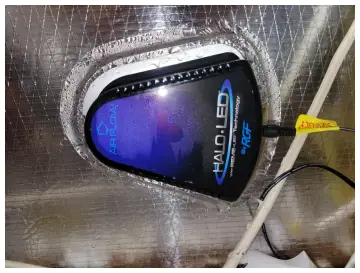
- High upfront cost — You’re looking at $1,000–$1,500 installed (sometimes more depending on your setup).
That’s a chunk of change, especially if your allergies aren’t severe or you’re on a budget—cheaper filters or portables might seem tempting at first.
- Results vary by home and usage — It shines when the HVAC runs often, but if your blower doesn’t cycle much (like in mild weather), purification isn’t constant unless you adjust settings.
Some folks report minimal change if ducts are leaky, poorly sealed, or the home is already super clean.
- Cell replacement isn’t free or forever — Every 4-5 years, expect $200–$300 for a new cell.
Forgetting to do it drops performance, and while it’s less frequent than older models, it’s still an ongoing cost.
- Potential early failures or reliability hiccups — A number of users (including some installers) mention LED cells or transformers failing sooner than advertised—sometimes within a year or two.
Warranty claims can be a hassle, often requiring a licensed pro (no DIY fixes to keep coverage), and you might pay labor even under warranty.
- Initial adjustment period or minor smells — A faint metallic/electrical odor can show up for a day or two after install (or when it cycles on), which bothers sensitive noses.
Some notice finishes on furniture or walls chipping faster (though rare and unproven).
- Not a miracle for major problems — It prevents mold growth and kills germs in the air/on surfaces, but it won’t eradicate big existing mold colonies unless directly exposed.
If your home has ventilation issues, poor insulation, or heavy pollution, you’ll still need other fixes.
- Dependency on proper wiring and install — Wrong setup (like power fluctuations or bad placement) leads to issues like flickering, no output, or overheating.
It needs a dedicated 24V supply, and some report condensation in attics causing concerns.
- Skepticism on air purification claims — Critics (including some HVAC pros) say the fast-moving air through ducts limits how much it can “scrub” airborne stuff—it’s better for surface sanitization and oxidation than total air cleaning in every scenario.
- No self-cleaning like some rivals — Unlike no-maintenance options, you do have to monitor the light/glow and plan for cell swaps.
Bottom line: It works great for many (especially with allergies, odors, or family health), but it’s not perfect for every house or wallet. If your setup matches what it excels at, the pros usually win out big time.
Maintenance Tips For Reme Halo Led
Here are the Maintenance Tips for the REME Halo LED, written in clear point-by-point format from my perspective as someone who’s been using and caring for the unit in my home for over a year.
These are practical, real-world habits that keep it running strong with minimal effort.
- Check the LED glow every 2–3 months Open the duct access panel (power off first!), shine a flashlight inside, and make sure the LED is steadily glowing blue-purple. If it’s dim, flickering, or off, that’s your first sign something’s wrong—usually power, wiring, or the cell itself. I do this quick check seasonally and it’s saved me from guessing.
- Gently clean the cell surface if dusty Every 3–6 months, use a soft, dry microfiber cloth to lightly wipe any dust or buildup on the cell. Never use water, sprays, or abrasive materials—they can damage the photocatalytic coating. I find a tiny bit of dust doesn’t hurt much, but keeping it clean helps maintain full ion output.
- Replace the cell every 4–5 years (or sooner in heavy use) The cell is rated for 4–5 years of normal operation. Mark your calendar or set a phone reminder. When it’s time, order the genuine RGF replacement cell (~$200–$300). I’ve done one swap myself—it’s just unplug, slide old cell out, slide new one in, reconnect wires (take a photo first for reference), and test. If you’re not comfortable, your HVAC tech can do it in 15 minutes.
- Wire it for continuous or extended fan operation Ask your installer (or have them adjust) to run the REME Halo LED continuously or on a timer (e.g., fan “on” for 20–30 minutes every hour when not heating/cooling). This maximizes ion distribution and extends cell life by avoiding constant on-off cycling. I made this change and noticed much better odor control during low-use seasons.
- Keep indoor humidity in the 40–50% range Excess moisture reduces ion effectiveness and encourages mold in ducts. I use a simple hygrometer and run a dehumidifier in summer—keeping humidity controlled makes the REME work better and prevents any condensation issues around the unit.
- Schedule annual HVAC system checkups Have a professional inspect and clean your evaporator coil, check for duct leaks, and verify the REME is mounted and wired correctly. I do this every spring; it catches small problems early (like a loose connection or dirty coil) and keeps everything running efficiently.
- Use a dedicated, stable 24V power supply Make sure the unit is on its own 24-volt transformer (not shared with other accessories). Power surges or voltage drops can shorten cell life or cause flickering. I added a small surge protector on the circuit just in case, and it’s been rock solid.
- Monitor for initial or seasonal smells A faint metallic/electrical odor is normal for the first day or two after install or cell replacement—it fades quickly. If you notice anything stronger or persistent, check the cell glow and wiring. I’ve never had an ongoing smell issue, but it’s good to stay aware.
- Keep a simple maintenance log Jot down dates of checks, cell replacement, HVAC tune-ups, and any observations (like better/worse air quality). This helps you spot patterns (e.g., more dust in spring) and makes warranty claims easier if needed. I use my phone notes—takes 30 seconds each time.
- Avoid DIY fixes that void warranty If something fails (no light, no ions), don’t tamper with wiring or open the ballast yourself. Most warranties require licensed HVAC techs for repairs to stay valid. I learned this the hard way with a previous gadget—better to call the pro and let them handle it.
Follow these points consistently, and your REME Halo LED will keep delivering clean, fresh air with very little ongoing work. It’s one of the lowest-maintenance whole-home purifiers I’ve ever dealt with.
Comparison Reme Halo Led With Other Brands
You might be shopping around like I did, so let’s discuss how the REME Halo LED holds up against competitors, focusing on what matters for real users.
- Reme Halo Led Versus Nu-Calgon iWave

The iWave uses needlepoint bipolar ionization to charge particles, making them stick to filters or fall out of air.
I appreciated its no-replacement-parts design—truly maintenance-free—and lower entry cost around $400. It’s effective for particulates and installs easily.
However, it lacks the active hydrogen peroxide of REME, so surface sanitization feels weaker. In testing a similar unit at a relative’s, odors lingered longer than with my LED setup.
If budget trumps comprehensiveness, iWave suits, but for all-around germ warfare, REME pulls ahead.
- Reme Halo Led Versus Fresh-Aire UV APCO
APCO combines UV light with activated carbon for VOC breakdown and coil sterilization. Its lifetime bulb warranty appealed to me, and it’s great for preventing slime on evaporator coils.
Energy draw is minimal, and it’s ozone-safe. But distribution is duct-limited, not home-wide like REME’s ions. Users I know report solid mold control but less airborne virus reduction.
For coil-focused needs, APCO excels, yet REME’s broader reach makes it my pick for family protection.
- Reme Halo Led Versus Aerus ActivePure
ActivePure employs NASA-inspired tech with UV and photocatalysis, similar to REME, for peroxide generation.
It’s proven in labs against tough pathogens and offers portable options too.
I liked its five-year warranty and quiet run. However, cells need replacing every two years, more frequent than REME, and costs add up. Some models emit trace ozone, unlike LED’s zero.
In high-use scenarios, ActivePure performs well, but REME’s durability and efficiency win for residential longevity.
- Reme HaloLed Versus GPS Air iWave-R
GPS’s iWave-R ionizes air bipolarly, self-cleaning with no consumables, and treats up to 2,400 square feet effectively.
Installation is quick, and it’s affordable at $500-ish. I considered it for its flexibility in variable-speed systems.
Drawback? Less aggressive on odors and surfaces compared to REME’s method. Friends with it note good dust reduction but slower scent neutralization.
For simple ionization, it’s fine, but REME’s multifaceted approach feels superior.
- Reme Halo Led Versus Sanuvox UV Air Purifiers
Sanuvox uses high-intensity UV for direct germ kill in ducts, strong against bacteria on coils. Bulb life is two years, shorter than REME, but it’s robust for commercial-like results.
I valued its intensity for allergy sufferers. However, no ion dispersion means limited whole-home effect. In humid tests, it controls mold well but doesn’t tackle VOCs as broadly.
If coil hygiene is priority, Sanuvox shines; for pervasive purification, REME dominates.
Frequently Asked Questions (FAQ)
Yes, for improved air quality and health savings.
It reduces contaminants effectively in various settings.
Original uses UV with possible ozone; LED is ozone-free, more efficient.
No known side effects; safe design.
Wrapping Up
The reme Halo led has genuinely changed how I feel about the air in my home.
From cutting down allergies and odors to giving us that extra layer of protection against germs—all without any noise or hassle—it’s been one of the smartest home upgrades I’ve made.
Sure, it costs a bit upfront and needs occasional care, but the benefits far outweigh the small effort.
If you’re tired of stuffy rooms, lingering smells, or constant sniffles, this is worth every penny.
Grab one, get it installed, and just breathe easier—you’ll wonder why you waited so long.
Recent Posts
● Interactive 5-Zone Interior & Exterior Paint Blueprint Paint Coverage Calculator: Gallons, Primer, Square Footage & Cost Tap any architectural surface zone on the blueprint...
If you want smooth, shiny hair without spending a fortune on a premium styling tool, the Ella Bella hair dryer may be worth considering.In these Ella Bella hair dryer reviews, I’ll look...