
If you’re considering Resona Red Yeast Rice to manage cholesterol naturally, I understand the appeal—it promises an alternative to prescription medications.
I tried it with cautious optimism, hoping for real benefits without harsh side effects. But after researching deeply and using it myself, I can’t confidently recommend it.
There are too many inconsistencies, questionable quality concerns, and better alternatives available. Let me walk you through my full experience so you can decide wisely.
My Personal Experience With Resona Red Yeast Rice
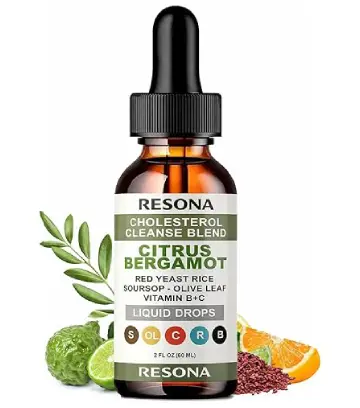
When I first came across Resona Red Yeast Rice, I was intrigued. Like you, I was probably searching for something “natural” to support heart health without jumping straight into statins.
The idea that a supplement could help lower cholesterol felt empowering.
I started taking it daily as instructed. The first thing I noticed was how easy it was to incorporate into my routine—no strong taste, no complicated dosage schedule.
For the first couple of weeks, I didn’t feel much of anything, which I expected. Supplements often take time.
Around week three, I began noticing mild digestive discomfort. Nothing severe, but enough to make me question whether it was worth continuing.
I also felt slightly fatigued on some days, which I couldn’t definitively attribute to the supplement—but the timing was suspicious.
What concerned me more wasn’t just my experience—it was what I found when I started digging into reviews.
Many users reported inconsistent results. Some claimed it worked well, while others said it did absolutely nothing. A few even mentioned side effects similar to mine—muscle soreness, stomach upset, and low energy.
Then I learned something critical: red yeast rice contains compounds similar to statins, specifically monacolin K.
That means it can carry similar risks, especially if not properly regulated. And here’s the issue—supplements like Resona often don’t disclose consistent levels of active ingredients. That’s a big red flag.
After about a month, I stopped taking it. Not because it was unbearable, but because I didn’t feel confident in what I was putting into my body. If I’m going to take something that affects cholesterol and potentially my liver, I want transparency and proven reliability.
So if you’re expecting a smooth, effective, and risk-free experience, I’d advise you to think twice. My experience was more uncertain than reassuring.
Key Features Of Resona Red Yeast Rice
- Red Yeast Rice as the Core Ingredient
The main feature—and honestly the entire selling point—of Resona Red Yeast Rice is its use of red yeast rice extract.
This ingredient is created through a fermentation process using rice and a specific type of yeast.
What makes it stand out is that it naturally contains compounds like monacolin K, which are associated with cholesterol management.
From your perspective, this means you’re not just taking a random supplement—you’re taking something that has a biochemical effect similar to certain cholesterol-lowering medications.
That’s powerful, but also something to approach carefully.
- Capsule-Based, Easy Daily Use
One thing I can’t criticize is how simple it is to take.
Resona comes in capsule form, which means:
- No preparation required
- No unpleasant taste
- Easy to integrate into your routine
You just take it with water, usually once or twice a day depending on the instructions. If you’re someone who prefers low-effort health habits, this definitely works in its favor.
- Marketed for Heart Health Support
Resona is positioned primarily as a heart health supplement. The idea is that by helping manage cholesterol levels, it indirectly supports cardiovascular wellness.
For you, this translates into a preventative approach rather than a reactive one. It appeals especially if you’re trying to:
- Maintain already healthy cholesterol
- Avoid prescription medications
- Take early action before problems escalate
That positioning is compelling—but it’s also where expectations can sometimes exceed reality.
- Over-the-Counter Availability
Another defining feature is accessibility.
You don’t need:
- A doctor’s prescription
- Lab tests before starting
- Any formal medical approval
You can simply purchase it online or from supplement stores. This gives you immediate control, but it also means the responsibility for safe use falls entirely on you.
- “Natural Alternative” Branding
Resona leans heavily into being a natural option. And let’s be honest—that word carries weight.
When you see “natural,” you probably think:
- Safer
- Fewer side effects
- More holistic
That’s exactly why products like this attract attention. But based on my experience and research, this feature is more about perception than guaranteed reality.
- Potential Dual Benefits Beyond Cholesterol
While cholesterol management is the headline claim, red yeast rice is also associated with other potential benefits like:
- Supporting metabolic health
- Mild anti-inflammatory effects
- General cardiovascular support
This gives the product a broader wellness appeal. It’s not just about one number on your blood report—it feels like you’re supporting your overall system.
tain than reassuring.
Pros Of Resona Red Yeast Rice
- Natural Cholesterol-Lowering Appeal
Let’s start with the biggest reason you—and honestly, I—were drawn to this product in the first place.
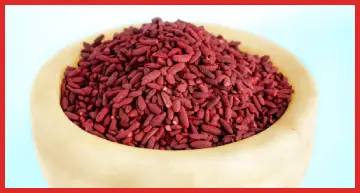
Red yeast rice contains monacolin K, which is chemically identical to the active ingredient in certain statin drugs used to lower cholesterol . That means, in theory, it can help reduce LDL (bad cholesterol) and support heart health.
And yes, studies show it can work. Some research suggests it may lower LDL cholesterol significantly when the active compound is present in meaningful amounts .
From a user perspective, this feels like a “best of both worlds” situation:
- You’re taking something derived from a natural fermentation process
- You’re potentially getting effects similar to prescription medication
That combination is powerful psychologically. You feel like you’re taking control of your health without immediately stepping into pharmaceuticals.
- Accessibility and Convenience
Another thing I appreciated—and you probably will too—is how easy it is to get and use.
There’s:
- No prescription needed
- No doctor visit required to start
- No complicated dosing schedule
You just take a capsule and move on with your day.
Compared to traditional treatment routes, this feels simple and empowering. For people who hesitate to start medication, this low barrier to entry can be very appealing.
- Multi-Functional Health Potential
This is something many people overlook.
Red yeast rice isn’t just marketed for cholesterol—it has been studied for:
- Reducing inflammation
- Supporting metabolic health
- Helping regulate blood sugar levels
So when you take something like Resona, it feels like you’re addressing multiple health concerns at once.
Even if the results aren’t dramatic, the idea of broader wellness support can be a motivating factor.
- Perceived “Gentler” Alternative
A lot of users assume that because it’s natural, it must be gentler.
And in some cases, people do report fewer side effects compared to statins—especially at lower doses.
That perception alone makes products like Resona attractive:
- Less fear of long-term dependency
- Less anxiety about harsh reactions
- More control over your health decisions
But—and this is important—that perception doesn’t always match reality.
Cons Of Resona Red Yeast Rice
- Inconsistent Active Ingredient Levels
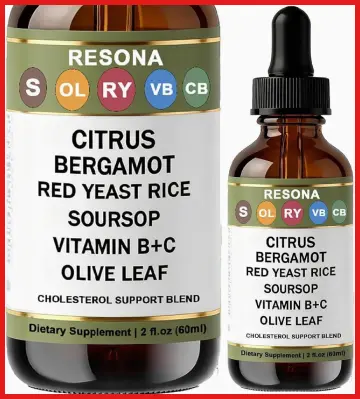
This is, hands down, the biggest issue—and the reason I stopped trusting the product.
Here’s the problem:
You have no reliable way of knowing how much monacolin K you’re actually getting.
Some supplements contain:
- Too little → making them ineffective
- Too much → increasing risk of side effects
Research confirms that different red yeast rice products vary widely in their active compound levels, and some contain amounts too low to impact cholesterol at all .
From a user perspective, this creates a frustrating situation:
- You might be taking it daily…
- You might think it’s working…
- But you could essentially be taking something ineffective
That uncertainty alone is a dealbreaker for me.
- Potentially Serious Side Effects
This is where the “natural = safe” idea breaks down.
Because of its statin-like compound, red yeast rice can cause similar side effects, including:
- Muscle pain and weakness
- Liver issues
- Digestive discomfort
- Fatigue
And in rare cases, more serious complications like muscle breakdown or liver damage can occur.
I personally experienced mild digestive discomfort and low energy—but others report more severe reactions.
- Risk of Contamination
This one honestly surprised me when I researched it.
Some red yeast rice supplements have been found to contain citrinin, a toxic compound that can damage the kidneys .
Now think about that for a second.
You’re taking something for heart health…
But it might introduce another health risk.
And again, because supplements aren’t tightly regulated, there’s no guarantee that every batch is clean.
That lack of quality assurance is a serious concern.
- Lack of Regulation and Transparency
Unlike prescription medications, supplements like Resona are not strictly regulated.
That means:
- Labels may not reflect actual content
- Potency may vary between batches
- Quality control is inconsistent
Even major health authorities warn that red yeast rice supplements don’t offer the same reliability as regulated drugs .
From a user standpoint, this creates a trust issue.
When it comes to something as critical as cholesterol and heart health, “maybe it works, maybe it doesn’t” isn’t good enough.
- Drug Interactions and Safety Risks
If you’re taking other medications, this becomes even more complicated.
Red yeast rice can interact with:
- Statins
- Certain antibiotics
- Blood pressure medications
Because it acts similarly to statins, combining it with other drugs can increase the risk of side effects significantly .
This isn’t something you can casually ignore—it requires medical supervision.
Maintenance Tips Resona Red Yeast Rice
- Monitor Your Health Regularly
If you decide to try something like this, don’t just “set it and forget it.” You should actively monitor your cholesterol levels through blood tests. Otherwise, you’re guessing—and that’s risky.
- Don’t Skip Medical Advice
It’s tempting to self-manage with supplements, but cholesterol is serious. You should always consult a healthcare professional before starting something like red yeast rice, especially if you have underlying conditions.
- Watch for Side Effects Early
Pay attention to your body. If you notice muscle aches, fatigue, or digestive issues, don’t brush it off. Stop and reassess. These aren’t minor signals.
- Be Consistent with Lifestyle Changes
This is crucial. No supplement will replace a healthy diet and regular exercise. If you’re not addressing those, you’re relying too heavily on something that may not deliver.
- Avoid Mixing with Certain Medications
Red yeast rice can interact with medications, especially statins. Combining them could increase risks. This is another reason medical guidance matters.
Store Properly
Keep it in a cool, dry place. Heat and moisture can degrade supplements, making them even less reliable.
Comparison Of Resona Red Yeast Rice With Other Brands
- Resona vs More Established Supplement Brands
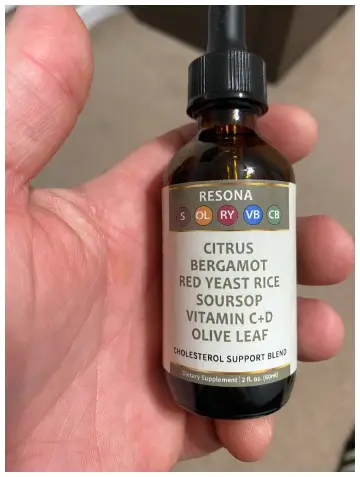
When I compared Resona to more established names in the supplement space, the difference was clear.
Established brands tend to invest more in quality control and third-party testing. That gives you more confidence in what you’re taking.
Resona, on the other hand, feels less consistent. It doesn’t inspire the same level of trust when it comes to ingredient transparency or manufacturing standards.
- Resona vs Pharmaceutical Options
This is where things get even more important. Prescription statins are tested, regulated, and monitored.
You know exactly what dose you’re getting and what effects to expect.
With Resona, you’re essentially taking a less predictable version of something similar to a statin—but without the same level of oversight. That’s not a trade-off I found comfortable.
- Resona vs Lifestyle-Based Approaches
Honestly, lifestyle changes often outperform supplements like this. Improving your diet, exercising regularly, and managing stress can have a far more consistent and reliable impact on cholesterol.
Resona might seem like a shortcut, but it doesn’t replace those foundational habits.
Also Read: Is Ormus Gold Oil Worth It?
Frequently Asked Questions (FAQ)
Yes, there can be. Even though it’s natural, it may cause side effects like muscle pain, digestive issues, and fatigue. It can also interact with medications and may not have consistent ingredient levels.
Some brands are more reputable than others, especially those that offer third-party testing and clear labeling. It’s important to research thoroughly rather than choosing based on price or availability alone.
It typically takes a few weeks to a few months to see changes, but results vary widely depending on the individual and the product’s quality.
You should avoid brands with poor transparency, inconsistent reviews, and unclear ingredient sourcing. If a product doesn’t clearly state its composition or lacks quality assurance, it’s best to skip it.
Wrapping Up
After trying Resona Red Yeast Rice and researching extensively, I can’t recommend it with confidence.
While the idea behind it is appealing, the inconsistency, potential side effects, and lack of transparency make it a risky choice.
If you’re serious about managing cholesterol, you deserve something more reliable—whether that’s a trusted supplement, medical treatment, or lifestyle changes.
Don’t settle for uncertainty when your health is on the line.
One thought on “Resona Red Yeast Rice Reviews: My Honest Take After Trying It”
Leave a Reply
Recent Posts
● Interactive 5-Zone Interior & Exterior Paint Blueprint Paint Coverage Calculator: Gallons, Primer, Square Footage & Cost Tap any architectural surface zone on the blueprint...
If you want smooth, shiny hair without spending a fortune on a premium styling tool, the Ella Bella hair dryer may be worth considering.In these Ella Bella hair dryer reviews, I’ll look...
I took this product for 3 months and my total cholesterol levels skyrocketed to 296! Way up there. I started researching. I had seen the product advertised on Facebook and the ad had Barbara O’Neill singing its’ praises. When I got my bloodwork back, I was in shock. I started researching Resona. Came to find out there is a US company called Resona but they are not selling this product. China created the product and calls their company (if it can be called that) Resona Official. Official is in very small print when it is on the bottle. I read that they ship the product to different locations in the US to make it look like a US company, and those distributors mail around the country. They also create fake reviews. That is why it says no refunds. Because it probably could not make its’ way back to China. And the Barbara O’Neill video – AI fake. I am so ticked about this.