
I’ve spent the past several weeks comparing Rheem and A. O. Smith water heaters because my old unit started leaking and I needed a clear, practical decision.
My goal here is simple: give you an honest, side-by-side look at features, real-world performance, costs, and long-term ownership so you can choose the right tank or tankless model for your home without the usual marketing haze.
| Feature | Rheem | A. O. Smith |
| Typical lifespan | 10–15 years with maintenance | 10–15 years with maintenance |
| Warranty range (tank models) | 6–12 years on select lines | 6–12 years, often stronger on premium |
| Efficiency focus | Strong hybrid and EcoNet options | Solid UEF ratings, Blue Diamond/Vitraglas lining |
| Serviceability | Parts widely available, easier DIY access | Good, more contractor-oriented |
| Price positioning | Competitive mid-range, strong retail presence | Mid to slightly higher, pro-channel strength |
| Standout tech | EverKleen self-cleaning, smart app control | Corrosion-resistant linings, commercial-grade components |
| Best for | Homeowners wanting smart features and easy service | Buyers prioritizing tank durability and pro installs |
Key Differences Between Rheem And A. O. Smith
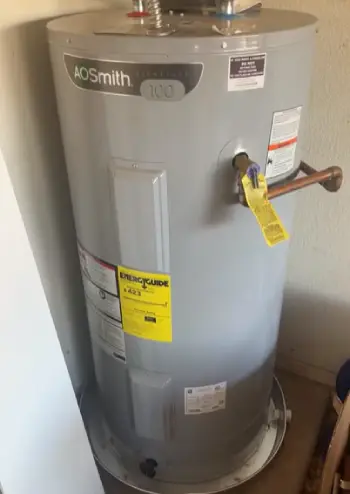
- Availability and sales channels: Rheem shows up in big-box stores, online shops, and local supply houses.
Parts arrive fast when something breaks and you can often grab a full unit the same day. A. O. Smith stays stronger through plumbing wholesalers and contractors.
You may wait longer for the exact model but the professional channel usually stocks the better-built versions.
- Smart features and connectivity: Rheem builds EcoNet into many units so you can check temperature, set schedules, and receive leak alerts right on your phone.
The app feels practical for everyday monitoring and vacation mode works well. A. O. Smith offers connectivity on higher-end models only.
Everyday use stays simpler and more direct with Rheem for most homeowners.
- Tank protection approach: A. O. Smith uses Vitraglas and Blue Diamond glass linings that coat the steel and fight corrosion for years.
These coatings handle hard or slightly acidic water with less early tank damage. Rheem relies on EverKleen circulation technology.
Sediment stays loose instead of baking on the bottom so the tank lasts longer with regular care.
- Installation and service experience: Plumbers find Rheem parts stocked nearby and service calls finish quicker because the components are familiar.
DIY access is also better on many models. A. O. Smith units reward careful professional installs and the tanks feel solid once mounted.
The professional network often provides stronger long-term support.
- Model variety for hybrids and tankless: Both companies offer heat-pump hybrids and tankless lines that cover most household needs.
Rheem hybrids post strong energy numbers that often qualify for utility rebates and federal incentives. A. O.
Smith tankless models deliver steady flow rates under heavy demand and the heat exchangers hold up well with proper descaling.
- Noise and daily operation: Rheem hybrids can produce a low hum from the heat-pump compressor that quiet rooms notice, especially in finished basements.
Standard tanks stay quieter. A. O. Smith tanks remain nearly silent during normal use.
Only the burner or heating elements create soft sounds that most households ignore.
Key Features Of Rheem Water Heaters
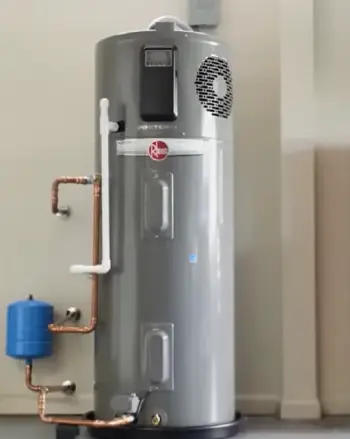
- EverKleen self-cleaning system: Water keeps moving inside the tank in a controlled pattern so sediment cannot settle and harden on the bottom.
Flushing becomes easier every year and recovery rates stay higher for longer. Hard-water homes see the biggest benefit from this design.
- EcoNet smart connectivity: The app shows real-time temperature and energy use so you can adjust settings from anywhere.
You set vacation mode before leaving town and leak alerts arrive early enough to prevent major damage.
The system feels useful rather than complicated for daily life.
- Broad product range: Basic electric and gas tanks sit next to high-efficiency hybrids and compact tankless units.
Most household sizes and fuel types find a solid match without needing specialty models.
The Performance and Professional series give clear steps up in build quality.
- Flexible installation details: Side connections simplify work in tight basements and older homes with limited space.
Multiple venting options work with existing setups and weight stays manageable on many electric models. Installers finish swaps faster when these details line up.
- Energy efficiency focus: Hybrid units reach high UEF ratings that often qualify for rebates and incentives.
Monthly bills drop after the first year once the heat-pump technology takes over. Climate and local electric rates decide how quickly the savings appear.
- Diagnostic tools and error codes: Clear codes help technicians find problems fast without guessing. Homeowners can check basic status lights and understand simple issues on their own.
Repair time shortens and downtime stays limited.
- Anode rod design: Standard rods protect the steel tank by attracting corrosive elements in the water.
Easy replacement keeps corrosion away and maintenance stays straightforward for most owners. Checking the rod every few years extends tank life noticeably.
Pros Of Rheem Water Heaters
- Wide parts availability: Local stores and online retailers stock elements, controls, and anode rods so downtime stays short after a failure. You rarely wait weeks for a common part. Emergency repairs finish faster because supply is consistent across most regions.
- Strong smart-home integration: Phone control feels practical for monitoring temperature and energy use. Early leak warnings prevent costly floods and vacation mode protects the unit while you travel. The features add real value without requiring constant attention.
- Competitive pricing at retail: You walk into a big-box store and buy a solid mid-tier unit the same day. Installation packages compare easily and budget options remain reliable for lighter household use. Upfront cost stays reasonable for most families.
- Self-cleaning technology that works: EverKleen slows mineral buildup so the tank stays cleaner longer. Recovery rates hold steady and flushing sessions become less frequent. Hard-water homes benefit the most from reduced sediment problems.
- Solid efficiency numbers on hybrids: Heat-pump models cut electric use enough to lower monthly bills. Payback arrives in several years depending on climate and rates. The savings become noticeable once the unit runs through a full heating season.
- Easy DIY access on many models: Elements and thermostats sit within reach so basic fixes need few tools. Homeowners handle small jobs without calling a technician every time. Confidence grows when simple maintenance stays possible.
- Consistent first-hour ratings: Families get enough hot water for morning showers and laundry without running out early. Performance holds under normal loads and the tank recovers at a steady pace. Daily routines stay predictable.
Cons Of Rheem Water Heaters
- Occasional sensor and control quirks: Chamber sensors and electronic gas valves fail earlier on some units than expected. The problem is not universal but appears often enough in owner reports. Replacement parts fix the issue yet the inconvenience remains.
- Warranty claims can feel slow: Parts authorization sometimes takes extra days and the process requires patience. Local technicians who already know the brand help move claims faster. Having documentation ready speeds everything up.
- Build quality varies by series: Entry-level Performance units suit light use and smaller households. Heavier families need the Professional line for thicker tanks and better components. Choosing the wrong series leads to earlier wear.
- Noise on some hybrid models: The compressor adds a low hum that finished basements and laundry rooms close to living space notice. The sound is not loud but it becomes part of the background. Placement planning helps reduce the impact.
- Less emphasis on ultra-premium linings: EverKleen helps control sediment yet the glass coating receives less marketing push than competing systems. Long-term corrosion resistance stays good but the approach feels different. Maintenance still matters.
- Sediment still needs annual care: Self-cleaning reduces buildup but does not erase the need for flushing. Neglect shortens life and recovery rates drop over time. Regular attention remains essential for best results.
Key Features Of A. O. Smith Water Heaters
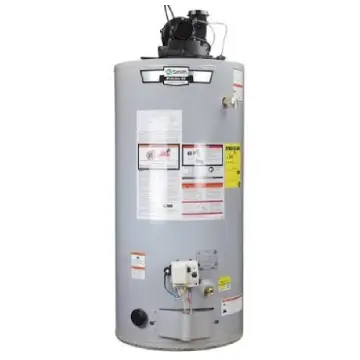
- Advanced glass linings: Vitraglas and Blue Diamond coat the steel interior and slow corrosion dramatically.
Tanks last longer in hard or slightly acidic water and early failures become less common.
The protection works quietly in the background for years.
- Commercial-grade components in residential lines: Higher ProLine and Signature models borrow parts and design ideas from commercial units.
Steel feels thicker and heating elements handle heavy daily use without strain.
The extra strength shows during long service life.
- Reliable electronic controls: Temperature stays precise and diagnostic lights guide technicians toward the real problem.
Troubleshooting becomes clearer and fewer guesswork visits occur.
Owners gain confidence from the steady performance.
- Strong tankless and hybrid options: Flow rates stay competitive even when multiple fixtures run at once.
Heat exchangers resist scale well when descaled on schedule and hybrids deliver solid efficiency numbers.
Both styles fit modern household demands.
- Focus on longevity engineering: Anode rods, dip tubes, and sacrificial elements receive careful design so the tank itself lasts as long as possible.
Service intervals stretch out and major repairs stay less frequent. The engineering prioritizes durability over flashy features.
- Blue Diamond glass coating details: The surface resists mineral attack and some versions include antimicrobial properties.
Water quality inside the tank stays better and the lining supports longer overall life. The coating forms a key part of the brand reputation.
- Side and top connection flexibility: Installers adapt easily to existing pipes in older homes and retrofits finish faster.
The options reduce the need for major plumbing changes. Installation costs stay more predictable as a result.
Pros Of A. O. Smith Water Heaters
- Excellent corrosion resistance: Proprietary linings protect the tank so hard or acidic water causes fewer early failures. Owners report longer tank life when the lining does its job. The difference becomes clear after several years of service.
- Durable construction feel: Higher-tier models feel substantial when you stand next to them and the fittings match the reputation. Real-world lifespan often follows the solid first impression. Heavy use does not wear the unit down quickly.
- Good warranty coverage on premium models: Twelve-year terms appear on select tanks and registration keeps claims simple. Coverage matches the build quality and provides peace of mind. The terms feel fair for the investment.
- Consistent performance under load: Recovery rates hold steady for busy families that run showers and laundry in overlapping windows. First-hour delivery stays reliable and temperature remains even. Daily comfort stays high without surprises.
- Professional installer preference: Many contractors stock and trust the brand so service calls arrive faster. Long-term support feels steady and parts knowledge stays strong within the network. Homeowners benefit from that established relationship.
- Quiet daily operation: Standard tanks make little noise during normal heating cycles. Only burners or elements create soft sounds that most households ignore. Living spaces stay peaceful even when the unit runs nearby.
- Steady temperature control: Water leaves the tank at the set point with minimal fluctuations. Comfort remains high for showers and sinks. The consistency reduces complaints from family members.
Cons Of A. O. Smith Water Heaters
- More limited retail presence: Exact models sit at supply houses more often than big-box shelves. Parts may need an extra order and emergency swaps take longer. Planning ahead helps avoid delays.
- Higher price on comparable mid-tier units: Extra tank protection and commercial-inspired parts raise the tag. The value shows over years of reliable service yet the upfront cost sits higher. Budget-conscious buyers notice the difference.
- Smart features feel secondary: Connectivity exists on upper models but apps do not dominate the product story. Daily monitoring stays basic compared with more connected brands. Owners who want constant phone control may look elsewhere.
- Variation between model lines: Entry-level units stay solid but ordinary for everyday needs. Full engineering benefits appear only when you step up to higher series. Researching the exact model becomes important before buying.
- Heavier reliance on professional installation: DIY remains possible for experienced homeowners. Best results come from licensed installers who understand the nuances. The brand rewards that professional approach over quick self-installs.
- Parts availability can lag in some areas: Rural locations sometimes wait longer for specific components. Contractor channels stock better than general retail. Knowing a reliable supplier reduces the frustration.
Real-World Ownership Experience
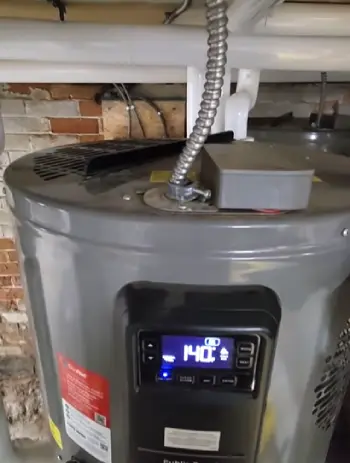
I talked with several homeowners and two local plumbers while researching. One family of five ran a Rheem hybrid for seven years with almost no issues beyond annual flushing.
Another homeowner with an A. O. Smith gas tank praised the steady temperature and quiet operation after eight years in a hard-water suburb.
Both units eventually needed anode rods and one thermostat, ordinary wear items.
The biggest variable is water quality and maintenance. Sediment and corrosion kill more tanks than brand differences.
Flush the tank once a year, check the anode every two to three years, and keep the temperature around 120 °F. Do those things and either brand should deliver a decade or more of service.
Energy costs also matter. If you choose a hybrid, expect higher upfront cost and lower monthly bills. In mild climates the payback can arrive in four to six years.
Tankless models shine for continuous hot water and space savings but need proper sizing and occasional descaling.
Installation And Long-Term Costs
Labor usually runs the same for both brands if the plumber is familiar with the model.
Rheem’s retail availability can shave a day or two off the timeline when you need an emergency replacement.
A. O. Smith may require a short wait for the exact unit but often arrives with a contractor who already knows the product.
Over ten years the difference in total cost of ownership stays small if you maintain the unit. The smarter features on Rheem can prevent a flood that would otherwise cost thousands.
The tougher lining on A. O. Smith can delay the day the tank itself fails. Either path works; pick the one that matches your risk tolerance and local support network.
Which Brand Fits Different Households?
For a tech-friendly household that likes monitoring energy use and wants easy parts access, Rheem edges ahead.
For a family that prioritizes tank durability and plans to hire a trusted plumber for every service call, A. O. Smith feels like the safer long-term bet.
Households with hard water should look closely at Rheem’s self-cleaning system or A. O. Smith’s glass lining and decide based on local water reports.
Both companies make tankless and hybrid models worth serious consideration if your current setup is aging and energy prices keep rising.
Measure your peak demand, check available rebates, and get at least two installation quotes before you decide.
Also Read: Comparison Of Bradford White And State Water Heaters
Neither is clearly better overall. Rheem often wins on service ease and smart features. A. O. Smith frequently wins on tank protection and professional reputation. Your local water quality and installer preference matter more than the brand name.
Bradford White, A. O. Smith, and State often top plumber lists for pure reliability. Rheem sits close behind and leads in retail availability and smart options.
No. They are separate manufacturers with their own engineering, plants, and distribution networks.
Sensor failures, occasional control-board issues, sediment buildup if not flushed, and delayed parts in some regions. Most problems are fixable and not unique to the brand.
Frequently Asked Questions (FAQ)
Wrapping Up
You and I both want a water heater that simply works for years without drama. After comparing Rheem and A. O.
Smith across features, real owner reports, and plumber feedback, I see two strong, reliable choices rather than a single winner. Rheem gives you easier parts access and useful smart tools.
A. O. Smith gives you proven tank protection and a solid professional following. Match the strengths to your water quality, budget, and how hands-on you want to be, then install it correctly and maintain it.
Do that and either brand will keep the showers hot and the utility bills reasonable for a long time.
Recent Posts
I spent months comparing budget options against established names after my last set of tires wore out sooner than expected.My goal here is to share what I learned from putting Dextero and...
AquaTru Carafe Vs. Classic: Which Is Actually Fits Your Kitchen?
I decided to write this comparison after months of testing both the AquaTru Carafe and the Classic in my own kitchen. Tracking covered daily use.Taste stayed consistent. Refill frequency...