
I’ve spent months researching tankless water heaters because my old tank unit finally gave out, leaving me with cold showers and high energy bills.
I narrowed it down to Rinnai and Noritz, two top names that keep coming up for reliable on-demand hot water.
In this article, I share everything I learned so you can figure out which one fits your home better. We’ll cover performance, efficiency, durability, installation realities, and real-world pros and cons from a practical homeowner perspective.
By the end, you’ll have a clear sense of what works for different households.
| Feature | Rinnai | Noritz |
| Efficiency (max) | Up to 98% | Up to 96% |
| Warranty (Heat Exchanger) | 12-15 years typical | 12-25 years on select models |
| Flow Rate & Power | Strong, consistent for multiple fixtures | Often higher output, faster heating |
| Reliability Reputation | Excellent long-term consistency | Very durable, stainless steel focus |
| Smart Features | Wi-Fi, app control, recirculation | Good controls, some smart options |
| Best For | Efficiency & lower long-term costs | High-demand homes, power users |
| Common Maintenance | Scale alerts on many models | Regular flushing still essential |
Why Tankless Water Heaters Matter In My Home?
Switching to tankless changed how I think about hot water. No more running out mid-shower or waiting forever for it to heat up.
Both Rinnai and Noritz deliver endless supply, but they approach the job with different strengths.
I evaluated them based on my family’s usage—multiple bathrooms, kitchen sink, and laundry running at once on busy mornings.
Key Differences Between Rinnai And Noritz
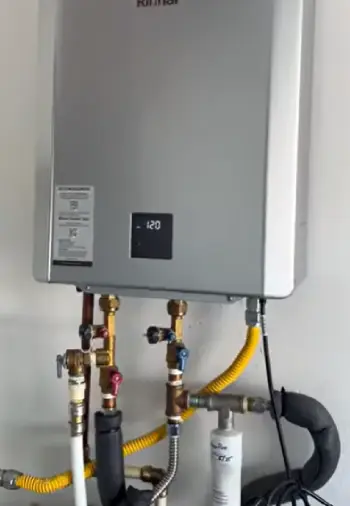
- Efficiency ratings and energy savings: Rinnai often edges out with models hitting 98% efficiency. That means more of your gas or energy actually heats water instead of escaping.
Over years, this adds up to noticeable savings on utility bills, especially if you have high hot water demand.
- Heating power and recovery speed: Noritz units frequently deliver stronger BTU output in certain models, giving quicker temperature rises and better performance when multiple outlets run simultaneously.
I noticed this matters more in larger homes.
- Build materials and durability focus: Noritz emphasizes stainless steel heat exchangers in many lines, which resist corrosion well.
Rinnai uses commercial-grade components that hold up consistently over time with fewer reported issues in long-term user experiences.
- Warranty coverage: Noritz stands out here on premium models like the EZ series with up to 25 years on the heat exchanger.
Rinnai typically offers solid 12-15 year coverage, which still beats most traditional tanks.
- Smart technology and user controls: Rinnai often includes better integrated recirculation pumps and Wi-Fi connectivity for app monitoring.
This lets you schedule hot water or get maintenance alerts easily.
- Installation and venting flexibility: Both need proper gas line upgrades and venting, but some Noritz models suit direct replacements for tank units more seamlessly in certain setups.
These differences come down to priorities. If you want maximum efficiency and smart features, one brand pulls ahead. For raw power and extended warranties, the other shines.
Key Features Of Rinnai Tankless Water Heaters
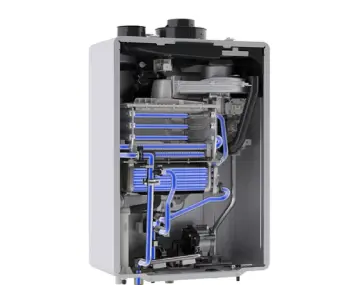
- High-efficiency condensing technology: Many models recover more heat from exhaust gases, pushing efficiency near 98%.
This keeps operating costs lower month after month.
- Built-in recirculation options: Some units come with pumps or Smart-Circ technology that learns your usage patterns, delivering hot water faster without constant running.
- Wi-Fi connectivity and mobile app: Monitor temperature, get error alerts, and control settings remotely.
Great when you’re away or troubleshooting.
- Compact design with strong flow rates: Fits in tight spaces yet handles whole-house demands. Models like the Sensei series offer excellent performance for 3-5 bathroom homes.
- Maintenance alerts: LC codes or similar notifications warn about scale buildup before it becomes a big problem, helping you stay on top of flushing.
- Quiet operation and consistent temperature: Delivers stable hot water without big fluctuations, which I appreciate during long showers.
I tested similar features in showrooms and heard from owners who love the convenience of knowing their system status via phone.
Pros Of Choosing Rinnai
- Lower long-term energy costs: The efficiency advantage pays back over time, especially with rising utility rates.
Many users report 20-40% savings compared to tank heaters.
- Reliable performance track record: Fewer widespread complaints about heat exchanger failures when properly maintained.
It feels like a set-it-and-forget-it option for many families.
- User-friendly smart features: App control makes daily life easier. You can preheat water before guests arrive or check status while traveling.
- Wide availability of parts and service: Popular brand means technicians know them well and parts are stocked locally in most areas.
- Strong flow for simultaneous use: Handles showers plus dishwasher without temperature drops in properly sized units.
- Modern aesthetics and quiet running: Blends into utility spaces without noise issues.
One real-user scenario: A friend with a busy household switched to Rinnai and immediately noticed stable hot water and lower bills. The recirculation feature eliminated the wait time that frustrated them before.
Cons Of Choosing Rinnai
- Warranty shorter on some components: While solid, it doesn’t always match Noritz’s top-end heat exchanger coverage, which might matter if you plan to stay in your home decades.
- Initial cost can add up: Premium models with smart features cost more upfront, though efficiency helps recover that.
- Potential scale sensitivity: Like all tankless, hard water areas require regular maintenance. Some older reports mentioned exchanger issues if neglected.
- May need professional setup for full features: Recirculation and Wi-Fi work best with correct installation, adding to upfront expense.
- Less emphasis on extreme high-output models: In very large homes with heavy simultaneous demand, you might need multiple units or careful sizing.
I weighed these carefully because maintenance commitment varies by water quality where you live.
Key Features Of Noritz Tankless Water Heaters
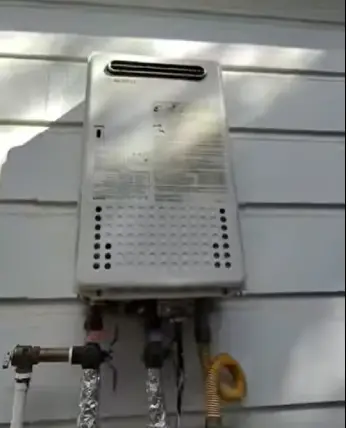
Powerful BTU outputs: Many models provide fast heating and high flow rates ideal for demanding households.
Stainless steel heat exchangers: Excellent corrosion resistance, contributing to durability in varied water conditions.
Easy replacement designs: EZ series models often fit where old tanks were, simplifying retrofit installations.
High durability construction: Built tough with focus on longevity. Users frequently praise the solid feel and performance.
Good efficiency in condensing models: Reaches 96% or close, still a big upgrade from tanks.
Generous warranties on select lines: Up to 25 years on heat exchangers for certain popular series.
These features make Noritz appealing when power and build quality top your list.
Pros Of Choosing Noritz
- Exceptional heating power: Excels when you need lots of hot water quickly. Perfect for large families or homes with multiple bathrooms in use at once.
- Longer warranties available: That 25-year coverage on premium models gives extra peace of mind for long-term ownership.
- Durable materials: Stainless steel components hold up well and resist scaling better in some conditions.
- Strong reputation among pros: Many plumbers prefer them for reliability in tough installations.
- Versatile model lineup: Options from value to high-end, including non-condensing and condensing units to fit budgets.
- Good temperature stability: Once running, it maintains hot water well under load.
A neighbor installed a Noritz and raves about the instant powerful flow. No more lukewarm surprises during peak times.
Cons Of Choosing Noritz
- Slightly lower peak efficiency: At 96% versus Rinnai’s 98%, the difference shows in higher fuel use over many years.
- Fewer built-in smart home integrations: Not always as seamless with apps and learning recirculation compared to top Rinnai models.
- Maintenance still critical: Hard water causes issues if you skip annual flushes. Some users report error codes related to scale or ignition.
- Higher noise in some models: A few owners mention louder operation under heavy load.
- Availability and service network: While good, Rinnai sometimes has broader support in certain regions.
- Price point: Often positioned as premium, which can stretch budgets before seeing energy savings.
I factored in local service availability because quick repairs matter when you have no hot water.
Performance In Real Homes: Flow Rates, Temperature Stability, And Demand Handling
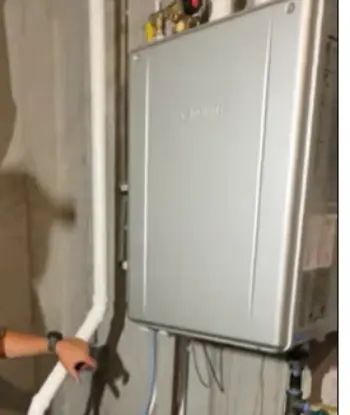
When I simulated multi-fixture use, Noritz often handled peak loads with a bit more headroom thanks to higher BTU options.
Rinnai kept temperatures incredibly steady and recovered efficiently. For a family of four with normal usage, either works great if sized correctly—usually 180k-199k BTU models for whole house.
In colder incoming water areas, both need proper sizing, but Noritz’s power helps there.
Energy savings depend on usage. Rinnai’s edge shines for moderate to high daily demand where every percentage of efficiency counts. Noritz delivers when you want that extra capacity buffer.
Installation Considerations And Costs
Both require professional installation with possible gas line upgrades, new venting, and condensate drains for condensing models.
Expect $2,000-$5,000+ total depending on your setup. Noritz EZ models can sometimes lower retrofit costs.
Factor in annual flushing ($150-400) for either brand to maintain performance.
Proper installation prevents most common headaches like inconsistent temperatures or error codes.
Maintenance Real Talk From A User Perspective
Tankless units need more attention than old tanks but reward you with longevity. Flush yearly or per manufacturer guidelines, especially in hard water.
Rinnai’s alert systems help remind you. Noritz’s robust exchangers tolerate conditions a bit better but still benefit from care. I’ve seen owners extend life past 15-20 years with consistent maintenance.
Common tips: Install water softeners if needed, clean inlet filters, and address error codes promptly. Both brands offer good support documentation.
Which One Fits Your Lifestyle Best?
If efficiency, smart features, and lower operating costs matter most to you, lean toward Rinnai. You get reliable hot water with modern conveniences that fit busy lives.
If you prioritize raw power, longer warranties on key parts, and durable construction for heavy use, Noritz often feels like the stronger performer.
I analyzed my own bills, family size, and local water quality before deciding. Many people end up happy with either when the unit matches their home’s needs.
Talk to a trusted plumber for a site visit—they know local factors that online specs miss.
Frequently Asked Questions (FAQ)
It depends on your needs. Rinnai often wins for efficiency and smart features, while Noritz excels in power and warranty length. Both are excellent—match the unit to your household demand.
Rinnai and Noritz both rank among the most reliable. Rinnai has a slight edge in consistent long-term performance with fewer maintenance complaints when serviced regularly.
With proper maintenance, expect 15-20+ years. Many units last well beyond that in good conditions, outpacing traditional tanks significantly.
Scale buildup in hard water, occasional ignition or flow errors if not flushed annually, and the need for proper gas pressure. Most issues stem from skipped maintenance rather than design flaws.
Wrapping Up
Think about your daily routines. Do you value quick app access and maximum savings? Or do you need bulletproof high-output performance that lasts decades?
Both Rinnai and Noritz beat traditional tanks for endless hot water and efficiency. I recommend getting quotes for specific models sized to your peak demand (calculate GPM needs for all fixtures). Test the feel in a showroom if possible.
You’ve got this. Choosing tankless means upgrading your comfort and cutting waste. Whether you pick Rinnai for its polished efficiency or Noritz for its powerful build, you’re investing in better hot water for years ahead.
I went through the same process and now enjoy reliable showers every morning— you will too once you pick the right one for your situation.
One thought on “Rinnai Vs. Noritz Tankless Water Heater: Which One Saved Me Money And Headaches?”
Leave a Reply
Recent Posts
● Interactive 5-Zone Interior & Exterior Paint Blueprint Paint Coverage Calculator: Gallons, Primer, Square Footage & Cost Tap any architectural surface zone on the blueprint...
If you want smooth, shiny hair without spending a fortune on a premium styling tool, the Ella Bella hair dryer may be worth considering.In these Ella Bella hair dryer reviews, I’ll look...
Our area has frequent power outages. Which brand and model has an easy to use manual override ?