
As someone who’s tried juggling busy days with healthy eating, I’ve turned to meal replacements like Rootana and Huel to keep things simple.
In this article, I’ll share my thoughts on both, breaking down what makes each tick from a user’s viewpoint.
My main goal here is to help you figure out which might fit your lifestyle better, whether you’re after natural flavors or packed nutrition.
I’ll cover features, pros, cons, and more, all based on what I’ve learned and experienced.
| Aspect | Rootana | Huel |
| Calories per Serving | 400 | 400 (standard powder) |
| Protein | 20g (pea protein) | 30g (standard), up to 40g in Black Edition |
| Carbs | 44-46g (complex from oats) | Around 38g (with some simple sources) |
| Fat | 14g (healthy omegas) | 13g |
| Fiber | 7-9g | 6-7g |
| Sweeteners | Coconut sugar (natural) | Sucralose (artificial in some), none in Black Edition |
| Vitamins/Minerals | 27 at 20% DV | 27 at 20-30% DV |
| Flavors | Original, Vanilla, Dark Chocolate | Wide range including Vanilla, Chocolate, Berry |
| Price per Serving | Around $2.50-$3 | About $2-$2.50 |
| Vegan/Plant-Based | Yes | Yes |
| Artificial Additives | None | Some in regular versions |
| Best For | Natural ingredient focus | High protein and variety |
Key Differences Between Rootana And Huel
What sets these two apart? I’ve pinpointed the main ones from my comparisons.
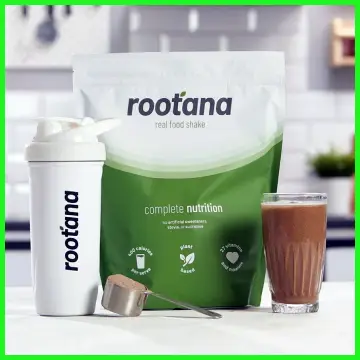
- Sweetener Approach: Rootana uses natural coconut sugar for a subtle sweetness, while Huel often relies on sucralose, which can taste more intense but artificial.
This matters if you’re sensitive to synthetics.
- Ingredient Philosophy: Rootana emphasizes real foods like oats and flaxseed without additives, whereas Huel includes more processed elements for broader nutrition.
It’s natural vs. engineered.
- Protein Levels: Huel packs more protein, up to 40g in some lines, making it better for athletes.
Rootana’s 20g is solid but geared toward balanced meals.
- Product Variety: Huel offers bars, RTD, and hot options; Rootana sticks to powders.
If you want diversity, Huel wins.
- Taste and Texture: Rootana has an oaty, earthy feel that’s comforting, while Huel can be smoother but sometimes chalky.
Personal preference rules here.
- Price and Accessibility: Both are similar per serving, but Huel’s wider distribution makes it easier to grab.
These differences helped me decide when to use each – Rootana for clean days, Huel for high-protein needs.
Key Features Of Rootana
Rootana caught my eye because it markets itself as a “real food shake,” and honestly, it lives up to that. I appreciate how it sticks to ingredients I can pronounce, like oats and peas, without the lab-created stuff.
- Natural Ingredients Focus: Everything comes from whole foods – oat flour for that hearty base, pea protein for muscle support, and flaxseed for those omega-3s that keep my energy steady. No soy or dairy, which is great if you’re avoiding allergens.
- Flavor Profiles: The Original tastes like a subtle oatmeal, Vanilla adds a smooth twist without overpowering, and Dark Chocolate feels indulgent but not fake. I mix the chocolate one with banana for a treat.
- Nutritional Balance: Each serving gives me 20% of my daily vitamins, including things like vitamin D and iron that I sometimes skimp on. The fiber from oats helps with digestion, and I’ve noticed less hunger crashes compared to sugary snacks.
- Ease of Use: Just four scoops in a shaker, and it’s ready. The pouch lasts about two weeks if I use it daily, and it’s portable for hikes or office days.
- Sustainability Angle: They source from trusted farms, and the minimal processing means less environmental hassle, which aligns with my eco-conscious side.
From my trials, Rootana feels like eating a bowl of porridge but quicker. It’s not overloaded with extras, but that simplicity works when I want something straightforward.
Pros Of Rootana
Switching to Rootana felt refreshing, like upgrading from processed snacks to home-cooked vibes. Here are the upsides I’ve enjoyed.
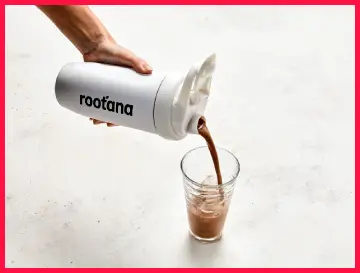
- Clean Taste Without Aftertaste: No weird chemical linger; the coconut sugar gives a gentle sweetness that doesn’t spike my blood sugar.
I’ve had days where it feels like a natural energy boost.
- Digestive Friendliness: The high fiber from real oats and flaxseed keeps things moving smoothly.
I rarely get the bloat I sometimes did with other shakes.
- Allergen-Free Appeal: Being free from soy, dairy, and GMOs means it’s safe for more people.
If you have sensitivities, this is a win.
- Value for Natural Quality: At around $2.50 per serving, it’s competitive, especially since it uses premium ingredients.
One pouch goes far in my routine.
- Versatility in Mixing: It blends well with fruits or nut butters, turning a basic shake into something exciting.
I’ve experimented and never been disappointed.
Overall, Rootana’s pros make it feel authentic, like I’m nourishing my body without compromises.
Cons Of Rootana
No product’s perfect, and Rootana has its drawbacks that I’ve bumped into.
- Limited Flavor Options: Only three choices – Original, Vanilla, Dark Chocolate. If you’re someone who craves variety, it might get repetitive after a while.
- Lower Protein Content: At 20g per serving, it’s decent but not as muscle-focused as some alternatives. I sometimes add a scoop of extra protein for workouts.
- Availability Issues: It’s not as widely stocked as bigger brands, so ordering online is key. Shipping can add up if you’re not hitting free thresholds.
- Thicker Texture: The oat base makes it hearty, but if you prefer thinner shakes, it might feel too filling at first.
- No Ready-to-Drink Version: Everything’s powder-based, so prep time is needed. Not ideal for absolute on-the-go moments.
These cons haven’t stopped me from using it, but they’re worth noting if your needs are specific.
Key Features Of Huel
Huel has been my go-to for longer, mainly because of its versatility. It’s like the Swiss Army knife of meal replacements, with options for everyone.
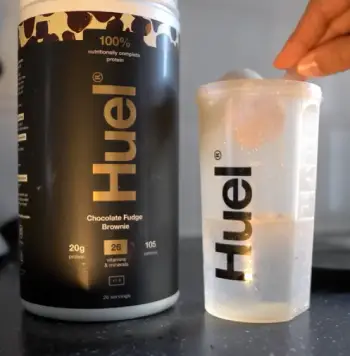
- Complete Nutrition Setup: It covers 27 vitamins and minerals, often at higher percentages than Rootana.
The protein blend from peas, rice, and oats keeps me full, especially in the Black Edition with 40g per serving.
- Variety of Products: Beyond powder, there’s ready-to-drink bottles, bars, and even hot meals.
I grab the RTD for travel – no mess, just sip.
Flavor Range: From classic Vanilla to exotic like Salted Caramel or Banana, there’s something for moods.
Though some taste a bit synthetic, blending helps.
- High Protein Emphasis: Perfect for my gym routine; it supports recovery without needing extra supplements.
The fiber and fats balance it out for sustained energy.
- Community and Support: Huel has a huge following, with recipes and forums.
I’ve picked up tips there, like adding fruits for better texture.
In my experience, Huel shines when I need reliability. It’s engineered for busy folks, and the nutritional punch means I don’t worry about missing meals.
Pros Of Huel
Huel’s strengths have kept it in my pantry for good reason. It’s reliable and adaptable.
- Filling and Satisfying: The combo of protein and fiber means I stay full for hours. Great for weight management without feeling deprived.
- Wide Product Line: Powders, bars, RTD – I can switch based on the day. The bars are a lifesaver for snacks.
- Nutritional Completeness: Higher doses of some nutrients, like B vitamins, which help with my energy levels during long days.
- Affordable Long-Term: Subscriptions bring the price down, and bulk buys save money. I’ve found it cost-effective over time.
- Community Backing: Lots of user stories and tweaks make it fun to explore. I’ve discovered new recipes that keep things fresh.
Huel’s pros make it a staple for anyone needing consistency in their diet.
Cons Of Huel
Despite its popularity, Huel has some pitfalls I’ve encountered.
- Artificial Sweeteners in Some Versions: Sucralose can leave an odd aftertaste for me, though the Black Edition avoids it.
- Potential Bloating: Early on, the fiber load caused gas until my body adjusted. Not everyone tolerates it well.
- Overly Processed Feel: Some ingredients feel lab-made, which contrasts with more natural options.
- Flavor Inconsistency: A few tastes fall flat; Berry was too tangy for my liking.
- Prop 65 Warning: This pops up due to trace elements, which worries some, though it’s common in plant-based products.
These issues are manageable, but they might sway you toward alternatives.
My Experience With Taste And Texture

Taste is subjective, but let’s talk real. With Rootana, the Original flavor reminds me of a warm bowl of oats on a chilly morning – comforting and not overpowering.
I add cinnamon sometimes for extra zing. The Dark Chocolate is my favorite; it’s like a healthy dessert without guilt.
Texture-wise, it’s thick and meal-like, which satisfies but might need more water if you like it lighter.
Huel’s Vanilla is reliable, like a classic milkshake, but I’ve noticed a slight chemical note in non-Black versions.
The Black Edition Chocolate is better, richer without the fake edge.
It’s smoother overall, blending effortlessly, but can foam up if shaken too hard.
I’ve tried both plain and fancied up – berries in Huel make it pop, while Rootana pairs well with nuts for crunch.
In blind tests I’d do with friends, Rootana often wins for naturalness, but Huel for fullness. It’s about what your palate craves.
Nutritional Breakdown
Let’s get into the numbers, as I’ve tracked them for my own health goals.
Rootana’s 400 calories break down to about 42% carbs from complex sources, keeping my energy even. The 20g protein supports recovery without overload, and 14g fats include omegas for brain health.
Fiber at 7-9g aids gut stuff, and the vitamins cover basics like calcium and zinc.
Huel matches calories but amps protein to 30g or more, which is great post-gym.
Carbs are similar, but some come from tapioca, potentially quicker energy.
Fats are balanced, and fiber helps satiety. It edges out on some minerals, like more potassium for blood pressure.
From my logs, both prevent nutrient gaps, but Rootana feels gentler on digestion, while Huel fuels intense days better.
If you’re counting macros, Huel might suit bulking, Rootana for maintenance.
How They Fit Into Weight Management
I’ve used both for weight control, and results vary. Rootana’s natural fibers make me feel full longer, curbing snacks.
I’ve dropped a few pounds swapping lunch for it, thanks to low GI carbs avoiding crashes.
Huel’s higher protein aids muscle preservation during cuts, and studies I recall show meal replacements like it help with calorie control
. But if artificial stuff bothers you, it might not sit well. I track with an app, and both keep me under daily limits easily.
Neither is a diet miracle, but incorporated right, they’ve helped me stay consistent without boredom.
Sustainability And Ethical Considerations
As someone mindful of the planet, I look at sourcing.
Rootana’s minimal processing and farm-fresh ingredients mean lower carbon footprint.
No GMOs, and vegan status aligns with ethical eating.
Huel pushes sustainability too, with plant-based everything and waste reduction.
Their packaging is recyclable, and they’ve got transparency reports.
I’ve felt good using both, but Rootana’s “real food” ethos edges it for purists.
Mixing And Preparation Tips From My Kitchen
Preparation is key for enjoyment. For Rootana, I use 500ml water or plant milk, shake vigorously for 30 seconds – it dissolves well but benefits from a blender for creaminess.
Huel mixes smoother; 400-500ml liquid, and it’s ready. I chill the water for better taste.
Pro tip: Add ice or frozen fruit to either for a smoothie upgrade. I’ve messed up ratios before, leading to lumps, so measure accurately.
Long-Term Use
After months with each, sustainability matters.
Rootana keeps me excited with its clean feel; no fatigue from flavors.
Huel’s variety prevents monotony, but I rotate to avoid sweetener buildup.
Health-wise, my energy’s stable, digestion improved, and blood work shows no deficiencies. Listen to your body – if one causes issues, switch.
Also Read: Is Manna Liposomal Curcumin Worth It?
Frequently Asked Questions (FAQ)
Rootana offers a natural alternative without artificial sweeteners, but it depends on your priorities like protein needs.
Many praise its complete vegan nutrition and convenience, though some note concerns over processed ingredients.
Potential bloating, artificial aftertaste, and higher processing levels can be drawbacks for some users.
It’s due to trace heavy metals like lead from natural ingredients such as oats, common in plant-based products.
Wrapping It Up
Looking back on my journey with Rootana and Huel, I’ve appreciated both for different reasons.
Rootana’s natural simplicity has become my daily companion when I crave something clean and real, while Huel’s robust nutrition powers through my tougher days.
You might find Rootana suits if you’re avoiding synthetics, or Huel if variety and protein are key.
Give one a try – your body will tell you what works. Whichever you pick, it’s about making healthy choices easier in our hectic lives.
Recent Posts
● Interactive 5-Zone Interior & Exterior Paint Blueprint Paint Coverage Calculator: Gallons, Primer, Square Footage & Cost Tap any architectural surface zone on the blueprint...
If you want smooth, shiny hair without spending a fortune on a premium styling tool, the Ella Bella hair dryer may be worth considering.In these Ella Bella hair dryer reviews, I’ll look...