
I set out to compare the Rorra Countertop System and the Boroux Legacy Water Filter System so you can decide which gravity-fed stainless steel option better matches your kitchen habits, budget, and water concerns.
After living with both, tracking fill times, taste, maintenance, and real daily use, I want to give you a clear, practical side-by-side that cuts through marketing noise and helps you pick the one that actually fits your life.
| Feature | Rorra Countertop System | Boroux Legacy |
| Capacity | 2.5 gallons total (about 1.5 filtered) | 3 gallons |
| Filtration tech | Dual-layer electrokinetic nanofiber (Enfinity) | Activated carbon Foundation filters |
| Filter lifespan | 200 gallons or about 90 days | Up to 12,000 gallons per pair (roughly 1 year typical use) |
| Filtration speed | Faster, roughly 2 gallons per hour | Standard gravity pace, slower as levels drop |
| Material | 316L medical-grade stainless steel | Stainless steel (polished or matte options) |
| Smart features | LED indicators for filter life and water level | Optional sight glass, no electronics |
| Certifications & testing | Third-party testing to NSF/ANSI standards for many contaminants | WQA certified to NSF/ANSI 42, 401, 372; extensive independent tests |
| Approx. starting price | $449–$549 | $300–$419 |
| Ongoing filter cost | Higher (frequent replacements) | Lower long-term |
| Best for | Speed, modern look, convenience alerts | Capacity, value over years, proven testing depth |
Key Differences Between Rorra And Boroux
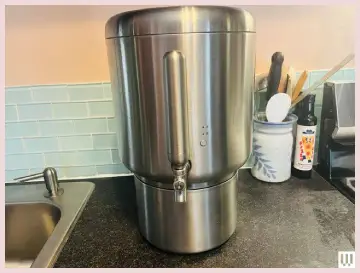
- Filtration approach and media: Rorra relies on charged nanofibers that attract particles electrostatically while carbon handles organics.
Boroux uses dense activated carbon blocks that trap contaminants through adsorption and physical filtration.
I noticed Rorra’s method feels quicker on the first pours while Boroux’s media keeps performing steadily deep into its life cycle.
- Capacity and daily volume: Boroux’s larger lower chamber gives you more ready-to-drink water at once.
Rorra’s split design means you refill the upper chamber more often if your household drinks a lot or you cook with filtered water.
For a family of four I found Boroux required fewer top-ups during busy mornings.
- Speed versus longevity: Rorra moves water through the system noticeably faster.
Boroux trades that speed for filters that last many times longer so the ongoing cost drops dramatically after the first year.
- Smart alerts versus simplicity: Rorra’s battery-powered lights tell you when water is low or the filter is near its end.
Boroux stays completely passive and mechanical.
I appreciated the reminders on Rorra during the first weeks then found myself ignoring them once I settled into a refill routine with Boroux.
- Design language and footprint: Rorra has a more modern capsule-like silhouette with a utilitarian industrial edge.
Boroux looks more classic and polished.
Both take solid counter space yet Boroux stands taller and can feel bulkier when you lift a full upper chamber.
- Testing transparency and certifications: Boroux carries formal WQA certifications for several NSF standards and publishes long-term independent results.
Rorra publishes third-party lab data for a wide range of contaminants but does not hold the same formal performance certifications in every category.
That difference shaped how much I trusted each system for the toughest claims.
Key Features Of The Rorra Countertop System
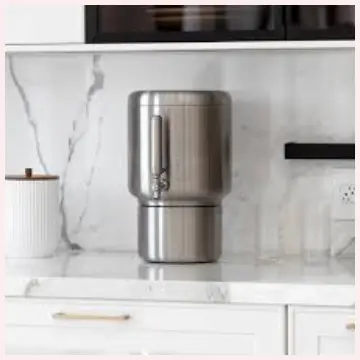
- Electrokinetic nanofiber media: This dual-layer design targets PFAS, lead, microplastics, chlorine, and more than fifty other substances.
In daily use the water tasted cleaner and freer of the usual municipal chlorine bite within the first few fills.
- Built-in performance indicator system: The battery-powered lights shift color or blink to signal filter status and water level.
I no longer had to guess when the upper chamber needed a top-up or when the cartridge was approaching its two-hundred-gallon limit.
- 316L stainless steel chambers: Only the filter end caps and a few seals use plastic.
The rest of the water path stays metal which felt reassuring after years of plastic pitchers.
- Gravity-fed design with simple setup: The system needs no plumbing or electricity beyond the tiny battery pack.
Setup took under thirty minutes once I washed the parts and locked the filter in place.
- Compact height that fits most cabinets: At roughly seventeen inches tall it sits more comfortably than taller classic systems when counter space is limited.
- Subscription option for automatic filters: This delivers a new cartridge every ninety days.
It is convenient if you prefer set-and-forget maintenance though the annual cost rises quickly compared with longer-life alternatives.
Pros Of The Rorra Countertop System
- Noticeably faster filtration: This suits busy mornings well. I could pour a full upper chamber and have usable water in the lower chamber in roughly half the time of traditional gravity units which matters when kids are asking for drinks or you need water for cooking right away.
- Helpful visual alerts: These reduce mental load. The LED system prevented the empty-when-I-need-it-most moments and after a few weeks I still checked the lights out of habit even though I had learned the refill rhythm.
- Modern appearance: It blends with contemporary kitchens. Guests often asked about it rather than assuming it was just another bulky filter and the matte or polished options let it disappear into the background or become a subtle design element.
- Minimal plastic in the water path: This matters for anyone concerned about microplastics. The 316L steel chambers felt like a genuine upgrade over plastic pitchers.
- Straightforward initial setup: There is no messy priming required. The filter locks in with a simple twist and a light wetting of the gasket so first-time users will appreciate the clear instructions and short learning curve.
- Strong reduction of taste and odor compounds: Chlorine and related byproducts dropped enough that the water tasted crisp and neutral making it easier to drink more throughout the day.
Cons Of The Rorra Countertop System
- Higher ongoing cost: Filters last only about ninety days or two hundred gallons. Over two or three years the replacement expense adds up far faster than systems with multi-thousand-gallon ratings and subscription convenience comes at a real price.
- Smaller ready-to-drink volume: This forces more frequent refills. In a household that cooks and drinks heavily I found myself topping up the upper chamber two or three times a day so the total capacity looks decent on paper but the filtered portion is limited.
- Limited formal performance certifications: Third-party data exists and looks solid for many contaminants. Yet the absence of broader NSF performance seals left a small gap in my confidence for the most aggressive claims.
- Battery dependency for the indicators: The lights are useful but the batteries eventually need changing. It is a minor inconvenience that pure mechanical systems never face.
- Spigot design that requires holding open: Dispensing is splash-free and controlled. Yet it is less convenient than a simple lever you can leave open while you fill a large pitcher.
More packaging waste over time: Filter life measured in months rather than years means frequent cartridge changes. Even with a subscription this creates more cardboard and plastic waste than a long-life alternative.
Key Features Of The Boroux Legacy System
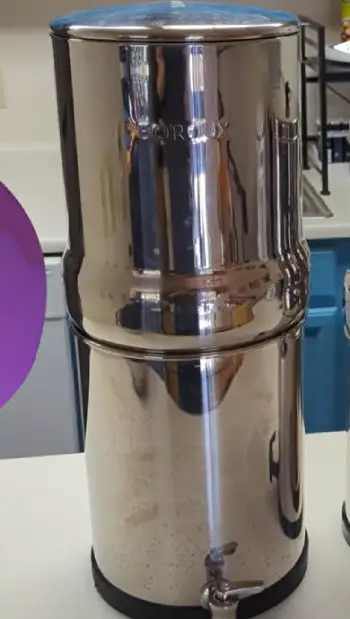
- Foundation activated carbon filters: These reduce PFAS, heavy metals, chlorine, pesticides, and dozens of other contaminants.
Independent tests show strong performance even late in the filter life and my own chlorine reduction stayed above ninety-five percent across months of use.
- Large three-gallon capacity: The system holds room for two or four filters.
Adding the extra pair doubles the flow rate when you need faster production and the bigger lower chamber meant I could fill kettles coffee makers and water bottles without constant refilling.
- Stainless steel construction with finish options: The exterior stays attractive and resists fingerprints better than expected.
The spigot is metal and ceramic rather than plastic eliminating a common leak point I had seen on older systems.
- WQA certifications and published testing data: Formal recognition for particulate microplastic and lead-free manufacturing standards gave me more confidence than marketing claims alone.
- Extremely long filter life: The filters are measured in thousands of gallons.
After more than a year of regular household use the original pair still performed well and replacement cost per gallon becomes one of the lowest among gravity systems.
- Completely passive operation: Once primed and installed the system just works. There is nothing to recalibrate no lights to interpret and no power source to maintain.
Pros Of The Boroux Legacy System
- Outstanding long-term value: Once the filters are installed the cost per gallon drops dramatically after the first year. I calculated that even at the higher end of recommended replacement intervals the ongoing expense stayed far below pitcher filters or short-life systems.
- Generous capacity that supports cooking: Multiple drinkers benefit as well. Filling the upper chamber once in the morning often lasted through afternoon coffee dinner prep and evening water bottles and the ability to add two extra filters for faster flow is a practical bonus.
- Extensive independent testing: Formal WQA certifications support the claims. Knowing the system had been evaluated for particulate microplastic and emerging contaminant reduction across its lifespan gave me peace of mind that marketing claims alone could not.
- Attractive durable stainless steel build: It ages well. After months of daily use the exterior still looked intentional rather than utilitarian and the metal spigot eliminated the plastic taste and leak issues I had experienced with older designs.
- Completely passive operation: There are no batteries or electronics. Once set up the system simply works so there is nothing to recalibrate no lights to interpret and no power source to maintain.
- Proven performance against key contaminants: PFAS heavy metals and chlorine hold up over time. My own residual chlorine tests stayed consistent month after month matching the published long-term data.
Cons Of The Boroux Legacy System
- Larger physical footprint and height: This can crowd smaller kitchens. The three-gallon model stands nearly two feet tall and lifting a full upper chamber from the sink back to the counter requires care especially if counter space is already tight.
- Slower filtration speed: Newer nanofiber designs move water faster. Gravity does the work at a measured pace so if you empty the lower chamber and need water quickly you wait longer than with the Rorra.
- Initial setup and priming can feel tedious: The first time takes patience. Wetting and seating the filters is more involved than a twist-and-go cartridge system though later cleanings are simple.
- Higher upfront purchase price: It costs more than basic pitchers or some compact units. Although the long-term cost is low the initial outlay is noticeable yet HSA or FSA eligibility can soften that for some buyers.
- No built-in filter life or water level indicators: You rely on calendar reminders or visual inspection. After the first months this becomes second nature but new users may prefer electronic prompts.
- Fluoride reduction requires an optional add-on: The standard Foundation filters leave fluoride largely untouched. Anyone specifically targeting that contaminant needs to plan for the extra component.
Everyday Experience And Real User Considerations
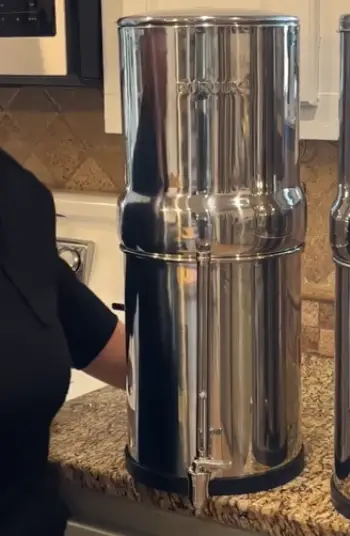
Living with both systems side by side for several weeks revealed patterns that specifications alone cannot capture.
Morning routines felt smoother with Rorra because the water arrived faster and the lights reminded me to refill before the lower chamber ran dry.
By mid-afternoon however I often preferred the Boroux simply because more water was already waiting.
Taste differences were subtle once both had run for a few days. Both removed the chlorine edge that makes plain tap water unappealing.
Boroux water retained a slightly fuller mineral character that I preferred for coffee while Rorra water felt cleaner and lighter.
Maintenance schedules diverged quickly. Rorra demanded a new filter every three months without fail if I wanted the indicators to stay green.
Boroux filters needed only occasional scrubbing and continued performing well past the one-year mark.
Cleaning the stainless chambers on both units took the same few minutes of warm water and mild soap.
Neither system developed odors or biofilms when I kept the lids closed and avoided leaving stagnant water for days.
Space and aesthetics mattered more than I expected. Rorra’s lower profile and modern lines suited a smaller kitchen island.
Boroux’s taller presence worked better in an open counter area where height was not an issue.
Both units are heavy when full so placement near the sink reduces the carrying distance.
Cost calculations over three years tipped clearly toward Boroux for most households. Even if you replace the Foundation filters more often than the manufacturer suggests the total outlay stays lower.
Rorra’s convenience and speed come at a premium that only makes sense if you value the alerts and faster flow enough to absorb the higher annual filter expense.
Also Read: Comparison Of 4patriots Water Filter And Berkey
Frequently Asked Questions (FAQ)
Yes. It is a real company offering a stainless steel gravity system with published third-party test data and clear product specifications.
There is no single No. 1 brand. Preference depends on capacity needs budget certification priorities and desired features.
They perform similarly on many contaminants and share technology roots with Boroux adding formal certifications and design refinements that address earlier limitations.
Yes. Independent testing WQA certifications and long filter life support their quality claims for typical household contaminants.
Final Thoughts
I started this comparison wanting one clear winner yet the choice depends on what you value most in daily use.
If speed modern alerts and a lower profile matter more than long-term cost Rorra delivers a polished experience that feels current and convenient.
If you prefer larger capacity proven multi-year filter life deeper formal testing and lower ongoing expense Boroux is the stronger long-term partner for your counter.
You now have the practical differences the lived experience and the cost realities in one place.
Measure your counter space estimate your daily water volume and decide which set of trade-offs fits your kitchen and your priorities.
Either system will give you better-tasting lower-contaminant water than untreated tap and both keep plastic out of the main water path.
The right pick is the one you will actually keep using every day.
Recent Posts
● Interactive 5-Zone Interior & Exterior Paint Blueprint Paint Coverage Calculator: Gallons, Primer, Square Footage & Cost Tap any architectural surface zone on the blueprint...
If you want smooth, shiny hair without spending a fortune on a premium styling tool, the Ella Bella hair dryer may be worth considering.In these Ella Bella hair dryer reviews, I’ll look...