
I spent weeks hauling both the RTIC Ultra-Tough Tote and the Yeti Camino Carryall through beach runs. Grocery trips.
Camping weekends. Messy backyard days. My goal here is simple. Share what actually works in daily life.
You can decide which bag fits your needs. Avoid wasting money. Avoid ending up frustrated.
Both promise toughness. Both promise weather resistance. They feel different once you load them up.
| Feature | RTIC Ultra-Tough Tote (Large 40L) | Yeti Camino Carryall (35L) |
| Capacity | 40L | 35L |
| Empty Weight | 3.1 lbs | About 3.1–3.3 lbs |
| Price Range | Around $75 | Around $150–160 |
| Material | Waterproof puncture-resistant fabric with EVA molded bottom | ThickSkin waterproof shell with EVA molded bottom |
| Structure | Softer collapses more easily | More rigid stands upright reliably |
| Organization | Basic open space exterior interior pockets | Deployable dividers two interior zippered pockets |
| Carry Options | Long shoulder straps | Shoulder straps plus CrossBar handles |
| Cleaning | Hose it down | Hose it down |
| Best For | Budget max space easy storage | Structure organization premium feel |
My Experience With Both Bags In Real Life
I grabbed the RTIC first. The lower price tag felt easier to accept right away. The large version held a surprising volume on every outing.
Beach towels packed without force. Snacks packed without force. Full changes of clothes packed without force.
Noticeable room still remained after loading. Empty state allowed full collapse. Closet corners accepted it quickly. Trunk corners accepted it quickly. Storage stress dropped fast. The Yeti arrived later after repeated praise for upright stance.
That rigid form mattered on soft sand surfaces. That rigid form mattered on shifting boat decks loaded with gear.
Water rolled off both bags completely. Dirt stayed outside both bags completely. Carry comfort shifted with each design.
Organization speed shifted with each design. Long shoulder walks favored the lighter RTIC feel.
Bumpy vehicle rides favored the steadier Yeti hold. Daily messes revealed clear practical gaps between them.
Weekend loads revealed clear practical gaps between them.
Key Differences Between The RTIC Tote And Yeti Camino
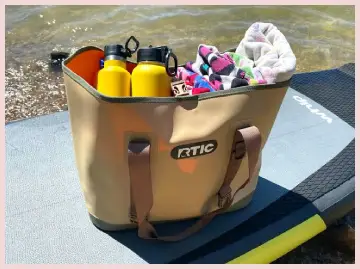
- Price and value: The RTIC costs roughly half the Yeti amount.
That difference appears on every receipt.
Savings build quickly for regular users.
Quality gear stays reachable on limited budgets. Daily use feels less stressful with lower spend.
- Structure and how they stand: The Yeti keeps its shape even when empty. Molded bottom supports this.
Thicker shell supports this. The RTIC softens more under light loads.
It can lean until filled properly. Uneven ground favors the Yeti for steady placement.
- Capacity and usable space: RTIC large size adds clear extra room. Bulky towels pack with less effort. Group gear fits more freely.
Yeti interior feels more planned. Dividers shape the available space once deployed.
- Organization features: Yeti deployable dividers hold bottles steady. Wet items stay apart from dry items.
RTIC layout stays more open overall. Users build their own system. Simple tossing works for quick trips.
- Weight and packability: Both start near three pounds empty. RTIC flattens more for packing.
Travel storage gains flexibility. Closet corners accept it easily. Yeti keeps more bulk even when empty.
These differences appear right after leaving home. RTIC felt lighter during long loaded walks. Yeti held contents steadier on rough car rides.
Key Features Of The RTIC Ultra-Tough Tote
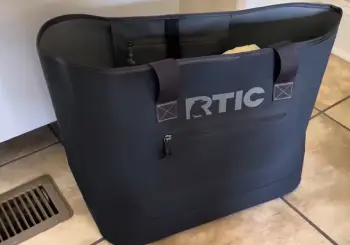
- Waterproof and puncture-resistant material: Fabric blocks rain from entering. Spills stay outside the main space.
Wet towels went inside without issue.
Muddy shoes went inside without issue. Seams stayed strong after many uses. Outdoor mess never soaked through.
- EVA molded bottom: Base keeps water fully outside.
Bag sits upright once packed. Rough ground stays away from contents.
Sand contact causes no leaks. Deck contact causes no leaks.
- Generous opening and capacity: Wide mouth speeds loading.
Wide mouth speeds unloading.
Forty liters takes a full day of gear. Two people pack without forced folding.
Extra space reduces packing stress.
- Long shoulder straps: Straps rest well across the shoulder.
Full loads create only light strain.
Hour-long beach walks stayed comfortable. Weight distribution felt even throughout.
- Easy cleaning and storage: Hose rinse clears sand fast.
Sticky spots wipe away fast. Empty bag collapses flat.
Shelf space stays free. Trunk space stays free after trips.
These features suit everyday messes well. Farmers market runs worked smoothly. Produce bags fit. Ice packs fit. Bottles fit without struggle.
Pros Of The RTIC Ultra-Tough Tote
- Lower cost without sacrificing toughness: Waterproof strength arrives intact. Durability arrives intact. Wallet impact stays much smaller. Quality options open for more users. Daily ownership feels lighter financially.
- More usable space in the large size: Extra liters support group needs. Longer outings gain packing room. Towels fit more freely. Snacks fit more freely than expected. Bulk items cause less compression.
- Lightweight feel when carried: Full loads still felt manageable. Long walks caused less fatigue. Stiffer designs created more shoulder pressure. Comfort lasted through extended carries.
- Collapses for storage: Flat form frees closet room. Flat form frees car room. Post-trip storage became quick. Small shelves accepted it without force.
- Simple cleaning process: Hose removes sand completely. Wipe restores clean look. Ready state returns in minutes. Residue never stayed behind after rinses.
- Quick packing for spontaneous trips: Open layout allows fast loading. Items drop in without sorting delay. Last-minute beach runs stayed stress free. Gear reached the destination ready.
- Strong performance in wet conditions: Rain never entered the main compartment. Puddle contact left contents dry. Boat spray caused no internal dampness. Reliability held across damp environments.
Cons Of The RTIC Ultra-Tough Tote
- Less rigid structure: Empty state shows some leaning. Light loads show some folding. Soft sand needed occasional propping. Stability requires more content weight.
- Fewer built-in organization tools: Deployable dividers are absent. Personal systems become necessary. Bottles tip more easily. Movement shifts contents around freely.
- Softer overall appearance and feel: Look stays casual overall. Feel stays casual overall. Structured looks appeal more to some users. Premium presence feels lower.
- Limited exterior attachment points: Clip spots remain fewer. Extra gear attaches with less ease. Grid systems on other bags offer more options.
- Contents can shift during transit: Open space allows movement inside. Bumpy roads mix items more freely. Separation requires extra effort. Order takes more attention.
Less polished long-term look: Surface shows casual wear faster. High use leaves more visible marks. Premium bags retain newer appearance longer.
Key Features Of The Yeti Camino Carryall
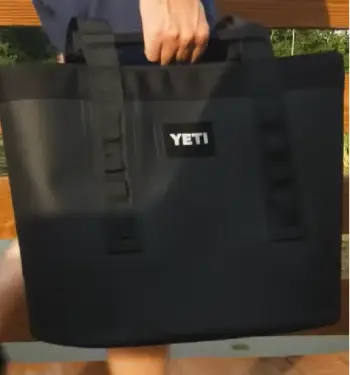
- ThickSkin waterproof shell: Material blocks punctures effectively. Moisture stays fully outside.
Sharp hooks caused no tears. Keys caused no tears in testing.
Outdoor abrasion left little mark.
- Deployable dividers: Dividers form bottle holders quickly.
Separate zones appear for gear. They fold away for one large space.
Drinks stayed upright during moves. Dry clothes stayed dry during moves.
- EVA molded bottom and upright stance: Bag stands alone empty. Bag stands alone full. Collapsed piles never formed on ground.
Access stayed simple on any surface.
- Interior zippered pockets and HitchPoint grid: Small items lock in place.
Extra pieces clip on as needed. Phone stayed secure. Keys stayed secure without shifting around.
- Multiple carry options: Shoulder straps handle longer distances. CrossBar handles suit short lifts.
Balance felt solid either way. Load control stayed high throughout use.
Camino design favors ordered packing. Camping weekends showed clear benefits. Snacks stayed sorted.
Bottles stayed sorted. Wet gear stayed isolated.
Pros Of The Yeti Camino Carryall
- Excellent structure and upright stance: Bag holds position on every surface. Boat deck tests showed zero tipping. Sand placement stayed secure. Access remained easy without holding it up.
- Thoughtful organization with dividers and pockets: Items gain clear spots. Wet gear stays fully separate. Dry gear stays fully separate. Extra bags became less needed. Packing speed increased.
- Premium materials and construction: Shell supports years of heavy work. Seams support years of heavy work. Months of use left it looking fresh. Wear signs stayed minimal.
- Versatile carry options: Handles adapt to short moves. Straps adapt to longer moves. Balance stayed consistent. Control stayed high with varied loads.
- Easy to clean and maintain: Hose method clears dirt fully. Salt rinses away fully. Clean state returns fast. Maintenance stays simple after each outing.
- Reliable upright access on uneven ground: Bag stays open and stable. Gear retrieval needs no extra hand. Soft surfaces still support full access. Convenience rises in field conditions.
- Secure hold for bottles and gear: Dividers lock items in place. Movement rarely disrupts arrangement. Drinks stay upright through travel. Organization survives rough handling.
Cons Of The Yeti Camino Carryall
- Higher price: Cost reaches nearly double RTIC levels. Capacity stays similar overall. Extra spend needs justification. Structure provides that for some. Organization provides that for some.
- Slightly less capacity in common sizes: Thirty-five liters holds a bit less. Bulk items need tighter packing. Extra space feels tighter than RTIC large.
- Does not collapse as easily: Storage needs more room. Small living spaces show the bulk. Packed cars show the bulk. Flat storage options stay limited.
- Heavier feel when empty for some users: Rigid build adds noticeable substance. Short carries register the weight more. Empty transport feels less light.
- Premium cost limits impulse buys: Higher price slows casual purchases. Budget users may hesitate longer. Value calculation takes more time.
- Bulk remains even when empty: Rigid form resists full flattening. Storage corners fill faster. Travel packing loses some flexibility.
How They Perform In Different Situations?

Beach days favor RTIC clearly. Space helps packing. Cleaning stays fast. Sand rinsed off completely.
Carry felt lighter over hot ground. Camping favors Yeti more. Boating favors Yeti more. Dividers sorted gear well.
Upright stance held on uneven decks. Grocery runs suited both designs. Yeti structure made unloading neater.
Long travel highlighted RTIC strengths. Packing into bins needed less force. Overhead space accepted it readily.
Ice retention stays secondary here. Neither bag works as a full cooler. Cold packs last several hours.
Tight packing extends that time. Durability matched under hard use. Concrete drops occurred.
Truck bed packing occurred. Gravel contact occurred. Major wear stayed absent after repeats.
Who Should Choose Which Bag?
Budget leads the choice. Maximum space leads the choice. RTIC Ultra-Tough Tote fits best then. Real mess gets handled fully.
Premium cost stays avoided. Structure leads the choice. Organization leads the choice. Refined feel leads the choice.
Yeti Camino fits best then. Existing Yeti owners often prefer the match. Casual users seek one solid tote. Mixed activities suit them well. RTIC usually satisfies those needs.
Also Read: Is Veto Pro Pac Tech Worth It?
Frequently Asked Questions (FAQ)
Yes. Both use waterproof materials. Both use molded bottoms. Both work as tough daily totes. RTIC stays softer overall. RTIC stays less organized overall.
Daily use shows close performance. Half price still delivers solid results. Yeti leads in structure. Yeti leads in lasting premium feel.
Settlement arrived in 2017. RTIC paid the amount. RTIC redesigned the products. Full trial win never occurred.
Value gets strong praise. Space gets strong praise. Toughness gets strong praise. Lower structure gets noted versus costlier bags.
Final Thoughts
Seasons of use revealed clear strengths. RTIC Ultra-Tough Tote brings real toughness. Capacity arrives without high cost.
Everyday chaos calls for it often. Yeti Camino brings structure. Organization keeps trips clean.
Choice follows personal needs. Savings matter to some. Space matter to some. Stability matters to others.
Order matters to others. Either bag handles water well. Dirt gets handled well. Heavy loads get handled better than basic totes.
Match priorities to the listed differences. Suitable gear for your trips follows directly.
Recent Posts
● Interactive 5-Zone Interior & Exterior Paint Blueprint Paint Coverage Calculator: Gallons, Primer, Square Footage & Cost Tap any architectural surface zone on the blueprint...
If you want smooth, shiny hair without spending a fortune on a premium styling tool, the Ella Bella hair dryer may be worth considering.In these Ella Bella hair dryer reviews, I’ll look...