
If you’re thinking about giving your worn-out concrete floor a fresh, durable finish without paying for professional installation, I believe Rust-Oleum EpoxyShield deserves a place on your shortlist.
I decided to try it after comparing several garage floor coatings, and it turned out to be one of the best DIY improvements I’ve completed.
While it isn’t perfect, it offers impressive durability, an attractive finish, and excellent value for money when applied correctly.
My First Experience With Rust-Oleum EpoxyShield
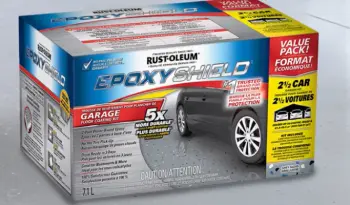
When I first started looking for a garage floor coating, I wanted something that would completely transform the appearance of my old concrete floor while standing up to vehicle traffic, spilled oil, dirt, and everyday wear.
After reading countless Rust-Oleum EpoxyShield reviews, I finally decided to purchase the kit and tackle the project myself.
The preparation stage took considerably longer than I expected. Cleaning the concrete thoroughly became the most important part of the entire process.
I spent hours removing stains, sweeping dust, degreasing the floor, and using the included etching solution.
At first, I wondered if all this effort was necessary, but once I saw the finished result, I realized proper preparation makes all the difference.
Mixing the epoxy components was straightforward because the instructions were easy to follow. I appreciated that everything needed for the coating process came inside the kit except for common painting tools like rollers and extension poles.
Applying the epoxy felt surprisingly smooth. The coating spread evenly without creating excessive roller marks. I worked section by section, making sure not to paint myself into a corner.
The decorative color flakes added an attractive professional appearance that immediately made the garage feel cleaner and more modern.
The waiting period required patience. Although the floor looked dry fairly quickly, I resisted walking or driving on it until the recommended curing time had passed.
That patience paid off because the final finish hardened beautifully.
Several months after installation, I’m still impressed. My garage experiences daily foot traffic, regular vehicle parking, dropped tools, and occasional oil drips.
Cleaning has become much easier because dirt doesn’t cling to the smooth surface like it did with bare concrete.
The coating hasn’t peeled, blistered, or faded, although I have noticed a few light scratches where I dragged heavy metal equipment across the floor. Thankfully, these marks are barely noticeable unless you’re specifically looking for them.
Would I use Rust-Oleum EpoxyShield again? Absolutely. However, I’d emphasize one lesson above everything else: never rush the preparation process.
The quality of your finished floor depends far more on the preparation than the actual painting.
What Is Rust-Oleum EpoxyShield?
Rust-Oleum EpoxyShield is a two-part epoxy floor coating specifically designed for concrete surfaces. Unlike ordinary floor paint, this system chemically cures into a much harder protective layer that bonds with properly prepared concrete.
I found it especially suitable for garages, workshops, basements, utility rooms, storage areas, and other concrete spaces that experience moderate to heavy use.
One of the reasons I chose it over basic concrete paint was its reputation for resisting stains, chemicals, road salt, moisture, hot tire pickup, and abrasion.
After living with it for an extended period, I can confidently say that it performs much closer to a professional floor coating than standard paint.
Another feature I appreciated was the decorative flakes included in the package. They don’t simply improve appearance—they also help disguise minor imperfections in older concrete, making the finished floor look much more polished.
Installation doesn’t require professional equipment, making it an attractive option for homeowners who enjoy DIY projects.
With careful preparation and attention to detail, the finished surface can dramatically improve the appearance of an aging garage or workshop without requiring a complete concrete replacement.
Pros Of Rust-Oleum Epoxyshield
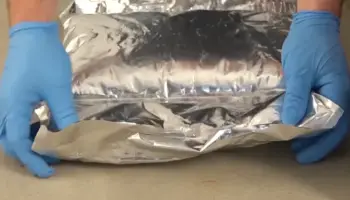
- It Completely Transformed the Appearance of My Garage
The first thing I noticed after the coating fully cured was how dramatically it changed the entire space. Before using Rust-Oleum EpoxyShield, my garage looked dull, dusty, and neglected.
The concrete had stains that refused to disappear, along with years of tire marks and small cracks that made the floor look much older than it really was.
Once the epoxy was applied, the garage felt like a brand-new room instead of just a place to park my car. The glossy finish reflected light beautifully, making the entire space appear brighter and larger.
Even friends who visited assumed I had hired professionals because the finished surface looked so polished.
If you’re someone who spends time working on vehicles, woodworking, or DIY projects, you’ll appreciate how much a cleaner-looking floor improves the overall workspace.
- The Finish Feels Tough and Durable
One reason I chose Rust-Oleum EpoxyShield was its reputation for durability, and it hasn’t disappointed me. After months of regular use, the coating continues to hold up well against everyday abuse.
I park my vehicle inside every day, move storage bins around, roll heavy toolboxes across the floor, and occasionally drop small tools.
While no floor coating is completely scratch-proof, this one has resisted damage far better than I expected.
Instead of showing obvious wear after a few weeks, the floor still maintains its smooth finish with only minor cosmetic marks in areas that receive the most abuse.
That durability gives me confidence that I won’t have to repaint the garage every couple of years.
- Cleaning Has Become Surprisingly Easy
Before coating the floor, cleaning felt like a never-ending battle. Dust settled into the concrete pores, oil stains soaked in quickly, and sweeping never seemed to remove everything.
Now, cleaning takes only a fraction of the time.
Dust stays on the surface rather than becoming embedded. Mud, dirt, leaves, and debris sweep away easily, while most spills wipe off using nothing more than a mop or soft cloth.
This alone has made maintaining my garage much less frustrating.
- It Offers Excellent Value for the Money
Professional garage floor coatings can cost several thousand dollars depending on the size of your garage.
Rust-Oleum EpoxyShield allowed me to achieve a similar visual transformation for a much smaller investment.
Of course, I invested my own time instead of paying for labor, but the savings were substantial. If you enjoy DIY projects, this product provides impressive results without stretching your budget.
Considering the durability, appearance, and ease of maintenance, I believe the overall value is one of its strongest selling points.
- The Decorative Flakes Make a Big Difference
At first, I assumed the decorative flakes were simply included for appearance.
After living with the finished floor, I’ve realized they offer practical benefits too.
They help disguise tiny scratches that naturally develop over time. They also reduce the visibility of dust and dirt between cleanings.
Most importantly, they create visual depth that makes the floor resemble a professionally installed coating instead of a basic painted surface.
I highly recommend applying the flakes evenly while the epoxy is still wet because they dramatically improve the final appearance.
- The Instructions Are Beginner-Friendly
I wouldn’t describe myself as a flooring expert.
Fortunately, the kit includes clear instructions that explain each stage of the process without overwhelming first-time users.
As long as you carefully read each step before beginning, the project feels manageable.
The mixing process is straightforward, the application method is simple, and there aren’t many specialized techniques involved.
That simplicity makes Rust-Oleum EpoxyShield accessible even if you’ve never applied an epoxy coating before.
- It Bonds Well to Properly Prepared Concrete
One concern I had before starting was whether the coating would peel after a few months.
Thankfully, that hasn’t happened.
Because I spent extra time cleaning and etching the concrete, the epoxy bonded exceptionally well to the surface.
This reinforced something I read repeatedly before buying it: preparation determines the final outcome.
When the concrete is properly cleaned, dry, and correctly etched, the coating develops a strong bond that resists peeling under normal conditions.
- Chemical Resistance Is Better Than I Expected
Garages experience all kinds of spills.
Motor oil, brake fluid, gasoline, grease, cleaning products, and road salt can quickly stain untreated concrete.
Since applying EpoxyShield, those spills have become much less stressful.
As long as I clean them within a reasonable amount of time, they usually wipe away without leaving permanent marks.
That protection helps preserve both the appearance and cleanliness of the floor.
Cons Of Rust-Oleum EpoxyShield
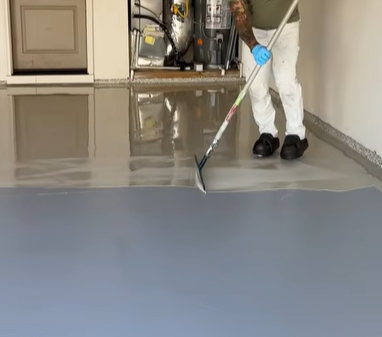
- Surface Preparation Takes More Time Than the Coating Itself
If I could give one warning before you buy Rust-Oleum EpoxyShield, it would be this: don’t underestimate the preparation work.
When I first opened the kit, I assumed applying the epoxy would be the hardest part.
Instead, cleaning, degreasing, repairing cracks, and etching the concrete consumed most of my weekend.
Every stain has to be removed as thoroughly as possible. Dust needs to disappear completely, and the floor must be allowed to dry before you even think about opening the epoxy components.
If you rush this stage, you increase the chances of peeling, bubbling, or poor adhesion later. The coating itself isn’t difficult to apply, but earning a professional-looking finish requires patience before the first roller touches the floor.
- Timing Matters Once You Mix the Epoxy
Another thing I learned quickly is that you can’t mix the product and then take long breaks.
Once the two parts are combined, the working time starts ticking. That means you need all your tools ready, your floor prepared, and your application plan in place.
I found it helpful to divide the garage into sections before mixing the epoxy. That way, I wasn’t wasting valuable time deciding where to roll next.
For larger garages, having another person helping with the application can make the process much smoother.
- Weather Can Affect the Final Result
Temperature and humidity have a noticeable impact on how the coating cures.
If it’s too cold, curing slows down. If it’s extremely hot, the epoxy can become more difficult to work with because it begins setting faster than expected.
I paid close attention to the recommended application conditions before starting, and I’m glad I did. Choosing the right weekend made the installation much less stressful.
Planning around the weather may seem inconvenient, but it helps produce a much stronger finish.
- Heavy Impacts Can Still Leave Marks
Although I consider the coating durable, I wouldn’t describe it as indestructible.
Dragging heavy steel equipment across the floor or dropping sharp tools from a significant height can leave scratches or chips.
I’ve accumulated a few small marks from moving large tool chests, but they aren’t obvious unless someone is closely inspecting the floor.
Using protective mats beneath particularly heavy equipment is a simple way to minimize this kind of wear.
- Moisture Problems Can Create Issues
Epoxy coatings and excessive moisture don’t mix well.
If your concrete has moisture coming up from beneath the slab, the coating may eventually blister or lose adhesion.
Before starting, I checked my garage floor for moisture because I wanted to avoid future surprises.
If your floor has ongoing moisture problems, it’s worth solving them first instead of expecting the epoxy to compensate.
Maintenance Tips For Rust-OleumEpoxyShield
- Clean Dirt Before It Builds Up
One habit I’ve developed is giving the floor a quick sweep every few days.
Dust, sand, and tiny stones may seem harmless, but over time they can act like sandpaper under vehicle tires and foot traffic.
Keeping loose debris off the surface helps preserve the glossy finish for much longer.
The good news is that sweeping now takes only a few minutes because dirt stays on the surface instead of settling into porous concrete.
- Wipe Up Spills Quickly
One of the reasons I installed EpoxyShield was to make cleaning easier.
While the coating resists many automotive fluids, I still don’t leave spills sitting on the floor for hours or days.
Oil, gasoline, antifreeze, brake fluid, and paint should be cleaned promptly using a soft cloth or mop.
Quick cleanup reduces the chance of discoloration and keeps the floor looking freshly coated.
I’ve found that making spill cleanup an immediate habit saves much more work later.
- Use Gentle Cleaning Products
When it’s time for a deeper clean, I avoid harsh chemicals whenever possible.
A bucket of warm water with a mild floor cleaner is usually all I need.
Strong acidic or highly abrasive cleaners can gradually dull the finish, especially if they’re used repeatedly.
Soft microfiber mops and gentle cleaning pads also help prevent unnecessary surface wear.
Simple cleaning routines have kept my floor looking consistently attractive without requiring expensive specialty products.
- Protect High-Traffic Areas
Certain parts of any garage naturally receive more wear than others.
The area where vehicle tires stop, workbenches sit, or heavy tools are stored experiences more pressure every day.
To reduce wear, I placed rubber mats beneath my workbench and under equipment that rarely moves.
These inexpensive additions provide extra protection while extending the appearance of the coating.
- Lift Heavy Equipment Instead of Dragging It
This lesson came after making one of my few mistakes.
I dragged a heavy metal cabinet across the floor instead of lifting it, and although the damage wasn’t severe, it created a visible scratch.
Since then, I always ask for help moving heavy equipment or use furniture dollies with soft wheels.
Taking an extra few minutes protects the finish you’ve already worked so hard to achieve.
- Inspect the Floor Periodically
Every month or so, I spend a few minutes looking over the floor.
I’m not searching for perfection—I’m simply checking for small chips, scratches, or worn spots before they become larger problems.
Catching minor damage early makes future touch-ups much easier.
Fortunately, my floor has required very little maintenance beyond regular cleaning.
- Avoid Metal Snow Shovels
If you live in an area where snow is common, be careful when bringing snow-covered vehicles into the garage.
Metal shovels can easily scratch epoxy surfaces.
Whenever I need to remove snow or slush from inside the garage, I use a plastic snow shovel or a rubber floor squeegee instead.
This small adjustment helps preserve the glossy coating through winter.
Comparison Of Rust-Oleum Epoxyshield With Other Brands
- Rust-Oleum EpoxyShield vs. Rust-Oleum RockSolid
Before buying my garage floor coating, I spent a lot of time comparing Rust-Oleum’s own product lineup.
The biggest competitor to EpoxyShield is RockSolid, and I can understand why many homeowners struggle to choose between them.
From my perspective, EpoxyShield is the better option if you’re looking for dependable performance without stretching your budget.
It delivers an attractive finish, excellent chemical resistance, and long-lasting protection at a more affordable price.
RockSolid, however, is positioned as a premium coating. It generally offers greater durability, stronger resistance to hot tire pickup, and a thicker finish.
If your garage experiences constant heavy use or you simply want the most robust coating available, RockSolid may justify the higher cost.
For an average residential garage, though, I feel EpoxyShield provides the best balance between price and performance.
- Rust-Oleum EpoxyShield vs. Quikrete Epoxy Garage Floor Coating
I also considered Quikrete before making my purchase.
Quikrete produces a solid garage floor coating that performs well under normal household conditions. Its application process is fairly straightforward, and many homeowners appreciate its durability.
Where I believe EpoxyShield stands out is in the overall finish. The surface looked glossier, the decorative flakes blended more naturally, and the completed floor appeared more refined.
I also found that EpoxyShield’s instructions were easier to follow, especially for someone attempting an epoxy floor coating for the first time.
- Rust-Oleum EpoxyShield vs. Kilz Concrete Floor Paint
Kilz is a familiar name in home improvement, particularly when it comes to paints and primers.
The biggest difference is that Kilz concrete floor paint isn’t the same type of protective coating as a true two-part epoxy system.
If your goal is simply changing the color of a basement or utility room with light foot traffic, Kilz can certainly be a practical solution.
However, for garages where vehicles, tools, chemicals, and daily activity are common, I would choose EpoxyShield every time. It forms a harder, more durable surface that holds up better over the long term.
- Rust-Oleum EpoxyShield vs. ArmorPoxy
ArmorPoxy is often recommended for commercial buildings, industrial workshops, and demanding environments.
Its products are known for exceptional durability, but they also come with a noticeably higher price tag and can require a more involved installation process.
Unless you’re coating a commercial workspace or expect extremely heavy equipment to be used regularly, I don’t think most homeowners need that level of performance.
EpoxyShield offers plenty of protection for a standard residential garage while remaining much more budget-friendly.
Is Rust-Oleum Epoxyshield Worth Buying?
After spending months using it, my answer is yes.
Rust-Oleum EpoxyShield successfully transformed my old, stained concrete into a clean, attractive, and much easier-to-maintain surface. It gave my garage a professional appearance without requiring a professional budget.
The installation does demand patience, especially during preparation, but the finished result makes that effort worthwhile.
If you’re expecting a quick paint-and-go project, this product may test your patience.
If you’re willing to invest the time to prepare the floor properly, you’ll likely end up with a finish that continues looking great for years.
For homeowners wanting a balance of affordability, durability, and appearance, I think Rust-Oleum EpoxyShield remains one of the strongest DIY garage floor coating options available.
Frequently Asked Questions (FAQ)
RockSolid offers higher durability and premium performance, while EpoxyShield provides better overall value for most homeowners. If your garage sees typical daily use, EpoxyShield is usually the more practical choice.
With proper surface preparation and regular maintenance, Rust-Oleum EpoxyShield can last around 5 to 10 years or even longer in residential garages.
The biggest drawbacks are the extensive surface preparation, curing time, sensitivity to moisture, and the possibility of scratches or peeling if applied incorrectly.
For maximum durability, polyaspartic and polyurea floor coatings generally outperform traditional epoxy coatings, especially in demanding environments.
Wrapping Up
After living with Rust-Oleum EpoxyShield, I can confidently say it was one of my favorite home improvement projects.
The coating made my garage cleaner, brighter, and much easier to maintain while standing up well to daily use.
Although preparation requires time and patience, the long-term results justify the effort.
If you’re looking for a durable garage floor coating that delivers excellent value without professional installation costs, I believe Rust-Oleum EpoxyShield is a smart investment.
Recent Posts
● Interactive 5-Zone Interior & Exterior Paint Blueprint Paint Coverage Calculator: Gallons, Primer, Square Footage & Cost Tap any architectural surface zone on the blueprint...
If you want smooth, shiny hair without spending a fortune on a premium styling tool, the Ella Bella hair dryer may be worth considering.In these Ella Bella hair dryer reviews, I’ll look...