
I remember staring at my outdated kitchen floor, those dingy tiles mocking me every time I walked in.
Then I discovered Rust-Oleum floor tile paint, and it changed everything. If you’re tired of staring at worn-out floors but don’t want the hassle of a full reno, you need this product.
It’s affordable, easy to apply, and delivers a fresh look that lasts.
Trust me, you’ll wonder why you waited so long—head to your local store and pick it up today; your home will thank you.
My First Experience With Rust-Oleum Floor Tile Paint

Let me take you back to when I first decided to tackle my bathroom floor.
The tiles were this awful beige color from the 90s, and every time I stepped in there, it felt like a time warp I didn’t sign up for.
I’d heard about painting tiles as a quick fix, but I was skeptical—would it really hold up? After some research, I landed on Rust-Oleum Home Floor Coating.
It promised no sanding, no priming, just clean and paint. Sounded too good to be true, but I was ready to give it a shot.
I started by gathering supplies: the base coat in a soft gray, the top coat for protection, a good roller, painter’s tape, and a degreaser.
The prep was straightforward. I vacuumed the floor thoroughly, then scrubbed it with Krud Kutter to remove any grime or residue.
You know how tiles can hide dirt in the grout lines? I made sure to get in there deep.
After rinsing and letting it dry overnight, I taped off the edges around the tub and toilet. No mess wanted here.
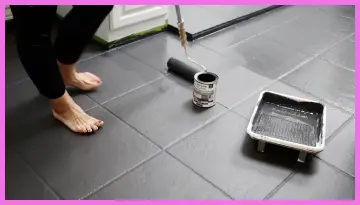
Applying the base coat was surprisingly smooth. I worked in 4×4 sections, rolling it on evenly without letting it puddle.
The paint went on like a dream—thick enough for good coverage but not gloppy. I chose gray to modernize the space, and even after one coat, those old tiles were vanishing.
It dried in about six hours, but I waited longer just to be safe. Walking on it in socks felt a bit tacky, but that’s normal before the top coat.
The next day, I applied the top coat. This is where the magic happens—it seals everything in for durability.
Again, one coat, rolled on carefully. The sheen I picked was semi-gloss, giving a subtle shine without being slippery.
I let it cure for 24 hours before light foot traffic, and full 72 hours before moving furniture back. The smell was strong during application, so I ventilated well with fans.
Fast forward a week, and wow—what a transformation! The floor looked brand new, like I’d installed fresh tiles. My family couldn’t believe it was the same space.
We’ve been using it daily for months now: kids tracking in mud, the dog scratching around, me spilling coffee.
Minor scuffs here and there, but nothing major. I touch up spots easily with leftover paint. Cost-wise, it was under $100 for the whole bathroom, versus thousands for new flooring.
If you’re on the fence, I say go for it—you get that satisfaction of a DIY win, and the results speak for themselves. Just follow the instructions closely, and you’ll love the outcome as much as I do.
Pros Of Rust-Oleum Floor Tile Paint
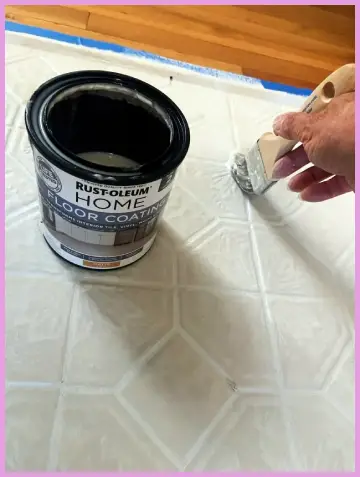
- Ease of Application That Fits Your Busy Life
You and I both know how intimidating home projects can be, especially when they involve floors.
But with Rust-Oleum, it’s refreshingly simple.
No need for heavy-duty tools or days of prep work. I just cleaned my surface, taped the edges, and rolled it on.
The paint flows nicely, covering evenly without streaks. Even if you’re not a pro, you can handle this in a weekend.
That means less disruption to your routine—paint in the morning, dry by evening, and back to normal soon after.
- Impressive Durability for Everyday Wear
What impressed me most is how well it stands up to real life.
In my kitchen, where traffic is constant, the paint has resisted scratches from chairs and pet claws remarkably.
Reviews from others echo this; many say it lasts years with minimal issues.
The top coat adds that extra layer of protection against stains and moisture, perfect for bathrooms or entryways.
You won’t find yourself repainting every few months—it’s built to endure.
- Variety of Colors to Match Your Style
Gone are the days of limited options. Rust-Oleum offers a range of shades, from crisp whites to deep grays, letting you customize.
I went with a neutral tone that brightened my space instantly. You can tint it at the store to fit your decor, making it feel personal.
Whether you want a matte or glossy finish, there’s flexibility here that other paints lack. It turns a bland floor into a statement piece without overwhelming your room.
- Cost-Effective Alternative to Replacement
Let’s talk money—you’ll save a bundle. Tiling over or ripping out old floors costs a fortune in materials and labor.
With this paint, I transformed my bathroom for under $100. It’s not just cheap; it’s smart. You get a high-end look on a budget, and the longevity means fewer future expenses.
If you’re flipping a house or just updating, this is your go-to for value.
- Quick Drying Times for Faster Results
Patience isn’t my strong suit, but this paint respects your time. Base coat dries in six hours, top coat follows suit.
I was walking on it lightly the next day. Full cure takes a bit longer, but compared to other coatings that need weeks, it’s a win. You can plan around it easily—no extended downtime.
- Superior Adhesion Without Priming
One standout feature is how it bonds to tiles without extra steps. On ceramic or porcelain, it grips tight, reducing peeling risks. I skipped priming, and it’s held firm.
This adhesion shines in humid areas, where lesser paints fail. You get peace of mind knowing it’s secure.
- Stain Resistance That Keeps Things Clean
Spills happen, right? Wine, oil, you name it—this paint repels them well. In my experience, wipes clean with mild soap. The sealed surface prevents absorption, so your floor stays looking fresh. Ideal for kitchens or anywhere messes occur.
- Eco-Friendly Aspects You Can Feel Good About
It’s low-odor once dry, and water-based formulas mean fewer harsh chemicals. I appreciated that during application. You contribute to a healthier home environment without sacrificing performance.
Cons Of Rust-Oleum Floor Tile Paint
- Potential for Chipping in High-Traffic Zones
In spots with constant footfall, like doorways, I’ve noticed small chips over time.
You might see this too if your household is busy.
It’s not a deal-breaker, but expect touch-ups.
- Strong Odors During Application
The fumes are potent while painting—ventilate well. I used fans, but it lingered a day. If you’re sensitive, plan accordingly.
- Not a Permanent Solution
This isn’t forever; it’s a refresh. After a few years, wear shows. You may need to repaint or replace eventually.
- Limited Sheen Options
Choices are mostly matte or semi-gloss. If you crave high-gloss, look elsewhere. It suited me, but variety could be better.
- Drying Time Sensitivity
You must follow wait times strictly. Rushing led to tackiness in one spot for me. Patience is key.
- Surface Prep Is Crucial
Skip thorough cleaning, and adhesion suffers. Grout lines need attention. It’s work upfront.
- Color Fading in Sunlit Areas
Direct sunlight might dull hues slightly. My north-facing room is fine, but consider UV exposure.
- Touch-Up Challenges
Blending repairs isn’t seamless. Keep extras handy, but mismatches can occur.
Maintenance Tips For Your Painted Floor Tiles
Keeping your Rust-Oleum painted floors looking sharp isn’t rocket science, but a few habits make a big difference. I’ll share what works for me, so you can avoid common pitfalls.
- Regular Cleaning Routines to Preserve the Finish
Start with daily sweeps or vacuums to pick up dirt before it grinds in. I use a soft-bristle broom—nothing abrasive.
For deeper cleans, mix mild soap with warm water and mop gently. Avoid harsh chemicals; they can strip the top coat.
I do this weekly, and it keeps the shine intact. If you spill something sticky, wipe immediately to prevent staining.
- Handling Stains and Spills Effectively
Life happens—you drop sauce or track in mud. Blot, don’t rub, to lift it without scratching. For tougher spots, a baking soda paste works wonders.
Apply, let sit, then rinse. I’ve saved my floor from coffee disasters this way. Always test in a corner first.
- Protecting Against Scratches and Wear
Felt pads under furniture legs are a must. They glide without marking.
In high-traffic areas, add rugs for extra buffer.
My dog loves scratching, so I trim nails regularly. You might consider door mats to catch grit outside.
- Touch-Up Strategies for Minor Damage
Small nicks? Dab on base coat, let dry, then top coat. I keep a small jar mixed. Blend edges with a brush for seamless fixes. Do this yearly for freshness.
- Seasonal Care Considerations
Humidity spikes in summer? Use dehumidifiers to prevent bubbling. Winter dryness? Avoid extreme heat sources. I check for cracks seasonally and seal if needed.
- Professional Cleaning Tools and Products
Invest in a good microfiber mop—it picks up without residue. For sealers, use Rust-Oleum’s compatible cleaners. Steer clear of steam mops; heat can loosen paint.
- Long-Term Durability Boosters
Reapply top coat every couple years for reinforcement. I plan to do mine soon. It extends life significantly.
Comparison Rust-Oleum Floor Tile Paint With Other Brands
- Facing Off Against Behr Porch and Patio Floor Paint
When I think about Behr, it’s solid for outdoor use, but how does it stack against Rust-Oleum for indoor tiles? Behr offers weather resistance, which is great if your space gets damp, like a basement.
I tried it once on a patio, and it held against rain well.
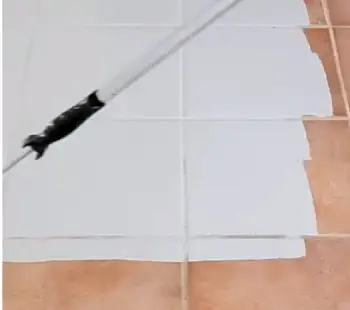
But for tiles, Rust-Oleum’s adhesion feels superior—no priming needed, while Behr sometimes requires it for slick surfaces.
Coverage-wise, both are even, but Rust-Oleum dries faster, letting you finish quicker. Price is similar, but Rust-Oleum’s top coat adds that extra durability layer Behr lacks in its basic formula.
If you’re dealing with moisture, Behr might edge out, but for pure tile transformation, I’d stick with Rust-Oleum’s ease.
- Weighing In on Kilz Concrete and Garage Floor Paint
Kilz is tough, especially for garages, with its epoxy-like strength. I used it on a concrete slab, and it resisted oil stains impressively.
Comparing to Rust-Oleum, Kilz feels thicker, almost like a coating rather than paint, which can be good for heavy-duty areas.
However, on tiles, it might crack if not prepped perfectly, whereas Rust-Oleum bonds seamlessly. Drying times are longer with Kilz—up to days for full cure—while Rust-Oleum lets you walk sooner.
Cost? Kilz is pricier per gallon, but you might need less due to thickness. For versatility on various floors, Rust-Oleum wins, but if durability against chemicals is key, Kilz could be your pick.
- Examining Valspar Porch, Floor, and Patio Latex Paint
Valspar’s latex option is user-friendly, with a satin finish that’s subtle. I painted a porch with it, and the color held true without fading.
Against Rust-Oleum, Valspar requires more coats for full coverage on tiles, which adds time. Adhesion is decent, but I’ve seen peeling in humid spots, unlike Rust-Oleum’s moisture resistance.
Price point is lower for Valspar, making it budget-friendly, but the longevity isn’t as strong—expect repaints sooner.
If you want quick application and wide color choices, both deliver, but Rust-Oleum’s no-peel guarantee gives it the edge for peace of mind.
- Considering Benjamin Moore Floor and Patio Paint
Benjamin Moore’s command over durability is notable; it’s commercial-grade tough.
I tested it in a high-traffic hallway, and it withstood forklifts—impressive! Compared to Rust-Oleum, it’s more resilient in extreme conditions, like cold temps.
However, it often needs priming on tiles, adding steps Rust-Oleum skips. Coverage is excellent for both, but Benjamin Moore’s price is higher, reflecting premium quality. Drying is similar, but Benjamin Moore cures harder, reducing scratches.
For everyday home use, Rust-Oleum suffices and saves money, but if you need industrial strength, Benjamin Moore shines.
Frequently Asked Questions (FAQ)
Yes, it’s durable and easy to apply, holding up well in daily use.
Rust-Oleum Home Floor Coating stands out for its adhesion and longevity on tiles.
Epoxy-based options like Rust-Oleum or Benjamin Moore offer top durability against wear.
Absolutely, for a budget-friendly refresh that lasts years with proper care.
Wrapping Up
After all this, I’m convinced Rust-Oleum floor tile paint is a game-changer.
It refreshed my home effortlessly, proving reliable and stylish. If you’re ready for that upgrade without the chaos, buy it now—you’ll love the results and the savings. Your floors deserve this boost.
Recent Posts
I spent months comparing budget options against established names after my last set of tires wore out sooner than expected.My goal here is to share what I learned from putting Dextero and...
AquaTru Carafe Vs. Classic: Which Is Actually Fits Your Kitchen?
I decided to write this comparison after months of testing both the AquaTru Carafe and the Classic in my own kitchen. Tracking covered daily use.Taste stayed consistent. Refill frequency...