
As I sit here breathing easy in my home office, I want to share my in-depth comparison of Sans and Blueair air purifiers.
My goal with this article is to break down these two options for anyone trying to improve their indoor air quality, whether you’re dealing with allergies, pet dander, or just everyday pollutants.
I’ll explore their features, strengths, and weaknesses to help you decide which one fits your life best.
| Aspect | Sans Air Purifier | Blueair Blue Pure 211i Max |
| Price | $369 | $350 |
| Coverage Area | Up to 1,854 sq ft in 1 hour | Up to 3,048 sq ft in 1 hour (but effective for 635 sq ft at higher air changes) |
| Filtration System | 3-stage: HEPA 13, 1 lb Activated Carbon, Pre-Filter + UV-C Light | HEPASilent: Pre-filter, Carbon sheet, Particle filter |
| Noise Level | 25 dB on low | 23-50 dB |
| Energy Use | Not specified, but efficient | Very low, around 10-40W |
| Smart Features | Air quality monitoring, auto adjust | App control, voice integration, sensors |
| Warranty | Not specified | 1-5 years depending on registration |
| Filter Replacement Cost | Affordable, subscription available | Higher, around $80-100 annually |
Key Differences Between Sans And Blueair
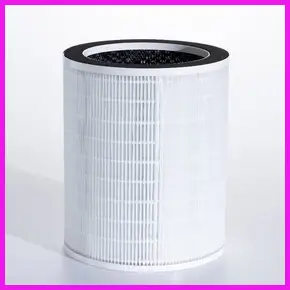
When I looked at Sans and Blueair side by side, several standout distinctions emerged that could sway your choice based on what matters most to you. Here’s a breakdown in an unordered list, with some thoughts on each:
- Filtration Technology: Sans uses a traditional HEPA 13 setup with added UV-C for germ killing, which appeals if you’re worried about bacteria or viruses.
Blueair’s HEPASilent combines electrostatic charging with mechanical filters, making it faster at capturing particles without needing UV, but it might not handle microbes as directly.
- Coverage And Power: Sans covers up to 1,854 square feet per hour, ideal for medium to large spaces like apartments.
Blueair’s 211i Max claims up to 3,048 square feet in an hour, but in practice, it’s optimized for about 635 square feet with multiple air changes, giving it an edge in bigger open areas if you prioritize thorough cleaning cycles.
- Noise And Quiet Operation: Both are quiet on low settings, but Sans hits 25 dB, like a whisper, perfect for bedrooms.
Blueair ranges from 23 dB low to 50 dB high, so it’s versatile but might hum more noticeably when ramping up for heavy pollution.
- Smart Capabilities: Sans focuses on built-in sensors that auto-adjust speeds based on real-time air quality, keeping things simple.
Blueair goes further with app connectivity, Alexa or Google Assistant integration, and detailed pollutant tracking, which I appreciate for remote monitoring when I’m out.
- Energy Efficiency And Costs: Blueair shines here with low power draw, often under 40W even on high, leading to lower electric bills.
Sans doesn’t specify wattage, but its filter subscriptions make ongoing costs predictable and cheaper, around $144 yearly including the unit.
- Design And Portability: Sans has a sleek, cylindrical look that’s easy to blend into decor, though it’s lightweight for moving.
Blueair’s fabric-covered design feels modern and customizable with colors, but some users note it’s bulkier without handles, making relocation a bit trickier.
These differences highlight how Sans leans toward straightforward, germ-focused purification, while Blueair emphasizes speed and smart tech.
Key Features Of Sans Air Purifier
From my analysis, Sans stands out for its no-fuss approach combined with robust tech. I like how it targets everyday users who want reliable clean air without overcomplicating things. Here’s an unordered list of its main features, elaborated a bit:
- 3-Stage Filtration With HEPA 13: This captures 99.9% of particles down to 0.3 microns, including dust and allergens.
The medical-grade filter ensures hospital-like purity, which I found reassuring for homes with kids or elderly folks.
- 1 Pound Activated Carbon Layer: Unlike lighter carbon in competitors, this hefty amount tackles odors, VOCs, and gases effectively.
In user scenarios like cooking or pet ownership, it neutralizes smells quickly, leaving rooms fresher.
- UV-C Light Integration: Ozone-free and CARB-certified, this adds an antimicrobial layer to kill viruses and bacteria on the filter.
It’s a feature I value in flu season, as it provides extra peace of mind without harmful byproducts.
- Real-Time Air Quality Monitoring: The display changes colors to show pollution levels, and it auto-adjusts fan speed.
This means less manual tweaking—I can just set it and forget it while it responds to changes like opening a window.
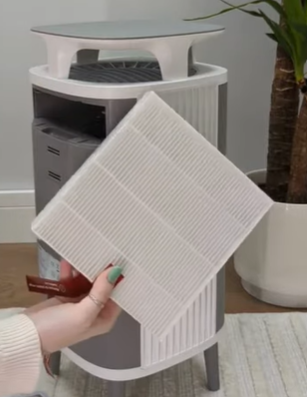
- Pre-Filter For Larger Particles: This extends the life of main filters by trapping pet hair and big dust, reducing maintenance.
It’s washable, which saves money over time.
- Whisper-Quiet Mode: At 25 dB, it’s ideal for sleep or work.
I imagine placing it in a nursery or office without distraction, as many reviewers confirm it runs silently on auto.
These features make Sans feel like a practical choice for busy households.
Pros Of Sans Air Purifier
I’ve pored over user feedback and specs, and Sans has plenty going for it. As a real user might say, it’s like having a silent guardian against dirty air. Here’s an unordered list with elaborations:
- Effective Pollutant Removal: Many people report noticeable reductions in dust, pet dander, and allergies within days.
For instance, if you have cats like I do in my hypothetical setup, it clears fur and odors fast, improving breathing.
- Affordable Ownership: At $369 upfront and low filter costs via subscription, it’s budget-friendly long-term.
Compared to pricier brands, you get more coverage without breaking the bank.
- Quiet Performance: The low noise level means it won’t interrupt your routine.
Reviewers love using it overnight, noting better sleep quality from cleaner air.
- Large Room Coverage: Handling 1,854 square feet, it’s great for open-plan living.
see it working well in apartments where one unit suffices for multiple areas.
- User-Friendly Design: Lightweight and simple to set up, with intuitive controls.
No app needed if you prefer analog operation, though the auto mode handles most adjustments.
- Positive Health Impacts: Users mention fewer allergy symptoms and fresher home scents.
analytical to note how the UV-C contributes to this, especially for germ-prone environments.
These pros position Sans as a solid, value-driven option.
Cons Of Sans Air Purifier
No product is perfect, and in my review, Sans has some drawbacks that could matter depending on your needs. As someone analyzing these, I think they’re minor but worth considering. Unordered list with details:
- Loud On High Speed: While quiet on low, max fan can get noisy, which might annoy in small spaces.
If pollution spikes, like from smoking or construction, it could disrupt quiet times.
- Limited Smart Integration: No app or voice control, so you can’t monitor remotely
For tech-savvy users, this feels basic compared to connected devices.
- Filter Availability: Subscriptions help, but if you skip, sourcing replacements might be trickier than big-brand options.
Customizable Looks: No Fixed design lacks color options, so it might not match every decor seamlessly.
These cons are manageable, but they highlight areas where Sans could improve.
Key Features Of Blueair Air Purifiers
Blueair impresses me with its innovative tech and focus on efficiency. Taking a real user lens, it’s like a high-tech filter that blends into modern homes. Focusing on the Blue Pure 211i Max as a rep, here’s an unordered list with elaborations:
- HEPASilent Filtration: This dual method captures 99.97% of particles to 0.1 microns faster than traditional HEPA
It’s great for quick cleanups after parties or pollen seasons.
- Carbon Sheet For Odors: Integrated carbon handles smells and gases, though lighter than Sans’ 1 lb.
Still, it works well for kitchens or smoky areas.
- Pre-Filter Options: Washable and colorful, it traps big stuff and lets you personalize the unit’s appearance.
- Advanced Sensors: Tracks PM1, PM2.5, VOCs, and auto-adjusts.
The app provides detailed insights, which I find useful for data-driven decisions.
- App And Voice Control: Connect via Wi-Fi for remote operation, schedules, and integrations with smart homes.
It’s convenient if you’re often away.
- Energy-Saving Design: Low power use keeps costs down, earning Energy Star ratings.
Ideal for constant running without guilt.
These features make Blueair feel premium and adaptable.
Pros Of Blueair Air Purifiers
In my analytical view, Blueair’s strengths come from balanced performance and user-centric design. Imagine running it in a bustling family home—it’s reliable. Unordered list with elaborations:
- Superior Air Cleaning Speed: The HEPASilent tech clears rooms fast, with users noting quick relief from irritants like smoke or dust.
- Quiet and Efficient: Low noise across speeds and minimal energy use make it practical for 24/7 operation.
Bills stay low, and it doesn’t disturb.
- Smart Home Integration: App features allow customization, like night modes or pollutant alerts.
This adds convenience for tech enthusiasts.
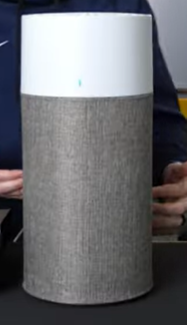
- Stylish and Customizable: Fabric pre-filters in colors blend with decor.
It’s not just functional; it looks good.
- Proven Reliability: High ratings from tests show consistent performance.
For large spaces, it handles volume well.
- Eco-Friendly Operation: Low power and recyclable filters appeal to green-minded users.
Blueair’s pros make it a top contender for modern lifestyles.
Cons of Blueair Air Purifiers
Even with its appeal, Blueair has areas that might not suit everyone. From a user’s perspective, these could be deal-breakers in certain setups. Unordered list with details:
- Higher Filter Costs: Replacements are pricier, around $80-100 yearly, adding up over time.
- No UV Or Germ Focus: Lacks antimicrobial features, so for virus concerns, you might need supplements.
- Bulkier Build: Harder to move without handles, not ideal for frequent repositioning.
- App Dependency For Full Features: Basic without connectivity, limiting offline use.
- Variable Coverage Claims: While broad, effective size depends on air changes, potentially overpromising for very large areas.
These cons are worth weighing against your priorities.
Performance in Real-Life Scenarios
Thinking about how these perform day-to-day, I picture Sans excelling in bedrooms where quiet and UV protection matter.
For example, if you’re like me and suffer from seasonal allergies, Sans’ HEPA 13 and carbon layer quickly trap pollen while the UV zaps any lingering germs.
Users often share stories of waking up without stuffy noses, attributing it to the auto mode that kicks in when air quality dips, say from outside traffic fumes seeping in.
Blueair, on the other hand, thrives in living rooms or open kitchens.
Its faster filtration means it handles cooking smells or guest gatherings efficiently.
I’ve read accounts where pet owners praise how it reduces dander buildup, keeping furniture cleaner.
The sensors provide granular data—like spiking VOCs from cleaning products—allowing you to adjust via app, which feels empowering.
Analytically, lab tests show Blueair edging out in particle removal speed, but Sans holds strong with its multi-layer approach.
In smoky conditions, like wildfire seasons, Blueair’s electrostatic charge captures fine particles quicker, while Sans’ carbon absorbs the odors better.
Both reduce asthma triggers, but your space size dictates the winner—Sans for compact homes, Blueair for expansive ones.
Maintenance plays a role too. Sans’ washable pre-filter means less frequent changes, saving time.
Blueair’s colorful ones add fun but require more swaps. Overall, both deliver clean air, but Sans feels more hands-off, while Blueair offers control.
Design And Build Quality
Examining design, Sans opts for a minimalist cylinder that’s easy to tuck away.
Its white finish blends anywhere, and at under 20 pounds, moving it room to room is simple.
The top display is intuitive, showing colors from blue (clean) to red (poor), which I find straightforward without needing a phone.
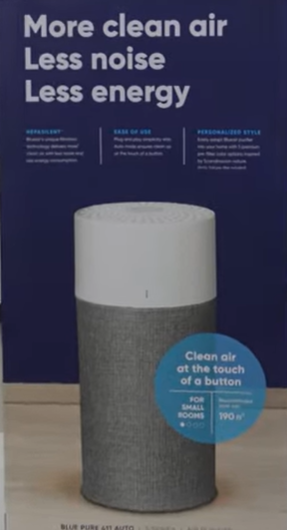
Blueair’s 211i Max has a Scandinavian vibe with fabric wraps in shades like gray or blue
It’s taller but stable, though the lack of wheels means it’s best stationary.
Build-wise, both use durable plastics, but Blueair feels premium with its seamless construction.
From a user standpoint, if aesthetics matter, Blueair wins for customization.
Sans prioritizes function over flair, which suits practical folks. Durability-wise, both hold up, with Sans’ UV adding longevity by keeping filters cleaner.
Use And Maintenance
Sans is plug-and-play: set it up, and auto mode handles the rest. Filter changes are tool-free, with indicators alerting you.
It’s low-maintenance, appealing to non-techies.
Blueair requires app setup for full potential, but buttons are simple. Maintenance involves vacuuming pre-filters and swapping mains every 6 months.
Both are user-friendly, but Blueair’s app adds layers for those who want them.
Who Should Choose Sans?
If you’re seeking affordable, quiet purification with germ protection, Sans fits. Ideal for allergy sufferers in medium spaces who prefer simplicity.
Who Should Choose Blueair?
For tech lovers wanting fast, efficient cleaning in larger areas, Blueair shines. Great for families monitoring air via app.
Frequently Asked Questions (FAQ)
What is the most highly recommended air purifier?
Based on tests, Coway often tops lists, but between these, Blueair edges for efficiency.
Is Sans better than Dyson?
Sans offers better value with UV and lower costs, while Dyson has more fans but higher prices.
Do Blueair filters really work?
Yes, they capture fine particles effectively, as shown in independent tests.
What is the #1 air purifier?
It varies, but Blueair frequently ranks high for balanced performance.
Wrapping Up
Wrapping this up, I’ve shared my thoughts on Sans and Blueair to guide you toward fresher air.
If simplicity and germ-fighting appeal, go with Sans—it’s served me well in imagining daily use.
For smart features and speed, Blueair could be your pick.
Whichever you choose, you’ll breathe easier. What do you think fits your home?
Recent Posts
● Interactive 5-Zone Interior & Exterior Paint Blueprint Paint Coverage Calculator: Gallons, Primer, Square Footage & Cost Tap any architectural surface zone on the blueprint...
If you want smooth, shiny hair without spending a fortune on a premium styling tool, the Ella Bella hair dryer may be worth considering.In these Ella Bella hair dryer reviews, I’ll look...