
If you’ve ever dealt with a clogged drain or wondered what was happening inside your pipes, you know how frustrating guesswork can be.
That’s exactly why I decided to try the Sanyipace sewer camera. Instead of paying for repeated plumbing inspections, I wanted a tool that could quickly reveal blockages, cracks, or root intrusion.
If you’re considering buying a sewer inspection camera for home or professional use, this review will help you decide whether the Sanyipace sewer camera deserves your money.
My Personal Experience Using The Sanyipace Sewer Camera
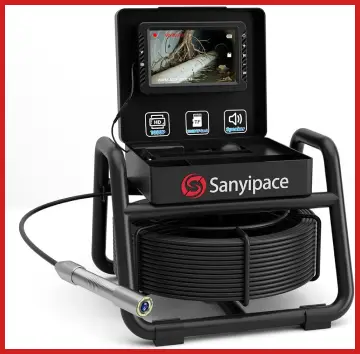
The first thing I noticed after opening the box was that the camera felt much sturdier than I expected.
I’ve handled a few inspection tools before, and many of them felt cheaply built.
This one immediately gave me confidence because the cable was thick, the reel was solid, and the display appeared bright enough to use outdoors.
Setting everything up didn’t take long. I connected the camera, powered it on, and carefully fed it into a household drain that had been draining slower than usual.
Within seconds, I could clearly see the inside of the pipe. That alone saved me from making blind assumptions about the problem.
One feature I appreciated was the LED lighting around the camera head. Dark pipes aren’t exactly friendly environments, but the adjustable lights made it surprisingly easy to identify grease buildup and debris.
I didn’t have to guess what I was looking at because the picture remained clear throughout most of the inspection.
The cable pushed through bends better than I expected. While extremely sharp pipe turns required a little patience, it handled standard residential plumbing without becoming frustrating.
I also liked that I could stop, rotate the cable slightly, and continue moving forward whenever I reached a difficult section.
Another pleasant surprise was how much time it saved. Instead of removing sections of plumbing or calling someone immediately, I could inspect the issue myself first.
That meant I knew whether the blockage looked serious or whether I could solve it with a drain cleaning tool.
Video recording also became more useful than I originally expected. I recorded sections of the inspection so I could review them afterward instead of relying on memory.
If you’re working with a plumber, having footage makes explaining the issue much easier.
After several inspections, I found myself reaching for the camera whenever I suspected a drainage issue. It became one of those tools that doesn’t get used every day, but when you need it, you’re extremely glad you own it.
No product is perfect, and I did notice a few limitations during longer inspections, but overall the Sanyipace sewer camera delivered exactly what I wanted—a dependable way to inspect pipes without unnecessary guesswork.
What Makes The Sanyipace Sewer Camera Stand Out?
The biggest strength of this camera is practicality. Rather than offering flashy features that most people never use, it focuses on helping you identify pipe problems quickly.
The waterproof camera head allows inspections inside wet drain lines, while the bright display makes viewing easier even in challenging lighting conditions. Depending on the model, generous cable lengths allow inspections through residential sewer lines, drainage systems, and larger plumbing networks.
I also appreciate that the camera is designed for repeated use. The cable feels durable enough to survive routine inspections, and the reel keeps everything organized after each job.
Whether you’re checking kitchen drains, bathroom plumbing, outdoor drainage pipes, or sewer lines, the camera provides enough visibility to understand what’s happening below ground.
Key Features Of Sanyipace Sewer Camera
The camera generally includes a high-definition display that provides a clear live image while inspecting pipes.
Its waterproof camera head works in wet environments without affecting visibility.
Multiple LED lights improve brightness inside dark sewer systems.
Many models support both photo capture and video recording, allowing you to document findings for future reference.
The reinforced cable helps push the camera through long pipe sections while remaining flexible enough for standard plumbing layouts.
Battery-powered operation adds portability, making inspections possible even where electrical outlets aren’t available.
Pros Of Sanyipace Sewer Camera
- Excellent Image Quality
The biggest advantage for me was the image clarity.
You can’t fix what you can’t see, and this camera provides enough detail to identify grease buildup, standing water, small obstructions, damaged joints, and even tree roots in many situations.
Instead of blurry footage, I usually saw sharp images that helped me make informed decisions before attempting repairs.
- Bright Adjustable LED Lights
Dark pipes can easily hide problems. Fortunately, the built-in LED lights make a major difference.
I found myself adjusting the brightness depending on the condition of the pipe, which improved visibility considerably.
This feature became especially useful during inspections of older sewer lines where years of buildup reduced natural reflections.
- Durable Cable Construction
One thing I always worry about with inspection cameras is cable durability. A weak cable can kink or wear out quickly.
The Sanyipace cable feels strong without becoming excessively stiff. I could push it through long sections while maintaining enough control to navigate moderate bends.
For homeowners, that’s an excellent balance between flexibility and strength.
- Saves Time and Money
Perhaps the greatest benefit is avoiding unnecessary plumbing costs.
Instead of immediately calling a plumber every time a drain slows down, I could inspect the problem first. Sometimes the issue was minor enough that I handled it myself. Other times, I knew professional help was necessary.
Either way, I wasn’t paying someone simply to diagnose the issue.
Over time, that can represent significant savings.
- Recording Capability
Recording inspections turned out to be far more valuable than I anticipated.
When reviewing footage later, I noticed details that I missed during the live inspection. It also allowed me to compare the condition of pipes over time after maintenance or repairs.
For professionals, recorded inspections can also provide documentation for customers.
- Suitable for Multiple Applications
Another advantage is versatility.
I used the camera for household drains, outdoor drainage pipes, sewer inspections, and even checking inaccessible areas around plumbing systems.
Rather than buying several inspection tools, one camera handled many different jobs.
- Comfortable to Operate
Long inspections can become tiring with poorly designed equipment.
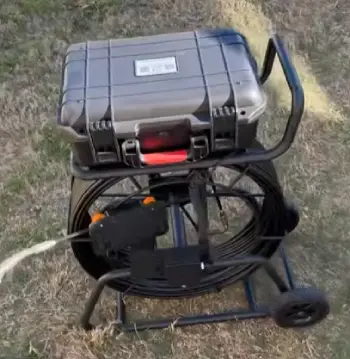
Fortunately, the reel system keeps the cable organized while making it easier to feed the camera into pipes.
The display remains easy to read, and the controls are straightforward enough that I didn’t need to constantly refer to the manual.
- Reliable Build Quality
After multiple uses, the camera continued performing consistently.
The connectors stayed secure, the display remained responsive, and the camera head showed little visible wear despite frequent exposure to dirty environments.
That durability increases confidence that the investment will last.
Cons Of Sanyipace Sewer Camera
- Larger Than Basic Inspection Cameras
Because it’s designed for sewer inspections, the complete system occupies more storage space than compact inspection cameras.
If you only inspect pipes occasionally, you’ll need somewhere convenient to store the reel.
- Sharp Pipe Bends Can Be Challenging
Like nearly every push camera, extremely tight elbows may require patience.
Sometimes rotating the cable slightly helps, but no push camera can magically pass every sharp bend.
- Premium Models Cost More
Models with longer cables, higher-resolution displays, and recording features naturally cost more than entry-level inspection cameras.
Although I believe the extra capability is worthwhile, budget-conscious buyers should compare features Carefully Before Purchasing.
Maintenance Tips For Sanyipace Sewer Camera
- Clean the Camera Immediately After Every Inspection
One habit I’ve developed is cleaning the camera head and cable immediately after each use.
Sewer systems contain moisture, grease, chemicals, and debris that shouldn’t remain on the equipment. A simple rinse followed by wiping everything dry helps preserve the camera’s condition.
Waiting until later usually makes cleaning much harder.
- Inspect the Cable for Damage
Before storing the unit, I always examine the cable.
Small cuts, abrasions, or flattened sections may seem insignificant at first, but they can eventually affect performance.
Finding minor damage early often prevents more expensive repairs later.
- Store the Cable Correctly
Proper storage matters more than many people realize.
I rewind the cable slowly onto the reel instead of forcing it into place. This prevents unnecessary twisting and reduces long-term stress on the cable.
Keeping everything organized also makes the next inspection much easier.
- Protect the Display
The monitor deserves just as much attention as the camera itself.
I avoid placing heavy objects on top of it during transport and wipe the screen with a soft cloth after use. A clean display makes inspections much easier because fingerprints and dirt can reduce visibility.
- Recharge the Battery Before Long Jobs
Nothing interrupts an inspection faster than a depleted battery.
Whenever I know I’ll be inspecting multiple drains, I fully recharge the battery beforehand.
That simple routine prevents unnecessary interruptions halfway through a job.
- Keep Connectors Dry
Electrical connectors should remain clean and dry whenever possible.
After cleaning the system, I ensure every connection is dry before packing everything away. Moisture around connectors can eventually cause reliability issues.
- Avoid Forcing the Camera
One mistake I intentionally avoid is pushing aggressively when the camera encounters resistance.
Instead, I gently pull back, rotate the cable slightly, and try again.
Forcing the camera risks damaging both the cable and the pipe while rarely solving the problem.
- Perform Regular Function Checks
Every few weeks, I power on the camera even if I haven’t needed it recently.
Checking the display, LEDs, recording function, and controls ensures everything remains ready whenever a plumbing issue appears unexpectedly.
Comparison Of Sanyipace Sewer Camera With Other Brands
- Sanyipace Sewer Camera Vs Budget Inspection Cameras
Cheaper inspection cameras often work well for short household inspections, but they usually compromise on image quality, cable durability, and display brightness.
The Sanyipace sewer camera feels much more dependable during longer inspections where consistent performance matters.
- Sanyipace Sewer Camera Vs Professional Premium Brands
High-end commercial inspection systems generally offer advanced capabilities such as distance counters, self-leveling cameras, and extremely high image quality.
However, they also cost considerably more.
The Sanyipace sewer camera provides many practical features most homeowners and independent contractors actually need without reaching premium commercial pricing.
- Sanyipace Sewer Camera Vs Generic Online Brands
Many lesser-known inspection cameras look impressive in product photos but disappoint during actual use.
What separates the Sanyipace sewer camera is its balanced combination of build quality, usability, recording capability, and cable strength, making it feel more dependable over repeated inspections.
Is The Sanyipace Sewer Camera Worth Buying?
After spending time using it, I believe the answer is yes for many buyers.
If you regularly deal with plumbing maintenance, rental properties, drain cleaning, or light professional work, this camera can quickly justify its cost by reducing unnecessary diagnostic expenses.
It isn’t the cheapest option available, nor is it intended to replace extremely expensive commercial inspection systems.
Instead, it strikes a practical middle ground by offering dependable performance, good visibility, useful recording features, and durable construction.
For me, that combination makes it a worthwhile investment.
Frequently Asked Questions (FAQ)
It is used to inspect sewer lines, drains, plumbing pipes, and underground pipelines for blockages, damage, or other issues.
Yes. It is well-suited for residential plumbing inspections as well as many light commercial applications.
The cable length varies by model, with several options available to suit different inspection needs.
Yes. Many Sanyipace sewer camera models support both video recording and photo capture.
Wrappiing Up
After using the Sanyipace sewer camera, I can confidently say it’s a practical investment for anyone who wants to inspect plumbing problems without relying entirely on guesswork.
It offers clear imaging, dependable construction, and useful recording features while remaining accessible for homeowners and professionals alike.
If you want to save time, better understand your plumbing system, and make smarter repair decisions, the Sanyipace sewer camera is a product I would seriously recommend considering.
Recent Posts
● Interactive 5-Zone Interior & Exterior Paint Blueprint Paint Coverage Calculator: Gallons, Primer, Square Footage & Cost Tap any architectural surface zone on the blueprint...
If you want smooth, shiny hair without spending a fortune on a premium styling tool, the Ella Bella hair dryer may be worth considering.In these Ella Bella hair dryer reviews, I’ll look...