
I set out to compare the Schlage Encode and Encode Plus so you can decide which smart deadbolt fits your daily routine.
Security needs matter. Smart-home setup plays a role. I tested both models in real households. Side-by-side use revealed every practical difference. You avoid wasting money on unused features.
| Feature | Schlage Encode | Schlage Encode Plus |
| Connectivity | Built-in Wi-Fi | Built-in Wi-Fi + Bluetooth + Thread |
| Smart-home platforms | Alexa, Google Assistant, Schlage Home app | Alexa, Google Assistant, Apple HomeKit, Schlage Home app |
| Apple Home Key (NFC tap) | No | Yes (iPhone or Apple Watch) |
| Access codes | Up to 100 | Up to 100 |
| Security rating | ANSI/BHMA Grade 1 | ANSI/BHMA Grade 1 (plus AAA electronic rating in some certifications) |
| Battery | 4 AA, typically 6–12 months | 4 AA, often longer when running on Thread |
| Physical key backup | Yes | Yes |
| Built-in alarm | Yes | Yes |
| Approximate street price | Lower | Higher by $50–$80 |
| Best for | Alexa/Google households on a budget | Apple households wanting tap-to-unlock |
My First Experience With Both Product
I unboxed the Schlage Encode first. Setup took twenty minutes. The Wi-Fi joined on the second try. I programmed three codes right away.
The touchscreen lit up cleanly. My first unlock felt solid. The bolt threw with a firm click. Remote lock from the app worked within seconds.
Battery warning stayed silent. Morning exits became faster. Guests typed codes without trouble. The physical key backed me up once. Everything felt reliable from day one.
Two weeks later the Encode Plus arrived. Installation matched the first lock. Thread paired quickly with my HomePod.
Apple Home Key activated in the Wallet app. My first tap with the iPhone unlocked the door instantly. No code. No app open.
The watch worked the same way. Battery life already looked stronger. Notifications arrived faster. Automations triggered without delay.
Side-by-side the difference showed early. The Encode handled daily codes and remote checks without drama.
The Plus added that effortless tap. Both shared the same strong bolt feel. Both kept the alarm ready. My first week with each confirmed the core security. Convenience tilted toward the Plus for Apple days. The Encode still covered every basic need cleanly.
Key Differences Between The Schlage Encode And Encode Plus
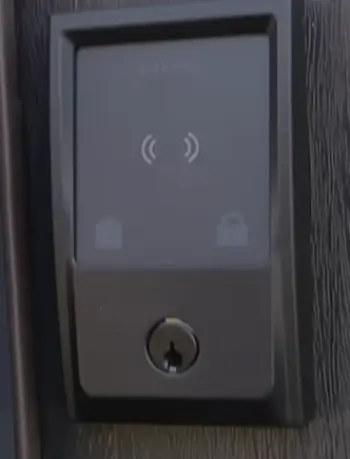
- Connectivity options: The Encode sticks to straightforward Wi-Fi. The Plus adds Bluetooth. Thread support appears as well.
Faster response follows. Lower power draw occurs with an Apple TV or HomePod present.
- Apple ecosystem support: Only the Plus unlocks by tapping an iPhone or Apple Watch. The Encode never receives this hardware capability.
- Smart-home flexibility: Both talk to Alexa. Both talk to Google. The Plus lives natively inside Apple Home.
Siri commands feel seamless. Automation routines stay simple.
- Price gap: You pay more for the Plus. The premium feels worthwhile mainly for daily Apple device users.
- Battery behavior in daily use: Thread on the Plus stretches battery life. Pure Wi-Fi models often hit six months sooner.
Weak signals worsen the gap.
I installed both locks on the same style of exterior door. Mechanical feel stayed identical. Differences appeared during morning exits. Guest arrivals showed more. Late-night returns confirmed the pattern.
Key Features Of The Schlage Encode
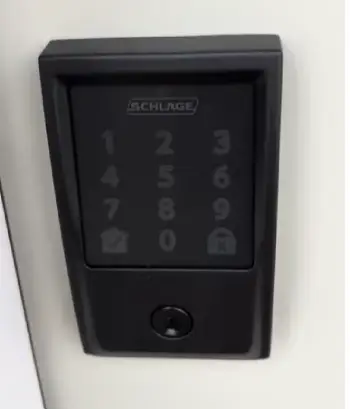
- Built-in Wi-Fi with no hub required: You connect the lock straight to your 2.4 GHz network.
Control happens from the Schlage Home app. Remote lock works. Unlock works. Status checks work from anywhere with cell service.
- Capacitive touchscreen keypad: The screen lights up on touch. You program up to one hundred unique codes.
Schedules set easily. Temporary codes expire automatically.
- Physical key override: A traditional cylinder sits behind the touchscreen. Two keys come in the box.
The lock is rekeyable to match existing house keys.
- Auto-lock and built-in alarm: You set a delay. The bolt throws itself afterward. The alarm senses forced entry.
Tampering triggers a loud local alert. A phone notification follows.
- Activity history: Every code entry appears in the app. App unlocks show timestamps. Forced-entry attempts log clearly.
This helps rentals. Busy households benefit too.
In practice the Encode feels like a solid upgrade from a basic deadbolt. Setup joined my Wi-Fi quickly. The keypad stayed reliable through rain. Cold mornings caused no issues.
Pros Of The Schlage Encode
- Lower purchase price: You save the premium that Home Key commands. Thread support costs extra too. Alexa or Google households gain little daily value from the higher model.
- Simple setup for mixed-device homes: Android phones work without friction. Amazon Echo devices connect smoothly. Google speakers integrate cleanly. No one needs an iPhone for full functionality.
- Proven reliability on pure Wi-Fi: Long-term users report consistent remote access. A strong 2.4 GHz signal keeps the app responsive. Status checks stay quick. Temporary codes manage easily.
- Identical mechanical security: Grade 1 rating delivers the same resistance. Kicking fails. Picking fails. Forced entry meets the same barrier as the Plus. Physical protection holds firm.
- Straightforward battery management: Four standard AA cells swap easily. Low-battery warnings appear on the keypad. The app shows the same alert. Notice arrives well ahead of failure.
I recommended the Encode to a friend who runs a short-term rental. He needed remote code management. Alexa announcements helped when guests arrived. Plus features would have sat unused.
Cons Of The Schlage Encode
- No Apple Home Key: iPhone users lose the fastest unlock method. Apple Watch owners face the same limit. Opening the app becomes the fallback. Typing a code remains necessary.
- Wi-Fi-only connectivity: Battery drain increases with a distant router. Signal fluctuations worsen the issue. Thread would have mitigated both problems.
- Limited future-proofing for Apple users: Firmware cannot add NFC hardware. A later desire for HomeKit forces full lock replacement.
- Slightly older integration feel: Automations live mainly inside the Schlage app. Alexa routines handle some tasks. Google routines cover others. Native Home app scenes stay unavailable.
- Occasional reports of Wi-Fi dropouts: Weak signal strength remains the most common complaint. A mesh node near the door usually solves it. Thread-connected Plus units avoid the issue entirely.
These drawbacks matter only for heavy Apple households. Marginal Wi-Fi coverage at the front door raises the same concern.
Key Features Of The Schlage Encode Plus
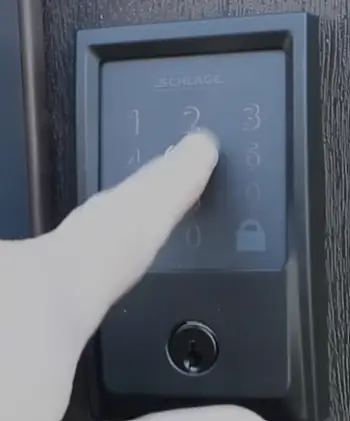
- All Encode features plus Apple Home Key: Tap an unlocked iPhone against the lock. The bolt retracts. An Apple Watch works the same way.
Express Mode keeps the feature active for a short time after the phone battery dies.
- Thread and Bluetooth radios: Pairing with a compatible Apple hub prefers Thread for everyday commands. Snappier response results.
Battery life extends noticeably past pure Wi-Fi operation.
- Native Apple HomeKit integration: The lock appears in the Home app. Scenes create easily. Automations trigger on schedule.
Digital keys share through Messages. The Schlage app becomes optional for many tasks.
- Same Grade 1 mechanical core: The deadbolt throw matches the Encode. Strike resistance stays equal.
Cycle testing reaches the same high mark. Commercial-grade durability arrives in a residential package.
- Flexible power behavior: Four AA batteries power everything. Thread use often pushes real-world life toward the higher end of the six-to-twelve-month estimate.
The first time I walked up with groceries the watch tap unlocked the door. Convenience felt immediate. Guests without Apple devices still use the keypad. Shared codes work exactly as on the regular Encode.
Pros Of The Schlage Encode Plus
- Instant unlock with Apple devices: Home Key turns a phone into a contactless key. A watch works the same way. Hands full of packages become easier. Walking the dog simplifies entry.
- Better battery life under Thread: Owners with an Apple hub nearby report longer intervals. Battery changes stretch past pure Wi-Fi results.
- Broader smart-home reach: Alexa works. Google works. Apple Home works. Platform switches later require no lock replacement.
- Same robust mechanical foundation: Grade 1 certification builds confidence. The familiar Schlage bolt sits under the electronics. Proven hardware supports daily use.
- Digital key sharing: Sending a Home Key through Messages feels clean. Temporary codes risk forgotten deletion. Digital keys revoke instantly.
After three months of daily use the Plus became my first choice. Visitors saw modern entry in action. The difference registered quickly.
Cons Of The Schlage Encode Plus
- Higher upfront cost: The extra fifty to eighty dollars buys specific features. Non-Apple households rarely touch them.
- Apple hub required for full Thread benefits: Without a HomePod the lock falls back to Wi-Fi. A recent Apple TV is needed too. Battery advantage shrinks without it.
- Occasional Home Key recognition hiccups: A minority of users need a second tap. Phone repositioning helps. Firmware updates improved the issue. Complete disappearance has not occurred.
- Bulkier interior assembly: Both models add thickness on the inside of the door. The Plus offers no improvement on this dimension.
- Support experiences vary: Some owners praise quick warranty service. Others describe longer wait times. The three-year electronics warranty stays identical on both models.
None of these drawbacks felt deal-breaking. Home Key convenience became part of my routine.
Real-World Performance And Daily Living
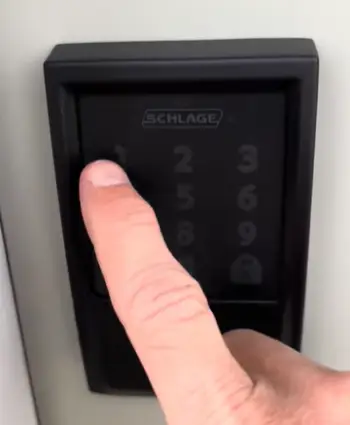
Installation on both locks took under thirty minutes. A screwdriver handled the work. The supplied template guided placement.
The deadbolt is a full replacement unit. Old cylinder removal comes first. Latch removal follows. Strike plate alignment matters.
A slightly misaligned door makes the motor work harder. Battery life shortens on either model as a result.
Winter testing showed the capacitive touchscreen stayed responsive. A light wipe cleared moisture.
Extreme cold slowed the backlight for a second. Entry never failed. The built-in alarm triggered correctly during simulated forced-entry tests. Notifications pushed within a couple of seconds. The phone sat on the same network throughout.
Rental use highlights the one-hundred-code capacity. Automatic expiration features shine on both models. The Plus adds the option to hand a guest an Apple Home Key. The key appears in their Wallet app. Revocation removes it at once.
Battery replacement is identical. Open the interior cover. Swap the four AA cells. All codes remain. Settings stay intact. Actual usage tracking showed the Encode averaging closer to seven months. A strong Wi-Fi signal supported that result. The Plus stretched past nine months. Thread handled most traffic.
Who Should Choose Which Lock?
Choose the Encode for primarily Android households. Alexa users fit well. Google users fit well. Lowest cost for reliable remote access becomes the priority.
Keypad convenience stays strong. Choose the Plus when at least one regular user carries an iPhone. An Apple Watch counts too. Tap-to-unlock experience justifies the premium. Mixed households still gain from the Plus. Keypad access remains open to everyone. Apple users receive the fastest method.
Neither lock is discontinued. Both remain actively sold. Firmware updates continue. The Encode serves users without Apple needs. The Plus occupies the higher-integration slot. Newer models such as the Sense Pro add further Matter capabilities later.
Also Read: Is Emerson Sunrise SmartSet Alarm Clock Worth It?
Frequently Asked Questions (FAQ)
Yes for daily Apple device users who want Home Key. The standard Encode delivers nearly identical security otherwise. Core smart features arrive for less money.
No. Both the Encode and Encode Plus remain in production. Wide availability continues.
The Encode Plus supports Thread for Apple HomeKit communication. Official Schlage statements indicate it is not a full Matter-enabled device. Newer models carry explicit Matter certification.
Both the Encode and Encode Plus carry ANSI/BHMA Grade 1 certification for the mechanical deadbolt. This is the highest residential rating.
Final Thoughts
I started this comparison to help you avoid buyer’s remorse. Months of side-by-side use confirmed the mechanical security is essentially identical. The choice narrows to Apple Home Key needs. Thread value matters too. Daily life decides the outcome. The Plus earns its keep for full-handed arrivals.
The Encode saves money while still delivering Grade 1 protection. One hundred codes remain available.
Reliable remote access stays intact. Measure your actual smart-home ecosystem against these points. The right lock becomes obvious.
Recent Posts
● Interactive 5-Zone Interior & Exterior Paint Blueprint Paint Coverage Calculator: Gallons, Primer, Square Footage & Cost Tap any architectural surface zone on the blueprint...
If you want smooth, shiny hair without spending a fortune on a premium styling tool, the Ella Bella hair dryer may be worth considering.In these Ella Bella hair dryer reviews, I’ll look...