
I’ve spent years fixing patchy spots, dealing with thin lawns after harsh winters, and chasing that thick, green carpet every weekend warrior wants.
When it came time to choose between Schultz and Scotts grass seed, I went all in and tested both in different parts of my yard.
In this article, I share exactly what I learned so you can decide what fits your lawn without wasting money or time.
I cover real performance, key differences, pros and cons, and practical tips from someone who’s actually sown, watered, and mowed the results.
| Feature | Schultz Grass Seed | Scotts Grass Seed |
| Price Point | Budget-friendly, great value per pound | Higher upfront cost |
| Germination Speed | Fast, especially rye-heavy mixes | Reliable, often boosted with fertilizer |
| Durability/Traffic | Strong in hardy and high-traffic blends | Good in premium mixes, but varies |
| Shade/Sun Tolerance | Solid options for shade and all-purpose | Excellent sun & shade mixes |
| Brand Reputation | Value brand, often Barenbrug-sourced | Household name with heavy marketing |
| Best For | Cost-conscious homeowners, quick repairs | Those wanting convenience and guarantees |
Key Differences Between Schultz And Scotts Grass Seed
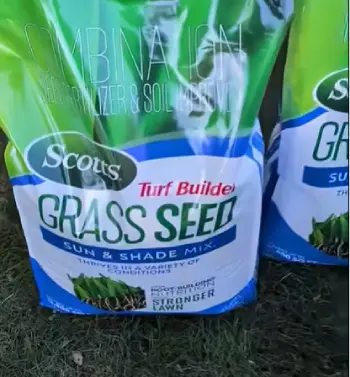
- Cost and Value: Schultz usually costs less per pound or per square foot covered. I stretched my budget further with it on larger areas.
Scotts commands a premium because of brand recognition and specific marketing around rapid growth technologies.
- Seed Coating and Germination: Many Scotts products come with coatings or mulch blends that hold moisture.
Schultz tends toward more traditional seed mixes that germinate reliably when you keep soil moist but feel purer in the bag.
- Grass Varieties and Durability: Schultz offers solid hardy blends with perennial rye, Kentucky bluegrass, and fescues suited for northern or transitional zones.
Scotts has engineered mixes emphasizing drought tolerance or shade performance in their Turf Builder lines.
- Ease of Use for Beginners: Both work well, but Scotts all-in-one style products (seed + fertilizer + mulch) simplify the process if you hate extra steps.
Schultz shines when you already have a fertilizing routine.
- Long-Term Lawn Performance: In my yard, both greened up nicely, but I noticed Schultz blends sometimes blended more naturally with existing grass over time while Scotts delivered quicker density in patches.
Key Features Of Schultz Grass Seed
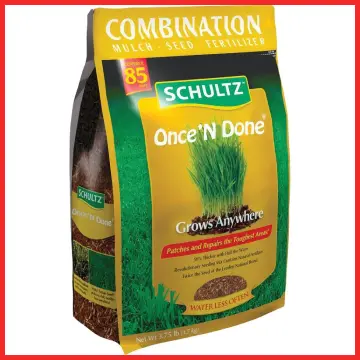
- Versatile Mixes for Everyday Lawns: Their sun and shade or hardy lawn options include blends of perennial ryegrass for quick cover, Kentucky bluegrass for that lush look, and fescues for durability.
I used the high traffic mix where the kids play and it held up impressively.
- High Purity and Low Fillers: Bags often claim 99.9% weed free with low inert matter.
When I spread it, I saw mostly actual seed, which gave me confidence I wasn’t paying for junk.
- Fast Establishment in Tough Spots: It germinated within a week to ten days in my tests when watered consistently.
Perfect for overseeding thin areas without waiting forever.
- Affordable Large Bags: You can buy bigger quantities at stores like Menards without the price shock, making it practical for full lawn renovations.
- Good Insect and Disease Resistance: Some mixes highlight this, and I experienced fewer issues compared to cheaper no-name brands I’ve tried before.
Pros Of Schultz Grass Seed
- Saves you money while delivering solid results I could see in a few weeks.
- Reliable germination even in variable conditions if you prep the soil decently.
- Blends well with existing lawns for a uniform look over time.
- Great for high-traffic areas and repair jobs without needing fancy equipment.
- Often sourced from quality producers like Barenbrug, giving professional-level performance at consumer prices.
Cons Of Schultz Grass Seed
- May not have the flashy marketing or all-in-one convenience of coated products.
- Color and density might take a bit longer to match premium expectations in some climates.
- Availability is stronger in certain regions or stores, so you might need to plan ahead.
- Some mixes can include more ryegrass which grows fast but might need more frequent mowing initially.
- Less hand-holding for absolute beginners who want everything in one bag.
Key Features Of Scotts Grass Seed
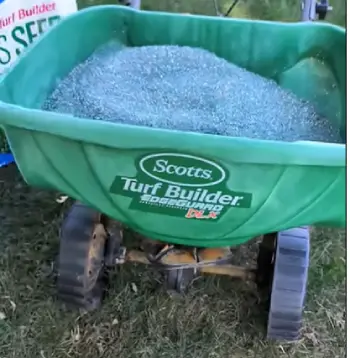
- Turf Builder Technology: Mixes like Sun & Shade or Rapid Grass combine seed with fertilizer and sometimes mulch for faster visible green-up.
My shaded areas responded noticeably quicker with their specialized blends.
- Engineered Varieties: Focus on drought tolerance, disease resistance, and beautiful fine textures.
The Kentucky bluegrass components give that deep green many people chase.
- High Germination Rates: Especially in coated versions that protect seeds and retain moisture.
I saw sprouts in under a week in good conditions.
- Wide Availability and Support: Easy to find at big box stores with plenty of guidance on the packaging for different lawn problems.
- All-Purpose and Specialized Options: From patch repair to full lawn overhaul, they have a product tailored for almost every scenario.
Pros Of Scotts Grass Seed
- Delivers that “wow” green factor faster, which motivated me to keep going with my lawn project.
- Convenient products reduce guesswork on timing fertilizer with seeding.
- Strong performance in sun-to-shade transitions common in suburban yards.
- Excellent disease and drought resistance in their better mixes, meaning less worry during summer.
- Trusted brand with consistent quality year after year.
Cons Of Scotts Grass Seed
- Higher price tag means you spend more for similar coverage on big areas.
- Some coated products have a lot of mulch or filler, so pure seed content feels lower per pound.
- Can be overkill or too expensive if your lawn just needs basic overseeding.
- Occasional reports of grassy weeds despite purity claims, though I had minimal issues.
- Results depend heavily on following their specific watering and feeding schedule for best outcomes.
How I Prepared And Applied Both Seeds In My Yard?
I started by mowing low, raking up debris, and loosening the top soil.
For Schultz sections, I spread the seed evenly, lightly raked it in, and watered gently twice a day for the first two weeks.
The high traffic mix filled in bare spots quickly and stood up to my dogs running through it.
With Scotts, I tried their Sun & Shade mix and a rapid version. The built-in fertilizer gave an early boost, and I noticed thicker growth in the sunnier patches.
Both needed consistent moisture, but Scotts seemed a tad more forgiving if I missed a day or two thanks to coatings.
My Real-User Experience Testing Both Side By Side
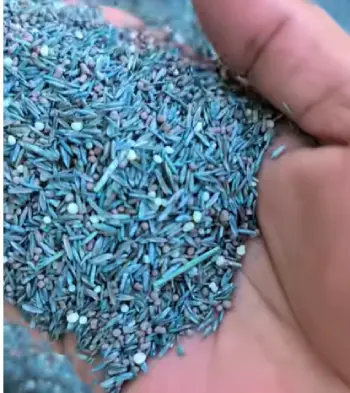
Last spring I split a tough backyard section. One half got Schultz Hardy Lawn mix, the other Scotts Turf Builder.
Both areas had similar sun exposure and soil. I prepped by raking, adding some compost, and watering consistently.
The Schultz side showed green shoots a couple days earlier, thanks to the ryegrass kick. By week three it looked full and sturdy under foot traffic.
The Scotts side filled in a bit slower but developed a richer color by month two.
After mowing through summer, both held up, but Schultz felt like the better value when I calculated seed used versus results.
In shadier spots near the fence, Schultz’s shade-tolerant option kept pace surprisingly well. Scotts excelled where I wanted that magazine-lawn look with less effort on my part. Neither failed me, but they shine in different scenarios.
How To Choose Between Schultz And Scotts For Your Lawn?
Think about your budget first. If you want solid grass without spending extra, start with Schultz. You’ll get reliable coverage and can invest savings in better soil prep or ongoing care.
For convenience and that premium feel, especially if you’re new to lawn work or have tricky light conditions, Scotts makes the process smoother.
Consider your grass type needs too. Tall fescue for durability? Both offer good options. Kentucky bluegrass for that classic look? Scotts has strong entries, but Schultz mixes deliver it affordably.
Always check the bag label for exact percentages and test dates—fresh seed matters more than brand.
Soil quality plays a huge role. Poor, compacted dirt benefits from either when you aerate and amend first.
I learned the hard way that even the best seed struggles without decent prep. Watering discipline in the first weeks separates success from spotty failure for both.
Tips For Getting The Best Results No Matter Which You Pick?
Prep your soil by removing debris, loosening the top layer, and adding organic matter. Spread at the recommended rate—overseeding too thick causes competition.
Keep the area moist but not soggy for the first 10-14 days. Mow high once it reaches mowing height to encourage deeper roots. Fertilize appropriately after establishment.
Monitor for weeds early and address them without harming new seedlings. Both brands perform better with consistent care. In my experience, combining either seed with good practices beats relying on the bag alone.
Understanding Grass Types In These Blends
Perennial ryegrass gives quick cover and wears well—common in both. Kentucky bluegrass spreads via rhizomes for self-repair and that dense feel, stronger in many Scotts mixes. Fine and tall fescues add shade and drought tolerance, appearing in both lines.
Picking the right blend for your climate and use makes all the difference. Northern lawns love cool-season mixes both brands provide. Test small areas if unsure.
Long-Term Lawn Maintenance After Seeding
Neither seed magically creates a perfect lawn forever. You’ll overseed annually in high-use spots. Both respond well to proper mowing, watering, and feeding schedules.
Schultz users often supplement more actively, while Scotts fans lean on the brand’s full system. I rotate between them now depending on the project—budget repairs with Schultz, show areas with Scotts.
Pests, diseases, and extreme weather test any turf. Building thick, healthy grass through either brand helps resilience. Aeration, dethatching, and soil testing keep things optimal over years.
Cost Breakdown And Value Analysis
Schultz frequently costs half or less per pound, letting you cover more ground or buy extra for thick application.
Scotts justifies its price with convenience and branding for many, but pure seed-per-dollar favors Schultz.
Over multiple seasons, the savings add up if you maintain well. I track expenses and results—value winner depends on your priorities, but Schultz wins my wallet battles.
Environmental And Practical Considerations
Both brands offer blends for various conditions, reducing water and chemical needs when matched right.
Tall fescue options in each conserve resources better in drier spells. Choose locally suited mixes to support your ecosystem.
Proper application minimizes waste and runoff. As a homeowner, I appreciate options that deliver results without excess.
Common Mistakes To Avoid
Skipping soil prep tops my regret list. Inconsistent watering kills germination. Ignoring bag instructions or using old seed wastes effort. Choosing the wrong sun/shade mix for your yard leads to disappointment. Both brands succeed more when you avoid these pitfalls.
I’ve made most of them myself over time. Learning curves improved my success rate dramatically with both Schultz and Scotts.
Also Read: Is Jonathan Green Black Beauty Ultra Grass Seed Worth It?
Frequently Asked Questions (FAQ)
Yes, it offers solid value and reliable performance for everyday lawns, especially when sourced from quality producers.
It depends on your lawn conditions and budget—no single brand wins universally, but both Schultz and Scotts rank well for home use.
Professionals often choose specialized suppliers or premium blends like Jonathan Green, but many use Scotts for convenience on client jobs.
Schultz products are frequently produced in partnership with Barenbrug, a well-regarded turf seed company.
Wrapping Up
After putting both through real tests in my own yard, I see clear places for each.
Schultz gives me dependable, affordable performance that punches above its price—perfect for most of my projects and budget-minded fixes.
Scotts delivers convenience, strong branding, and that satisfying premium look when I want simplicity or maximum visual impact.
You don’t need to pick one forever. I use Schultz for bulk overseeding and repairs, Scotts for key areas where I want less hassle.
The right choice comes down to your specific lawn challenges, budget, and how much hands-on work you enjoy.
Experiment like I did—start small and scale what works. Your lawn can look great either way when you pair good seed with solid care.
What matters most is getting seed down and nurturing it. Both brands help you achieve thicker, greener grass. Pick based on your needs, commit to the process, and enjoy the results you create.
Recent Posts
● Interactive 5-Zone Interior & Exterior Paint Blueprint Paint Coverage Calculator: Gallons, Primer, Square Footage & Cost Tap any architectural surface zone on the blueprint...
If you want smooth, shiny hair without spending a fortune on a premium styling tool, the Ella Bella hair dryer may be worth considering.In these Ella Bella hair dryer reviews, I’ll look...