
If you want to keep your furniture, car seats, rugs, or fabric décor looking cleaner for longer, Scotchgard Fabric Water Shield is one of the first products worth considering.
I decided to test it because I was tired of accidental coffee spills, muddy paw prints, and everyday stains ruining expensive fabrics.
After using it on different materials, I found it to be a practical preventative solution rather than a miracle cleaner.
If protecting your fabric investment matters to you, this product is definitely worth considering.
My Personal Experience Using Scotchgard Fabric Water Shield
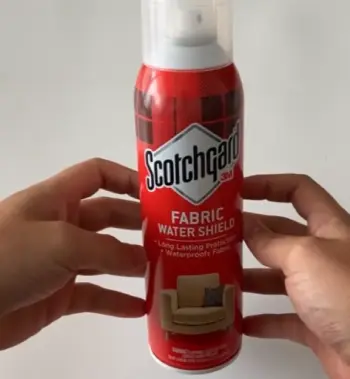
When I first bought Scotchgard Fabric Water Shield, I wasn’t expecting dramatic results. Like many people, I had seen mixed opinions online.
Some users praised it while others questioned whether it really worked. Instead of relying on reviews alone, I decided to test it myself on several household items.
My first test involved a light grey fabric sofa that constantly attracted spills from coffee, juice, and snacks.
Before applying the spray, I vacuumed the surface thoroughly and allowed the fabric to dry completely. Following the instructions, I sprayed two light, even coats instead of soaking the material.
The drying process took several hours, and I noticed only a mild chemical smell that disappeared after good ventilation.
The first real challenge came when I accidentally spilled water onto the sofa. Instead of soaking in immediately, the liquid formed small beads on the surface.
I simply wiped everything away with a clean cloth. That was honestly the moment I realised the product was doing exactly what it promised.
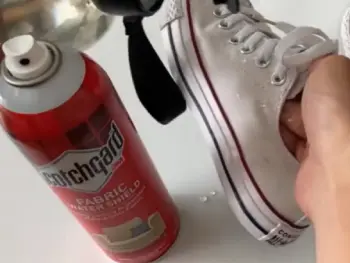
Over the following months, I tested it on dining chair cushions, canvas shoes, backpacks, and even fabric car seats.
Water resistance remained noticeable, especially during the first several weeks. Small spills became much easier to clean because liquids didn’t penetrate instantly into the fibres.
However, I also learned that Scotchgard isn’t permanent. Heavy use gradually reduced its effectiveness, particularly on seats that experienced daily friction.
After about six months on lightly used furniture and around three months on frequently used car seats, I found myself reapplying the product.
Another thing I appreciated was that the fabric didn’t become stiff or noticeably darker after application. Most treated items maintained their original appearance, although I always recommend testing an inconspicuous area first.
Overall, my experience has been positive because Scotchgard works best as preventive protection rather than stain removal.
If you expect it to erase existing stains, you’ll likely be disappointed. But if your goal is keeping fabrics cleaner and easier to maintain, it performs very well.
Key Features Of Scotchgard Fabric Water Shield
Scotchgard Fabric Water Shield is designed to create an invisible protective barrier around fabric fibres. Instead of making materials waterproof like plastic, it encourages liquids to bead up on the surface long enough for you to wipe them away.
The spray can be applied to upholstery, curtains, backpacks, fabric shoes, cushions, patio furniture, luggage, clothing, and automotive interiors. One of its strongest selling points is that it generally doesn’t change the texture, colour, or softness of properly treated fabrics.
The formula is also designed to dry clear, making it suitable for light-coloured furniture where visible residue would be unacceptable.
Pros Of Scotchgard Fabric Water Shield
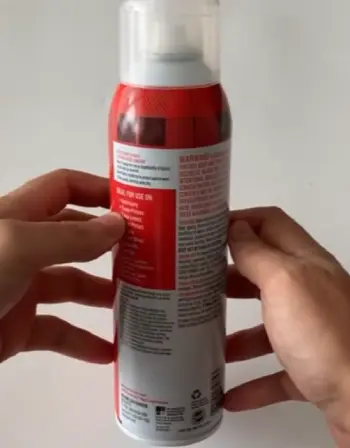
- Excellent Spill Protection
The biggest advantage I noticed was how effectively the product repelled everyday liquids.
Water, juice, coffee, tea, and soft drinks remained on the surface instead of instantly soaking into fabric.
This extra response time makes cleaning significantly easier.
- Helps Prevent Permanent Stains
One thing I appreciate is that Scotchgard reduces the chance of stains becoming permanent. Since liquids remain on the surface longer, you have more time to blot rather than scrub aggressively.
This is especially valuable if you have children or frequently entertain guests. Accidents happen, but they become far less stressful when your upholstery has a protective barrier.
- Easy to Apply
Application couldn’t be much simpler.
After cleaning the fabric, I simply sprayed even coats while maintaining proper distance. There’s no mixing, brushing, or complicated preparation involved.
Even someone with no previous experience can achieve good results by following the instructions carefully.
- Works on Many Different Fabrics
Versatility is another major advantage.
I successfully used it on:
Fabric sofas
Dining chairs
Canvas shoes
Backpacks
Car seats
Curtains
Outdoor cushions
Because one can covers multiple household items, I found it offered good overall value.
- Doesn’t Change Fabric Feel
Some protective sprays leave fabrics stiff or sticky. Fortunately, Scotchgard maintained the original softness on nearly every item I treated.
That helped preserve the comfort of furniture while still adding useful protection.
- Invisible Finish
One concern I initially had involved visible residue. Thankfully, the spray dried completely clear on my fabrics.
No glossy coating appeared, and colours remained virtually unchanged.
- Long-Lasting Protection
Although not permanent, protection lasts surprisingly well when fabrics receive normal household use.
Furniture used occasionally stayed protected for several months before requiring another application.
- Saves Cleaning Time
One unexpected benefit was how much easier routine cleaning became.
Instead of scrubbing stubborn stains, most spills simply wiped away with a cloth.
That alone saved considerable effort over time.
- Suitable for Busy Households
If your home includes children, pets, or frequent visitors, you’ll appreciate having an extra layer of protection.
Daily life becomes much less stressful when minor accidents don’t immediately become permanent stains.
- Helps Preserve Furniture Investment
Quality sofas and upholstered furniture can cost hundreds or even thousands of pounds.
Spending a relatively small amount on preventative protection makes financial sense if it extends the life and appearance of expensive furnishings.
Cons Of Scotchgard Fabric Water Shield
- Protection Isn’t Permanent
One of the biggest drawbacks I noticed is that Scotchgard Fabric Water Shield doesn’t provide lifetime protection.
The protective barrier gradually wears away due to everyday use, friction, cleaning, and exposure to sunlight.
If you use it on frequently used furniture or car seats, you’ll likely need to reapply it every few months to maintain the same level of water and stain resistance.
If you’re looking for a one-time solution, this may feel inconvenient.
- Strong Odour During Application
When I first sprayed the product, I immediately noticed a noticeable chemical smell.
Although the odour faded after a few hours with proper ventilation, it can be unpleasant if you’re applying it indoors without enough airflow.
People who are sensitive to strong smells should plan to use it outside or keep windows open until the treated fabric has completely dried.
- Doesn’t Remove Existing Stains
Scotchgard is designed as a protective treatment, not a fabric cleaner.
If your sofa, chair, or carpet already has stains, spraying Scotchgard over them won’t make them disappear.
In fact, applying it to dirty fabric may seal in the dirt. You’ll need to clean the fabric thoroughly before using the product, which adds an extra step to the process.
- Requires Careful Application
Although the application process is straightforward, you still need to apply the spray evenly.
Spraying too heavily can oversaturate the fabric, while spraying too lightly may leave areas without adequate protection.
Large furniture pieces also require patience because multiple light coats and drying time are recommended for the best results.
- Not Suitable for Every Fabric
While Scotchgard works well on many common fabrics, it isn’t appropriate for every material.
Delicate textiles such as silk, velvet, suede, or certain specialty fabrics may react differently. That’s why I always recommend testing the product on a hidden area first.
Skipping this step could lead to unexpected discoloration or changes in texture on sensitive materials.
Tips For Scotchgard Fabric Water Shield
- Always Clean Before Applying
One lesson I learned quickly is that Scotchgard works best on clean fabric. Dirt, grease, and existing stains become trapped beneath the protective coating if you skip cleaning first.
Vacuum upholstery thoroughly and allow fabrics to dry completely before spraying.
- Apply Thin, Even Coats
Many people assume heavier spraying creates stronger protection.
My experience proved the opposite.
Several light coats distribute the formula more evenly and reduce the chance of uneven drying or oversaturation.
- Maintain Proper Spray Distance
Holding the can too close can create wet patches.
Keeping the recommended distance helps achieve a smooth, consistent protective layer across the entire surface.
- Allow Complete Drying Time
Patience matters.
Using treated furniture too early may reduce performance because the protective coating hasn’t fully bonded with the fibres.
Whenever possible, leave treated items untouched overnight.
- Reapply After Heavy Cleaning
Steam cleaning or shampooing gradually removes protective coatings.
Whenever upholstery receives intensive cleaning, I recommend applying a fresh layer afterwards.
- Protect High-Traffic Areas More Frequently
Armrests, seat cushions, dining chairs, and vehicle seats experience much greater wear than decorative cushions.
These areas naturally need more frequent maintenance.
- Store the Can Properly
Avoid exposing unused cans to excessive heat or freezing temperatures.
Proper storage helps maintain spray performance until your next application.
- Always Test Hidden Areas
Even though Scotchgard works well on most fabrics, every textile reacts differently.
Testing a concealed section first remains the safest approach before treating an entire item.
- Improve Ventilation During Application
Open windows and use fans while spraying.
Good airflow not only reduces odours but also supports faster drying.
- Make Protection Part of Regular Home Care
Rather than waiting until furniture starts showing stains, build fabric protection into your normal maintenance routine.
Applying Scotchgard every several months helps maintain consistent protection while reducing future cleaning effort.
Over time, I found this preventative approach much easier than constantly trying to remove stubborn stains after accidents occurred.
Comparison Of Scotchgard Fabric Water Shield With Other Brands

- Scotchgard vs Rust-Oleum NeverWet
Rust-Oleum NeverWet focuses more on creating extremely water-repellent surfaces.
While it offers stronger water resistance, it isn’t always ideal for indoor upholstery because treated fabrics may feel less natural.
Scotchgard keeps fabrics softer and better suited for furniture, clothing, and automotive interiors.
- Scotchgard vs ForceField Fabric Protector
ForceField places greater emphasis on stain resistance while maintaining fabric breathability.
In my experience, Scotchgard provides a simpler application process and wider availability, making it the easier choice for everyday homeowners.
- Scotchgard vs TriNova Fabric Protector
TriNova performs well on upholstery and outdoor fabrics while offering environmentally conscious ingredients.
However, Scotchgard has decades of consumer trust and consistently delivers dependable protection across many different fabric types.
- Scotchgard vs Guardsman Fabric Defence
Guardsman is particularly popular for premium furniture protection.
It performs well on expensive upholstery, but Scotchgard offers similar everyday protection at a more affordable price, making it the better value for most households.
Frequently Asked Questions (FAQ)
It requires periodic reapplication, has a temporary chemical odour during application, and doesn’t remove existing stains.
Some alternatives may offer stronger water resistance for specific uses, but Scotchgard remains one of the most balanced options for everyday fabric protection.
The original formula containing PFOS was discontinued years ago due to environmental concerns. The current version uses a reformulated chemistry.
Yes. When used according to the instructions in a well-ventilated area and allowed to dry completely, it is generally considered safe for household fabric protection.
Final Verdict
After spending months using Scotchgard Fabric Water Shield on furniture, shoes, backpacks, and car interiors, I can confidently say it delivers exactly what it’s designed to do.
It won’t make fabric indestructible, and it certainly isn’t a stain remover, but it gives you valuable extra time to clean spills before they become permanent problems.
If you want an affordable way to protect your fabric investments and reduce cleaning headaches, Scotchgard Fabric Water Shield is a purchase I would happily recommend.
Recent Posts
I tried Meltoway Hair Dissolving Cream because I wanted a quick way to deal with unwanted body hair without reaching for a razor every few days. If you are looking for a convenient at-home...
If you’re considering a saffron-based supplement to support mood, appetite control, and everyday wellness, Happy Saffron Plus is worth considering.I like that it takes a familiar botanical...