
If you’re tired of drafts, rising energy bills, or an outdated attic access panel, I believe the Sealin’ Hatch Insulated Ceiling Attic Access Door deserves serious attention.
After researching its features and comparing it with traditional attic access solutions, I found it to be a practical upgrade for homeowners who want better insulation and a cleaner ceiling appearance.
If comfort, energy savings, and easy attic access matter to you, this product is definitely worth considering before choosing a standard attic hatch.
My Personal Experience With The Sealin’ Hatch Insulated Ceiling Attic Access Door
When I first started looking for ways to improve my home’s energy efficiency, the attic hatch wasn’t even on my checklist.
Like many homeowners, I focused on windows, weather stripping, and attic insulation itself.
Then I realized something surprising—the attic access door was allowing conditioned air to escape throughout the year.
That’s when I decided to evaluate the Sealin’ Hatch Insulated Ceiling Attic Access Door.
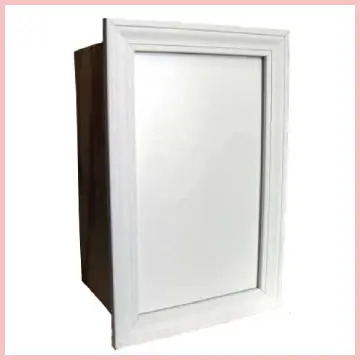
My first impression was that it looked much more finished than the typical plywood or drywall attic hatch installed in many homes.
Instead of feeling like an afterthought, it blended nicely into the ceiling while providing a tight, insulated seal.
Installation appeared much simpler than building a custom insulated hatch from scratch. Everything seemed designed with homeowners in mind, which immediately reduced the frustration that usually comes with home improvement projects.
After installation, the difference wasn’t dramatic overnight, but it became noticeable over the following weeks.
The room beneath the attic maintained temperature more consistently. During colder mornings, I didn’t feel the chilly draft that previously came from the ceiling area. During warmer afternoons, my HVAC system seemed to cycle less frequently.
Another thing I appreciated was the convenience. Accessing the attic became much easier because the hatch opened smoothly and closed securely every time.
Unlike older attic panels that shift or become loose, this one stayed firmly in place.
Noise reduction was another pleasant surprise. While no attic hatch can completely block sound, the insulated construction reduced some of the noises that previously traveled from the attic into the living space.
What impressed me most wasn’t one standout feature—it was how all the small improvements worked together
. Better insulation, cleaner appearance, easier access, and improved sealing combined to create a much better overall experience.
If you’re expecting a life-changing renovation, this isn’t it. However, if you’re looking for a smart home upgrade that quietly improves comfort and energy efficiency every day, the Sealin’ Hatch delivers exactly what most homeowners need.
What Is The Sealin’ Hatch Insulated Ceiling Attic Access Door?
The Sealin’ Hatch Insulated Ceiling Attic Access Door is a premium attic access solution designed to replace traditional attic openings that often leak air and reduce insulation performance.
Instead of relying on a loose drywall panel or simple plywood cover, it combines an insulated access panel with an airtight sealing system.
This helps minimize conditioned air loss while allowing convenient access to the attic whenever maintenance is needed.
The product focuses on three major goals:
- Better energy efficiency
- Improved indoor comfort
- Easier attic accessibility
It serves as both an attic access panel and an insulated barrier between your living space and the attic.
Key Features Of Sealin’ Hatch Insulated Ceiling Attic Access Door
- High-Quality Insulated Panel
The insulated construction helps reduce heat transfer between your conditioned living space and the attic.
- Airtight Seal
One of its biggest advantages is the gasket sealing system, which minimizes unwanted air leakage.
- Clean Ceiling Appearance
The finished design blends well with modern ceilings instead of looking like a temporary attic opening.
- Easy Access
Opening and closing the hatch requires very little effort, making seasonal attic inspections much easier.
- Durable Construction
The materials are designed to resist warping, cracking, and regular household wear over many years.
Pros Of The Sealin’ Hatch Insulated Ceiling Attic Access Door
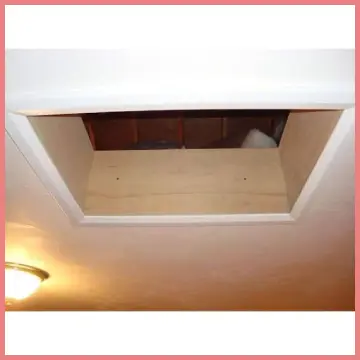
One of the biggest reasons I appreciate this product is that it addresses a part of the house many homeowners overlook.
Your attic access point may seem small, but it can become a weak spot in your home’s insulation system.
After spending time evaluating how this insulated hatch performs, I found several advantages that genuinely stand out.
- Excellent Energy Efficiency
The biggest benefit is improved insulation performance. A traditional attic hatch often allows warm or cool air to escape through gaps around the opening.
The Sealin’ Hatch creates a much tighter seal, helping your HVAC system work more efficiently.
When less conditioned air escapes into the attic, your heating and cooling equipment doesn’t have to run as often.
Over time, this can contribute to lower utility costs while maintaining a more comfortable indoor temperature.
- Better Indoor Comfort
One thing I noticed quickly was how much more consistent the room temperature felt beneath the attic.
Instead of experiencing cold spots during winter or excessive warmth during summer, the ceiling area became much more stable.
If you’ve ever stood beneath an old attic hatch and felt air movement, you’ll appreciate this improvement immediately.
- Professional Appearance
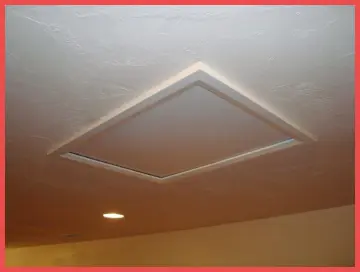
Many attic access panels look unfinished or outdated. This model gives the ceiling a cleaner, more polished appearance that blends naturally with surrounding drywall.
Rather than drawing attention, it becomes part of the room’s overall finish.
- Easy Daily Operation
Opening an attic hatch shouldn’t feel like wrestling with a heavy piece of plywood.
The Sealin’ Hatch operates smoothly, making routine inspections, storage access, and maintenance much less frustrating.
Even if you access your attic several times each year, you’ll likely appreciate how convenient it feels.
- Reliable Air Seal
The sealing gasket deserves special recognition because it’s one of the product’s strongest features.
Instead of relying solely on the panel’s weight to close gaps, the gasket creates a tighter connection around the opening, helping reduce unwanted airflow.
- Reduced Dust Movement
A better seal doesn’t only improve insulation—it also helps reduce dust movement between the attic and your living space.
This creates a cleaner indoor environment while minimizing airborne debris entering occupied rooms.
- Moisture Management
Although it isn’t designed as a waterproof barrier, the tighter seal helps reduce moisture migration caused by uncontrolled air leakage.
This can support healthier attic conditions throughout the year.
- Durable Materials
The construction feels sturdy enough for long-term residential use.
Unlike homemade attic covers that may warp over time, this insulated hatch is built for consistent performance.
- Low Maintenance Design
Once properly installed, it requires very little attention beyond occasional cleaning and inspection.
That makes it ideal for homeowners who prefer simple maintenance routines.
- Adds Value to Home Improvements
When improving insulation, upgrading windows, or sealing air leaks, replacing the attic hatch completes the overall efficiency strategy.
It’s a relatively small investment that complements larger energy-saving upgrades.
Cons Of The Sealin’ Hatch Insulated Ceiling Attic Access Door
No product is perfect, and I think it’s important to understand where the Sealin’ Hatch may not be the ideal choice.
- Higher Initial Cost
Compared to a simple plywood attic cover, the purchase price is noticeably higher.
However, you’re paying for insulation, sealing performance, convenience, and overall build quality.
- Installation May Require Precision
Although installation is straightforward for experienced DIY homeowners, accurate measurements remain essential.
An improperly sized opening can affect sealing performance.
- Not Universal for Every Ceiling
Older homes sometimes have unique framing dimensions that may require modifications before installation.
- Limited Immediate Savings
Energy savings usually appear gradually rather than instantly.
If you’re expecting dramatic reductions in utility bills after one month, your expectations may be unrealistic.
- May Be More Than Some Homes Need
If your attic is rarely accessed and already has excellent insulation with a well-sealed custom hatch, upgrading may provide smaller improvements.
Maintenance Tips For Sealin’ Hatch Insulated Ceiling Attic Access Door
- Keep the Seal Clean
The gasket is one of the most important components of the hatch. Dust, insulation fibers, and debris can collect around it over time.
I occasionally wipe the seal with a soft cloth to remove buildup. Keeping the gasket clean helps it maintain full contact with the frame and reduces the chance of small air leaks.
- Inspect the Gasket Regularly
Every few months, I check the gasket for cracks, flattening, or signs of wear. A damaged seal won’t perform as effectively, so catching issues early helps preserve the hatch’s airtight performance.
- Open and Close It Properly
Avoid forcing the panel open or slamming it shut. Smooth operation reduces unnecessary stress on the hinges, frame, and sealing surfaces.
Gentle handling helps the entire assembly stay aligned for years.
- Check Fasteners
Temperature changes can sometimes loosen mounting hardware.
I inspect screws occasionally to make sure everything remains secure without overtightening them.
- Watch for Air Leaks
During extremely hot or cold weather, I place my hand around the perimeter to check for noticeable drafts.
If I detect airflow, I inspect the gasket and alignment before assuming there’s a larger insulation issue.
- Keep the Surrounding Ceiling Dry
Roof leaks should always be repaired quickly.
Moisture exposure can affect nearby drywall and eventually impact attic access components if ignored for long periods.
- Clean Dust from the Frame
The frame collects dust just like any other ceiling surface.
A damp microfiber cloth usually removes surface dirt without damaging the finish.
- Avoid Heavy Loads
The hatch is designed for attic access—not for supporting additional storage or hanging equipment.
Keeping unnecessary weight off the assembly protects its structural integrity.
- Inspect After Attic Work
Whenever insulation contractors, electricians, or HVAC technicians enter the attic, I check the hatch afterward.
Sometimes insulation can interfere with proper closing if it’s accidentally shifted during work.
- Include It in Seasonal Home Maintenance
I add the attic hatch to my spring and fall maintenance checklist.
Those quick inspections only take a few minutes and help ensure everything continues working exactly as intended throughout the year.
Comparison Of Sealin’ Hatch With Other Brands
- Sealin’ Hatch vs Generic Plywood Attic Covers
The difference is immediately noticeable. A basic plywood cover offers minimal insulation and often leaves gaps around the opening.
The Sealin’ Hatch provides a much tighter seal, better thermal performance, and a cleaner appearance.
- Sealin’ Hatch vs DIY Insulated Attic Hatches
Building your own insulated hatch can save money if you have the tools and experience. However, achieving the same level of fit, finish, and airtight sealing isn’t always easy.
I prefer the consistency and convenience of a professionally designed solution.
- Sealin’ Hatch vs Foam Attic Hatch Covers
Foam covers placed over attic openings improve insulation but don’t replace the hatch itself.
The Sealin’ Hatch combines insulation, accessibility, durability, and appearance into a single integrated product rather than relying on an additional cover.
- Sealin’ Hatch vs Premium Metal Attic Access Panels
Metal attic panels are often chosen for commercial settings where durability is the top priority.
For residential applications, I find the Sealin’ Hatch offers a better balance of insulation, comfort, ease of use, and overall aesthetics.
Is The Sealin’ Hatch Worth Buying?
From my perspective, yes.
If you’re already improving attic insulation or trying to reduce energy waste, upgrading the attic access door makes perfect sense.
The Sealin’ Hatch addresses one of the most commonly ignored areas where conditioned air escapes. While it won’t replace proper attic insulation, it complements your home’s insulation system exceptionally well.
For homeowners who value comfort, lower energy loss, cleaner finishes, and convenient attic access, I believe it’s a worthwhile investment.
Also Read: Is Retractable Screen Door Worth It?
Frequently Asked Questions (FAQ)
High-quality weatherstripping or foam gasket seals are typically the best choice for creating an airtight attic hatch.
Yes. Insulating the attic hatch helps reduce heat transfer, improve comfort, and increase energy efficiency.
Prices vary widely depending on size and construction, but insulated premium models generally cost more than basic access panels.
An insulated attic hatch with an integrated airtight sealing system is usually the most effective long-term solution.
Wrapping Up
After reviewing the Sealin’ Hatch Insulated Ceiling Attic Access Door, I believe it’s one of those upgrades that quietly improves your home every single day.
You may not notice dramatic changes immediately, but better comfort, improved insulation, reduced drafts, and easier attic access all add up over time.
If you’re serious about making your home more energy efficient while giving your attic entrance a cleaner, more professional finish, I think this product is a smart purchase that offers lasting value.
Recent Posts
I spent months comparing budget options against established names after my last set of tires wore out sooner than expected.My goal here is to share what I learned from putting Dextero and...
AquaTru Carafe Vs. Classic: Which Is Actually Fits Your Kitchen?
I decided to write this comparison after months of testing both the AquaTru Carafe and the Classic in my own kitchen. Tracking covered daily use.Taste stayed consistent. Refill frequency...