
If you want supplements with clearly identified ingredients, specialized formulations, and options for different nutritional needs, Seeking Health vitamins are worth considering.
I would put this brand on my shortlist if I wanted to compare ingredient quality, dosage, and product transparency before spending money on supplements.
However, I would not assume that every formula is necessary or suitable for everyone.
In this review, I’ll examine the brand’s potential benefits, drawbacks, maintenance tips, and alternatives to help you decide whether Seeking Health deserves a place in your daily routine.
My First Experience With Seeking Health Vitamins
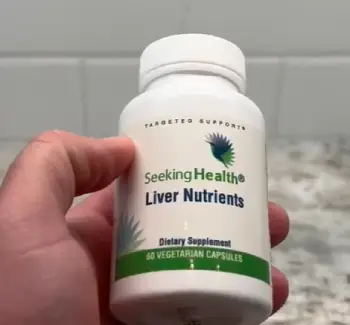
When I evaluate a supplement brand, I look beyond attractive packaging and promises about wellness.
I want to understand what the products contain, who might benefit from them, how easy they are to use, and whether the price makes sense for the intended purpose.
Seeking Health stands out for its focus on targeted nutritional supplements.
Rather than offering only basic multivitamins, the company has products designed around different nutritional goals, including general nutrient support, vitamin B12 supplementation, folate, and digestive health.
This variety can be helpful when you want something more specific than a conventional multivitamin.
One product that deserves attention is Multivitamin One MF. Its name appeals to people looking for a multivitamin that fits particular dietary preferences and nutritional priorities.
Before choosing it, though, I would carefully review the current Supplement Facts panel, including the forms and amounts of vitamins and minerals, rather than relying on the product name alone.
I also consider how a supplement fits into everyday life. A formula may look impressive on paper, but if it contains unnecessary ingredients, causes discomfort, or requires a complicated schedule, it might not be the right choice for me. Convenience, tolerability, and consistency matter just as much as the label.
It is important to distinguish a product review from a verified personal-use report.
I have not independently tested Seeking Health products or confirmed firsthand results, so I would not claim that I personally experienced better energy, improved digestion, or other health benefits. Instead, I assess the brand using practical purchasing criteria and the information a consumer should verify before buying.
My main takeaway is that Seeking Health may appeal to people who want more specialized supplement options. However, the best choice depends on your diet, existing supplements, health needs, and budget. I would compare individual formulas carefully instead of assuming that the brand’s entire range offers the same benefits.
Seeking Health was founded by Dr. Ben Lynch in 2011. The brand focuses on nutritional supplements with formulations intended to address different nutritional priorities, including vitamins, minerals, and specialized nutrient combinations.
One of the brand’s defining features is its attention to the forms of nutrients used in individual products.
Two multivitamins can contain the same vitamin while using different chemical forms, amounts, and combinations of supporting ingredients. Those differences can matter when you are choosing a supplement for a specific reason.
Pros Of Seeking Health Vitamins

- A Broad Selection of Targeted Supplements
One major advantage is the availability of products for different nutritional goals.
Rather than relying entirely on one general-purpose formula, consumers can compare multivitamins, individual vitamins, minerals, and other specialized products.
I see this as helpful when a healthcare professional recommends a particular nutrient or when a person has identified a dietary gap that a supplement can reasonably address.
The selection also gives you flexibility. You can evaluate a comprehensive multivitamin against a more targeted option instead of assuming that every person needs the same combination of nutrients.
Still, the breadth of the range is most useful when you understand what you need. More choices do not automatically translate into better health.
- Different Forms of Certain B Vitamins
Seeking Health’s product range includes formulations that use different forms of folate and vitamin B12. This can be valuable for people who have specific preferences or who have not tolerated particular products well.
For example, Multivitamin One MF is designed without methylated forms of certain B vitamins. That makes it a distinct option for shoppers comparing multivitamin formulations.
I would not interpret this as proof that methylated vitamins are harmful or that non-methylated versions are better for everyone.
Nutrient forms can differ in their properties, but individual response, dosage, and overall nutritional requirements matter more than broad claims about one form being universally superior.
- Detailed Formulation Choices
When I compare multivitamins, I want to know more than whether the label says it contains 20 or 30 nutrients. I want to understand the quantities, forms, and balance of those ingredients.
A detailed formula gives consumers an opportunity to assess whether the supplement fits their existing routine. This is particularly important if you already take individual vitamins or minerals.
A multivitamin containing nutrients you already receive in sufficient quantities might not offer much additional value. Conversely, a well-matched product can be convenient when it helps address a genuine dietary shortfall.
The key advantage is the ability to make an informed comparison, provided you read the full label rather than relying on the product’s headline claims.
- Positive Customer Feedback for Multivitamin One MF
Customer feedback provides another useful perspective. Reviews for Multivitamin One MF frequently mention convenience, tolerability, and satisfaction with the formulation.
Some customers say it is easier on their stomachs than multivitamins they previously tried, while others appreciate having an option without methylated B vitamins.
These comments suggest that the product meets certain preferences among its existing customers. However, they are personal reports, not controlled clinical evidence.
A positive review cannot establish that a supplement will improve your energy, correct a deficiency, or produce the same outcome for you. I would treat customer experiences as one part of the purchasing decision, alongside the ingredient label and independent quality information.
- Potential Convenience for Daily Routines
A supplement is easier to manage when its schedule fits naturally into your day. Depending on the specific formula and serving instructions, a multivitamin may help simplify a routine compared with purchasing several separate products.
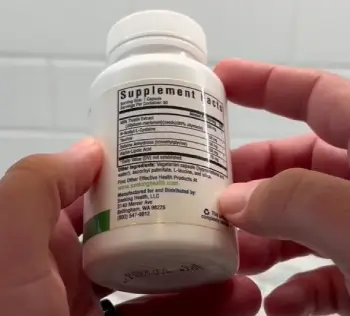
Before buying, I would check the recommended serving size, the number of capsules per serving, and the number of servings in the container. These details affect both convenience and the actual cost of daily use.
I would also consider whether the product needs to be taken with food and whether I can comfortably swallow the capsules. A formula that looks excellent on paper is less practical if using it consistently is difficult.
Cons Of Seeking Health Vitamins
- The Price May Be Higher Than Basic Alternatives
Specialized supplements can cost more than basic multivitamins. If you take supplements every day, even a modest difference in price can become significant over several months.
I would calculate the cost per recommended daily serving rather than compare bottle prices alone. A bottle containing fewer servings may look affordable at first but cost more over time.
If your nutritional needs are straightforward, a less expensive product with appropriate nutrient amounts and reliable quality controls may be sufficient.
- Not Every Formula Suits Every Person
A product can be well formulated and still be unsuitable for an individual. People differ in their diets, health conditions, medication use, and tolerance of supplement ingredients.
Some customers report that Multivitamin One MF agrees with their stomach, but others may experience discomfort or other unwanted effects. Ingredients such as iron, iodine, or certain vitamins may also require special consideration depending on a person’s circumstances.
I would never assume that a specialized formulation is automatically appropriate just because it is designed for a particular nutritional preference.
- Specialized Marketing Can Be Confusing
Terms related to methylation, genetics, and nutrient metabolism can make supplement shopping seem more complicated than it needs to be.
If you encounter claims suggesting that a particular genetic variation means you must take a specific formula, pause before purchasing. Genetic results do not independently establish every person’s nutritional requirements, and broad claims should not replace appropriate clinical assessment.
I prefer products whose ingredients, intended uses, limitations, and serving instructions are clearly explained.
- Third-Party Testing Requires Verification
Quality assurance is important, but consumers should know exactly what testing has been performed.
Supplier testing, internal laboratory checks, finished-product testing, and independent third-party certification are not interchangeable. They can provide different kinds of evidence.
I would not assume that every Seeking Health supplement carries independent certification simply because the company describes its quality standards. If third-party verification is a deciding factor for you, request documentation for the exact formula and batch when available.
- Supplements Can Duplicate Nutrients
This is one of the biggest practical concerns I would consider. A multivitamin can overlap with separate vitamin D, B-complex, zinc, magnesium, or other supplements.
Taking multiple products without checking their combined amounts may lead to unnecessarily high intake. Fat-soluble vitamins and certain minerals deserve particular attention because excessive intake can cause harm.
Before adding a new product, I would review everything I already take and discuss potentially excessive doses with a qualified healthcare professional.
Maintenance Tips For Seeking Health Vitamins
- Follow the Label’s Serving Instructions
My first rule would be to follow the directions on the exact product I purchased. Different Seeking Health supplements can have different serving sizes, so I would never assume that all products should be taken once a day or in the same quantity.
I would also avoid increasing the serving size simply because I wanted faster results. More vitamins do not necessarily mean more benefits, and excessive intake of certain nutrients can be harmful.
If the directions are unclear, I would contact the manufacturer or ask a pharmacist for help. For anyone taking prescription medication or managing a medical condition, a healthcare professional can help determine whether a particular formula is appropriate.
- Store Supplements in a Cool, Dry Place
Proper storage is easy to overlook, but it matters. I would keep the bottle in a dry location away from direct sunlight, excessive heat, and moisture.
A bathroom cabinet may seem convenient, but frequent changes in humidity can make it a less suitable storage location. A cool, dry cupboard is generally a better choice when it matches the product’s instructions.
I would also keep the container away from the stove, a sunny windowsill, and other places where temperatures fluctuate. Heat and moisture can affect the stability of some supplement ingredients.
If the label specifies refrigeration or other special storage conditions, I would follow those directions instead of relying on general advice.
- Keep the Original Container and Close It Properly
I would store the capsules in their original bottle whenever possible. The packaging usually contains important information about ingredients, serving sizes, expiration dates, and lot numbers.
After each use, I would close the lid securely. This simple habit helps limit exposure to air and moisture.
I would avoid transferring capsules into an unmarked container for long-term storage. If I use a weekly pill organizer for convenience, I would keep the original bottle available so I can check the label and identify the product if needed.
I would also keep all supplements out of reach of children and pets. Vitamins are not harmless simply because they are sold as nutritional products, and accidental ingestion can be dangerous.
- Check the Expiration Date and Product Condition
Before opening a new bottle, I would inspect its packaging and expiration date. I would avoid products with damaged seals, suspicious packaging, or signs of tampering.
Once the bottle is open, I would keep track of the expiration date and follow any instructions concerning use after opening. An expiration date is not a reason to assume that every ingredient remains effective indefinitely.
If capsules develop an unusual odor, change appearance unexpectedly, or show signs of moisture damage, I would stop using them and contact the manufacturer for guidance.
I would also retain the lot number and purchase details. These can be useful if I need to ask a question about the product or report a quality concern.
- Build a Consistent but Sensible Routine
Consistency is useful when a supplement is appropriate, but I would not turn taking vitamins into a complicated daily ritual.
I might associate the supplement with an established habit, such as breakfast, if its label permits taking it with food. This can make it easier to remember and may help reduce stomach discomfort for some people.
However, I would not force myself to continue taking a product that causes persistent nausea, a rash, or another concerning reaction. I would stop and seek appropriate medical advice, particularly if symptoms are severe.
I would also remember that a supplement is meant to complement a balanced diet, not replace meals, sleep, exercise, or other essential parts of a healthy routine.
Comparison Of Seeking Health Vitamins With Other Brands

- Seeking Health vs. Thorne
Thorne is worth considering if you want a supplement brand with a broad range of nutritional products and a strong emphasis on quality standards.
Seeking Health may appeal more if you are specifically interested in its targeted formulations, including products designed around different forms of certain B vitamins.
I would compare the precise nutrient amounts and forms in the two products before choosing.
A more specialized formula is not necessarily more effective, and the best option is the one that matches your nutritional needs without adding unnecessary ingredients.
- Seeking Health vs. Pure Encapsulations
Pure Encapsulations is another option for consumers looking for specialized supplements and detailed ingredient information.
Both brands offer products aimed at people who want more than a basic, general-purpose multivitamin. However, their formulas, serving sizes, excipients, and prices can differ.
If I were choosing between them, I would compare the labels side by side and check whether either product contains an ingredient I need to avoid. I would also look for relevant quality documentation rather than relying exclusively on brand reputation.
- Seeking Health vs. Nature Made
Nature Made may be more appealing if you want widely available, straightforward vitamins at a more accessible price point.
Seeking Health may be a better fit for shoppers who want particular formulations or more specialized nutritional options. That does not mean the more specialized product is automatically better.
For a simple nutrient supplement, I would consider whether an appropriately dosed, well-verified product from a mainstream brand meets the need at a lower cost. For a specific formulation preference, I would examine Seeking Health more closely.
- Seeking Health vs. NOW Foods
NOW Foods offers a wide selection of vitamins, minerals, and other nutritional products, including many budget-conscious choices.
Seeking Health is worth comparing when you have a particular formula in mind or want to explore its specialized supplement range. NOW Foods may be attractive if your priority is a broad selection at competitive prices.
I would still evaluate each individual product. Neither a lower price nor a specialized brand identity tells the whole story about ingredient quality, dosage, suitability, or value.
- Seeking Health vs. Garden of Life
Garden of Life offers various vitamins and multivitamins, including products marketed around particular dietary preferences and ingredient approaches.
Seeking Health may suit consumers looking for specific nutrient forms, while Garden of Life may appeal to shoppers who prioritize certain product formats or dietary characteristics.
I would compare the full ingredient lists, serving requirements, and any relevant certifications. Claims such as natural, whole-food-based, or specialized should not replace a careful review of the actual formulation.
Which Brand Would I Choose?
I would not declare a universal winner because the right choice depends on the product and the person taking it.
Seeking Health deserves consideration if its particular formulation meets your needs. Thorne and Pure Encapsulations are useful alternatives to compare for specialized supplements, while Nature Made and NOW Foods may be worth considering when cost and straightforward formulations are priorities.
The most sensible purchase is not necessarily the most expensive bottle. It is the product with appropriate ingredients, reliable quality information, a suitable serving size, and a reasonable cost for your circumstances.
Also Read: Is Mason Natural Vitamins Worth It?
Frequently Asked Questions (FAQ)
Seeking Health was founded by Dr. Ben Lynch in 2011, and he continues to serve as its president.
There is no single best brand for everyone. Look for transparent labels, appropriate quality testing, reliable manufacturing practices, and evidence supporting the product you choose.
The company describes quality-control and testing practices, but independent third-party testing should be verified for the specific product rather than assumed across the entire range.
Many reviewers praise its tolerability, convenient use, and non-methylated B-vitamin formulation. Some report little noticeable change or raise concerns about individual ingredients.
Final Verdict
I would consider Seeking Health if you want specialized supplement options, detailed formulations, and a multivitamin that matches your nutritional preferences.
Its Multivitamin One MF receives positive customer feedback, although individual results vary.
Before buying, compare the ingredients, total cost, and available quality documentation, and consult a healthcare professional if you have medical conditions or take medication.
My recommendation is to consider Seeking Health when a specific formula meets a genuine nutritional need—not simply because a supplement promises more benefits.
Recent Posts
● Interactive 5-Zone Interior & Exterior Paint Blueprint Paint Coverage Calculator: Gallons, Primer, Square Footage & Cost Tap any architectural surface zone on the blueprint...
If you want smooth, shiny hair without spending a fortune on a premium styling tool, the Ella Bella hair dryer may be worth considering.In these Ella Bella hair dryer reviews, I’ll look...