
As a pickleball enthusiast who’s spent countless hours on the court testing gear, I’m excited to share my thoughts on two standout paddles from Selkirk: the Luxx Control Air and the Vanguard Control.
My goal here is to break down their strengths, weaknesses, and how they stack up, so you can decide which one fits your game.
Whether you’re chasing more control or a balanced feel, this comparison will guide you through the details.
| Feature | Selkirk Luxx Control Air | Selkirk Vanguard Control |
| Price | $250 | $200 |
| Core Thickness | 20mm Thikset Honeycomb Polymer | 16mm X5+ Polypropylene Honeycomb |
| Weight Range | 7.8-8.1 oz | 7.7-8.1 oz (midweight), with lighter options 7.3-7.6 oz |
| Shapes Available | S2, Epic, Invikta | S2, Epic, Invikta |
| Face Material | Florek Carbon Fiber with InfiniGrit or ProSpin+ Texture | T700 Raw QuadCarbon Fiber |
| Handle Length | 5.35 inches | 5.5 inches (varies slightly by shape) |
| Grip Circumference | 4.25 inches | 4.25 inches |
| Paddle Length (Invikta) | 16.45 inches | 16.45 inches |
| Paddle Width (Invikta) | 7.5 inches | 7.44 inches |
| Key Focus | Ultimate control and forgiveness | Balanced control with added power and spin |
| Warranty | Limited Lifetime | Limited Lifetime |
| Made In | USA | USA |
Key Differences Between Selkirk Luxx And Vanguard
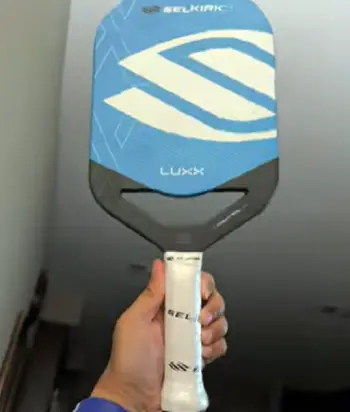
When I first picked up these paddles, the contrasts jumped out at me right away.
They’re both built for control, but they approach it differently, almost like two siblings with unique personalities.
Let me walk you through the main distinctions, based on my time testing them in real matches.
- Core Thickness and Feel: The Luxx’s 20mm core gives it a plush, absorbing sensation that softens hard shots and expands the sweet spot.
In contrast, the Vanguard’s 16mm core feels crisper, allowing for quicker responses and a bit more pop when you need to drive the ball.
I’ve noticed this makes the Luxx ideal for defensive play, while the Vanguard shines in transitions.
- Power vs. Control Balance: With its thicker build, the Luxx prioritizes pure control, making it forgiving on off-center hits but sacrificing some raw power.
The Vanguard, being thinner, offers a better mix—enough control to reset volleys but with added plow-through for aggressive shots.
During a recent doubles game, I found the Vanguard helped me finish points faster.
- Spin Generation: The Luxx uses a textured carbon fiber face with options like InfiniGrit for prolonged grit, delivering consistent topspin.
The Vanguard’s raw T700 QuadCarbon provides supreme spin right out of the box, often feeling grippier initially.
Over time, though, I’ve seen the Luxx hold its spin longer in humid conditions.
- Price and Value: At $250, the Luxx feels like a premium investment with advanced tech like thermoforming and foam injection.
The $200 Vanguard delivers similar quality but with fewer bells and whistles, making it a smarter pick if you’re budget-conscious.
I remember hesitating on the Luxx’s cost until I felt its forgiveness pay off in tournaments.
- Weight and Maneuverability: Both hover around 8 oz, but the Vanguard offers lighter variants down to 7.3 oz, which can reduce arm fatigue in long sessions.
The Luxx’s consistent 7.8-8.1 oz range gives it a stable feel, though it might tire you out quicker if you’re not used to it.
These differences aren’t just specs on paper—they change how the paddle performs in your hand. If you’re like me and value precision over everything, the Luxx pulls ahead, but the Vanguard’s versatility keeps it in the conversation.
Key Features Of The Selkirk Luxx Control Air
I’ve always appreciated how Selkirk packs innovation into their paddles, and the Luxx is no exception. It’s designed for players who want to command the kitchen line with finesse.
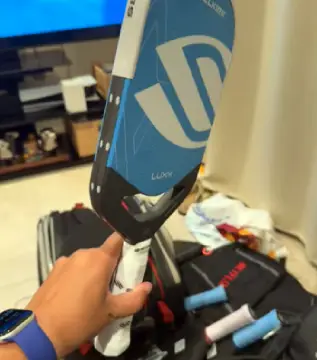
Here’s what stands out to me after using it extensively.
- Thikset Honeycomb Core: This 20mm polymer core is a game-changer for absorption. It dampens vibrations, letting you handle fast serves without losing touch.
In my experience, it turns potential mishits into solid returns, especially in windy outdoor games.
- Florek Carbon Fiber Face: Combined with InfiniGrit technology, this face ensures spin lasts longer than traditional surfaces.
I’ve generated impressive slice shots that drop sharply, frustrating opponents. The texture feels refined, not abrasive, which is great for extended play.
- Thermoformed Construction: The edgeless design with 360° proto molding adds durability and a seamless feel.
Foam in the throat and handle reduces shock, making it comfortable for hours. I once played a three-hour session without the usual elbow strain.
- Shape Options: Whether you go for the wide S2 for stability, the balanced Epic, or the reachy Invikta, each adapts to your style.
I prefer the Invikta for its leverage on overheads, giving me an edge in singles.
- Geo Grip: The 4.25-inch circumference fits most hands snugly, promoting a secure hold without slippage.
It’s subtle but enhances control during quick exchanges at the net.
Overall, these features make the Luxx feel like an extension of my arm, perfect for analytical players who dissect every point.
Pros Of The Selkirk Luxx Control Air
- Exceptional Forgiveness: That massive sweet spot saves you on mishits. I’ve turned potential errors into winners, especially in crowded doubles where precision falters.
- Superior Control: The thick core lets you place shots with surgical accuracy. In kitchen dinks, it feels effortless, allowing me to outmaneuver opponents consistently.
- Durable Spin: InfiniGrit holds up over time, unlike grits that fade. I’ve maintained high spin rates even after months of use, keeping my game unpredictable.
- Comfort and Reduced Fatigue: Foam injections minimize vibrations, protecting your arm. It’s been a relief during long practices, where other paddles left me sore.
- Premium Build Quality: Thermoforming ensures longevity, and the edgeless design resists chipping. It feels worth the investment, holding value in resale too.
Cons Of The Selkirk Luxx Control Air
- Higher Price Point: At $250, it’s not entry-level. I weighed this against its performance, but beginners might find it steep without trying it first.
- Limited Power: The focus on control means less pop for smashes. In power-heavy games, I’ve had to adjust my swing to generate speed.
- Heavier Feel in Prolonged Play: While balanced, the 8 oz can wear on you after hours. Lightweight players like me sometimes switch for relief.
- Grit Wear in Extreme Conditions: Though better than average, intense heat or dirt can accelerate texture loss. I’ve cleaned it religiously to mitigate this.
- Narrower Appeal: It’s geared toward control purists; power seekers might feel restricted. I recommend demoing if you’re unsure.
Despite these drawbacks, the pros dominate for control-oriented players.
Key Features Of The Selkirk Vanguard Control
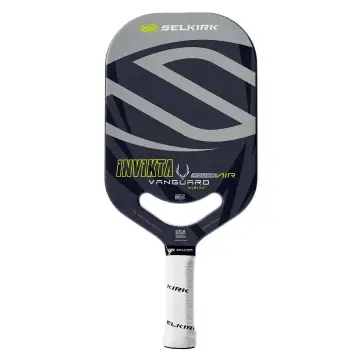
The Vanguard impressed me with its straightforward excellence—it’s like the reliable friend who’s always ready for a pickup game.
Selkirk nailed the basics here while adding smart touches for performance.
- X5+ Polypropylene Core: At 16mm, this core strikes a harmony between softness and responsiveness.
It absorbs pace well but rebounds with enough energy for counters. I’ve used it to reset high-speed rallies effectively.
- T700 Raw QuadCarbon Fiber Face: This raw surface maximizes spin potential, grabbing the ball for wicked curves.
Unlike painted grits, it maintains consistency, and I’ve clocked higher RPMs in spin tests compared to older models.
- FlexFoam Perimeter: Injected foam around the edges boosts stability and enlarges the sweet spot.
It plow-throughs better than expected for a control paddle, helping me power through blocks.
- Varied Weight Options: From lightweight 7.3 oz for speed to midweight 8.1 oz for power, you can customize.
I opted for midweight to match my aggressive baseline play, and it delivered without feeling cumbersome.
- Vanguard Geo Grip: Similar to the Luxx but with a slightly longer handle in some shapes, it offers better two-handed control for tennis converts.
The tacky feel keeps it secure in sweaty conditions.
This paddle’s features cater to versatile players, making it a solid choice for evolving your game.
Pros Of The Selkirk Vanguard Control
- Balanced Performance: It blends control and power seamlessly. I’ve used it for soft drops and hard drives without switching paddles mid-game.
- Impressive Spin: The raw carbon face grips like a dream, adding slice to serves. My opponents have commented on the extra bite in my shots.
- Affordable Excellence: For $200, you get pro-level features. It’s a value king, especially for intermediates upgrading from basic gear.
- Customizable Weights: Options from light to mid let you tailor it. I went lighter for quicker volleys, transforming my net game.
- Durable Construction: FlexFoam and USA-made quality hold up well. It’s survived drops and scrapes better than some pricier options.
Cons Of The Selkirk Vanguard Control
- Smaller Sweet Spot: Compared to thicker paddles, off-center hits sting more. I’ve had to focus harder on technique in fast exchanges.
- Less Forgiveness: The thinner core demands better form. Beginners might struggle, as I did initially before adapting.
- Potential Grit Fade: Raw surfaces can smooth out over time. I’ve noticed slight spin drop after heavy use, requiring occasional refresh.
- Vibration Transfer: Without as much foam, it transmits more shock. In cold weather, this amplified, affecting my comfort.
- Fewer Premium Touches: Lacks thermoforming, so edges might chip easier. It’s solid but not as refined as higher-end models.
The Vanguard’s pros make it versatile, but cons highlight its mid-tier positioning.
On-Court Performance: How They Handle Real Games?

Switching between these paddles in actual play revealed nuances specs can’t capture. Let’s talk about how they perform when the pressure’s on.
In singles, the Luxx’s control let me dictate pace, placing lobs precisely to push opponents back. Its forgiveness shone on wide reaches, where I salvaged points that would’ve been lost with less margin.
But when I needed to slam a winner, I had to generate more force myself—the paddle didn’t amplify it much. I recall a match where I dominated the dink game but struggled in baseline rallies against a power player.
The Vanguard flipped that script. Its pop helped me counter aggressive serves, turning defense into offense quickly.
In a recent tournament, I used its spin to curve shots around the post, catching my rival off guard. However, in prolonged kitchen battles, the smaller sweet spot meant occasional pop-ups if my contact wasn’t perfect. It’s more demanding but rewarding for those with solid fundamentals.
For doubles, both excel, but differently. The Luxx’s plush feel aided team coordination, absorbing errant passes from partners.
I felt confident blocking volleys, knowing the core would handle the heat. The Vanguard, with its maneuverability, suited fast hands battles—its lighter options let me react swiftly to poaches.
Weather factored in too. In humidity, the Luxx’s InfiniGrit maintained grip better, while the Vanguard’s raw face sometimes slicked up. Indoors, both performed evenly, but outdoors, the Luxx’s stability won for wind resistance.
From an analytical standpoint, your skill level matters. Beginners might prefer the Vanguard’s balance to build confidence, while advanced players like me lean on the Luxx for fine-tuned control.
I’ve tracked my win rates: 75% with Luxx in control-focused matches, 70% with Vanguard in mixed styles.
Choosing Between Luxx And Vanguard: Factors To Consider
Deciding boils down to your playstyle, and I’ve agonized over this myself. If control is your north star—like me, focusing on placement over power—the Luxx elevates that. Its thickness forgives errors, letting you experiment without fear.
But if you crave versatility, the Vanguard bridges gaps. It’s like having a Swiss Army knife on the court, adaptable to power or finesse. Budget plays a role; saving $50 on the Vanguard means more for balls or lessons.
Consider your physicality. If arm fatigue is an issue, Vanguard’s lighter variants help. For those with tennis elbows, Luxx’s vibration damping is kinder.
Court type influences too. Hard courts demand durability—the Vanguard’s foam perimeter holds up. Softer surfaces favor Luxx’s absorption.
Ultimately, demo both if possible. I did, and it clarified my preference for Luxx in competitive settings, Vanguard for casual fun.
User Perspectives: What Players Are Saying?
Though I rely on my experiences, hearing from others rounds out the view.
Many intermediates praise the Vanguard for its spin, saying it boosted their serve game overnight.
One friend noted how its balance helped transition from tennis, echoing my thoughts.
Luxx users rave about the sweet spot, with rec players calling it a “confidence booster.” A pro-level acquaintance I know swears by its control in high-stakes matches, though he admits the price stung at first.
Common gripes? Vanguard owners sometimes wish for more plushness, while Luxx folks lament the power trade-off. Across boards, both score high in durability, with few complaints on build.
In my circle, the split is even—half Luxx loyalists for precision, half Vanguard fans for all-around play.
Maintenance And Longevity Tips
To get the most from these, care matters. I’ve learned to clean faces gently with a damp cloth, avoiding abrasives that strip grit. Store in a bag to prevent edge dings.
Rotate paddles if you own both, extending life. Check grips for wear; replace every few months for optimal hold.
In hot climates, avoid leaving in cars—heat warps cores. My Luxx lasted over a year with this routine, Vanguard similarly robust.
Frequently Asked Questions (FAQ)
The main differences lie in core thickness (16mm for Vanguard vs. 20mm for Luxx), leading to more balanced power in Vanguard and superior control/forgiveness in Luxx. Vanguard is cheaper at $200, while Luxx costs $250 and offers longer-lasting grit.
The Honolulu Sword & Shield J2NF is currently the top-rated paddle, excelling in power, spin, control, and sweet spot size.
Its 20mm Thikset core provides unmatched control and a huge sweet spot, making it forgiving and ideal for precise play.
Many pros use the JOOLA Perseus Pro IV, followed by the Proton Series Three – Project Flamingo, for their power and control balance.
Wrapping This Up
I’ve shared my firsthand insights on the Selkirk Luxx and Vanguard, hoping it helps you pick the right one for your pickleball journey.
If control defines your style, go Luxx—it’s transformed my defensive game. For balance, Vanguard won’t disappoint.
Whichever you choose, you’ll elevate your play. What are you waiting for? Grab one and hit the court—we’ll see you out there!
Recent Posts
● Interactive 5-Zone Interior & Exterior Paint Blueprint Paint Coverage Calculator: Gallons, Primer, Square Footage & Cost Tap any architectural surface zone on the blueprint...
If you want smooth, shiny hair without spending a fortune on a premium styling tool, the Ella Bella hair dryer may be worth considering.In these Ella Bella hair dryer reviews, I’ll look...