
I spent weeks testing both the Sensi Touch and the Sensi Touch 2 in my own home to figure out which one actually delivers better comfort, easier control, and smarter energy use.
My goal here is simple: give you a clear, side-by-side breakdown so you can decide which thermostat fits your system, wiring, and daily habits without the usual guesswork.
| Feature | Sensi Touch | Sensi Touch 2 |
| Display | 4.3-inch color touchscreen | 4.3-inch color touchscreen (improved responsiveness) |
| Thickness | About 1.04 inches | About 0.8 inches (thinner profile) |
| Wi-Fi | 2.4 GHz only | Dual-band 2.4 GHz and 5 GHz |
| Room Sensors | Not supported | Supports up to 15 Sensi room sensors (sold separately) |
| Smart Home | Alexa, Google Home, Apple HomeKit, SmartThings | Alexa, Google Home, SmartThings (no HomeKit) |
| C-Wire | Required for all systems | Required for all systems |
| Humidity Control | Yes | Yes |
| Geofencing | Yes | Yes |
| Scheduling | 7-day flexible | 7-day flexible |
| Warranty | 3 years | 3 years |
| Typical Street Price | Lower | Higher |
Key Differences Between Sensi Touch And Sensi Touch 2
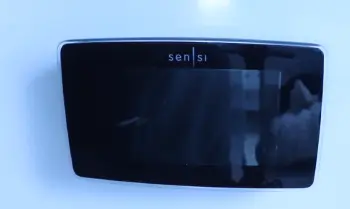
- Wi-Fi options: The original uses only 2.4 GHz.
The Touch 2 adds 5 GHz support for stronger links. This helps in homes with many connected devices.
- Room sensors: The first model cannot use them.
The Touch 2 pairs with up to fifteen sensors for better balance. You can place them in problem rooms for more even comfort.
- Body design: Both share a 4.3-inch screen.
The newer unit sits thinner and feels more modern on the wall. It blends better with most home styles.
- Smart home platforms: The original keeps Apple HomeKit.
The Touch 2 drops it for other systems only. Apple users may prefer the first model for this reason.
- Price level: The older model costs less.
The Touch 2 sits higher due to extra features. The gap often reaches several dozen dollars at street prices.
- Screen response: The Touch 2 glass reacts faster.
Taps and swipes feel smoother in daily use. Small delays from the older unit are mostly gone.
- Network stability: Dual-band on the newer unit cuts dropouts.
Busy homes notice the difference quickly. Remote changes arrive with less lag.
- Sensor range: The Touch 2 supports sensors up to about 100 feet away.
This helps cover larger floors with ease. Battery life on the sensors lasts up to two years.
- Accessory terminals: The newer model offers extra terminals for humidifiers. Future equipment links become simpler. You can expand the system later without major changes.
Key Features Of The Sensi Touch

- Color touchscreen: The 4.3-inch display shows temperature and status clearly.
Mode changes happen right on the wall. The screen glows red in heat and blue in cool for quick glances.
- Flexible scheduling: You build different plans for each day.
Holds and overrides stay simple to set. Up to eight periods per day give solid control.
- Geofencing tool: It shifts the temperature when your phone leaves home.
The change stays fixed at three degrees. Return trips bring the setting back automatically.
- Humidity sensing: The unit reads moisture levels.
It can call for dehumidify help on supported systems. Summer comfort improves without constant manual tweaks.
- Smart alerts: Filter reminders and temperature warnings arrive in the app. You stay informed without checking constantly.
High or low limits trigger quick notices.
- Usage reports: Daily and monthly runtime data appear clearly.
Adjustments become easier to track over time. Energy patterns show up in simple charts.
- HVAC range: It works with single-stage, multi-stage, and heat-pump setups. Compatibility covers most common homes.
Dual-fuel logic is also available.
- HomeKit link: Siri voice control works once added.
Apple users gain seamless commands from across the room. Integration stays reliable after setup.
- Keypad lockout: You can lock the screen to stop unwanted changes. This helps in homes with kids or guests. Settings stay protected until unlocked.
- Circulating fan: The fan can run to move air better.
Temperature feels more even across rooms. Airflow improves without full system cycles.
Pros Of The Sensi Touch
- Lower cost: You pay less than the newer model. Budget-friendly homes gain full core features. Street prices often make it the value pick.
- HomeKit support: Siri works natively. Apple households keep easy voice control without workarounds. Commands feel direct and reliable.
- Solid app: Setup steps stay clear and guided. Daily changes feel quick and reliable. The interface avoids clutter and confusion.
- Bright display: The color screen remains easy to read. On-wall control stays pleasant for everyone. Temperature and status show at a glance.
- Long warranty: Three years of coverage apply. Peace of mind lasts longer than many rivals. Support remains consistent across both models.
- Proven track: The model has more years in homes. Reliability records stay strong for most users. Fewer early issues appear in reviews.
- Simple geofencing: Location shifts work without complex settings. Casual users appreciate the ease. Phone distance triggers automatic changes.
- Wide compatibility: Most standard HVAC systems work well. Installation stays straightforward for many homes. Single and multi-stage setups are covered.
- Clean interface: The screen layout feels uncluttered. Quick checks take only a second. Mode switches stay intuitive for all ages.
Cons Of The Sensi Touch
- No sensors: Room differences stay unfixed. Multi-level homes feel the gap most. Hot and cold spots continue without extra hardware.
- Single-band Wi-Fi: Only 2.4 GHz is available. Busy networks can slow remote changes. Lag appears more often in dense device areas.
- Thicker shape: It sticks out farther from the wall. The flush look is harder to achieve. Side profile feels bulkier than the Touch 2.
- Fixed geofencing: The three-degree shift cannot change. Fine control stays limited. Custom away temperatures are not possible.
- Older design: The body feels less refined next to the Touch 2. Visual updates are missing. Edges and depth look dated by comparison.
- No extra terminals: Accessory options stay fewer. Future equipment links may need work. Humidifier connections are more limited.
- Limited future path: Sensor support never arrives. Larger homes may outgrow it sooner. Expansion options stay locked.
- Lag on busy networks: Remote app commands can delay. This happens more in dense Wi-Fi areas. Connection drops feel more frequent.
Key Features Of The Sensi Touch 2
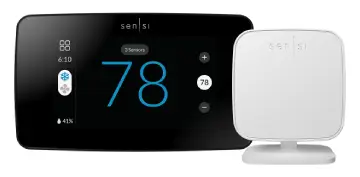
- Improved screen: The glass responds faster than before. Swipes feel clean and lag-free.
The interface looks sharper and more modern overall.
- Thinner body: The unit sits closer to the wall. The look stays modern and low-profile.
It covers old screw holes better in many cases.
- Dual-band Wi-Fi: It joins both 2.4 GHz and 5 GHz networks.
Connections stay steady in crowded spaces. App commands reach the unit with less delay.
- Room sensor support: You can add up to fifteen sensors.
Temperature balance improves across uneven rooms. The system averages or prioritizes readings as needed.
- Same scheduling: Seven-day plans and geofencing remain fully available.
Daily control stays familiar and reliable. Periods per day still reach eight maximum.
- Humidity control: Moisture sensing works the same way.
Accessory terminals add flexibility for extra equipment. Dehumidify calls stay accurate in humid climates.
- Energy tracking: Runtime reports still show in the app.
Patterns become easy to spot and adjust. Monthly summaries help fine-tune setpoints.
- Accessory options: Terminals support humidifiers or dehumidifiers.
Future upgrades stay open without new wiring. Whole-home comfort systems link more easily.
- Outdoor sensor ready: An optional outdoor sensor helps heat pump control.
Balance points stay more accurate. Auxiliary heat runs only when truly needed.
- Service reminders: Filter and maintenance alerts appear on time.
System care becomes harder to forget. HVAC health stays visible in the app.
Pros Of The Sensi Touch 2
- Sensor ready: External sensors balance rooms well. Cold spots shrink after pairing one or two. Whole-home comfort becomes more consistent.
- Dual-band link: 5 GHz support cuts lag. App commands arrive almost instantly. Busy networks stay more reliable day to day.
- Sleek profile: The thinner body looks current. Wall presence stays clean and modern. It sits flatter and blends with décor better.
- Faster screen: Touch response improves daily use. Adjustments feel more precise. Swipes and taps register without delay.
- Core tools stay: Scheduling and alerts carry over fully. Familiar control remains intact. Daily routines need no relearning.
- Strong app: The same clean interface guides setup. Remote access stays dependable. Reports and settings remain easy to find.
- Better future path: Sensors and dual-band prepare for larger homes. Upgrades feel built-in. Expansion stays simple later.
- Even comfort: Room sensors fix hot and cold spots. Whole-home temperature stays closer to target. Priority rooms can lead the reading.
- Stable connection: Dual-band reduces dropouts. Busy households notice fewer interruptions. Remote control feels more trustworthy.
Cons Of The Sensi Touch 2
- Higher price: You spend more than the original. Sensors must be bought separately too. Total cost rises when adding full coverage.
- No HomeKit: Apple users lose native Siri. Other platforms still work but feel less direct. Workarounds add extra steps.
- Sensors extra: None come in the box. Budget must include at least one for full benefit. Each unit adds to the final spend.
- C-wire needed: Power still requires the common wire. Homes without it need an adapter. Installation can grow more complex.
- Limited learning: No automatic habit tracking exists. Schedules stay fully manual. The system never guesses your patterns.
- Platform drop: HomeKit absence narrows options. Mixed smart homes may notice the limit. Apple-focused users lose a key link.
- Extra cost for sensors: Each sensor adds to the total. Full room coverage raises the final price. Budget planning needs care.
- No built-in speaker: Voice replies stay external. Some users prefer on-device feedback. Confirmations come only through the app or assistants.
Installation Experience And Daily Use
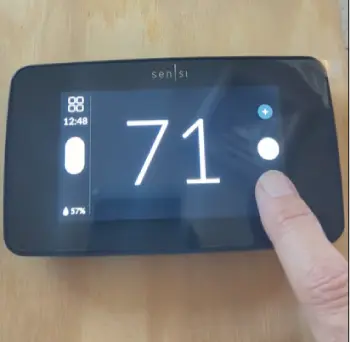
I installed both units myself. The illuminated terminals and push-in connectors made wiring less stressful than older screw terminals I have fought with in the past.
The Sensi app walks you through labeling wires and checking compatibility before you commit.
Both models need a C-wire for continuous power, so I verified that first. Without it the screen stays dark.
Once running, the daily experience feels similar. I set a weekday schedule that drops the temperature after I leave and raises it before I return. Geofencing handles weekends when my schedule varies.
The app reports runtime clearly, so I can see the effect of any change within a few days. Voice commands through Alexa or Google work on both. HomeKit works only on the original.
The Touch 2’s room sensors made the biggest real-world difference. I placed one in a bedroom that always ran colder.
After a day the thermostat started using that reading and the room stayed closer to the setpoint. That alone made the upgrade feel worthwhile in my layout.
Energy Savings And Long-Term Value
Both claim roughly 23 percent HVAC energy savings when used with temperature adjustments.
In practice I saw meaningful reductions once I stopped leaving the system at a constant temperature. The usage reports helped me stay honest about setpoints.
Neither model learns your habits the way some competitors do. They rely on the schedule or geofencing you set. That keeps them predictable rather than surprising.
The three-year warranty and solid app support give both models decent long-term value. The original’s lower price improves the return if sensors are unnecessary.
The Touch 2’s dual-band radio and sensor support protect the investment better in larger or multi-level homes.
Who Should Choose Which Model?
Choose the Sensi Touch if you already have Apple HomeKit devices, do not need room sensors, and want to spend less.
The core features still deliver reliable control and the HomeKit integration is a genuine advantage for that ecosystem.
Choose the Sensi Touch 2 if you want better Wi-Fi stability, plan to add room sensors, prefer the thinner look, and do not rely on HomeKit.
The sensor support is the feature that most clearly improves comfort in uneven houses.
Both work well for standard single-stage and multi-stage systems and heat pumps. Confirm your C-wire situation before buying either one.
Frequently Asked Questions (FAQ)
Yes. It offers a responsive touchscreen, dual-band Wi-Fi, optional room sensors, and a clean app experience that most users find reliable.
It depends on your needs. The Touch 2 is better for homes that benefit from room sensors and dual-band Wi-Fi. The original Touch is better if you need HomeKit or want to spend less.
Yes. Both the Touch and Touch 2 require a C-wire for all applications.
Ecobee usually offers more advanced sensors and automation, while Sensi stays simpler and often costs less.
Final Thoughts
After living with both thermostats, I see clear strengths in each. The original Sensi Touch still delivers solid performance and keeps HomeKit alive at a lower price.
The Touch 2 refines the experience with better connectivity and the ability to balance temperatures across rooms.
Your choice comes down to whether room sensors and dual-band Wi-Fi matter more than HomeKit and cost.
Check your wiring first, decide which features you will actually use, and you will end up with a thermostat that keeps the house comfortable without constant fuss.
Whichever you pick, the Sensi app and core scheduling tools make daily management easy enough that you stop thinking about the thermostat and simply enjoy the results.
Recent Posts
● Interactive 5-Zone Interior & Exterior Paint Blueprint Paint Coverage Calculator: Gallons, Primer, Square Footage & Cost Tap any architectural surface zone on the blueprint...
If you want smooth, shiny hair without spending a fortune on a premium styling tool, the Ella Bella hair dryer may be worth considering.In these Ella Bella hair dryer reviews, I’ll look...