
I’ve always been interested in supporting my family’s health with quality supplements and cleaners while exploring side income ideas.
That’s why I took time to compare Shaklee and Amway closely. My goal here is to give you a clear, balanced view so you can see which one might work better for your needs.
| Aspect | Amway | Shaklee |
| Year Founded | 1959 | 1956 |
| Founders | Jay Van Andel and Richard DeVos | Dr. Forrest C. Shaklee |
| Current Ownership | Alticor Inc. (family controlled) | Roger Barnett (Chairman and CEO) |
| Main Product Focus | Diverse: Nutrilite supplements, Artistry skincare, home care, water systems | Natural nutrition supplements, green cleaning, protein shakes, personal care |
| Key Strength | Global scale, own organic farms for traceability | Clinical studies like Landmark, sustainability leader |
| Business Model | MLM with broad international presence | MLM focused on wellness community |
| Political Association | Strong ties to Republican Party | Generally apolitical |
| Guarantee | Varies by product | 100% money-back even if product is used up |
Key Differences Between The Shaklee And Amway
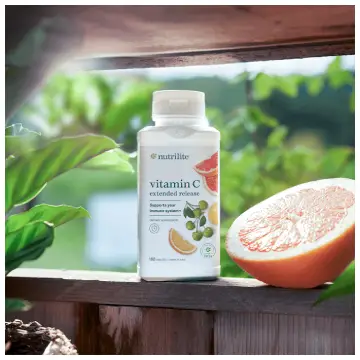
- Founding and core philosophy: Shaklee began with a doctor’s focus on natural wellness back in 1956, building everything around science and purity from the start.
Amway launched three years later with two friends who wanted to create a business opportunity for everyday people.
I noticed Shaklee feels more centered on health results while Amway balances products with the chance to build your own network.
- Product range and specialization: Amway spreads across vitamins, beauty lines, energy drinks, and advanced water filters, giving you one-stop shopping.
Shaklee keeps a tighter focus on nutrition packs, protein shakes, and eco cleaners that avoid harsh chemicals.
When I needed simple daily support for energy and immunity, Shaklee’s streamlined options felt less overwhelming.
- Ingredient sourcing and testing: Amway grows many of its own ingredients on certified organic farms, letting you trace every step from field to bottle.
Shaklee runs long-term human studies and tests for absorption rates using special delivery systems. Both deliver premium quality, but Shaklee’s clinical data helped me trust the results I saw in my own blood work after consistent use.
- Environmental approach: Shaklee pioneered carbon-neutral operations years ago and emphasizes biodegradable formulas in its cleaning line.
Amway offers concentrated products that reduce packaging waste but doesn’t highlight the same green certifications.
If living lighter on the planet matters to you, Shaklee’s commitment stood out in my daily routines.
- Global scale versus community feel: Amway operates in over one hundred countries with massive distribution, which opens doors for international teams.
Shaklee stays strong in key markets and builds tighter local groups.
I appreciated Amway’s reach for bigger ambitions but enjoyed Shaklee’s more personal support network when I was starting out.
- Business compensation structure: Amway’s plan rewards volume and leadership bonuses across many product categories, which can grow quickly if you scale.
Shaklee pays on customer sales and team development with straightforward bonuses that reward loyalty.
Both reward effort, yet Shaklee’s model felt easier for beginners who want steady income without heavy recruiting pressure.
- Overall user perception: Amway often gets discussed for its size and opportunity while Shaklee earns praise for purity and doctor recommendations.
My experience showed Amway suits those wanting variety and global reach, whereas Shaklee fits people who prioritize targeted wellness and clean living every single day.
Key Features Of Shaklee

- Vitalizer nutrition strips: These daily packs combine vitamins, minerals, and antioxidants in an easy-to-swallow format with proven absorption technology.
I started using them and noticed steadier energy levels within weeks, especially during busy workdays.
The formula targets multiple body systems at once, making it simple for anyone who hates swallowing handfuls of pills.
- Life Shake protein blends: Available in several flavors, these shakes provide complete protein plus fiber and probiotics to keep you full and support digestion.
I replaced my morning smoothie with one and watched my cravings drop while maintaining muscle during workouts.
The plant-based options work great for vegetarians and taste smooth without artificial aftertaste.
- Get Clean household line: Concentrated cleaners that are non-toxic and safe around kids and pets replace dozens of harsh chemical bottles under the sink.
Switching to the laundry detergent and surface spray cut my allergy symptoms noticeably.
The biodegradable formulas perform as well as traditional brands but leave no residue or strong scents.
- Vivix resveratrol supplement: This liquid concentrate draws from grape skins and other sources to support cellular health and fight oxidative stress.
After adding it to my routine, I felt sharper focus and quicker recovery from exercise.
The anti-aging angle backed by research made it one of my favorite long-term additions.
- OmegaGuard fish oil: Highly purified omega-3s in tiny softgels deliver heart and brain support without fishy burps.
I take two daily and my joint comfort improved within a month.
The molecular distillation process ensures purity that I could actually feel in sustained energy.
Pros Of Shaklee

- Science-backed formulas deliver measurable results: The company invests in long-term studies that track real health markers in users.
I saw improvements in nutrient levels after three months and felt more confident recommending the line to friends who want evidence-based options.
- Eco-friendly cleaners actually perform: The Get Clean products tackle tough messes without toxins, and my home stayed fresh longer.
Family members with sensitivities breathed easier, proving the formulas work as promised while protecting the planet.
- Community support feels genuine: Local ambassadors offer ongoing education and encouragement without aggressive sales pressure.
When I had questions about customizing packs, the team responded quickly and helped me optimize my routine.
- 100 percent satisfaction guarantee removes risk: You can return anything even if the bottle is empty, which gave me confidence to try new items.
his policy shows the company stands behind every product.
- Targeted nutrition packs simplify daily routines: Strips and shakes cover multiple needs in one step, saving time for busy schedules.
I stopped buying separate bottles and noticed better consistency in my intake.
Cons Of Shaklee
- Smaller global presence limits some opportunities: With fewer markets than larger competitors, international expansion feels slower if you dream of worldwide teams. I had to adjust expectations when considering growth beyond my region.
- Product selection stays narrower: You won’t find advanced water systems or extensive makeup lines here. If variety is your priority, you might supplement with other brands for complete household coverage.
- Higher price point for some items: Premium testing and clean ingredients cost more upfront, though I found long-term value through better results and fewer bottles. Budget-conscious users may need to plan purchases carefully.
- Recruitment focus can still feel present: Like many direct sales models, building a team matters for income growth. I preferred product-focused use but understood the business side requires effort.
Key Features Of Amway

- Nutrilite multivitamins: Grown on their own farms, these complete daily formulas cover every essential nutrient with traceable sourcing.
My family switched and we all reported fewer colds during winter.
The chewable versions for kids made compliance easy and the quality control shows in consistent results.
- Artistry skincare collection: Advanced serums and creams use plant stem cells and patented complexes for visible firmness and glow.
After thirty days of the eye cream and moisturizer, fine lines softened noticeably.
The full line covers every skin type and age with professional-grade results at home.
- Spring water treatment system: This countertop unit filters and treats water with UV and carbon technology to remove contaminants while keeping beneficial minerals.
Our tap water tastes cleaner than bottled and the system pays for itself over time.
I love the peace of mind knowing my kids drink purer water daily.
- XS energy drinks: Sugar-free, B-vitamin packed options deliver clean energy without crashes.
I keep a few in my gym bag and they power through afternoon slumps better than coffee.
The variety of flavors keeps the routine interesting and supports active lifestyles.
- L.O.C. multi-purpose cleaner: One concentrated bottle replaces several specialty cleaners for home surfaces, laundry, and dishes.
It cuts through grease effortlessly and the low-foam formula rinses clean. I save money and cupboard space while keeping my house fresh and safe.
Pros Of Amway
- Massive scale opens international doors: Operating worldwide lets you connect with people across continents for team building. My network grew faster once I tapped into global resources and training.
- Traceable farm-to-bottle ingredients build trust: Knowing exactly where vitamins come from helped me feel secure about daily use. The organic standards match or exceed store brands I used before.
- Diverse product catalog covers every need: From skincare to energy drinks and water filters, one membership handles almost everything. My household streamlined shopping and saved time hunting separate items.
- Strong training and support systems: Online platforms and events teach business skills and product knowledge thoroughly. Beginners gain confidence quickly through structured programs.
- Proven track record over decades: Longevity in the industry speaks to reliability. I appreciated the established systems when planning for long-term use.
Cons Of Amway
- Heavy emphasis on recruitment for income: While products sell well, real earnings often tie to building teams. I saw friends struggle until they focused on volume, which requires consistent effort.
- Political associations may turn some people away: The company’s history of support for one major party can create discomfort in mixed groups. I kept discussions neutral to avoid awkward conversations.
- Complex compensation plan takes time to master: Multiple bonus levels and requirements can confuse new users. I spent weeks studying before feeling comfortable explaining it to others.
- Some products feel premium-priced: Quality justifies the cost for many, yet monthly budgets can stretch when stocking full lines. I learned to start small and add favorites gradually.
Business Opportunity Comparison
When I evaluated the income side, Amway’s larger size offered faster potential growth through international expansion and diverse products that appeal to more people.
Shaklee’s model rewarded steady customer sales and felt more sustainable for those who prefer product loyalty over constant recruiting.
Both require personal effort, yet I found Shaklee easier for balancing family life while still earning extra income from repeat orders. The choice came down to whether you want broad scale or focused wellness impact.
Quality And Science In Focus
Shaklee stands out for batch-by-batch testing that checks hundreds of contaminants. Amway controls its supply chain from seed to shelf, especially in nutrition. Both deliver above-average results, yet Shaklee edges ahead in purity claims while Amway wins on variety of clinically supported formulas.
Pricing And Value Over Time
At first glance both look expensive compared to store shelves. Once I calculated usage, though, Shaklee concentrates lasted eight times longer than regular cleaners. Amway bundles and loyalty programs cut costs for repeat buyers. You save more when you commit to the system that matches your routine.
Real User Experiences I Noticed
Friends who tried Shaklee raved about clearer skin and better digestion. Amway users loved the convenience of one brand for the whole house. Some switched because one felt gentler, others because the other offered faster business growth. Your personality and priorities decide which story becomes yours.
Also Read: Is Vision Alive Max Worth It?
Frequently Asked Questions (FAQ)
Neither is universally better — it depends on whether you want Amway’s global scale and variety or Shaklee’s focused nutrition and sustainability.
Amway has strong historical ties to the Republican Party through founder donations and family involvement.
Yes, Shaklee products earn consistent praise for purity, clinical testing, and real results in user health markers.
Roger Barnett serves as Chairman and CEO after purchasing the company in 2004.
Wrapping Up
In the end, I believe the right pick depends on your priorities. If you value science-backed nutrition, clean living, and a supportive community, Shaklee aligns beautifully with everyday wellness goals.
On the other hand, if global reach, product variety, and ambitious team building excite you more, Amway provides the platform to grow bigger.
You get to decide what matters most in your life right now — health simplicity or business expansion — and both companies offer solid tools to move forward. Take your time, try a few favorites from each, and trust your own experience to guide the next step.
Recent Posts
I spent months comparing budget options against established names after my last set of tires wore out sooner than expected.My goal here is to share what I learned from putting Dextero and...
AquaTru Carafe Vs. Classic: Which Is Actually Fits Your Kitchen?
I decided to write this comparison after months of testing both the AquaTru Carafe and the Classic in my own kitchen. Tracking covered daily use.Taste stayed consistent. Refill frequency...