
I decided to write this piece because I’ve stood in too many bathrooms, staring at a cracked tile floor or a slick shower pan, wondering which one actually makes sense for real life.
My goal is simple: help you weigh shower pans against traditional tile shower floors so you can pick the option that fits your space, budget, and daily routine without the usual guesswork.
| Aspect | Shower Pan | Tile Shower Floor |
| Installation Time | Faster, often same-day | Longer, multi-day process |
| Upfront Cost | Lower to moderate | Higher due to labor and materials |
| Waterproofing | Built-in, reliable | Relies on membrane and perfect sealing |
| Customization | Limited shapes and colors | Nearly unlimited designs and patterns |
| Maintenance | Easy wipe-down | Grout cleaning required |
| Durability | Strong against cracks if quality unit | Can crack or loosen over time |
| Slip Resistance | Often textured surface | Depends on tile choice and finish |
| Repair Difficulty | Usually replace entire unit | Can patch individual tiles |
| Longevity | 15–25 years typical | 20–40 years with good care |
| Accessibility | Many curb-less options available | Easy to build curb-less with proper slope |
Key Differences Between Shower Pans And Tile Shower Floors
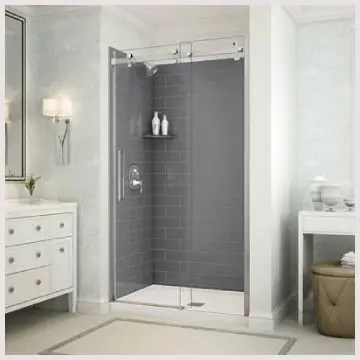
- Material composition and structure: A shower pan arrives as one continuous molded piece made from acrylic, fiberglass, or solid surface material.
Tile floors consist of separate pieces set into mortar over a membrane, which creates many more joints that must stay sealed for the life of the shower.
- Installation complexity: Setting a pan involves leveling the unit and connecting the drain once the subfloor is ready.
Building a tile floor requires calculating slope, installing a membrane, applying thinset, placing each tile, and then grouting, so the process takes more skill and time.
- Aesthetic flexibility: Tile gives you freedom to mix sizes, colors, textures, and patterns across the entire floor.
Pans come in a narrower range of fixed shapes and finishes, which can limit how closely the floor matches the rest of the bathroom design.
- Long-term performance under daily use: A well-installed pan keeps water contained because it has almost no seams that can fail.
Tile depends on every grout line and membrane detail remaining intact through years of temperature changes and foot traffic.
- Repair and replacement path: When a single tile cracks or stains, you can often remove and replace just that piece.
A damaged pan usually means taking out the entire unit and installing a new one from scratch.
Key Features Of Shower Pans
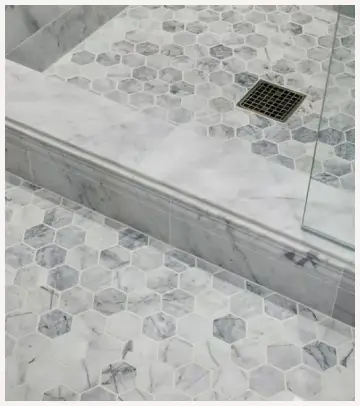
- One-piece molded construction: The entire floor forms a continuous shell that includes the drain opening and a gentle slope.
This design removes most of the weak points where water could otherwise find a path through seams.
- Built-in slope and drainage: Manufacturers shape the surface so water flows reliably toward the drain without pooling.
You avoid the need to create the pitch yourself during installation.
- Surface texture options: Many pans include molded patterns or slight roughness that improve footing when the floor is wet.
Some models also accept optional mats for extra grip if you prefer it.
- Compatibility with different drains: Standard center-drain, linear, and corner-drain styles are widely available.
Matching the pan to existing plumbing is usually straightforward for most bathroom layouts.
- Lightweight yet rigid materials: Acrylic and fiberglass units stay light enough for easy handling yet stiff enough to support normal body weight without noticeable flexing underfoot.
Pros Of Shower Pans
- Faster installation process: Once the subfloor and drain are prepared, a pan can be set, leveled, and sealed in just a few hours. The shorter timeline reduces how long the bathroom stays out of use.
- Lower labor costs in most cases: Because the unit arrives already formed, installers spend less time on site compared with building a floor from scratch. Those savings often help balance the price of the pan itself.
- Consistent waterproof performance: With almost no seams to fail, a quality pan creates a continuous barrier against leaks. Proper installation according to the manufacturer’s guidelines keeps water where it belongs for years.
- Easier daily cleaning: Smooth or lightly textured surfaces wipe clean with ordinary bathroom cleaner and a cloth. The absence of grout lines removes the usual hiding places for soap scum and mildew.
- Predictable feel underfoot: The surface remains uniform from edge to edge. You know exactly how the floor will respond to bare feet or a bath mat every time you step in.
Cons Of Shower Pans
- Limited design choices: Most pans come in square, rectangular, or neo-angle shapes with a fairly narrow color range. Matching a very specific palette or creating a unique pattern becomes harder than with tile.
- Potential for surface scratches: Acrylic and fiberglass can show marks from dropped bottles or abrasive cleaners over time. Deep scratches may need refinishing or eventually force a full replacement.
- Full-unit replacement when damaged: If the pan cracks or the surface wears beyond repair, the usual solution is to remove the entire unit. Patching a small area is rarely practical with molded materials.
- Height and curb constraints: Some models include a fixed curb height that may not suit accessibility needs. True curb-less versions exist but often cost more and require careful preparation of the subfloor.
- Less custom visual impact: Even higher-end solid-surface pans tend to look uniform and factory-made. They rarely deliver the handcrafted appearance that many people expect from a tiled floor.
Key Features Of Tile Shower Floors
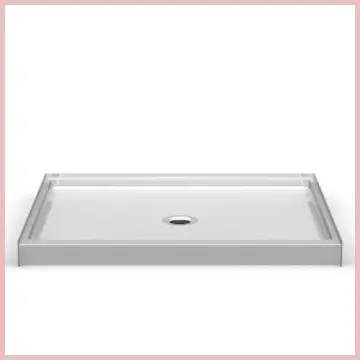
- Individual tile selection: You choose the exact size, shape, material, and finish, whether porcelain, ceramic, natural stone, or glass.
This control lets the floor coordinate perfectly with walls and other bathroom surfaces.
- Custom slope creation: An installer builds the mortar bed or uses pre-sloped boards so water drains exactly where it should.
The pitch can be adjusted to fit unusual room shapes or drain locations.
- Grout and membrane system: A waterproof membrane sits beneath the tile and thinset while grout fills the joints between pieces.
Together they form the water barrier as long as every layer is applied correctly.
- Edge and curb options: You can form a curb of any height or create a completely curb-less entry.
Border tiles and transition pieces give clean lines where the shower meets the rest of the floor.
- Repairability at the tile level: A cracked or stained tile can be cut out and replaced without disturbing the whole floor.
The surrounding membrane must remain undamaged for the repair to hold.
Pros Of Tile Shower Floors
- Nearly endless design freedom: Large-format porcelain, tiny mosaics, or mixed patterns all become possible. You can create a floor that feels completely unique to your home and style preferences.
- Excellent longevity when installed well: A properly built tile floor over a solid membrane can last decades with only routine cleaning. Many older bathrooms still rely on original tile that continues to perform.
- Ability to match surrounding finishes: Tile can run from the shower floor onto the walls or coordinate with vanity tops and hallway flooring. The result feels intentional and continuous throughout the space.
- Local repair options: A single damaged tile or stained grout line can often be fixed without gutting the entire shower. This flexibility lowers the stress of long-term ownership.
- High slip-resistance potential: Choosing textured, matte, or small mosaic tiles gives strong traction even when the surface is wet. You control the exact level of grip the floor provides.
Cons Of Tile Shower Floors
- Higher installation cost and time: Labor for membrane work, slope building, setting tiles, and grouting adds up quickly. A typical project can stretch across several days instead of finishing in one.
- Ongoing grout maintenance: Grout lines collect soap film and need regular brushing plus occasional resealing. Darkened or moldy joints remain a common complaint that requires extra effort to keep looking clean.
- Risk of leaks if the membrane fails: Any gap in the waterproof layer or poorly sealed joint can allow water to reach the subfloor. Repairs then become more invasive and expensive than simply swapping a pan.
- Potential for cold or hard feel: Stone and porcelain often feel chilly underfoot in cooler climates unless radiant heat is added. The surface also offers less cushion if you drop a glass bottle or step awkwardly.
- Difficulty achieving perfect slope: An uneven pitch leaves standing water that shortens grout life and creates slip hazards. The skill of the installer becomes critical to long-term performance.
How Installation Actually Plays Out In Real Homes?
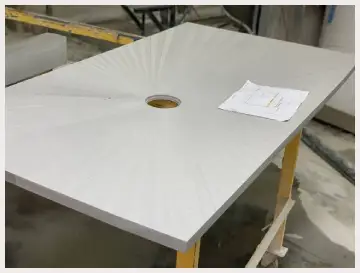
When I renovated my own bathroom, the choice between a pan and tile came down to how much time I wanted the room offline and how much control I needed over the finished look. A shower pan arrived in a single box.
The plumber set the drain, the installer leveled the pan, sealed the edges, and we were ready for the walls the same afternoon. The surface felt solid underfoot right away, and cleanup stayed simple for years.
Tile took longer. The membrane went down first, then a mortar bed carefully pitched toward the drain.
Each tile was set with consistent spacing. Grouting followed the next day, and sealing after that. The result looked custom and coordinated with the rest of the space, but the process demanded more patience and a higher budget.
Both floors have performed well, yet the differences in daily care and long-term flexibility remain clear.
Cost Considerations Beyond The Price Tag
Upfront numbers only tell part of the story. A basic acrylic pan plus installation often lands lower than a full tile job of comparable size.
Premium solid-surface pans close the gap, and high-end tile with natural stone or intricate mosaics can push costs well beyond a mid-range pan.
Factor in the value of your time and the cost of any temporary housing if the bathroom is the only one in the house.
Also consider future repairs: replacing a few tiles is usually cheaper than swapping an entire pan, but a failed membrane under tile can turn into a much larger project.
Maintenance Realities Over The Years
Daily upkeep favors the pan. A quick spray and wipe keeps the surface looking clean. Occasional mild cleaners handle soap film.
Tile requires attention to the grout. Weekly scrubbing with a brush or specialized cleaner prevents buildup. Sealing the grout every year or two helps, yet some people still see discoloration over time.
If you dislike kneeling on the floor with a scrub brush, the pan’s simplicity becomes a strong argument.
Durability And What Happens When Things Go Wrong?
Quality pans handle normal use for fifteen to twenty-five years.
Dropping a heavy bottle or using harsh chemicals can leave marks, and UV exposure in sunny bathrooms may fade certain acrylics. Tile floors often outlast the surrounding fixtures when the membrane stays intact.
Impact damage is usually limited to individual tiles. Thermal expansion and contraction can stress grout lines, especially in climates with big temperature swings.
Both systems fail most often because of poor initial installation rather than material weakness.
Accessibility And Safety Factors
Many modern pans offer low or zero thresholds that make entry easier for anyone with limited mobility.
Textured surfaces reduce slip risk. Tile allows complete freedom to create a curb-less entry and to select the exact grip level you want.
Radiant heat mats under tile add comfort in colder months. Either option can meet accessibility needs when planned carefully from the start.
Aesthetic Impact On The Whole Bathroom
A tile floor can become the visual anchor of the room. Large-format tiles create a spacious feel; small mosaics add texture and interest.
The pan tends to recede into the background, letting wall tile, fixtures, and lighting take center stage.
If your style leans minimalist and clean, a solid-surface pan can look intentional and modern. If you want the shower to feel like a custom feature, tile usually delivers more personality.
Environmental And Material Notes
Acrylic and fiberglass pans are petroleum-based products with relatively low material use because they are thin and lightweight.
Tile production varies widely—porcelain is durable and often made from abundant materials, while natural stone carries a higher extraction impact.
Both can be part of a long-lasting bathroom that reduces the need for frequent renovations. Choosing products with recycled content or low-VOC sealers improves the overall footprint either way.
Making The Decision For Your Specific Situation
Start with how you use the shower. Heavy daily traffic and a preference for low maintenance point toward a pan.
Desire for a distinctive look and willingness to maintain grout favor tile. Measure the existing space carefully; some pans fit standard openings perfectly, while tile can adapt to odd dimensions more easily.
Talk with installers about local conditions—humidity levels, water quality, and typical temperature ranges affect both systems. Ask to see completed examples of each option in homes similar to yours.
Budget should include not only materials and labor but also the cost of any necessary subfloor repairs or plumbing adjustments.
Timeline matters if you are living in the house during the work. Future resale value can swing either way depending on buyer preferences in your area; some markets favor the clean look of a quality pan, while others reward the perceived luxury of tile.
Also Read: Is Rust-Oleum Floor Tile Paint Worth It?
Frequently Asked Questions (FAQ)
It depends on your priorities. A shower base (pan) wins for speed, lower cost, and easy cleaning. Tile wins for custom looks and long-term repair flexibility.
Yes. The existing tile and mortar are removed, the subfloor is checked and repaired if needed, and a new pan is installed. The process is common during bathroom remodels.
There is no single best material. Quality acrylic or solid-surface pans perform well for most people. Porcelain tile is a strong, low-maintenance choice among tiled floors. Match the material to your lifestyle and budget.
No. A properly built tile floor with a waterproof membrane works without a pan. A pan simply provides a ready-made waterproof surface that many find more convenient.
Wrapping Up
I set out to give you a clear-eyed look at shower pans versus tile shower floors so you could weigh the real differences in installation, upkeep, cost, and daily experience.
You now have the practical details on how each option behaves underfoot, how long it typically lasts, and what kind of care it demands. Use that information to match the floor to your habits and your space.
Whether you choose the straightforward reliability of a pan or the design freedom of tile, the right decision is the one that keeps water where it belongs and lets you step into a comfortable shower every day.
Recent Posts
I tried Meltoway Hair Dissolving Cream because I wanted a quick way to deal with unwanted body hair without reaching for a razor every few days. If you are looking for a convenient at-home...
If you’re considering a saffron-based supplement to support mood, appetite control, and everyday wellness, Happy Saffron Plus is worth considering.I like that it takes a familiar botanical...